CITES and Wood, Shell & Ivory Handicraft Exports
How CITES controls handicrafts made from protected woods, corals, shells and ivory: the three Appendices, permits, banned materials and staying compliant.
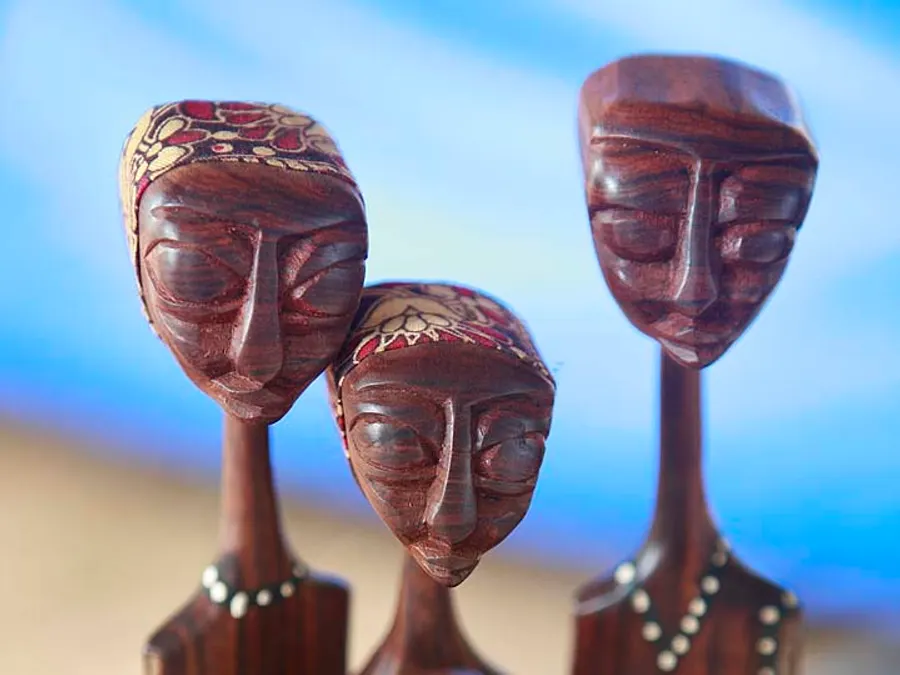
CITES regulates cross-border trade in wildlife and wildlife products through a permit and licensing system. The Convention uses three Appendices that classify species by conservation risk, and most materials used in wood, shell, coral, and ivory handicrafts fall somewhere on this list. Compliance is your responsibility as the importer — suppliers who say “it’s legal here” are not the same as “it’s legal to import where you are,” and customs on either end can seize a shipment that arrives without the right paperwork.
What CITES actually is
The Convention on International Trade in Endangered Species of Wild Fauna and Flora (CITES) is an international agreement that controls trade in over 40,000 species of plants and animals. It does not ban trade outright, but it requires that any cross-border movement of listed species — and products made from them — be accompanied by the correct permits issued by the exporting (and, in many cases, importing) country.
When you ship handicrafts internationally, customs authorities on both ends can ask to see CITES documents. If the documents don’t match the goods, or if the species is more strictly protected than the documents allow, the shipment can be seized, the importer fined, and in serious cases criminal charges brought. Each of the parties to CITES implements the rules domestically, so procedures vary by country.
Materials that commonly trigger CITES requirements
Several materials widely used in handicraft production are listed under CITES. A non-exhaustive overview:
- Rosewood and related species (Dalbergia spp., including Brazilian and Honduran rosewood). Most are listed in Appendix II, meaning commercial trade is allowed with the right permits. Some populations are Appendix I, which means essentially no commercial trade.
- Agarwood / oud (Aquilaria spp. and Gyrinops spp.). Listed in Appendix II. The fragrant heartwood and the trees themselves are covered.
- Giant clam shell (Tridacnidae family). Appendix II. Often appears in jewelry, carved shells, and decorative items.
- Hard corals and black coral (Scleractinia, Antipatharia). Most are Appendix II. Watch out for coral carvings, jewelry, and aquarium pieces.
- Sea turtle shell (Eretmochelys and other genera). Appendix I. Generally not legal to trade commercially.
- Ivory from elephants, walruses, hippos, and certain other species. Most elephants are Appendix I, which prohibits international commercial trade. A small number of national ivory stockpiles have been authorized for limited trade under narrow conditions, and “antique” items meeting specific criteria may qualify for an exemption — but the rules are tight and tightly enforced.
- Tortoiseshell, certain reptiles, and other animal materials. Many are listed, sometimes in Appendix I, which means no commercial trade.
Because listings and exceptions are updated regularly, always check the current CITES Appendices on cites.org before placing or shipping an order.
How the permit system works
For Appendix II materials, a typical commercial shipment requires an export permit from the country of origin (issued by that country’s CITES Management Authority) and, depending on the destination country, an import permit. The export permit certifies that the specimen was legally obtained and that the trade won’t harm the survival of the species.
For Appendix I materials, commercial international trade is generally prohibited. Permits may be issued only in exceptional cases — for example, certain pre-Convention specimens or specific captive-bred programs — and even then only with both an export and an import permit.
For re-exports (items manufactured in one country and then shipped from another), a re-export certificate is needed.
Worked example
You want to import 500 carved rosewood boxes from a workshop in Indonesia. The species is likely a Dalbergia, and Dalbergia species are listed in Appendix II. To clear customs legally, you’ll need:
- A valid CITES export permit from Indonesia’s CITES authority (typically the Directorate General of Conservation).
- Possibly a CITES import permit from your own country, depending on local rules.
- The permits must describe the goods accurately (species, quantity, form) and travel with the shipment.
If the workshop offers “pre-ban” or “old stock” wood, that doesn’t automatically exempt the product — the burden of proof (documentation, age, chain of custody) falls on you, the importer.
A practical compliance checklist
Before confirming any order involving wood, shell, coral, or ivory, work through this list:
- Identify the species in scientific (Latin) terms. Common names like “rosewood” or “coral” can refer to many species with different protection levels.
- Check the current CITES Appendices at cites.org for that species — listings change after each Conference of the Parties.
- Ask the supplier for permits in advance, not after shipping. A reputable exporter should already know what’s required.
- Confirm your own country’s import requirements with your national CITES Management Authority — rules on what is cleared at the border differ.
- Keep all documents on file for the period required by your jurisdiction; audit requests do happen.
- Avoid vague claims like “legal,” “pre-CITES,” or “farmed” without supporting paperwork.
- Be especially cautious with ivory and sea turtle products — these are among the most commonly seized and prosecuted categories.
Common pitfalls
- “Farmed” or “cultivated” is not a free pass. Appendix II species bred in captivity still need CITES documents, and “farmed” claims should be backed by registration and traceability.
- Mixed-material products (a wooden box with an ivory inlay, a coral pendant on a silver chain) require documentation for each listed component.
- Traveller and small-parcel exceptions are for individuals, not bulk importers. Don’t assume exemptions designed for personal use apply to a 1,000-unit wholesale order.
- Domestic legality does not equal export legality. A species may be legally harvested in the source country but still require CITES permits for export.
Verify current species listings, permit requirements, and any country-specific restrictions directly with the CITES Secretariat (cites.org) and your national CITES Management Authority before sourcing or shipping.
Bottom line
CITES compliance is non-negotiable for handicraft importers dealing in wood, shell, coral, or ivory — getting it wrong can mean seized cargo, fines, and lasting supply-chain problems. Build permit verification into your sourcing workflow before orders are placed, and use cites.org and your national CITES Management Authority as your reference points. When in doubt, walk away from the deal — the cost of a replacement order is always lower than the cost of a customs seizure.
Note: This guide is general information for planning, not legal or customs advice. Rules change — always confirm current requirements with the relevant customs authority or a licensed broker before you ship.
FAQ
What CITES permits are required to import handicrafts made from protected species?+
You generally need both an export permit from the country of origin and an import permit from your destination country, both issued by the respective national CITES Management Authority. For Appendix I species (such as most ivory and certain corals), commercial trade is typically prohibited, while Appendix II species (including many Dalbergia rosewoods and Aquilaria agarwood) may be traded commercially with valid permits proving legal, sustainable sourcing.
Are all rosewood, agarwood, shell, and coral handicrafts restricted under CITES?+
Not all are restricted; coverage depends on the exact species and its listing under Appendices I, II, or III. For example, most Dalbergia species (rosewood) and all Aquilaria species (agarwood) are listed in Appendix II, while giant clam shells and certain stony corals have specific annotations. Some finished products or small personal-use quantities may qualify for exemptions, but raw or roughly worked material almost always requires permits.
How can a professional importer verify a supplier is CITES compliant before purchasing?+
Request copies of valid CITES export permits for the specific shipment, confirm the scientific species name on the documentation matches the product, verify the permits were issued by an authorized Management Authority, and ensure the supplier can provide chain-of-custody records tracing the material to a legal source. It is also advisable to consult your own country's CITES authority in advance to confirm import requirements for the species in question.
Ready to source?
Give GreenFlip your buying brief, budget and deadline. We turn it into an evidence-backed sourcing decision and an executable order.
Start a sourcing brief →