How to Import Handicrafts from India to the USA
Importing Indian handicrafts into the United States step by step: supplier selection, Incoterms, documents, HTS classification, clearance and delivery.
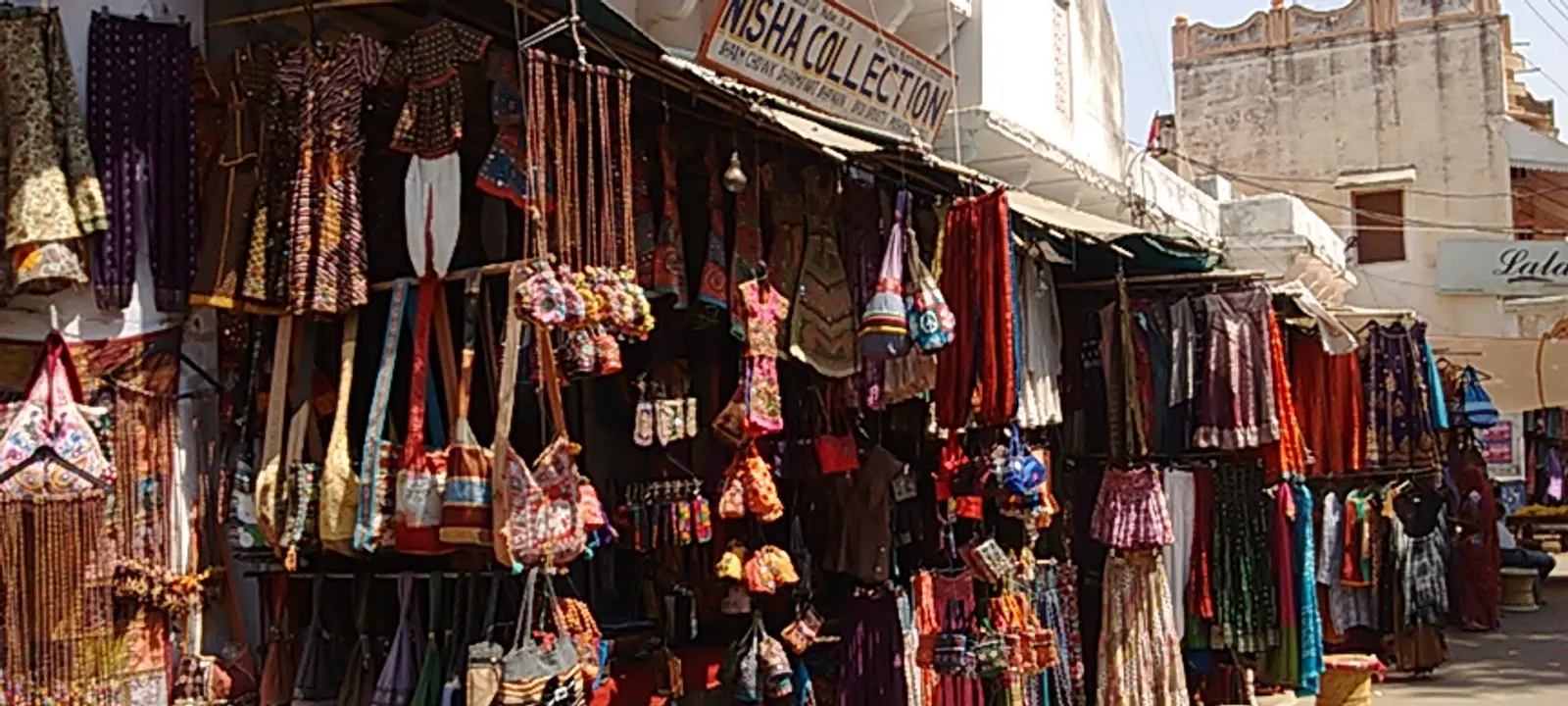
Importing Indian handicrafts into the United States is a well-trodden trade lane with established supplier networks, but it still requires careful planning around supplier selection, Incoterms, HTS classification, customs clearance, and inland delivery. The process typically takes 25–45 days door-to-door for ocean freight (less for air), and the most common cost surprises come from misclassification, undocumented “extras” the supplier adds, and surprise inspections at the US port of entry. Use this guide as a working checklist, and always confirm current duty rates, partner agency rules, and any preference program eligibility (such as GSP) directly with U.S. Customs and Border Protection and the U.S. Department of Commerce before you ship.
Finding Indian suppliers
For bulk handicraft sourcing, the main channels are:
- Trade fairs: IHGF (Delhi) and the India Trade Promotion Organisation (ITPO) network connect buyers with established exporters. EPCH (Export Promotion Council for Handicrafts) is the industry body.
- Online B2B directories: IndiaMart, TradeIndia, and ExportersIndia list verified Indian handicraft exporters, though verification levels vary.
- Sourcing agencies and consolidators: Useful for first-time buyers who want a single point of contact, multiple artisan clusters under one PO, and consolidated quality control.
Vet any shortlist thoroughly. Ask for the supplier’s IEC (Import Export Code), GST registration, dated factory photos, and references from existing US buyers. Order pre-production samples, and consider a third-party inspection (SGS, Bureau Veritas, or QIMA) before shipment.
Choosing your Incoterm
Incoterms 2020 determine who pays and who is liable at each step. For Indian handicrafts, the most common terms are:
- FOB (Free On Board) Mumbai/Mundra/Chennai — seller delivers to the vessel; buyer takes cost and risk from there.
- CIF (Cost, Insurance, Freight) US port — seller pays freight to the named US port; buyer handles final leg and import clearance.
- DDP (Delivered Duty Paid) — seller handles everything to your warehouse, including US duties. Convenient but expensive, and many Indian exporters will not offer true DDP into the US.
- EXW (Ex Works) — buyer arranges everything from the supplier’s warehouse.
Most experienced US importers prefer FOB or CIF, then engage their own freight forwarder and customs broker to control costs and visibility.
Key documentation
A clean document set prevents most clearance delays. The standard pack is:
- Commercial invoice (with HS code, country of origin, unit and total values in USD, Incoterm, payment terms)
- Packing list (with carton numbers, weights, dimensions, contents per carton)
- Bill of Lading (ocean) or Airway Bill
- Certificate of Origin (issued by an authorized Indian chamber)
- Fumigation / ISPM-15 certificate if any wood packing materials are used
- Special certificates where applicable — e.g., CITES for products made from protected species, textile labeling for fabric goods
Keep originals and digital copies in one folder. US Customs may request supporting documents after entry, so retention matters.
HTS classification and duty
Indian handicrafts typically fall under HTS Chapter 97 (works of art, antiques) or scattered chapters for specific materials — Chapter 44 (wood), 46 (plaiting materials like baskets), 69 (ceramics), 70 (glass). The exact heading drives the duty rate and whether any preference program applies.
Two practical points:
- Classification must be done on the actual product, not the category name. A “decorative box” made of carved sheesham wood is classified differently from one made of inlaid bone.
- Some shipments under a low per-consignee value threshold per day may qualify for duty-free entry under Section 321 (de minimis), but the current dollar threshold and its application to your goods should be confirmed directly with U.S. Customs and Border Protection, as rules in this area have been under active review.
The HTS and current duty can be looked up via trade.gov and the CBP HTS search tool. Do not rely on a supplier’s declared code without verifying it.
Customs clearance process
You need a US Importer of Record (IOR) — either your own US entity, a customs broker acting as IOR, or a non-resident importer setup if you do not yet have a US presence. Most bulk buyers use a licensed US customs broker who files the entry through ACE (Automated Commercial Environment).
Typical flow:
- Documents sent to broker 48–72 hours before cargo arrives.
- Broker files entry, pays duty on your behalf, and coordinates with CBP.
- If selected for examination (intensified or VACIS / X-ray), cargo is moved to a CES for inspection. This adds days and per-exam fees.
- Cargo is released; broker issues a delivery order; your trucker picks up at the port or container freight station.
Plan for an exam contingency. Even clean shipments can be pulled, especially for goods from new suppliers.
Logistics and delivery
For full containers, FCL ocean from western India to the US West Coast runs roughly 25–35 days; East Coast 30–45 days. For LCL (consolidated) shipments, transit is similar but add 5–10 days for deconsolidation at the US port.
For higher-value or time-sensitive pieces (brass idols, marble inlay, jewelry boxes), air freight from Delhi or Mumbai to JFK or ORD is 3–5 days but costs several times ocean.
Final-mile: arrange a US drayage or trucking company before the vessel sails. Steamship lines charge demurrage and detention after free time expires, often quickly.
Common pitfalls checklist
- HS code on the invoice does not match the actual product.
- Country of origin not marked on each item or outer carton.
- Wooden pallets or crating without ISPM-15 marking.
- Supplier under-declares value to “save” duty — CBP can assess penalties against the importer, not the supplier.
- No written Incoterm, or contract uses an outdated Incoterms version.
- Skipping pre-shipment inspection on a first order.
- Forgetting to budget for US-side costs: customs broker fees, ISF (10+2) for ocean, drayage, and warehouse receiving.
Bottom line
Indian handicrafts are a reliable, well-supplied import category, but the unit economics are tight, so accuracy on classification, documentation, and Incoterms matters more than chasing the lowest FOB price. Build your process around a vetted supplier, a clear Incoterm, your own US customs broker, and a documented entry workflow. Always recheck current duty rates, de minimis treatment, and any preference program eligibility with U.S. Customs and Border Protection and trade.gov before each new shipment.
Note: This guide is general information for planning, not legal or customs advice. Rules change — always confirm current requirements with the relevant customs authority or a licensed broker before you ship.
FAQ
What documentation is required to clear US customs when importing handicrafts from India?+
At minimum, you need a commercial invoice, packing list, and bill of lading or air waybill filed with CBP. A certificate of origin is recommended to claim any preferential tariff treatment, and items made from wood, leather, or certain animal products may require additional permits (e.g., CITES for ivory or reptile materials).
How are handicrafts classified under the HTS code, and does the duty rate vary by material?+
Handicrafts are typically classified under Chapter 97 (works of art and decorative items) or Chapter 46 (plaiting materials), but the correct HTS subheading depends on the specific material—wood, metal, textile, ceramic, or stone. Duty rates differ by material classification, and India's GSP eligibility should be verified at the time of entry to confirm whether a preferential rate applies.
Which Incoterm is most appropriate for a first-time buyer sourcing handicrafts from an Indian supplier?+
For new importers, FOB (Free On Board) or CIF (Cost, Insurance, and Freight) are common starting points because the buyer retains more control over the shipping carrier, freight cost, and insurance selection. Engaging a licensed US customs broker and confirming Incoterm responsibilities in writing with the supplier before the deposit is paid helps prevent disputes over damage, delays, or unexpected port charges.
Ready to source?
Give GreenFlip your buying brief, budget and deadline. We turn it into an evidence-backed sourcing decision and an executable order.
Start a sourcing brief →