How to Order Samples Before a Bulk Handicraft Order
How handicraft sampling works before a bulk order: sample fees, pre-production samples, what to inspect, and how fees get credited against the order.
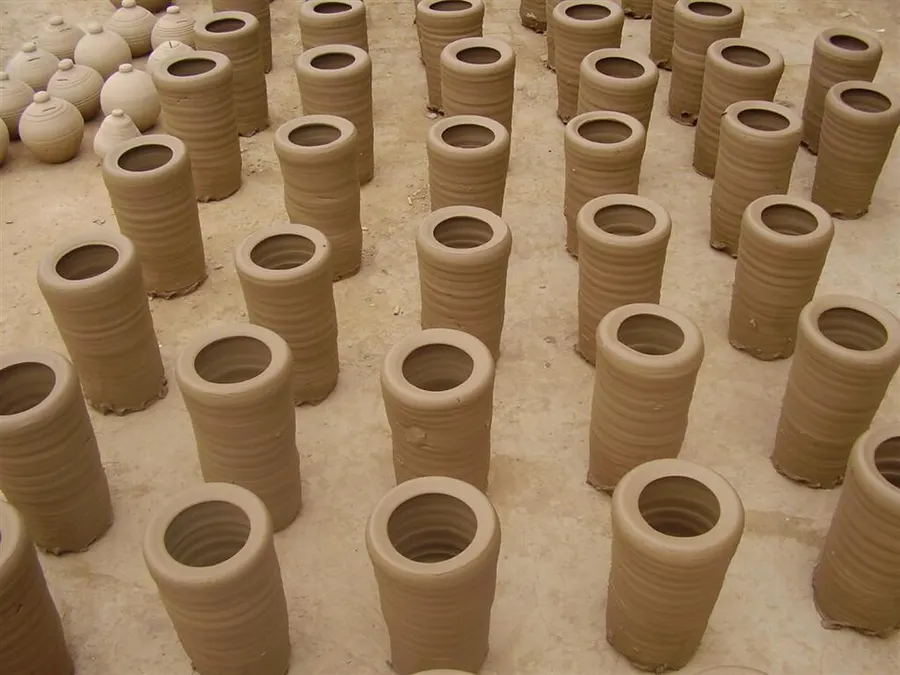
Samples are the single most important risk-control step in a handicraft bulk order, because the look, feel, and finish of a hand-made product can vary widely from one artisan batch to the next. Most exporters separate the cost of making samples from the bulk order, but a portion of sample fees is usually refundable or creditable once a confirmed purchase order is placed. Use the process below to lock in specifications, avoid surprises at production, and protect your margin.
Why sampling is non-negotiable in handicraft sourcing
Handicrafts are rarely identical at scale. Even when the same artisan makes them, natural materials like wood, leather, jute, ceramics, and textiles will vary in tone, grain, and texture. A photograph or even a virtual mock-up cannot capture weave density, paint coverage, weight, or the way a finish catches the light. Sampling is what turns a supplier’s promise into a verifiable, touchable reference — and it is the only reliable basis on which to sign off on tooling, molds, dyes, or embroidery files before full production begins.
The two main types of samples
Pre-production samples (PPS). These are made from the actual materials, tools, and techniques that will be used in the bulk run, including the same dye lot, fabric batch, or kiln firing. They exist to confirm that the product can be reproduced consistently and that the specification is fully understood. For new designs or customized work, a PPS is essential.
Stock or existing-product samples. These are pulled from a supplier’s current catalogue or in-stock items. They are useful when you are buying a design that already exists, with little or no modification. Lead time is shorter, and cost is often lower than a PPS.
For most wholesale relationships you will encounter both. Customizations, new colorways, new sizes, or new trims almost always trigger a PPS.
How sample fees are typically structured
Sample fees in handicraft export usually cover three components: the labor to make the sample, the cost of materials (sometimes including custom dyes or imported components), and the outbound courier charge. They are quoted per sample, not per design, and suppliers commonly charge a small setup fee for each variant (for example, each color or each size of the same design).
A few patterns to expect:
- Existing-product samples are often invoiced at or near the production unit price, sometimes with a small markup.
- Pre-production samples of a new or customized item usually cost more than the bulk unit price, because setup costs are absorbed by a single unit rather than spread across a run.
- Shipping is almost always billed at cost and is rarely refundable, even when the sample fee itself is credited.
Always confirm in writing whether the quoted sample fee is refundable, creditable, or non-refundable, and against what trigger (signed PO, deposit, or shipment).
How sample credits usually work
The most common arrangement is a credit against the bulk invoice, not a cash refund. A supplier might, for example, agree to credit 50 to 100 percent of the pre-production sample fee against the first production order, once a confirmed purchase order and deposit are in place. The credit typically applies only to the base sample cost, not to the courier charge.
A second pattern is a full refund of the sample fee on placement of a minimum order quantity. This is more common with new buyers and is sometimes tied to an exclusivity or distribution agreement.
A third, less common arrangement is a fee that is simply non-refundable but discounted, where the supplier treats sample work as a paid service. This tends to happen with very low-margin items, custom tooling, or requests for many iterations.
Get the credit terms in the same email or message thread that confirms the sample price. Verbal agreements on credits are difficult to enforce once a bulk order is in motion.
What to inspect on the sample
Treat every sample like a small audit. Build a checklist based on your product spec and walk through it before signing off.
- Materials: confirm fiber content, wood species, leather grade, clay body, or metal alloy against the spec sheet.
- Dimensions: measure at least two units against the tolerance stated in the spec; flag any deviation.
- Color and finish: compare under daylight and under the lighting conditions your end customer will see; check for color shift between dye lots.
- Construction: joints, stitching density, knot work, weave count, glaze coverage, and edge finishing.
- Function: zippers, hinges, drawstrings, lighting, electronics, closures, and weight-bearing points.
- Branding and packaging: logo placement, hangtags, barcodes, poly bags, and inner cartons.
- Compliance inputs: presence of required markings, care labels, and country-of-origin labeling. Verify the exact current rules for your destination market with the relevant official authority (for example, the U.S. Consumer Product Safety Commission, the EU’s market surveillance authorities under the General Product Safety Regulation, or the equivalent body in your importing country), since labeling and safety requirements are updated regularly.
Photograph the approved sample against a neutral background with a ruler or color card, label it with the supplier code, revision number, and date, and keep it as your reference standard for incoming inspection.
Communication and timing tips
Lock the specification in writing before sampling, not after. Share a tech pack with measurements, materials, Pantone or RAL references, finish notes, and tolerance bands, and ask the supplier to countersign it. Agree on a sample lead time in calendar days, not vague “soon” language, and set a single point of contact on each side. Limit revisions to a defined number — two is common — because each iteration costs time and material.
Worked example
You are sourcing 5,000 hand-block-printed cotton tote bags in two colors from an Indian exporter. The supplier quotes a pre-production sample fee of $35 per color ($70 total) plus $45 DHL courier. The offer states that 100 percent of the sample fee is creditable against the invoice once a confirmed PO and 30 percent deposit are received; courier is not creditable.
You approve one of two PPS rounds and proceed. Your bulk order at $4.20 per bag totals $21,000. On the first production invoice, $70 is deducted as a sample credit, and you pay the $45 courier separately. Net effect: $115 spent on sampling to de-risk a $21,000 order.
Bottom line
Sampling is a small, controllable cost that protects a much larger commitment, and the credit terms are worth negotiating in writing before the first sample is made. Treat the approved sample as a binding reference standard, document it thoroughly, and only place the bulk order once materials, finish, dimensions, and compliance inputs all match your spec. With clear terms and a tight inspection routine, samples pay for themselves many times over in avoided rework and rejected shipments.
FAQ
What types of samples should I request before placing a bulk handicraft order?+
Professional importers typically request a pre-production sample (sometimes called a golden or counter sample) that represents the exact materials, colors, dimensions, and finishing of the intended bulk run. For established designs, you may also ask for a reference sample pulled from a prior production batch to confirm consistency. A pre-shipment sample taken from the actual bulk run is also recommended for final approval before dispatch.
How are sample fees typically structured for handmade goods?+
Sample fees usually cover materials, the labor hours required to hand-make a one-off item, and sometimes courier costs—handicrafts are labor-intensive, so fees tend to be higher than for mass-produced goods. Fees are generally quoted separately from the bulk unit price and are non-refundable once the sample is approved, since the workshop has already absorbed setup and production time. Always request a written breakdown so you know exactly what you are paying for.
Can sample fees be credited against my bulk order?+
Most suppliers will apply the sample fee as a credit toward your bulk order if the sample is approved and production goes ahead, though this is usually conditional on meeting a minimum order quantity. The credit is typically deducted from the unit price rather than refunded in cash, and the arrangement should be confirmed in writing on the pro forma invoice before you pay. Policies vary by workshop, so clarify terms upfront—some smaller artisans cannot offer credit at all.
Ready to source?
Give GreenFlip your buying brief, budget and deadline. We turn it into an evidence-backed sourcing decision and an executable order.
Start a sourcing brief →