Handicraft Sourcing Trends 2025: What Bulk Buyers Are Asking
A look at handicraft sourcing trends for 2025: sustainability, nearshoring vs Asia, AI-assisted sourcing, and rising craft categories
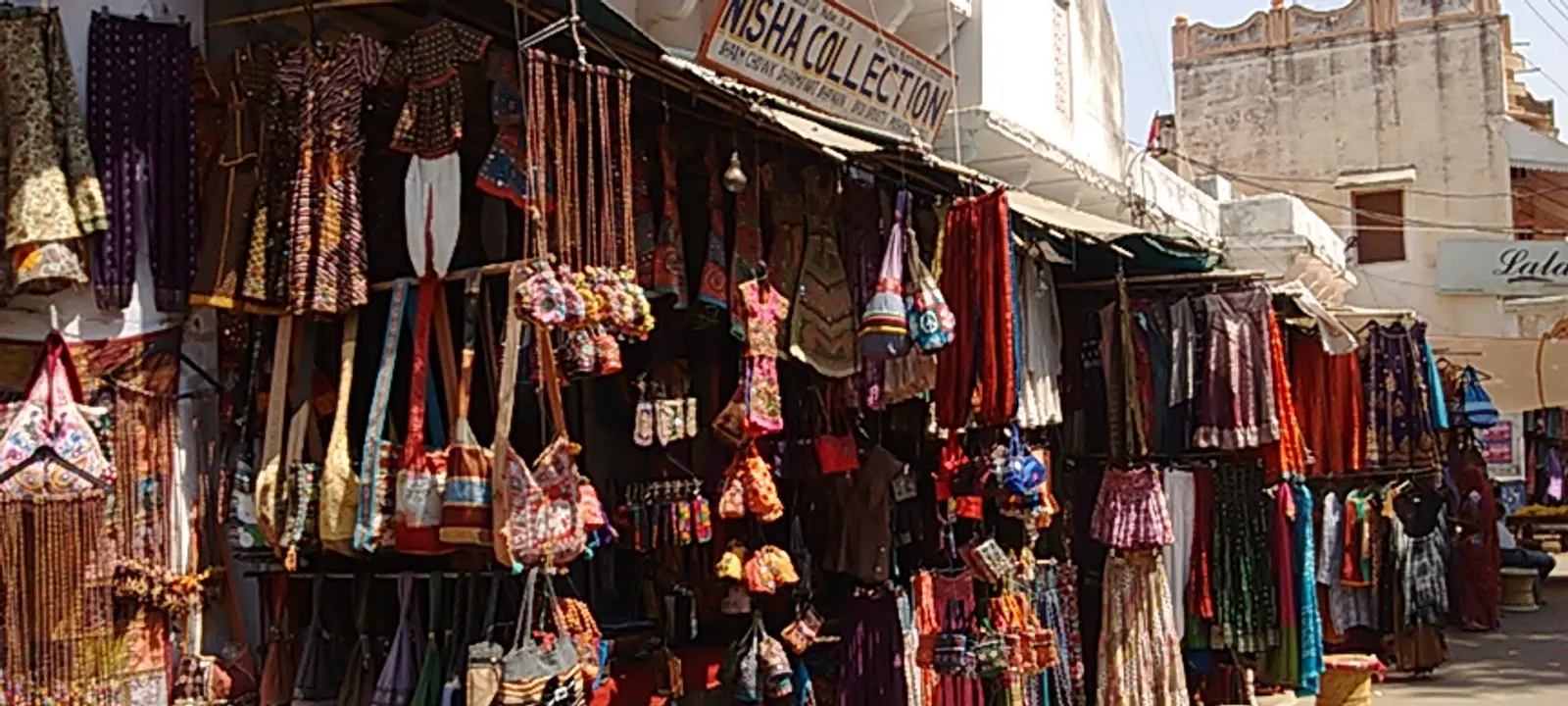
The 2025 handicraft sourcing landscape is being reshaped by four intersecting forces: buyer demand for verifiable sustainability, a quiet but real shift in supplier geography, the rise of AI-assisted sourcing tools, and the emergence of new high-growth craft categories. Bulk buyers who plan around these trends early — rather than reacting mid-season — are reporting better margins, fewer quality issues, and stronger stories to tell retail customers.
Sustainability moves from marketing claim to procurement spec
In 2025, sustainability is no longer a nice-to-have line on a sell sheet. Major retail buyers and large e-commerce platforms are now asking for documentation — not just a “natural materials” claim. Practical asks include:
- Traceability for raw materials (cotton, jute, rattan, wool, leather, recycled metals)
- Evidence of fair labor practices, often via third-party audits
- Packaging that meets the importing country’s recycling or single-use-plastic rules
- Carbon-footprint disclosure for shipments, even at an approximate scope-3 level
For a bulk buyer, the practical shift is to treat sustainability as part of the spec sheet, not the sales pitch. That means requesting documents at the RFQ stage, building a “sustainability dossier” per supplier, and pricing in the cost of audits.
A short vetting checklist for any sustainable claim:
- Ask which raw material is being claimed and where it originates
- Request the certificate number and the issuing body
- Verify the certificate is current and matches the production facility
- Ask whether the claim applies to a specific product line or the whole factory
- Confirm the audit cadence (annual, surprise, third-party, or self-reported)
Regulatory note on green claims: rules around “eco,” “natural,” and “biodegradable” labeling are tightening in the EU (through the Empowering Consumers for the Green Transition directive) and in the US (through updates to the FTC Green Guides). Always verify the current text of these rules with the European Commission and the US Federal Trade Commission before printing claims on retail packaging or marketing copy.
Nearshoring versus Asia: it’s not a swap, it’s a split
The common headline is that buyers are moving out of Asia. The reality on the ground is more nuanced. What we are seeing:
- Latin America, North Africa, Eastern Europe, and South Asia are gaining share for categories where lead time, freight cost, and tariff exposure matter more than unit price.
- Asia — particularly India, Vietnam, Indonesia, and the Philippines — remains dominant in categories that require deep skill clusters (hand-block printing, brass work, fine rattan weaving, mother-of-pearl inlay).
- Many buyers are deliberately running a “twin sourcing” model: keeping an Asia supplier for the bulk of seasonal volume, while developing a nearer source for fast replenishment, exclusive drops, and tariff-sensitive SKUs.
Practical implications for a 2025 sourcing plan:
- Map each product to a reason for its origin: skill, cost, speed, tariff, or storytelling.
- Treat nearshoring as a hedge, not a replacement. Expect higher unit costs and lower minimums.
- For tariff-sensitive categories, model landed cost under multiple trade-agreement scenarios rather than relying on a single current rate.
- Pilot before you pivot. A 6–12 month side-by-side test on a small SKU set is now standard practice.
AI-assisted sourcing: useful, with eyes open
AI tools are genuinely changing how buyers find, evaluate, and manage handicraft suppliers — but they are not replacing trade-show relationships or in-person QC. The most useful 2025 applications are:
- Supplier discovery across B2B platforms, with filters for craft type, capacity, and certifications
- Image-based QC: comparing a reference sample photo against production-run photos to flag color or finish drift
- Spec and translation support: turning a buyer’s brief into a factory-ready spec sheet in the supplier’s language
- Trend scanning across social platforms to identify emerging motifs, color palettes, and materials
What AI is not good at (yet):
- Judging hand-finish quality on tactile materials like wood, leather, or textiles — you still need hands-on inspection.
- Detecting structural shortcuts inside a product (for example, a hollow core hidden under a painted finish).
- Verifying labor or environmental claims without documentary evidence.
A sensible policy: use AI to widen the funnel and speed up documentation, but keep a human in the loop for first samples, first production runs, and any supplier you have not visited.
Rising craft categories to watch in 2025
Categories drawing the most buyer interest this year, based on inquiry volume and trade-show activity:
- Recycled and upcycled textiles: patchwork dhurries, bagasse tableware, repurposed denim
- Natural-dye home goods: indigo, madder, walnut — appealing for low-impact storytelling
- Ceramic and stoneware tableware with visible hand-finish
- Macramé, tufted, and knotted wall art and lighting
- Brass and recycled-metal decor, often paired with stone or wood
- Basketry in less common fibers: water hyacinth, sisal, seagrass, palm
- Children’s toys and nursery decor made from FSC-certified wood or organic cotton
For any of these, the same rules apply: confirm craft origin, verify material claims, and request a hand-finish tolerance range before sampling.
Bottom line
The 2025 buyer is sourcing smarter, not just differently: sustainability is now a spec, not a slogan; geography is a portfolio decision, not a binary; AI is a tool in the toolkit, not a substitute for QC; and the strongest growth is in crafts with a clear material story. Bulk buyers who build sourcing plans around all four of these shifts — rather than chasing any single trend — will be in the strongest position heading into 2026.
FAQ
How can importers verify sustainability claims when sourcing handicrafts in bulk?+
Request documentation such as FSC certification for wood, GOTS for natural fibers, and traceable supply chain records. Third-party audits and supplier visits remain the most reliable way to confirm eco-friendly practices across large orders.
When does nearshoring handicraft production make more sense than sourcing from Asia?+
Nearshoring tends to win on lead times, lower shipping costs, and easier quality control for smaller, faster-turn orders. Asia still typically offers advantages in cost, scale, and deep craft specialization for high-volume categories like ceramics, rattan, and textiles.
What is AI-assisted sourcing and how is it changing handicraft procurement?+
AI-assisted sourcing uses machine learning to match buyer specifications with supplier catalogs, predict pricing trends, and flag potential supply chain risks. For handicrafts specifically, it helps identify emerging artisan clusters and verify product authenticity, though human evaluation of craftsmanship quality remains essential.
Ready to source?
Submit one RFQ and we route it to matched suppliers across 12 origins.
Request a bulk quote →