Sourcing Guide: Handicrafts from China
A sourcing guide to China's craft heritage for bulk buyers: Jingdezhen porcelain, Suzhou silk and embroidery, cloisonné, jade carving, and lacquerware
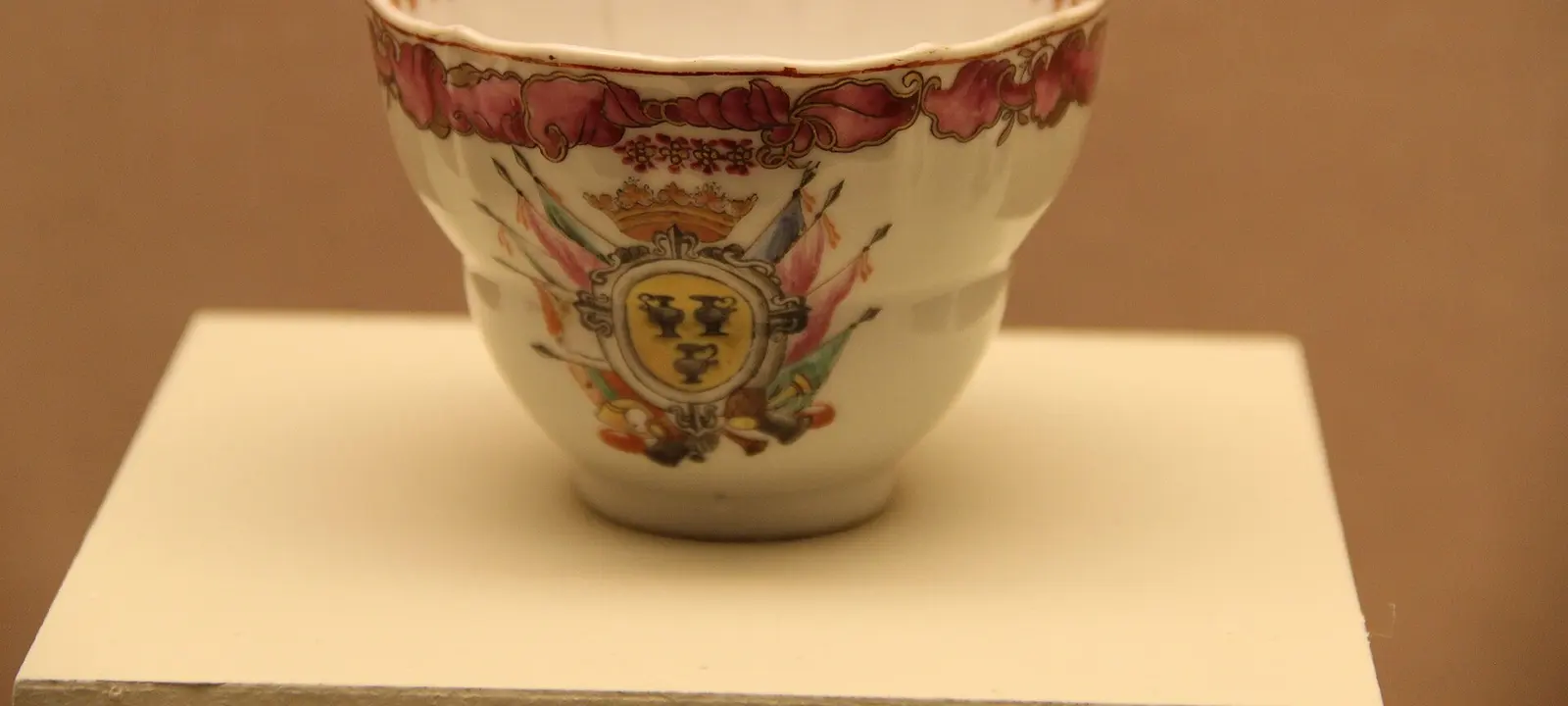
China remains the world’s most concentrated source for traditional handicrafts, with five categories — porcelain, silk and embroidery, cloisonné, jade, and lacquerware — anchoring centuries-old craft clusters that can absorb genuine wholesale volumes. The key to profitable sourcing is matching each craft to its authentic production hub, then building quality control around material authenticity and artisan-grade finishing rather than showroom appearance. Work directly with licensed manufacturers in those clusters, document material origin, and verify all import and labeling rules with your customs authority before the first PO lands.
Where each craft actually comes from
China’s craft geography is not interchangeable. Quality, price, and authenticity all change when you move sourcing away from the historical cluster. Before you brief a supplier, lock in the region that owns the craft:
- Jingdezhen (Jiangxi) — porcelain, especially “eggshell” and famille-rose styles
- Suzhou (Jiangsu) — silk weaving and Su embroidery (Su xiu)
- Beijing — cloisonné (jingtailan)
- Shanghai and Guangzhou — jade carving and jewelry-grade jade work
- Fuzhou and Pingyao — lacquerware, including carved and “bodiless” styles
A supplier in the right cluster will have direct access to master artisans, raw material pipelines, and the kind of generational technique that shows up in the finished piece.
Jingdezhen porcelain
Jingdezhen has produced imperial porcelain for over a thousand years and remains the only serious source for collectors and hospitality-grade dinnerware. When sourcing, focus on three things:
- Clay body — true Jingdezhen pieces use local kaolin, fired at high temperatures for translucency. Cheap substitutes feel heavier, sound duller, and chip differently.
- Glaze and decoration — hand-painted famille-rose, blue-and-white, and doucai work is identifiable by visible brush variation; machine-decorated ware looks uniform under raking light.
- Kiln marks and artist signatures — ask for the artist’s name, kiln, and firing date; serious workshops provide these as standard.
For hotel, restaurant, and tableware buyers, ask the factory to provide a thermal-shock and dishwasher-durability sample set before committing.
Suzhou silk and embroidery
Suzhou silk refers to both the woven fabric (mulberry silk, often 19-momme and above for premium goods) and Su embroidery, a UNESCO-listed craft known for fine split-thread work and double-sided pieces. For bulk orders:
- Specify momme weight, thread count, and whether silk is 100% mulberry or a blend
- For embroidery, ask for threads per square centimeter and whether work is fully hand-done, partially machine-assisted, or machine-only — pricing varies by an order of magnitude
- Request close-up photos of the back of embroidery panels to assess stitch density
- Have the supplier state the silk’s country of origin and any finishing treatments, since this affects import classification and labeling
Cloisonné (jingtailan)
Authentic Beijing cloisonné is built from copper body, silver-wire cloisons, and mineral enamel pastes, then fired and polished in multiple passes. Industrial imitations use brass and printed color. When you sample:
- Inspect the bottom for an engraved artist mark and workshop stamp
- Check the rim and base for enamel pooling or chips — these are the first signs of rushed work
- Ask whether enamels are lead-free and whether the piece is food-safe if intended for tableware
For premium lines, insist on full-handwork pricing. Production lead times of 8–14 weeks per stage are normal; a factory that promises the same piece in two weeks is almost certainly substituting a shortcut.
Jade carving
Jade is the single most misrepresented category in the trade, so verification matters more than anywhere else. Buyers should:
- Insist on material disclosure: nephrite (often Hetian/Xinjiang) versus jadeite (mostly Myanmar, traded through southern China), and avoid vague terms like “green jade”
- Require gemological certificates from a recognized Chinese lab (NGTC, for example) and consider independent verification at the destination port
- Confirm whether pricing is by piece, by carat, or by raw-block weight
- Be cautious with “antique” or “imperial” claims — undocumented age claims should be treated as a red flag
Lacquerware
Chinese lacquerware is layered, not painted: dozens of coats of natural lacquer (raw or refined) built up over a wood or fabric body, then carved or inlaid. Fuzhou is the historic center for carved lacquer; Pingyao is known for push-and-pull (tuiqi) techniques. For sourcing:
- Specify whether you want natural lacquer (urushi), synthetic lacquer, or a hybrid
- Ask how many coats and how many polishing cycles the piece goes through — this is what determines depth and durability
- For carved pieces, request macro photos of the carving edge to confirm crispness and layering
- Lacquer is sensitive to climate during shipping; ask the supplier about humidity-controlled packaging and avoid sealed plastic in hot transit
Quality control and verification checklist
Use this as a pre-shipment standard on every order:
- Material certificates (kaolin origin, mulberry silk momme, nephrite vs. jadeite, urushi vs. synthetic)
- Artist or workshop attribution, with photos of the maker where possible
- Reference sample retained by the factory, signed off before production run
- AQL inspection on the finished lot, with a separate “grade-out” bag for seconds
- Drop-test, thermal-shock, or wash-test results appropriate to the product
- Photos of the actual lot, not the showroom sample
Logistics, regulations, and import considerations
Antique and culturally protected items are subject to export controls in China, so draw a clear line in your PO between new production (fine) and “antique” or “imperial” claims (not fine for re-export without permits). On the import side, expect duties to vary by fiber content, metal type, and whether goods are classified as decorative, tableware, or jewelry — verify the current HS codes and duty rates with your national customs authority before quoting landed cost. For US importers, confirm current requirements with U.S. Customs and Border Protection; for labeling such as country of origin, fiber content, and lead or cadmium limits, verify the applicable rules with the FTC and the CPSC respectively. Lead and cadmium migration limits apply to jewelry and items for children in most major markets — confirm the current thresholds with the relevant authority in your destination country rather than relying on supplier self-declaration.
Plan for 30–60 days of production plus 25–40 days of sea transit on most handicraft orders, and budget buffer time for handwork finishing and rework.
Bottom line
The five craft categories here are well established, but they reward buyers who source from the correct regional cluster and verify material authenticity at the sample stage. Build your supplier shortlist around Jingdezhen, Suzhou, Beijing, and Fuzhou workshops with verifiable artisan attribution, then lock in a clear specification and a third-party QC pass before any production run. The orders that go wrong are almost always the ones where price was negotiated before material origin was confirmed.
FAQ
What are typical minimum order quantities (MOQs) and bulk pricing structures for Jingdezhen porcelain, and how do they vary by piece complexity (e.g., tableware vs. hand-painted decorative vases)?+
MOQs and pricing tiers generally differ by craftsmanship complexity, with simpler tableware (plates, bowls, mugs) often having lower entry thresholds than intricately hand-painted vases or custom-form pieces. Suppliers in Jingdezhen typically offer volume-based discounts and may negotiate lower MOQs for repeat buyers or mixed-collection orders. Exact figures depend on glaze type, decoration density, firing method, and packaging specifications.
How can bulk buyers verify the authenticity and quality of materials—especially jade, Suzhou silk, and cloisonné—before shipment, and what documentation should suppliers provide?+
Reputable suppliers should furnish material certificates such as gemological reports for jade, fiber composition tests for silk, and metal/copper content documentation for cloisonné. Engaging third-party inspection agencies (e.g., SGS, Bureau Veritas, TÜV) for pre-shipment checks is standard practice for high-value orders. For added assurance, buyers are encouraged to audit workshops in origin clusters—Suzhou for embroidery, Jingdezhen for porcelain, and Beijing or Hebei for cloisonné.
What customization options (OEM/private label) are available for Suzhou silk embroidery and traditional lacquerware, and what production lead times should we plan for?+
Both crafts support extensive bespoke work, including custom patterns, color palettes, dimensions, and branded packaging, though highly detailed Su embroidery and multi-layer lacquerware require substantial production time due to their hand-intensive nature. Lacquerware in particular involves repeated base coating, drying, and polishing cycles that cannot be rushed. Buyers should plan for lead times ranging from several weeks to multiple months depending on order size, craftsmanship complexity, and seasonal workshop capacity.
Ready to source?
Give GreenFlip your buying brief, budget and deadline. We turn it into an evidence-backed sourcing decision and an executable order.
Start a sourcing brief →