Sourcing Guide: Handicrafts from Egypt
A sourcing guide to Egypt's crafts: alabaster carving, khayamiya appliqué, hand-blown glass, papyrus, and mother-of-pearl inlay
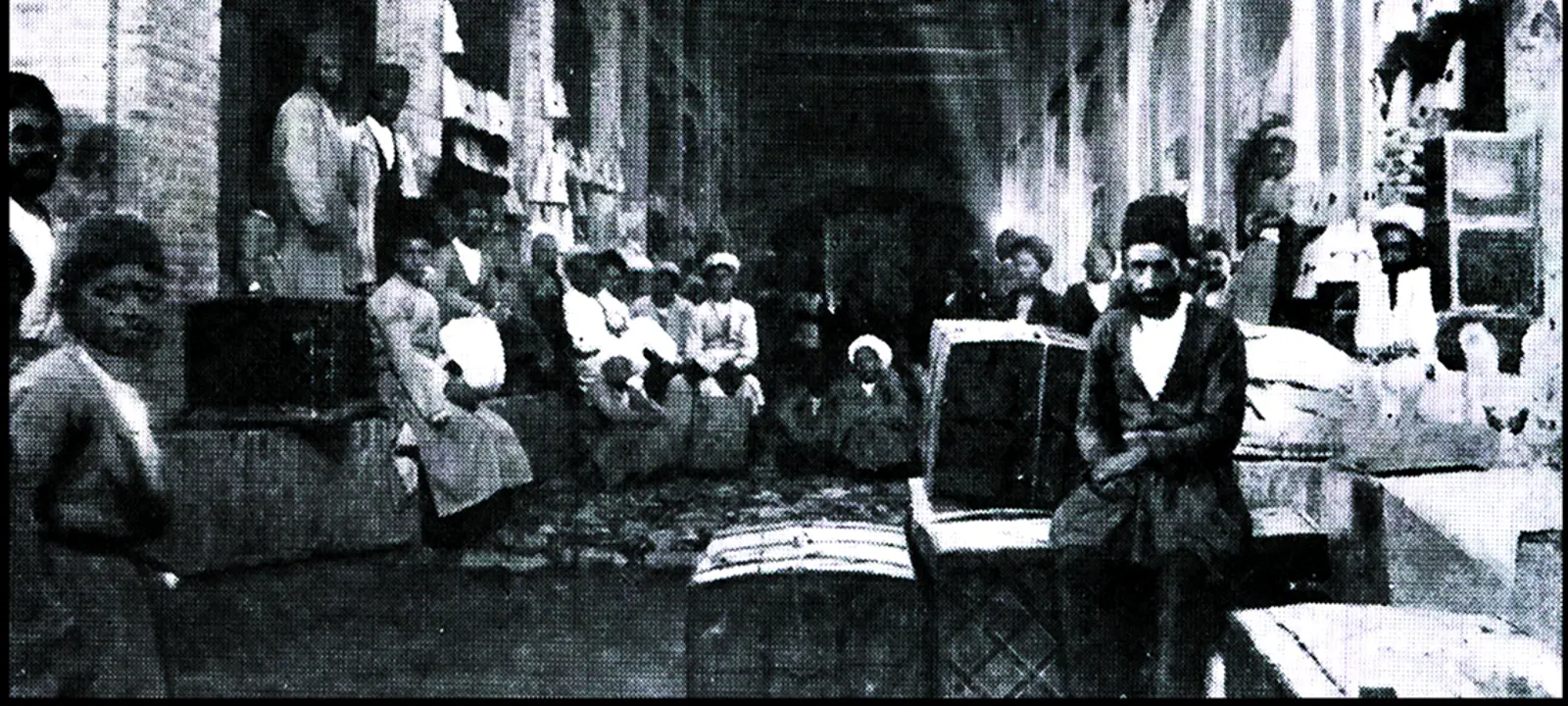
Egypt supplies five handicraft categories that hold up well in international wholesale: alabaster carving (mainly Luxor), khayamiya appliqué (Cairo), hand-blown glass, papyrus, and mother-of-pearl inlay. Buy direct from workshops or through licensed export agents in Cairo and Luxor, plan for an 8–12 week production cycle, and budget 5–10% of order value for third-party pre-shipment inspection. Always verify export licensing, the CITES status of shell products, and the import rules in your destination country before placing the order.
Where Egyptian crafts are made
Three hubs anchor most wholesale sourcing:
- Cairo — khayamiya, hand-blown glass, mother-of-pearl inlay, and almost all export agents and consolidators
- Luxor — alabaster and papyrus
- Old Cairo and the Citadel district — historical glass workshops
Khan el-Khalili is the most visible retail cluster, but wholesale buyers should bypass it and work with workshop owners, factory-floor operations, or licensed export houses in the surrounding districts.
Alabaster Carving
Most “Egyptian alabaster” is calcite (calcium carbonate), not the gypsum mineral many buyers expect. The genuine article shows visible banding, holds a warm translucency when backlit, and is heavier than resin imitations. Reconstituted “alabasterite” (resin-bound stone or pure resin cast) is common in lower-end ranges and sells for a fraction of the price.
- Typical products: lamps, obelisks, vases, jewelry boxes, animal figurines, chess sets.
- MOQ: 20–50 units per design, negotiable.
- QC pointers: lift each piece to check for hidden cracks; run a fingernail along joints; reject items with cloudy resin patches, mismatched seams, or sharp chemical odor. Demand a pre-production sample carved from the same block you intend to buy.
Khayamiya (Tentmaker Appliqué)
Khayamiya is geometric, hand-stitched cotton (sometimes silk) appliqué, made almost entirely on Sharia Khayamiya — Cairo’s “Street of the Tentmakers” — where the craft has been practiced since the Mamluk period. The tradition was inscribed on UNESCO’s Representative List of the Intangible Cultural Heritage of Humanity.
- Typical products: cushion covers, wall panels, lampshades, bedspreads, table runners, friezes.
- MOQ: low — many workshops will run 10–20 units of a custom design.
- QC pointers: check for even stitch density with no skipped threads, consistent color saturation, and finished (not raw) seam edges. Specify thread content (Egyptian cotton) and request a dyeing fastness report for the colorways you order.
Hand-Blown Glass
Egyptian blown glass is largely produced in small family workshops in Old Cairo, often using recycled cullet for color. Output includes lanterns, tea sets, perfume bottles, oil lamps, and decorative vessels in vivid blues, ambers, and greens.
- MOQ: 30–100 units per design.
- QC pointers: hold pieces to a strong light to check wall thickness and bubbles — small bubbles are normal, large voids or asymmetric rims are not. Lanterns should have a removable metal top and a working hinge. Specify hand-painted or plain finish in writing.
Papyrus
Real papyrus is made from the pith of Cyperus papyrus, a wetland reed. The genuine product shows a natural cross-hatched fiber pattern under raking light. The biggest risk in this category is banana-leaf or banana-stem “papyrus,” which is printed with hieroglyphic borders and sold widely to uninformed buyers.
- Typical products: blank sheets, painted scenes, scrolls with end caps, bookmarks, framed pieces.
- MOQ: 50–100 sheets typical.
- QC pointers: always request a fiber test from the supplier; genuine papyrus is thick, slightly stiff, and does not flake. Insist on long-fiber sheets, not laminated short-fiber pulp, for the premium range. Papyrus is hygroscopic — plan moisture protection in transit and storage.
Mother-of-Pearl Inlay
Inlaid mother-of-pearl (sometimes called tarboosha work) is set into dark hardwood — typically beech, mahogany, or MDF in lower-priced lines. Common products include jewelry boxes, backgammon and chess sets, picture frames, and occasional tables.
- MOQ: 50–100 pieces for stock designs; custom inlay work starts at 200+ units.
- QC pointers: run a fingernail across each inlay cell to check for lifting; reject pieces with visible glue residue or chips at corners; confirm whether the substrate is solid hardwood or engineered wood, as this materially affects unit price and durability.
Sourcing Workflow Checklist
- Identify two to three suppliers per category and request a company profile, workshop photos, and prior export references.
- Order pre-production samples (paid, refundable against bulk order).
- Lock a written specification: dimensions, materials, finish, packaging, and tolerances.
- Sign a proforma invoice; agree on payment terms (30% deposit / 70% against copy of B/L is standard).
- Book third-party pre-shipment inspection at 5–10% of order value.
- Confirm export documentation and shipping marks with your forwarder before production finishes.
Pricing, MOQs, and Payment
Most Egyptian exporters will quote in USD and accept:
- FOB Alexandria, Damietta, or Port Said (Mediterranean), or Sokhna via the Red Sea
- EXW for buyers running their own consolidation
- T/T is the norm; L/C is common for first orders; small orders can go through credit card with an agent
- Currency: USD is widely accepted and protects both sides from EGP volatility
Logistics and Lead Times
- Sample development: 2–3 weeks
- Bulk production: 4–8 weeks depending on category and quantity
- Sea freight from Egyptian ports: roughly 18–30 days to most EU ports and 22–35 days to the US East Coast
- Air freight is viable for papyrus, small glass items, and rush reorders
Regulatory and Compliance Notes
- Egypt’s Ministry of Tourism and Antiquities restricts export of antiquities and items over 100 years old. Recent production is generally exportable, but licensing requirements change; verify current rules with the Ministry or your licensed customs broker before shipping.
- Mother-of-pearl is derived from mollusk shells, and some shell species are listed under CITES. Confirm the exact species with your supplier and check with your country’s CITES authority (in the US, the U.S. Fish and Wildlife Service) before importing.
- EU buyers should check REACH compliance for textile dyes on khayamiya and any finishes on wood inlay products.
- US imports require country-of-origin marking on the retail packaging; Canada and Australia have similar rules with their own specifics.
- No blanket fumigation or special certificate is required for stone, wood, or paper goods, but always confirm with the destination customs authority.
Bottom line
Egyptian handicrafts are workable for bulk buyers who are willing to verify suppliers, order samples, and budget for inspection. Anchor your sourcing in Cairo and Luxor, separate genuine papyrus and solid alabaster from their imitations, and treat mother-of-pearl as a CITES-sensitive category. Build two-source redundancy in each craft and you will have a defensible supply line at competitive unit economics.
FAQ
How can I verify the authenticity of Egyptian alabaster and papyrus when sourcing from suppliers?+
Genuine alabaster is translucent at the edges, has natural veining, and feels cool to the touch, while counterfeits are typically resin or reconstituted stone. Authentic papyrus is woven from the Cyperus papyrus reed and feels fibrous, whereas most mass-market 'papyrus' sold in tourist areas is printed banana leaf or rice paper. Reputable workshops in Luxor and Cairo can usually provide material origin details on request.
What should I expect regarding minimum order quantities and lead times for khayamiya and mother-of-pearl inlay products?+
Both crafts are produced in small workshops, with khayamiya (concentrated in Cairo's Khan el-Khalili district) often available in small minimums for cushions, wall hangings, and tent panels. Mother-of-pearl inlay on wood generally requires longer lead times and higher minimums because each piece is inlaid by hand, often in Damietta or Old Cairo workshops.
Are there export regulations or documentation requirements I need to follow when shipping Egyptian handicrafts?+
Modern handicrafts can be exported freely with a commercial invoice, packing list, and certificate of origin, but items resembling antiquities are subject to inspection by Egyptian authorities and cannot exceed 100 years of age without a special antiquities permit. CITES documentation is also required for any products containing protected shells, hardwoods, or animal-derived materials, and importers should confirm their supplier handles this paperwork.
Ready to source?
Give GreenFlip your buying brief, budget and deadline. We turn it into an evidence-backed sourcing decision and an executable order.
Start a sourcing brief →