Sourcing Guide: Handicrafts from India
India's craft clusters for bulk buyers: brass in Moradabad, marble inlay in Agra, Dhokra in Bastar, Pashmina in Kashmir, handloom in Varanasi and more.
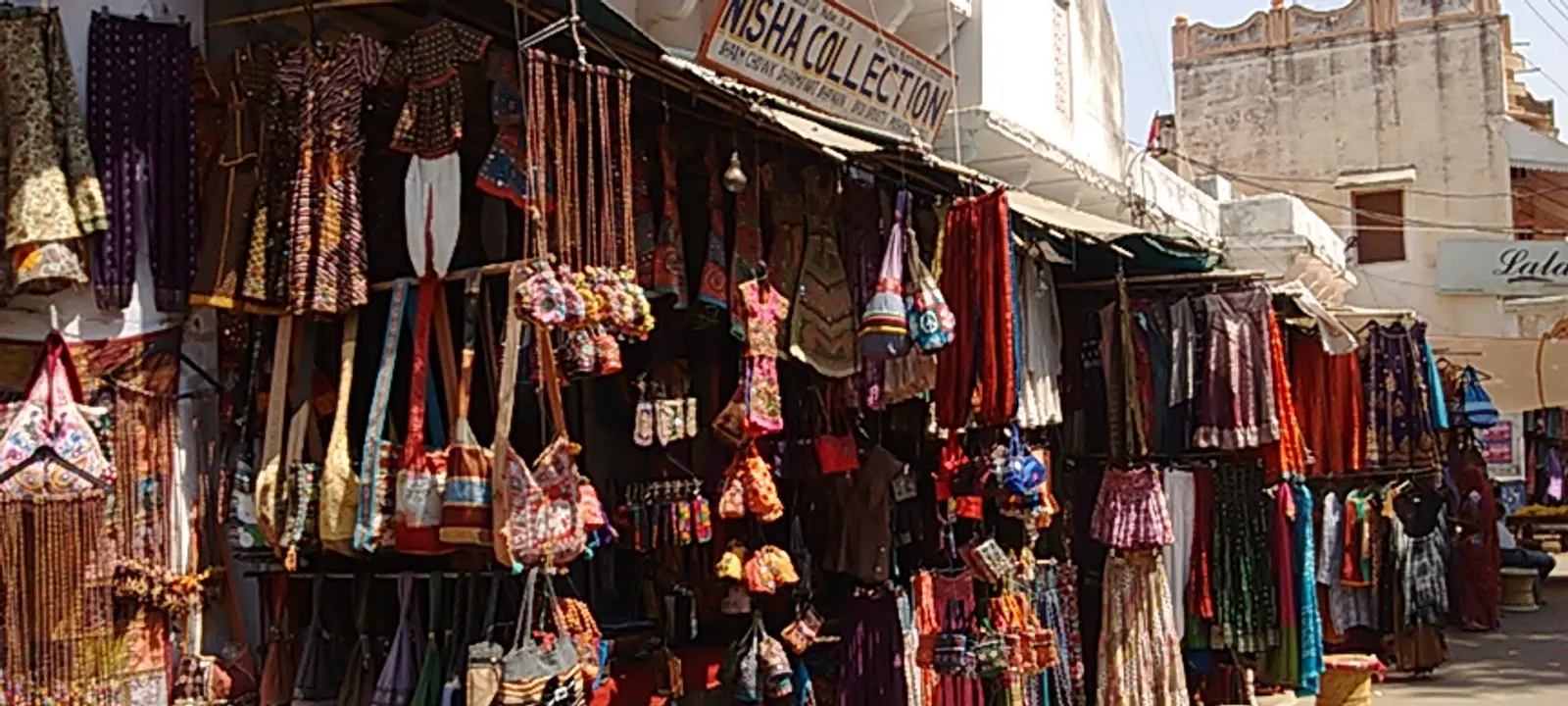
India’s handicraft sector is organized into geographic clusters where generations of artisans specialize in one craft, which makes bulk sourcing both efficient and risky: efficient because supply is concentrated, risky because quality, materials, and compliance vary widely between workshops. The clusters that matter most for international buyers are Moradabad (brass), Agra (marble inlay), Bastar (Dhokra metal casting), Kashmir (Pashmina), and Varanasi (textiles). This guide walks through how to evaluate, source, and ship from each, and what to put in place before scaling.
What “sourcing from India” actually involves
Indian craft exports typically flow through three layers: a small artisan or family workshop, a larger semi-finished producer, and an export house or buying agent that handles finishing, packaging, documentation, and freight. For a first-time bulk buyer, working with a credible export house or sourcing agent is usually the lowest-risk entry point, because they consolidate orders, manage sampling, and hold responsibility for export paperwork. Direct artisan relationships work better at scale, after you already have a reliable local partner to manage QC and dispatch.
Expect to negotiate on:
- MOQ — Moradabad brass exporters often start at 50–100 pieces per SKU; Varanasi weavers usually work in lots of 50–200 meters or 50+ saris; Pashmina shawls are commonly quoted by the dozen.
- Pricing — quoted in USD or EUR, FOB or CIF depending on Incoterms.
- Lead time — 30–90 days for most crafts, longer for hand-blocked textiles and one-off marble pieces.
- Payment — typical terms are 30% T/T advance, 70% against copy of B/L, though established buyers can negotiate L/C at sight.
The main craft clusters at a glance
- Brass and metalware, Moradabad (Uttar Pradesh). Known as the “Brass City,” Moradabad produces everything from traditional thali sets and lanterns to hotel-grade decorative hardware. Look for exporters who can show food-safety or migration test reports for items intended to contact food, and lead-free certification where required by the destination market.
- Marble inlay (Pietra Dura), Agra (Uttar Pradesh). Agra’s marble inlay work is slow and labor-intensive; small chips of semi-precious stone are set into white marble. Lead times are long, breakage rates need to be budgeted for (5–10% is a common allowance), and custom designs require a hand-drawn or digital approved sample before production.
- Dhokra / Bastar metal casting (Chhattisgarh and West Bengal). Dhokra is a lost-wax bronze casting technique, with each piece being a one-off. A registered Geographical Indication (GI) exists for “Bastar Dhokra” — work with cooperatives or producers in the designated GI region if authenticity is part of your value proposition.
- Pashmina, Kashmir. Genuine Pashmina is goat-fiber, hand-spun and hand-woven. GI tagging exists for “Kashmir Pashmina”; ask suppliers for the GI certificate number and chain of custody. Machine-spun or blended “cashmere-Pashmina” products are common and significantly cheaper — be explicit about what you are buying.
- Varanasi textiles (Uttar Pradesh). Banarasi silk, jamdani, and brocade weaving are concentrated here. Handloom production is slow and premium-priced; powerloom versions are available at lower cost. Confirm clearly whether you want handloom (slower, premium) or powerloom (faster, lower margin) before quoting.
Finding and vetting suppliers
Practical channels, in rough order of effort and risk:
- Trade fairs — IHGF (Delhi), India Crafts Summit, and TexStyles India let you see products, compare quality, and meet exporters face-to-face in a few days.
- Export house directories — published by the Export Promotion Council for Handicrafts (EPCH) and the Carpet Export Promotion Council.
- Sourcing agents / buying houses — useful if you cannot travel; agree a clear fee structure and an exclusivity / non-circumvention clause up front.
- Cooperatives and cluster-level bodies — especially relevant for Dhokra and Pashmina, where artisan-owned organizations can offer authentic, traceable supply.
Always run a basic supplier check: company registration, IEC (Import Export Code) from the DGFT, export history, references from past buyers, and a small paid trial order before committing to a full PO.
Quality, samples, and pricing levers
- Order two rounds of samples — a pre-production gold sample and a pre-shipment sample. Both should be approved in writing, ideally with reference photos and a signed QC sheet.
- Build AQL-based inspections into your contract (AQL 2.5 or 4.0 is typical for handicrafts, not 1.0 as in electronics).
- For natural materials (marble, brass, wood, textile), expect variation — color, grain, and weight differences are normal. Document the acceptable range in your spec sheet so disputes are easier to resolve.
- Price negotiation levers: order size, repeat orders, payment terms, and Incoterm. A larger commitment or a forward order book can usually move the price several percentage points.
Logistics, shipping, and Incoterms
Most handicraft exports go by sea in 20’ or 40’ containers, sometimes shared (LCL) for smaller orders. Decide your Incoterm up front:
- FOB Indian port — exporter delivers to and loads the vessel; you control freight, insurance, and onward logistics. Best when you have a freight forwarder you trust.
- CIF your port — exporter handles freight and insurance to your destination port. Easier for first shipments, but the cost is built into the unit price.
- DDP — exporter delivers to your warehouse, including duties. Convenient but expensive; only use with trusted suppliers.
For fragile items (marble inlay, glass), insist on export-worthy wooden crating with foam lining, and confirm ISPM-15 compliance for any wood packing material.
Regulatory and compliance notes
Compliance varies sharply by destination market and product. General principles:
- Restricted materials: certain hardwoods, ivory substitutes, and reptile skins fall under CITES or national wildlife rules — verify with the Wildlife Crime Control Bureau (India) and your destination customs authority before ordering.
- Chemical safety: textiles and metalware may be tested for lead, cadmium, azo dyes, and formaldehyde in destination markets (e.g., US CPSC, EU REACH, California Prop 65). Get test reports from the exporter or arrange independent lab tests.
- Origin and authenticity: GI-tagged crafts (Bastar Dhokra, Kashmir Pashmina, certain Banarasi weaves) require proof of origin — keep certificates on file for customs and resale claims.
Requirements change frequently. Before placing any order, confirm current export rules with the Directorate General of Foreign Trade (DGFT) and import rules with the competent authority in your own country (e.g., US CBP, EU customs, UK HMRC).
A practical pre-order checklist
Use this for any new supplier, anywhere in India:
- Legal entity verified; IEC number confirmed via DGFT
- Two reference buyers contacted
- Gold sample approved in writing, with photos and measurements
- AQL inspection clause included in the PO
- Lead time, payment terms, and Incoterm written into the contract
- Packaging and labeling spec attached (barcode, retail-ready, or bulk)
- Compliance documents requested: test reports, GI certificates, material declarations
- Trial order shipped and inspected before scaling
Bottom line
India offers genuine depth across brass, marble, Dhokra, Pashmina, and textiles — but the craft sector rewards buyers who plan around clusters, lead times, and material variation rather than chasing the lowest unit price. Start at a trade fair or through a vetted export house, lock down a gold sample and an AQL inspection clause, and verify all regulatory and GI claims against the issuing authority before scaling. Done that way, India can be a reliable, long-term sourcing base for premium hand-made goods.
FAQ
How can an importer verify the authenticity of a craft, such as genuine Pashmina from Kashmir or authentic Dhokra from Bastar, before placing a bulk order?+
Request a pre-shipment sample and have it independently tested — for example, Pashmina fiber diameter can be verified through microscopy, and Dhokra's lost-wax casting can be confirmed by examining for seam lines and irregularities characteristic of the technique. Reputed suppliers will also provide GI (Geographical Indication) certification documents where applicable, along with artisan cluster references you can cross-check through state handicraft boards or export promotion councils.
What are typical minimum order quantities and lead times when sourcing directly from Indian craft clusters like Moradabad or Agra?+
MOQs vary by cluster and product: brassware from Moradabad often starts at a few hundred pieces for standardized items, while marble inlay from Agra and Pashmina from Kashmir may require longer negotiations due to the labor-intensive nature of production. Standard lead times range from several weeks for in-stock brassware to multiple months for bespoke Pashmina or custom textile orders, and you should always factor in time for sampling, revisions, and export documentation.
What export documentation and shipping considerations should a first-time importer be aware of when shipping handicrafts from India?+
Indian exporters typically require an IEC (Import Export Code) from the buyer's side and will prepare a commercial invoice, packing list, certificate of origin, and potentially a GI certificate or handicraft authenticity declaration. Air freight suits smaller or higher-value shipments (e.g., Pashmina), while sea freight is more economical for bulk brassware or textiles, and working with a freight forwarder experienced in Indian handicraft exports helps navigate customs and any restrictions on certain raw materials like specific wood species or antique-replica items.
Ready to source?
Give GreenFlip your buying brief, budget and deadline. We turn it into an evidence-backed sourcing decision and an executable order.
Start a sourcing brief →