Sourcing Guide: Handicrafts from Indonesia
A sourcing guide to Indonesia's crafts: batik (Yogyakarta), rattan and bamboo (Bali), ikat, and silver (Kota Gede)
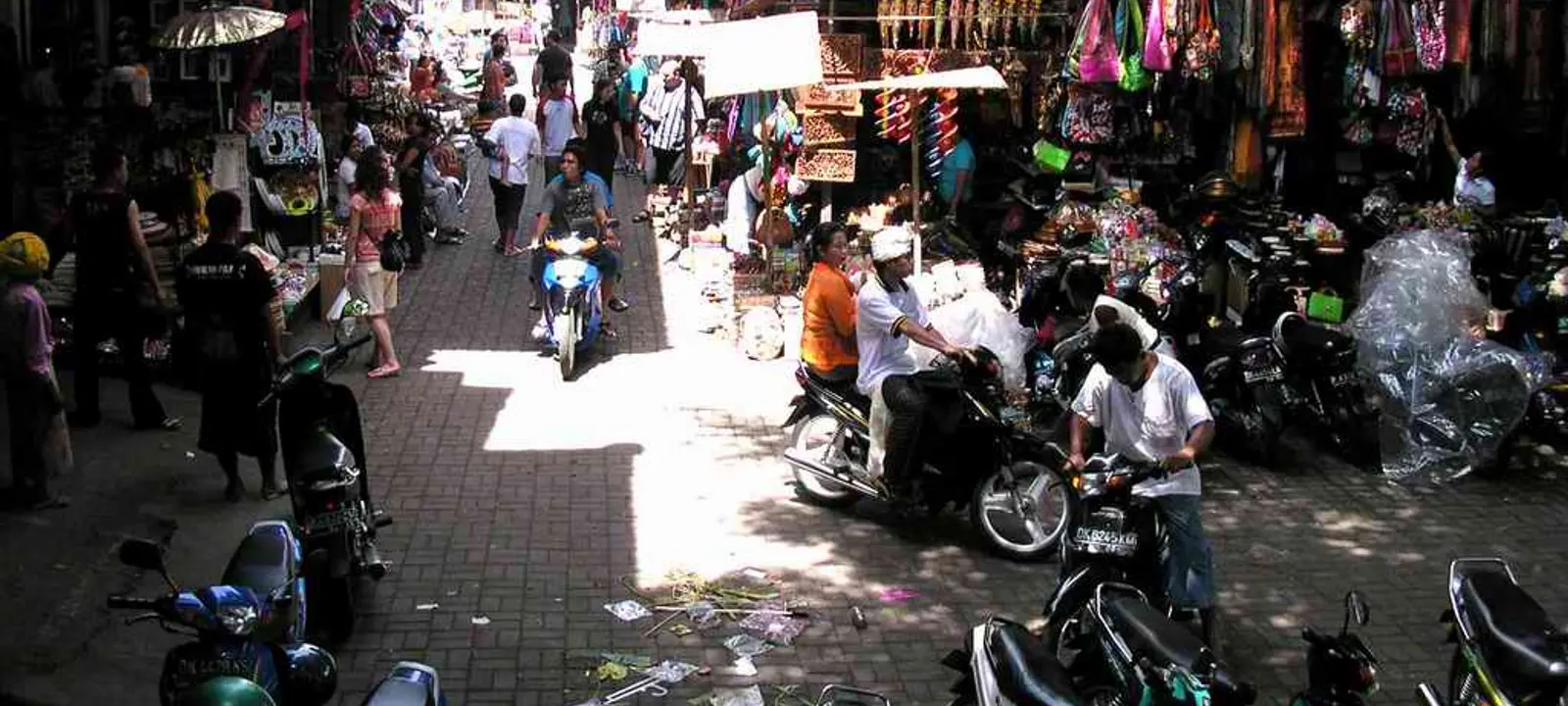
Indonesia is one of the top global origins for handicrafts, organized into four signature clusters with very different production methods and lead times: batik in Yogyakarta, rattan and bamboo in Bali, ikat across the eastern islands, and silver in Kota Gede. Smart bulk sourcing means matching the right craft to a verified supplier, planning realistic production timelines, and clearing both export and species-compliance paperwork before the goods leave port. The sections below walk through each cluster, the supporting logistics, and a worked order example.
Indonesia’s craft clusters at a glance
- Batik – Yogyakarta and Solo (central Java)
- Rattan and bamboo – Bali (Tampaksiring, Ubud, Gianyar), Jepara, and parts of Sumatra
- Ikat – Flores, Sumba, Timor, Lombok, and Bali (locally called endek)
- Silver – Yogyakarta, specifically the silversmith village of Kota Gede
Batik from Yogyakarta
Yogyakarta is the heartland of batik tulis (hand-drawn with a canting tool), batik cap (wax-stamped with a copper block), and batik print (mechanical). Tulis is the most labor-intensive – a single large kain can take one artisan 3–6 months.
Confirm with the supplier:
- Technique: tulis, cap, print, or a combination
- Cloth base: cotton, primissima, silk, or rayon
- Dye system: synthetic, natural, or mixed
- Motif origin: classical court patterns (parang, kawung) versus contemporary
- Registration accuracy for stamped and printed lines
Small batik tulis panels or scarves often start at MOQ 20–50 pieces. Bulk fabric runs typically move in 100–500+ pieces per colorway. Order 10 × 10 cm or A4 swatches before committing.
Rattan and bamboo from Bali
Most workshops sit in Tampaksiring, Ubud, and the wider Gianyar regency. Products range from baskets and planters to large lighting and furniture lines.
Sourcing notes:
- Peel rattan accepts dye evenly and is standard for export furniture; core rattan is heavier and used for structural pieces
- PE (synthetic) rattan is the norm for outdoor furniture and avoids plant-trade paperwork
- Bamboo splits are common for lampshades and screens
- Finish options include water-based matte, semi-gloss, and PU coating – request the SDS
- Natural rattan is humidity-sensitive in ocean transit; confirm wrapping and desiccants
MOQs vary widely: 100–300 units for a small basket line, 50–100 sets for a full furniture container.
Ikat from the eastern islands
Ikat is a resist-dyed yarn technique with strong regional signatures:
- Endek – Bali, fine cotton and silk, geometric and floral motifs
- Prenda – Lombok, bold colors, often used for sarongs
- Flores and Sumba – heavier, hand-spun cotton, with Sumba known for ceremonial cloth
Yarns are dyed, dried, and aligned on the loom before weaving, so lead times are long. Allow 8–16 weeks after sample approval. MOQs are typically modest – 30–100 pieces is workable for an exclusive pattern.
Silver from Kota Gede
Kota Gede has been a silver center since the 17th century. Most workshops are small family operations with 5–30 silversmiths.
What to verify:
- Fineness: 925 sterling is the export norm; some lines use 999 fine silver or 80% alloys
- Hallmarking: confirm whether each piece is stamped and whether the workshop issues a maker’s mark
- Stone setting: specify type and grade for any cabochons or inlay
- Plating: silver-plated base metals appear at the lower price point – if you need solid silver, state it in writing
A jewelry line can start at 50–200 pieces per design. A bespoke collection with custom tooling (dies, molds) will carry a one-time tooling charge and a higher first-run MOQ.
Logistics, lead times, and payment
- Sea freight from Surabaya, Semarang, or Jakarta is the default; allow 25–40 days to most US/EU ports plus 7–14 days for inland transit and clearance
- Sample shipments move by air, typically 3–7 days door-to-door
- Standard payment: 30% deposit on order confirmation, 70% against B/L copy. Expect 100% T/T in advance on the first order
- Most exporters quote in USD; some smaller workshops prefer IDR
Quality control checklist
Run this on every first production run and on a sample basis thereafter:
- Technique matches spec (tulis vs cap vs print; hand-woven vs machine)
- Motif and colorway match the approved sample within agreed tolerance
- Dimensions and weight within ±2–3% of spec
- Hardware and finishing (zippers, clasps, lacquer) intact
- Pieces individually wrapped to prevent mold, tarnish, and breakage
- Marking and labeling correct (fiber content, country of origin, care instructions, silver hallmark)
- Photographic inspection report issued before container loading
Compliance and documentation
For export from Indonesia, expect your supplier to handle the commercial invoice, packing list, and bill of lading. Larger producers will already hold a valid exporter identification issued under the Indonesian Ministry of Trade’s licensing framework. Confirm your supplier’s status and verify current export-licensing requirements with the Ministry of Trade (Kemendag), as categories and applicable rules can change.
Because rattan and certain bamboo species are subject to international plant-trade controls, request documentation of species and origin. For any wild-harvested material, confirm CITES status and check with both KLHK (Indonesia’s Ministry of Environment and Forestry) and your destination customs agency. Cultivated rattan is generally straightforward, but the burden of proof is on the importer.
On the destination side, US importers file through CBP using the appropriate HTS code; EU importers use the CN code system, both based on material and product type. For silver, verify current precious-metal marking rules with the U.S. Federal Trade Commission and the relevant EU national assay office before you finalize packaging.
Worked example: a small batik order
A US retailer wants a 12-design batik cotton scarf line, 100 pieces per design (1,200 total), in mixed colorways.
- Sample stage: 3–4 weeks, US$30–60 per design plus shipping
- Production: 6–8 weeks after sample approval for cap or print; 12–16 weeks if any design is tulis
- Per-piece FOB cost: cap cotton scarf roughly US$4–8; tulis scarf US$15–35
- Freight: a shared 20-ft container is cheapest; an exclusive 20-ft run budgets US$2,500–4,000 ocean to the US West Coast, plus US$300–600 in destination charges
- Payment: 30/70, 70% released against a copy of the ocean B/L after inspection
- Landed-cost buffer: add 6–10% for duties, brokerage, and last-mile delivery, plus ~2% for QC and rework
Bottom line
Indonesia’s four signature clusters – batik in Yogyakarta, rattan and bamboo in Bali, ikat across the eastern islands, and silver in Kota Gede – reward buyers who plan realistic lead times, lock down technique and finish in writing, and verify both Indonesian export licensing and species compliance before goods leave port. Start with sample swatches or single-piece orders, scale to a shared container once the supplier is proven, and budget time for QC and documentation. A disciplined first order is the foundation of a multi-year supply relationship.
FAQ
How can I verify whether batik sourced from Yogyakarta is genuinely hand-drawn (batik tulis) rather than mass-produced, and how do I protect designs from being copied by the workshop?+
Authentic batik tulis shows fine, slightly irregular wax lines on both sides of the fabric, has minor dye variations, and typically takes 1–3 months to produce, while stamped (cap) or printed batik has uniform, repeating patterns. To protect original designs, register them in Indonesia through the Directorate General of Intellectual Property before sharing samples, and use NDAs and written contracts that assign design copyright to the buyer where Indonesian law permits.
What quality and durability standards should I require for rattan and bamboo products from Bali destined for European or North American markets?+
Require kiln-dried or sun-cured rattan and bamboo with moisture content below 12% to prevent mold and cracking in transit and after arrival, and confirm that any peel, wicker, or fiber wrap is treated against humidity and insects. Ask suppliers for the species (e.g., Manau rattan, Petung bamboo), a fumigation or phytosanitary certificate for customs clearance, and compliance documentation for any chemical finishes relevant to your market's safety regulations.
How do I confirm the silver content and origin of jewelry from Kota Gede (Yogyakarta), and are there recognized hallmarks or regional standards I can rely on?+
Kota Gede workshops commonly work in 925 sterling silver and finer, but Indonesia does not enforce a single national hallmarking system, so the most reliable confirmation is an independent assay certificate from a recognized lab and the workshop's own stamped markings. Combine this with a site visit to verify the silversmithing is done on-site rather than assembled from imported blanks, and request written documentation of silver source for markets that require it.
Ready to source?
Give GreenFlip your buying brief, budget and deadline. We turn it into an evidence-backed sourcing decision and an executable order.
Start a sourcing brief →