Sourcing Guide: Handicrafts from Kenya & Ghana
A sourcing guide to Kenya and Ghana: Kisii soapstone, Kente cloth, Maasai beadwork, and African wood sculpture
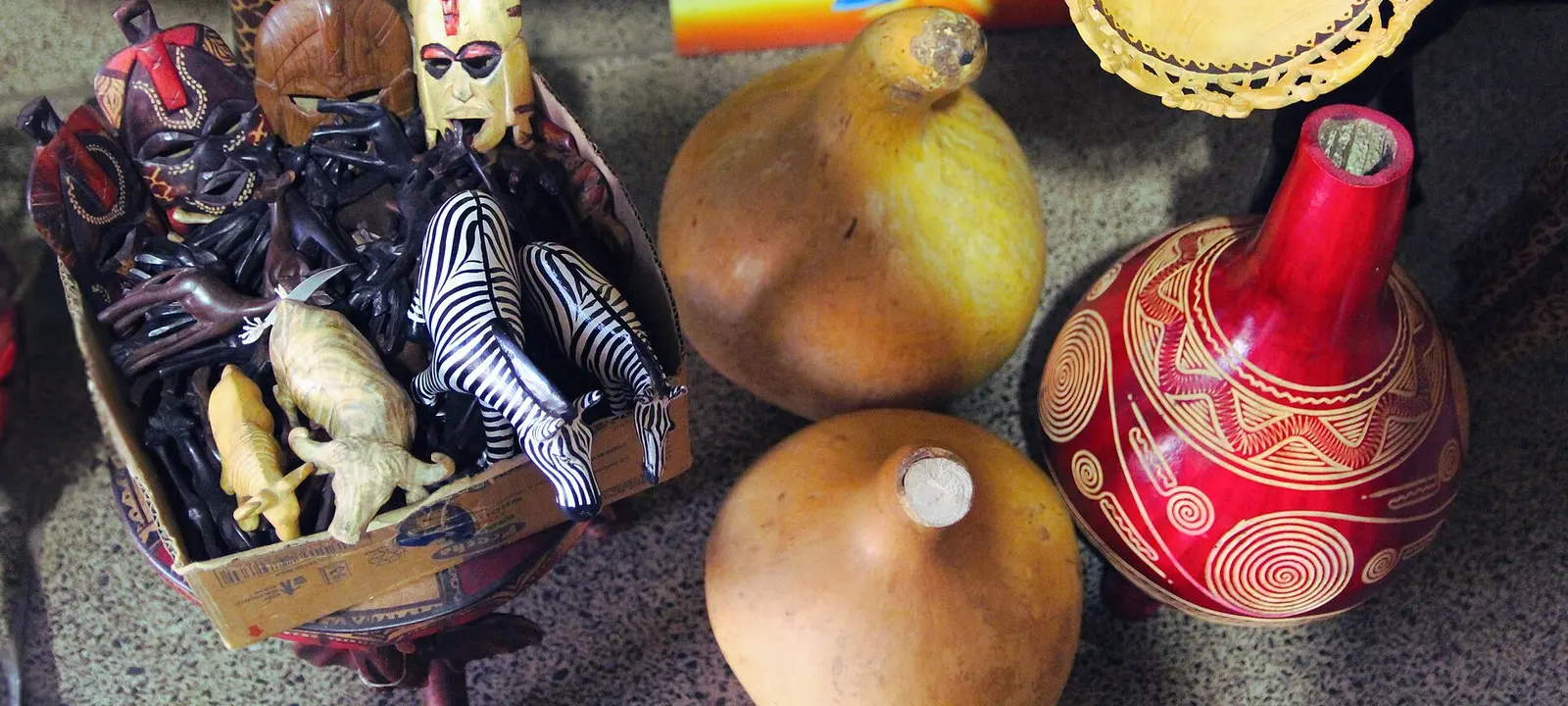
Kenya and Ghana anchor the East and West African handicraft export trade, each with distinct craft clusters worth knowing. Bulk buyers who verify suppliers, separate handmade from factory-made goods, and confirm export paperwork on wood items tend to get the most consistent results. The four categories below cover the bulk of inbound orders from these origins: Kisii soapstone, Kente cloth, Maasai beadwork, and African wood sculpture.
Sourcing map: where each product comes from
- Kisii soapstone — Tabaka and surrounding villages in Kisii County, western Kenya. Mostly smallholder carvers, often organized into cooperatives.
- Kente cloth — Bonwire, Adanwomase, and surrounding villages in Ghana’s Ashanti Region, with smaller production in parts of the Volta Region.
- Maasai beadwork — Kajiado, Narok, and Laikipia in Kenya, plus a small volume from northern Tanzania. Production is largely women’s cooperatives and family workshops.
- African wood sculpture — Both origins. Ghana’s Ashanti and coastal regions are known for Akuaba fertility dolls and figurative carving. Kenya produces large Makonde-influenced pieces and wildlife sculptures, often in tabuko (jackfruit), neem, and certain acacia species.
Kisii soapstone (Kenya)
Soapstone is soft and carves easily, but it is also brittle once fired. Two practical consequences for bulk buyers: pack with foam or bubble wrap rather than just paper, and agree an acceptable defect rate per shipment, since rough handling at ports is common. A starting conversation is often “what breakage percentage is included in the price?”
Color matters. Untreated soapstone ranges from pale grey to charcoal. Brightly colored bowls, eggs, and animal figures are usually dyed or oiled. Both finishes are legitimate; just decide which fits your market. Dyed pieces can rub off on skin or packaging, so request a sample before committing to volume.
MOQs from a cooperative are typically modest — a few dozen to a few hundred pieces per design — while consolidated container loads from a Nairobi-based exporter are the norm for wholesale volumes.
Kente cloth (Ghana)
Real handwoven kente is woven on a narrow loom in narrow strips, then sewn together. The number of strips per cloth and time on the loom drive the price. A simple four-strip cloth is roughly a day’s work; a complex 24-strip cloth in fine thread can take weeks.
The main risk for buyers is mixing up genuine handwoven kente with mass-woven or printed alternatives sold in Accra markets. Pricing is the clearest signal — if a “handwoven” cloth is priced close to the printed version, it is not handwoven. Ask for short video clips showing the loom and the weaver, and order a sample before any repeat order.
Standard strip width is around 5–6 inches, with finished cloths commonly 4, 6, 8, 12, or 24 strips. Customs declarations should specify the fiber (silk, cotton, or rayon), as duties vary by material in many importing countries.
Maasai beadwork (Kenya)
Maasai beadwork is produced mostly by women’s groups in Kajiado, Narok, and a growing number of urban workshops in Nairobi. Products include wide flat collars, multi-strand necklaces, bangles, earrings, and decorated leather belts.
Authenticity comes up constantly. Genuine pieces use small glass beads — often Czech or Chinese in origin — on leather or waxed thread, with traditional color combinations that have meaning within Maasai culture. Machine-perfect uniformity in bead size and color often signals factory production. Ask the supplier for photographs of the women making the piece, and be cautious of vendors who cannot name the producing group.
For ethical sourcing, request a short written note on how groups are paid (piece-rate vs. salaried) and how child labor is excluded. Cooperative orders are typically in the tens to low hundreds of pieces per design; larger runs go through Nairobi-based exporters.
African wood sculpture: legal and quality checks
This is the category where paperwork matters most. Several African hardwoods are listed under CITES (the Convention on International Trade in Endangered Species), and exporting protected species — or finished products made from them — without permits can lead to seizure at the destination port. CITES is administered in Kenya by the Kenya Wildlife Service (KWS) and in Ghana by the Wildlife Division of the Forestry Commission. Common commercial woods such as neem, jackfruit (tabuko), and certain acacia species are generally unrestricted, but listings and permit requirements change. Verify current CITES status and any required export documentation directly with the official authority in the country of origin before placing an order, and confirm import requirements with your own customs agency.
For quality, watch for:
- Heavy cracking along the grain, often from pieces dried too quickly
- Insect damage, especially in softer tropical woods
- Repairs filled with putty or wax, sometimes disguised with dark stain
- Inconsistent weight between similar pieces, suggesting mixed species
Kiln-dried pieces travel better than air-dried. Specify kiln-dried in your purchase order if you are shipping by sea, and budget for crating on large sculptures.
Practical sourcing checklist
- Verify the supplier. Request business registration, tax ID, and at least two references from past export clients.
- Sample first. Order samples for every new design, supplier, or wood species before signing a larger PO.
- Agree a defect rate. Spell out acceptable breakage, color variation, and size tolerance in writing.
- Confirm documentation. Commercial invoice, packing list, certificate of origin, and — for wood — species name plus any required export permits.
- Plan logistics early. Sea freight from Mombasa or Tema typically runs 4–6 weeks to most major ports; air freight is faster but rarely economical for stone and wood.
- Negotiate payment terms. A 30% deposit with balance against a copy of the B/L is common; letters of credit are often used for first-time larger orders.
Bottom line
Kenya and Ghana remain strong handicraft origins because the product lines are genuinely distinct and the supplier base is still largely small-scale. The buyers who do best are the ones who sample carefully, treat wood and stone as logistics-sensitive categories, and confirm export paperwork before each shipment. Build the relationship with the cooperative or workshop, not just the trading company, and quality problems tend to drop sharply.
FAQ
What minimum order quantities (MOQs) and lead times should I expect when sourcing Kisii soapstone, Kente cloth, Maasai beadwork, and wood sculpture from Kenya and Ghana?+
MOQs vary by product and supplier—Kente cloth orders can often start in the tens of yards, while carved soapstone and wood sculptures typically require larger piece counts per style. Production lead times generally range from a few weeks for readily available designs to several months for custom or high-volume orders, depending on artisan capacity and seasonality.
How can I verify authenticity and avoid counterfeit or factory-made pieces masquerading as authentic handicrafts?+
Source directly from registered cooperatives, licensed exporters, or recognized artisan associations, and request documentation of origin along with material specifics (e.g., natural Kisii stone, handwoven cotton Kente, hand-carved hardwood). Commissioning pre-shipment third-party inspections and approving pre-production samples are the most reliable safeguards before placing volume orders.
What export documentation, shipping terms, and regulatory requirements should I plan for when importing from Kenya and Ghana?+
Standard paperwork typically includes a commercial invoice, packing list, and certificate of origin, while certain hardwood carvings may require CITES permits depending on the species. Clarify Incoterms (commonly FOB or CIF) with your supplier, and confirm whether they will manage export licensing and freight booking on your behalf.
Ready to source?
Give GreenFlip your buying brief, budget and deadline. We turn it into an evidence-backed sourcing decision and an executable order.
Start a sourcing brief →