Sourcing Guide: Handicrafts from Peru
Peru's four export craft categories for bulk buyers: Andean alpaca textiles, Ayacucho retablos, regional pottery, and silverwork from the Cusco corridor.
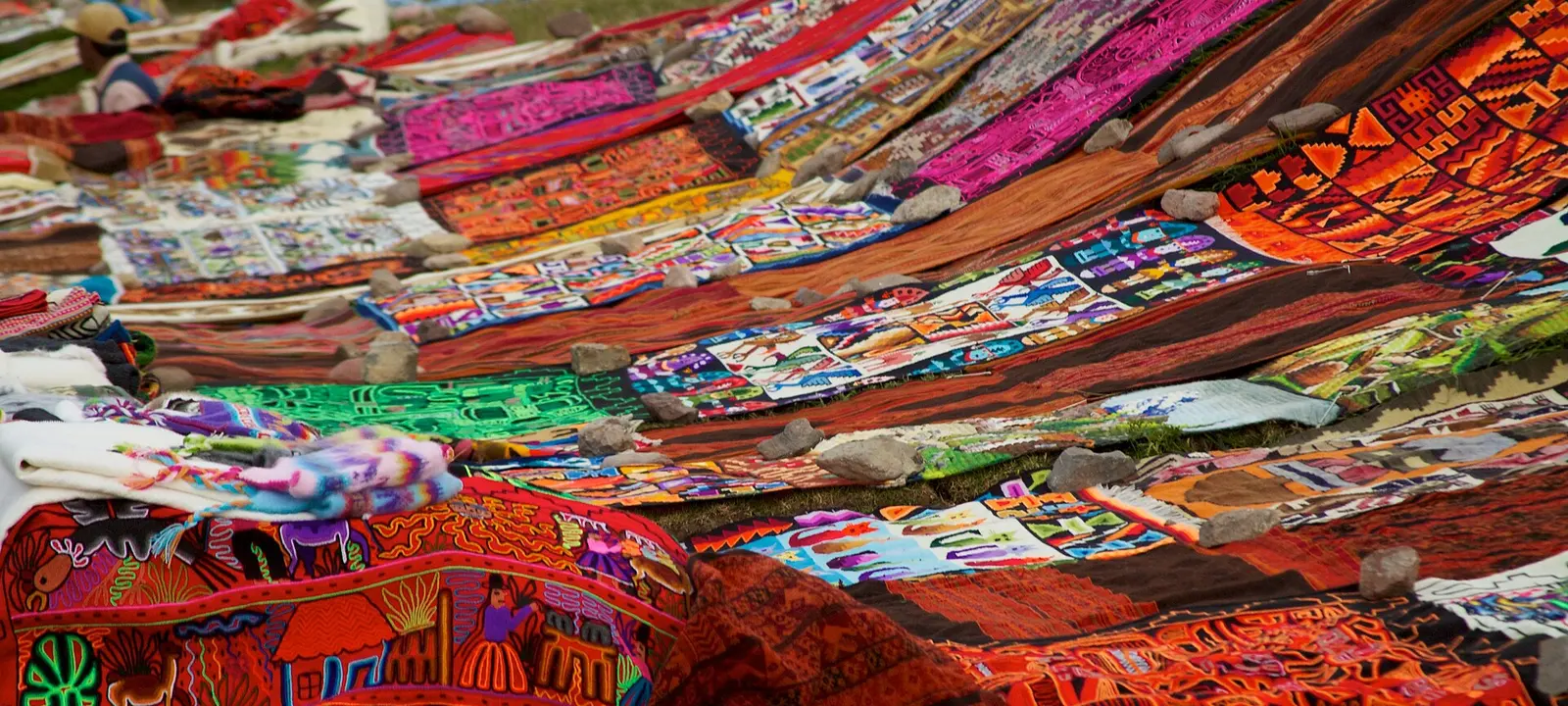
Peru offers four handicraft categories that consistently attract bulk buyers: alpaca textiles from the Andean highlands, retablos from Ayacucho, traditional regional pottery, and silverwork from the Cusco–Puno–Ayacucho corridor. Each category has distinct production hubs, quality grades, and sourcing patterns, so building a reliable supply chain starts with choosing a region and partner model (artisan cooperative versus workshop) before negotiating price.
Where each craft comes from
Alpaca textiles (Andes). Most quality production runs through Arequipa, Cusco, and Puno. The main fiber types are Huacaya (fluffy, slightly heavier) and Suri (silky, lustrous, more expensive). “Baby alpaca” is graded by fiber diameter rather than animal age and is the premium grade most buyers target for apparel and home goods.
Retablo. A retablo is a small hinged wooden box containing layered religious, folk, or secular scenes. The craft is concentrated in Ayacucho, with Huaraz as a secondary center. Pieces range from a few centimeters to over a meter, and artisan families often pass techniques down through generations.
Pottery. Distinct regional styles include Chulucanas (Piura, burnished black and red ware), Quinua (Ayacucho, painted decorative pottery), and Cusco ceremonial pieces. The label “Cusco pottery” in the market can mean very different things depending on workshop and intended retail segment.
Silverwork. Filigree and repoussé silver jewelry come mainly from Cusco, Puno, and Ayacucho. Look for pieces stamped with the artisan’s registration mark and a silver fineness mark; pieces without verifiable marks are harder to position in regulated markets.
Cooperatives vs. workshops
Artisan cooperatives (asociaciones or comunidades) aggregate output from many small producers, run an initial quality check, and often hold fair-trade or sustainability certifications. Workshops (talleres) are usually run by a master artisan with a small team and are better for custom designs, private-label work, and consistent finishing.
For most bulk importers a hybrid model works well: standardized SKUs from a cooperative for stock lines, and a workshop for capsule collections or branded pieces.
Quality, grading, and pricing
- Alpaca fiber is graded by micron count: Royal under ~19, Baby ~19–22, Superfine ~22–25, Adult above ~25. Confirm with the supplier which grade is in each shipment and request a fiber diameter test report for mid-to-large orders.
- Retablos: check joinery, hinge quality, and whether figures are carved in one piece or assembled. Hand-carved single-piece figures command a meaningful premium.
- Pottery: inspect for even firing, glaze consistency, and (for Chulucanas) depth of the smoke-burnished finish. Plan for a 3–5% breakage allowance in transit.
- Silverwork: verify silver content (sterling vs. plated) and the artisan’s hallmark. Misrepresentation of fineness is a recurring dispute source.
MOQs, lead times, and pricing logic
- Standard alpaca scarves, throws, and yarns: ~50–200 units per SKU.
- Custom-designed alpaca pieces: ~100–500 units, depending on weave complexity.
- Retablos: 20–100 units for standard designs; custom or large-format pieces often 10–30 units.
- Pottery: 100–500 units is a common workshop minimum; custom glazes push it higher.
- Silver jewelry: 20–100 pieces per design for stock lines.
Lead times run 3–6 weeks for in-stock designs and 10–16 weeks plus sampling for custom work. Per-unit FOB Callao pricing depends on fiber grade, hand-versus-machine work, and order volume, so request tiered quotes at three volume breakpoints before locking in.
Logistics and shipping out of Peru
Most bulk shipments leave through Callao by sea or via Lima’s Jorge Chávez International Airport by air. A typical Incoterms split is FOB Callao for established buyers, with CIF options offered by most export agencies. Sea freight typically takes 25–40 days to North America and 28–45 days to Northern Europe, plus inland transit. Run a pre-shipment inspection (PSI) at a consolidation warehouse in Lima rather than at the workshop, where conditions for inspection are usually better.
Documentation and customs
Standard export documents include a commercial invoice, packing list, certificate of origin, and (where applicable) a CITES export permit. Customs classification is a recurring pain point: many buyers default to textile or jewelry headings, but the actual duty treatment depends on fiber composition, construction, and country of origin, so confirm classification with a licensed customs broker in your destination market.
Peru benefits from preferential trade access in several major markets, including the United States and the European Union, but eligibility depends on the specific rules of origin and the buyer’s supporting documentation. Reconfirm current program details with SUNAT (Peru’s tax and customs authority) and your own customs authority before each shipment, as preferences and product coverage change.
Cultural heritage and protected materials
Peru’s national cultural heritage framework restricts the export of certain pre-Columbian and colonial-era objects, and handmade vicuña fiber is subject to additional controls because the species is listed under CITES. Working with reputable suppliers who source raw materials through registered channels is the single best way to avoid inadvertent export of protected items. When in doubt, request supporting documentation from the supplier and verify current export requirements with Peru’s Ministry of Culture (Ministerio de Cultura) before finalizing any purchase order.
Worked example: a first alpaca textile order
- Product: 200 baby alpaca scarves, undyed, handwoven.
- Origin: cooperative in the Cusco region.
- Sample stage: 3–4 pre-production samples; allow 2–3 weeks.
- Production: 8–10 weeks after sample approval.
- Inspection: PSI in Lima, AQL 2.5 normal inspection on finished goods.
- Shipping: FOB Callao by sea to US East Coast; budget 30–40 days transit.
- Documents: commercial invoice, packing list, certificate of origin, fiber test report, signed sales contract.
- Allowances: 3% breakage in transit.
- Total PO-to-warehouse timeline: roughly 16–20 weeks.
Bottom line
Peru’s four flagship craft categories each have clear regional production hubs and well-understood quality grades, which makes the country straightforward to source from once a buyer locks in the right partner model. Build quality control around fiber micron counts, silver fineness, and pre-shipment inspections rather than visual checks alone, and treat cultural heritage and CITES compliance as a sourcing filter from day one. Above all, reconfirm current export, preferential-tariff, and cultural-patrimony rules with SUNAT and Peru’s Ministry of Culture before each buying season, since program details shift over time.
FAQ
How can I verify that alpaca textiles are genuine and not blended with synthetic fibers?+
Authentic alpaca garments typically have a softer, warmer hand-feel and subtle luster compared to acrylic blends. Request documentation from the supplier specifying fiber composition by percentage, and ask for samples to be lab-tested if the order volume warrants it. Sourcing directly from cooperatives in Arequipa, Puno, or Cusco regions is generally the most reliable way to ensure authenticity.
What should I look for when sourcing Peruvian silverwork to confirm authenticity and quality?+
Genuine Peruvian silverwork, particularly from regions like Catacaos and Cusco, is typically marked with a sterling (925) stamp or the maker's personal hallmark registered with the local guild. Reputable artisans can provide documentation of silver content and origin. Be cautious of unmarked pieces sold as silver, as alloys and silver-plated items are common in informal markets.
Are retablos still produced by traditional artisans, and how can importers trace them to specific workshops?+
Yes, retablo production continues primarily in Ayacucho, where families like the Quispes and the silverwork tradition of Cusco keep the craft alive through multi-generational workshops. Importers can trace pieces by asking suppliers for artisan names, workshop locations, and photographs of the production process. Direct relationships with artisan associations also help ensure fair-trade practices and consistent quality.
Ready to source?
Give GreenFlip your buying brief, budget and deadline. We turn it into an evidence-backed sourcing decision and an executable order.
Start a sourcing brief →