Sourcing Guide: Handicrafts from Turkey
A sourcing guide to Turkey's crafts: kilim rugs, Iznik-style ceramics, hammered copper (Gaziantep), and mosaic lamps
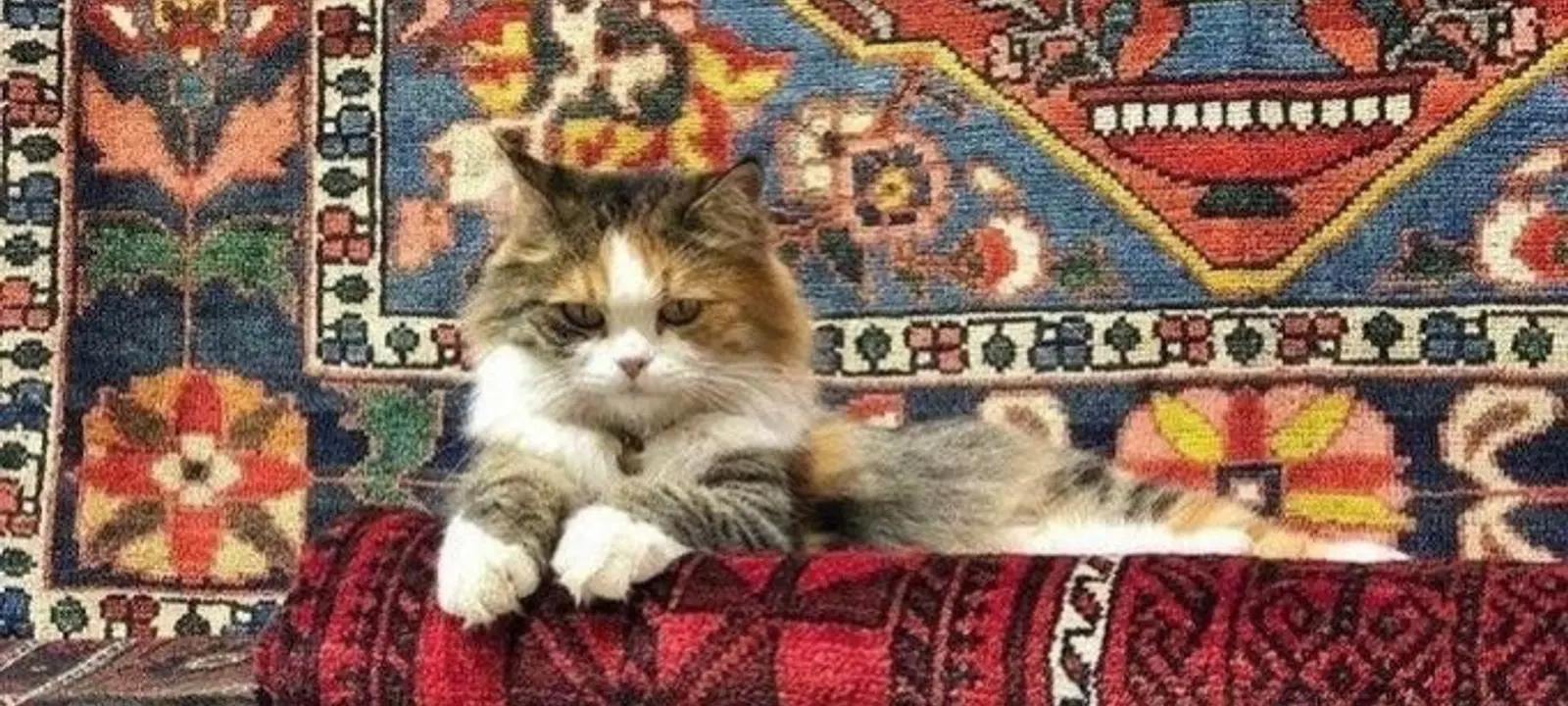
Turkey is a practical single-country origin for four handicraft categories that move well in wholesale channels: kilim rugs, Iznik-style ceramics, Gaziantep hammered copper, and mosaic lamps. The country has deep artisanal clusters, established export logistics out of Istanbul, Izmir, and Mersin, and a comparatively mature supplier base — which makes it possible to place container-volume orders at workable MOQs while still getting real handwork rather than pure factory output. Plan on spending more time vetting workshops and documenting origin than you would on a generic consumer-goods buy.
Why buyers source from Turkey
- Cluster depth. Kilim weaving, copper smithing, ceramic production, and mosaic-glasswork each sit in specific regions (Anatolia for kilims, Bursa province for Iznik, Gaziantep for copper, Istanbul for mosaic lamps), so you can build a multi-category program from one trip.
- Cost-to-craftsmanship ratio. Labor cost is lower than Western Europe, but the skill base is multi-generational, especially for hand-knotted textiles and hand-hammered metal.
- Export infrastructure. Mature freight forwarding in Istanbul, Izmir (for Aegean suppliers), and Mersin (for southeastern producers like Gaziantep).
Kilim rugs
Flat-woven, pileless rugs made in villages and small workshops across Anatolia. Genuine kilims are hand-woven on a loom using a slit-weave technique; the back should mirror the front.
What to spec in your PO
- Fiber: 100% wool, wool-cotton warp, or wool-silk blend (the last is the premium tier).
- Dye: natural (vegetable) vs. synthetic. New “vintage look” pieces often use chrome or acid dyes — declare honestly.
- Region of origin: Şanlıurfa, Konya, Cappadocia, Antakya, Balıkesir each have distinct palettes and motifs.
- Size: standard carpet sizes (e.g., 4×6 ft, 6×9 ft) are cheaper to source than custom cuts.
- Condition: vintage pieces may have repaired areas or low-pile patches — photograph and disclose.
Watch-outs
- “Anatolian kilim” is a generic term. Drill into the which town and which weaver if your retail story depends on provenance.
- Machine-woven look-alikes exist. Inspect the back: visible warp floats or perfectly even stitches are red flags for “hand-loomed” claims.
Iznik-style ceramics
True Iznik is a high-tin, quartz-frit ceramic historically produced in Iznik (Bursa province). Modern production is split between authentic-revival workshops and large factories using decals.
How to grade
- Hand-painted: brush strokes visible under the glaze, minor variation between pieces. Premium tier.
- Decal / transfer-printed: identical repeats across a set; cheaper and meant for hospitality and high-volume decor.
- Glaze quality: even, glossy, no crazing; foot rim should be unglazed and smooth.
- Food safety: only pieces labeled food-safe and lead-free are suitable for tableware; decorative ware should not be sold as functional.
Sourcing note. Workshops are concentrated around Iznik and parts of Kütahya. Kütahya is a separate, equally valid ceramic tradition — don’t let a supplier mislabel Kütahya output as Iznik if your contract specifies origin.
Gaziantep hammered copper
Gaziantep (southeastern Turkey) has been a copper-working center for centuries. The hallmark is hand-hammered texture on trays, pots, pitchers, and decorative bowls.
Spec checklist
- Copper purity: most kitchenware is 100% recycled copper, often 1–2 mm gauge; thicker gauges cost more and hold shape better.
- Inner lining: food-contact items should be tin-lined; specify “kalay kaplama” (tin lining).
- Hammering: hand-hammered (çekiç) shows irregular dimples; machine-rolled patterns are more uniform and cheaper.
- Patina: a forced dark patina is common on decorative pieces — confirm whether your customer wants a polished or aged finish.
- Handle and rivet construction: solid brazed joints, not glued.
Use cases. Tray sets for retail, hospitality-grade serveware, and decorative wall pieces are the bulk of the export mix.
Mosaic lamps
Tiffany-style stained glass lamps assembled in Istanbul workshops, mostly in the Sultanahmet and Fatih districts.
Spec points for wholesale
- Glass: real stained-glass chips (cut from sheet) vs. poured-glass beads. The former is the premium look.
- Frame: brass is the standard; weight is a useful proxy for metal content.
- Wiring and sockets: must be certified for the destination market (CE/UKCA for Europe, UL/ETL for North America). Most exporters will rewire to your spec at the workshop — confirm this is included in the FOB price, not added as an extra.
- Packaging: glass shade is fragile; insist on a documented pack-out (foam-molded insert, double-walled carton) and a damage-claim procedure with the forwarder.
Logistics, Incoterms, and ports
- Incoterms. Most Turkish handicraft exporters price FOB Istanbul, Izmir, or Mersin. CIF and DAP are common on first orders when the buyer wants a turnkey quote.
- Ports. Istanbul and Izmir handle the bulk of general cargo. Mersin is the smart routing for Gaziantep copper and southeastern kilim production.
- Containerization. Kilims and lamps compress well; copper is volumetrically heavy, so a 20-ft container fills by weight before it fills by cube. Calculate per-piece weight before agreeing to a per-cbm rate.
- Payment. 30% T/T deposit with 70% against copy of B/L is standard for new relationships; an L/C is reasonable for first orders above a meaningful threshold.
Quality control checklist (pre-shipment)
- Random-pull AQL inspection against a sealed golden sample.
- Fiber/material verification for kilims (burn test in workshop, not on the line).
- Drop-test and electrical test certificates for lamps.
- Tin-lining thickness and adhesion test for copper foodware.
- Carton mark, poly bag, and master-pack conformity.
- Photo log of any “A-grade / B-grade” split so the B-stock is invoiced separately.
Regulatory and compliance notes
- Antique exports. Turkey restricts the export of cultural property. Pieces over a certain age generally cannot leave the country without a permit from the Ministry of Culture and Tourism (Kültür ve Turizm Bakanlığı). Confirm current age thresholds and permit requirements directly with the Ministry before committing to “antique” or “antique-style” inventory.
- Destination-market compliance. Food-contact copper needs destination-market clearance (e.g., FDA in the US, EU framework regulations). Lamps need electrical safety certs (UL/ETL in North America, CE/UKCA in Europe). REACH may apply to glazes, dyes, and metal finishes. Verify current rules and any thresholds with the relevant authority in your destination market before placing the order — rules shift and your HS classification drives the duty rate.
- Labeling. Country-of-origin labeling must be on the retail packaging, not just the master carton.
Bottom line
Turkey is a strong single-origin for kilims, Iznik-style ceramics, Gaziantep copper, and mosaic lamps because the skill clusters and export infrastructure are mature. Spend your time on the workshop, not the factory gate: lock the spec against a golden sample, document origin honestly, and confirm both Turkish cultural-property export rules and your destination market’s product-safety rules with the relevant official authority before you ship. Do that, and the country’s handicraft sector will reliably deliver at scale.
FAQ
How can we verify a kilim rug from Turkey is genuinely handwoven rather than machine-made?+
Examine the back of the rug: handwoven kilims show the same pattern as the front with slight color bleeding between knots and hand-finished selvedge edges, while machine-made versions display perfectly uniform stitching and often a glued or serged edge. A handwoven piece will also have minor asymmetries in the design, since each weaver's tension varies, whereas machine output is geometrically precise.
What should we look for to confirm that hammered copper from Gaziantep is genuinely hand-forged and not machine-stamped?+
Genuine hand-hammered copper shows slight irregularities in the planishing marks, a varied reflectivity, and subtly uneven wall thickness, because no two hammer strikes are identical. Machine-stamped imitations have perfectly uniform dimples and consistent thickness, so running a finger along the surface and weighing comparable pieces side-by-side will usually expose the difference.
How do we distinguish authentic Iznik-style ceramics from generic Turkish imitations before placing a bulk order?+
Authentic Iznik-style wares are produced from a specific quartz-rich local clay, fired at high temperature, and decorated in the signature tomato-red, cobalt blue, and emerald green palette on a white slip ground with slightly raised, hand-painted motifs. Request certificates of origin, verify the workshop's proximity to İznik or Avanos, and inspect samples under raking light—printed decals will appear flat, while true Iznik painting has tactile relief.
Ready to source?
Give GreenFlip your buying brief, budget and deadline. We turn it into an evidence-backed sourcing decision and an executable order.
Start a sourcing brief →