Bulk Brass & Metal Handicraft from India
Handcast and hand-engraved brass decor, vessels, figurines, and OEM parts. Review 2 India supplier research records with explicit evidence status and buyer checks for retail, hospitality, gifting, and sourcing teams.
GreenFlip does not yet hold a verified MOQ, FOB price, or production lead time for Brass & Metal Handicraft from India. This page organises 2 research records by origin and craft. Public-web fields remain unconfirmed until the legal entity, production capability, current quotation, certificates, references, and sample are checked.
Evidence to request for Brass & Metal Handicraft
Metal checks: Specify alloy, gauge, joining method, surface finish, coating, corrosion test, restricted-metal limits, and any food-contact requirement.
Brass & Metal Handicraft specification: Separate cast, raised, pierced, spun, and sheet-metal construction in the specification; each changes tooling, labour, wall thickness, finish consistency, and inspection points.
For India's production landscape and the checks that apply across every craft in the country, see the India sourcing hub.
Suppliers at a glance
2 suppliers| Supplier | City | MOQ | Price from | Lead time | Certifications | Evidence state | Profile |
|---|---|---|---|---|---|---|---|
| DYLAA Handicrafts | 🇮🇳 Moradabad | Unconfirmed | Unconfirmed | Unconfirmed | BSCI (unverified)SEDEX (unverified)ISO 9001 (unverified) | cdp-sourced | View → |
| Meera Emporium | 🇮🇳 Jaipur | Unconfirmed | Unconfirmed | Unconfirmed | Export House (unverified) | cdp-sourced | View → |
Visual showcase
6 images · India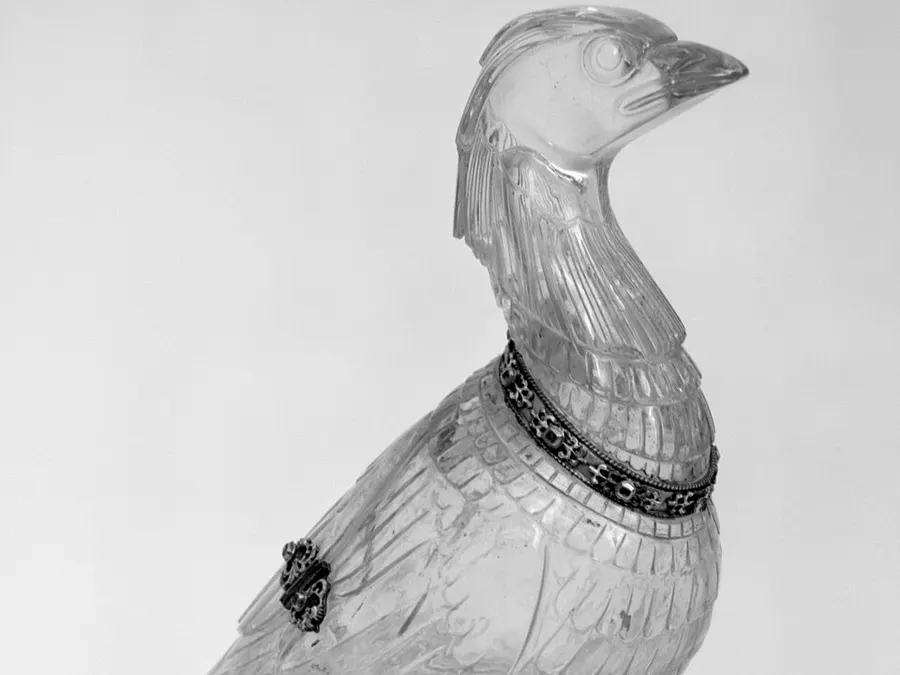
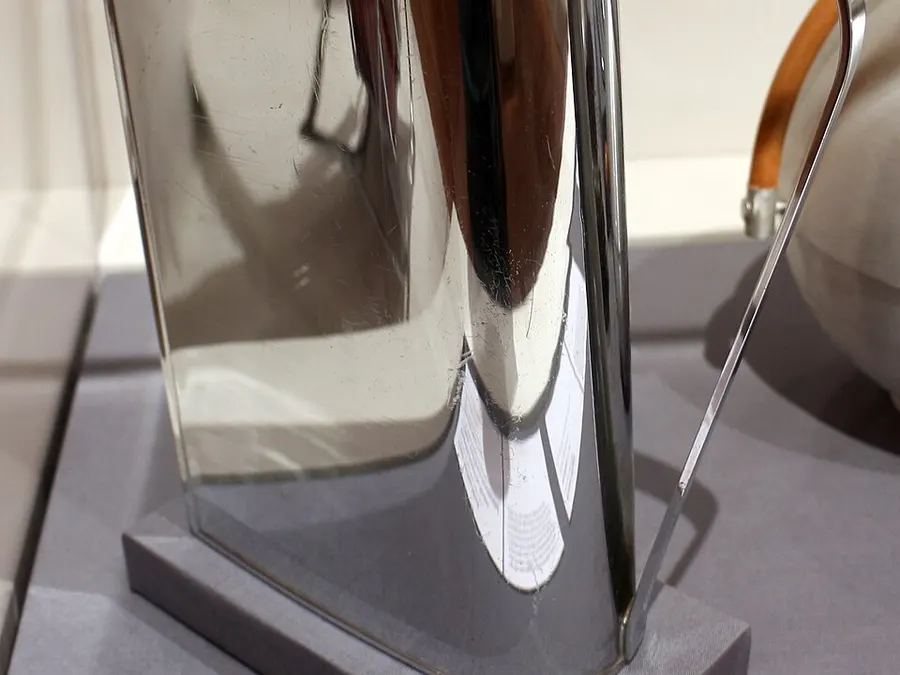
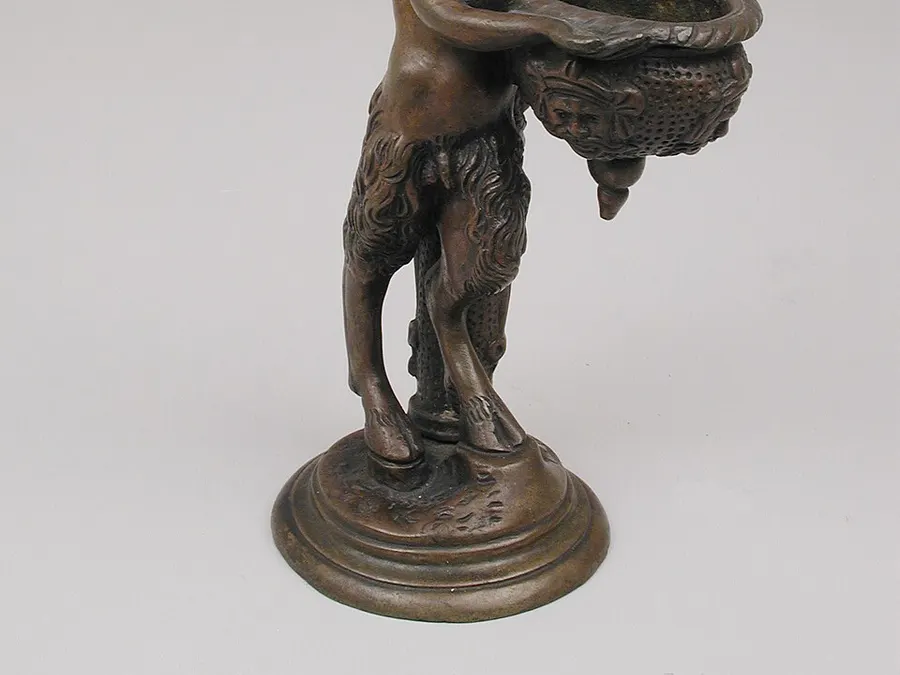
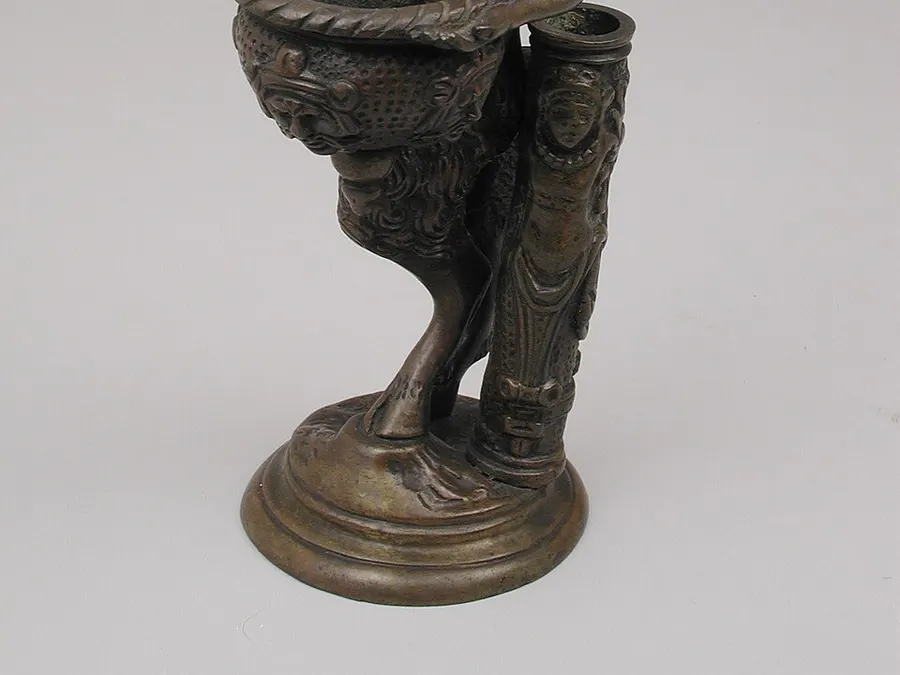
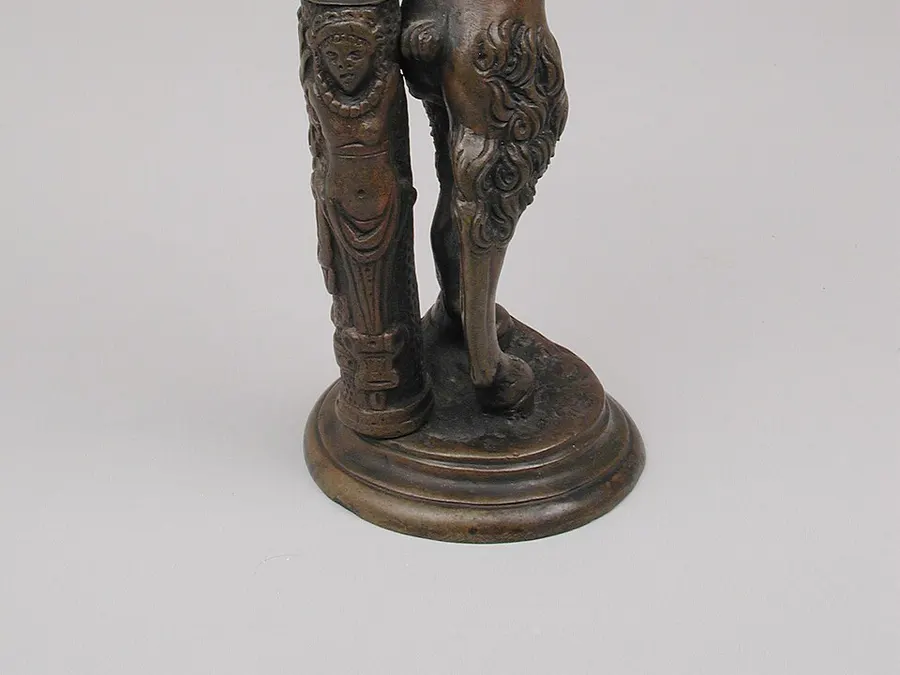
Images are illustrative and verified against our image rights policy. Supplier-provided, fair-trade media kits, or CC-licensed.
Supplier research records
These are leads, not endorsements. Commercial fields only count as confirmed when the profile state is verified.
DYLAA Handicrafts
🇮🇳 Moradabad, India · Est. 2012
Export-quality Indian handicrafts manufacturer. Wholesale/OEM supply across brass, wood, marble, handloom, jute, and glass.
Meera Emporium
🇮🇳 Jaipur, India · Est. 1985
Multi-craft Jaipur exporter — brass, blue pottery, block-print textiles, Madhubani painted decor.
How to source Brass & Metal Handicraft from India in bulk
- 1
Define your brief. Specify quantity per design, Metal grade, dimensions, finish, customisation, packaging, destination, arrival date and budget.
- 2
Research candidates. Use the 2 origin-and-craft records as leads, then verify identity, production capability, certificates, and references.
- 3
Request comparable quotations. Give each candidate the same specification and request a dated quotation, production schedule, sample plan, and named Incoterm.
- 4
Approve samples. Buy production-representative samples and record tolerances, finish, labelling, packing, and inspection criteria before committing to bulk.
- 5
Confirm and ship. Finalise the purchase order, payment protection, inspection, and freight only after the production schedule is confirmed in writing.
Frequently asked questions
Why is the MOQ for handcast brass decor often 100–200 pieces per design, and what pushes the unit price up or down?
Handcast brass requires a new sand, resin, or metal mold for each design, and that pattern-making labor is amortized across the run, so workshops set MOQs of 100–200 pieces to recover it. The unit price is driven mainly by brass weight (and the LME-linked scrap rate), the surface area and depth of hand engraving or chasing, and the finish — raw polished, chemically antiqued, or nickel/gold-tone electroplated. Custom tooling, additional sampling rounds, and small-batch alloy choices can push a single piece 30–60% above a standard catalog line.
What are the most common defects to inspect in handcast and hand-engraved brass, and how do I catch them on a pre-shipment sample?
In castings, look for porosity (pinhole pits on the surface), cold shuts where two metal streams failed to fuse, and flashing along mold seams that should have been filed off. In engraving, watch for inconsistent line depth, tool slippage marks, and areas chased too shallowly so the pattern visually disappears once patina is applied. Wipe a white cloth on a hidden face to check for residual release oil or oxidation that can bleed through a lacquer topcoat within weeks.
Are all 'brass' vessels the same alloy, and what should I know if I want food-contact or drinkware items?
Most Indian and Moroccan decorative brass is a copper-zinc alloy in roughly the 60/40 to 70/30 range, fine for decor but not for prolonged food or drink contact without a barrier. If you intend to sell the piece as serveware or barware, ask the maker to line the interior with a food-safe tin wash or a certified food-grade lacquer, and request the actual alloy test report. Lead is a separate concern — export buyers typically specify a low-ppm ceiling to meet destination rules, so confirm the spec in writing before sampling.
What does an OEM order for a handcast brass part actually involve in sampling, tooling, and tolerances?
You supply a 2D/3D drawing or a master sample; the workshop cuts a pattern and produces a sand, resin, or permanent mold, then casts a 5–10 piece first sample — typically 3–6 weeks depending on pattern complexity. Hand-engraved OEM parts add a second sampling step because the chaser needs an approved casting to tool against, and any change to the master pattern is billed as a separate revision. Tolerances on handcast brass are loose compared to CNC — expect roughly ±0.5–1.0 mm on small parts and flag any critical dimensions before tooling is cut.
Which documents and origin claims should I ask for when sourcing brass handicrafts from India or Morocco?
Ask for a spectrometer or mill test report on the alloy, an export invoice declaring the correct HS code (chapter 74 / 7419 series for brass articles), and cluster-of-origin paperwork if your customer wants to market Moradabad or Fez provenance. For EU and US destinations, request a REACH SVHC declaration and a lead/cadmium migration test if the item touches skin, food, or drink. Do not accept vague 'antique brass' claims without a process note specifying the patina recipe and the base alloy on the spec sheet.
What packing and shipping pitfalls should I plan for with brass decor, given its weight and tarnish risk?
Brass is dense — a single handcarved vase can run 3–8 kg, so air freight is often driven by dimensional weight and cartons need to be rated for the load, not just the count. For tarnish control, wrap each piece in acid-free tissue or VCI paper, seal it in a poly bag, and use individual corrugated fitments so engraved faces cannot rub against foam. In sea freight — especially monsoon-season shipments from India to Europe or the US — specify silica gel desiccant and avoid urea-based foam, which off-gasses and accelerates tarnish on raw or lightly lacquered brass.
What production lead time should I plan for bulk Brass & Metal Handicraft from India?
None of the 2 India Brass & Metal Handicraft records on file carries one — including the workshops in Moradabad, Jaipur, which is why the lead-time column reads Unconfirmed. Ask each candidate for a dated ex-works schedule and the transit time to your port as separate figures.
Which Incoterm and freight details should a India Brass & Metal Handicraft RFQ pin down?
Ex-works, FOB, and CIF prices for one Brass & Metal Handicraft order are three different numbers, so name the term and the destination port in the request or the quotes will not compare. Settle who books freight, who clears customs at each end, and the packing specification — handicraft cartons are usually volume-rated.
Browse Brass & Metal Handicraft by use case
Further reading on Brass & Metal Handicraft and India
How Customs Values a Handicraft Shipment
Customs charges duty on a declared value, not on your invoice. What transaction value includes, which additions catch handicraft buyers, and the method hierarchy.
Handicraft Sourcing Outlook 2026
Where global handicraft sourcing stands in 2026: lead-time normalisation, provenance evidence, nearshoring versus Asia, and which categories are gaining.
GEO for Suppliers: Getting Cited by AI Search
Explain Generative Engine Optimization (GEO) for handicraft suppliers: how structured data, clear specs, and llms
Negotiating MOQ and Pricing with Artisan Suppliers
Practical tactics for negotiating MOQ, unit price, and payment terms with artisan and export-house suppliers without damaging the relationship
How we chose
We reviewed 2 India Brass & Metal Handicraft research records for this page on October 7, 2026. Inclusion means the record matches the origin and craft; it does not mean GreenFlip verified the business or its claims. Only verified records may contribute MOQ, price, lead time, certification, or wholesale Product structured data.