Bulk Wood Handicraft from Philippines
Handcarved decor, boxes, trays, furniture, and painted wood craft. Review 2 Philippines supplier research records with explicit evidence status and buyer checks for retail, hospitality, gifting, and sourcing teams.
GreenFlip does not yet hold a verified MOQ, FOB price, or production lead time for Wood Handicraft from Philippines. This page organises 2 research records by origin and craft. Public-web fields remain unconfirmed until the legal entity, production capability, current quotation, certificates, references, and sample are checked.
Evidence to request for Wood Handicraft
Wood checks: Specify timber species, legal-source evidence, moisture range, construction and joinery, finish chemistry, pest treatment, and destination import controls.
For Philippines's production landscape and the checks that apply across every craft in the country, see the Philippines sourcing hub.
Suppliers at a glance
2 suppliersVisual showcase
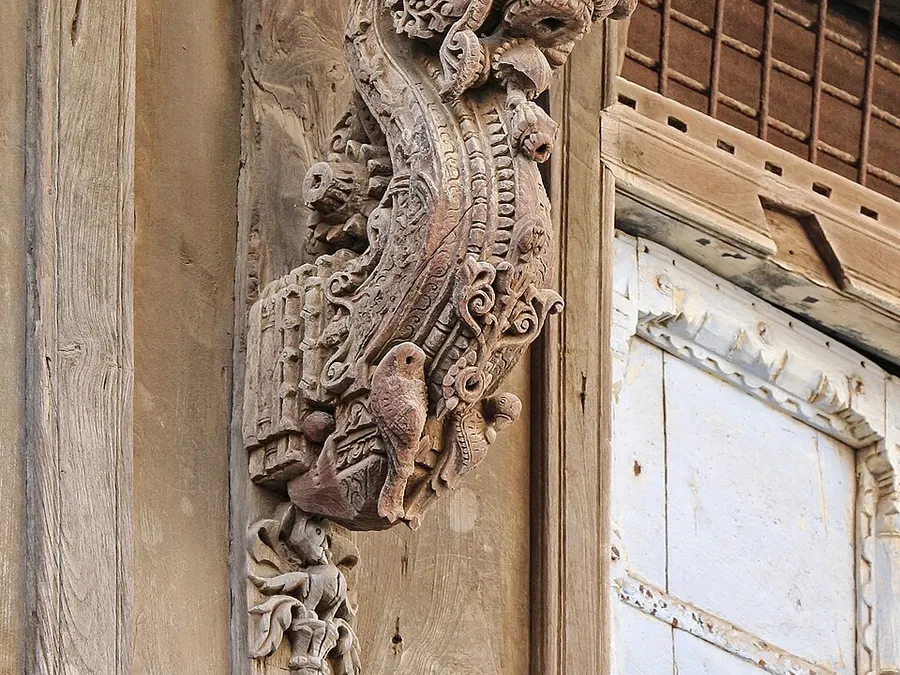
6 images · Philippines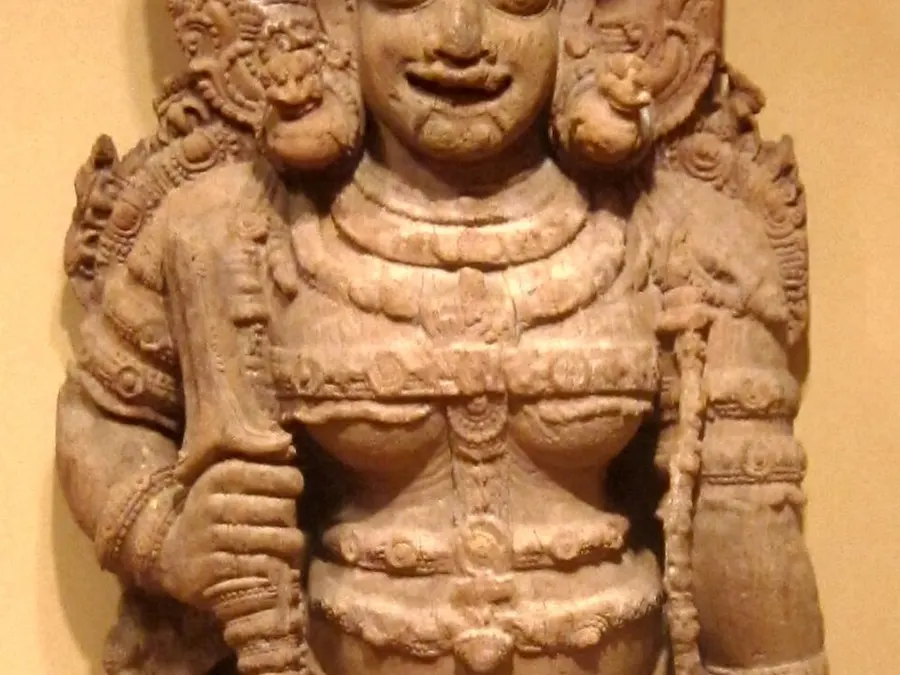
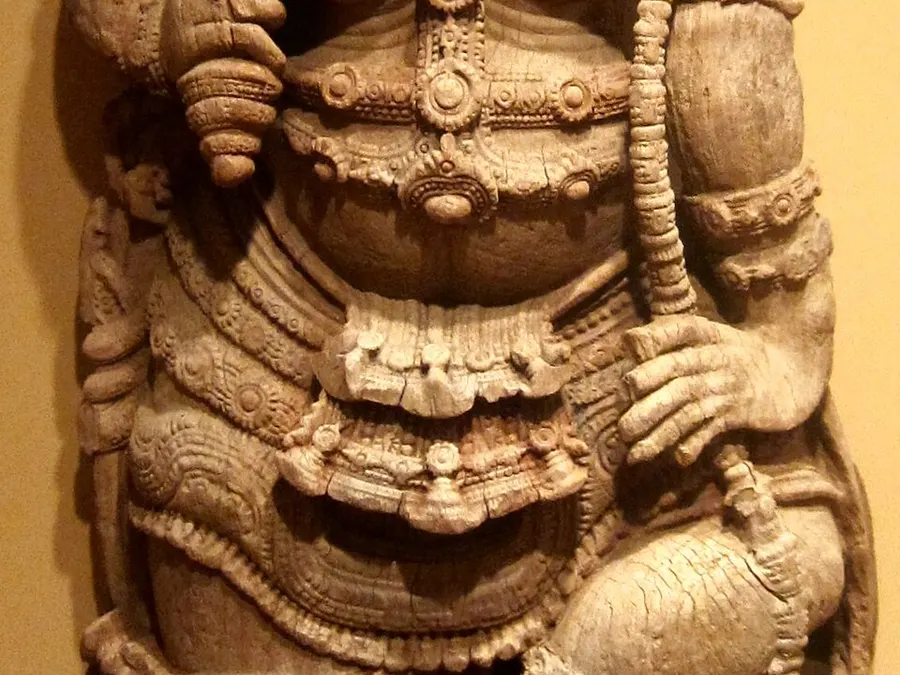

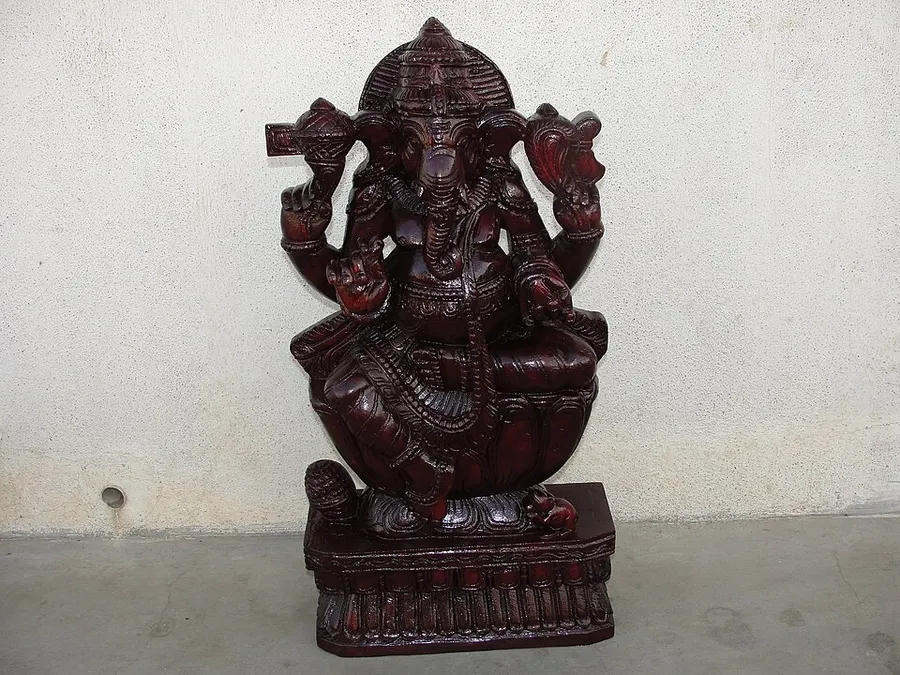

Images are illustrative and verified against our image rights policy. Supplier-provided, fair-trade media kits, or CC-licensed.
Supplier research records
These are leads, not endorsements. Commercial fields only count as confirmed when the profile state is verified.
RT Crafts
🇵🇭 Philippines
RT Crafts Enterprise is a trusted wholesale supplier of handmade Filipino handicrafts, including home décor, gift items, and handbags for global buyers.
The Biggest
🇵🇭 Cebu, Philippines
Affordable and very economical high Fashion Items Jewelries and Fashion Accessories from Natural Components of coco, raw shells and woods also for hotel decorations like tile panels.
How to source Wood Handicraft from Philippines in bulk
- 1
Define your brief. Specify quantity per design, Wood grade, dimensions, finish, customisation, packaging, destination, arrival date and budget.
- 2
Research candidates. Use the 2 origin-and-craft records as leads, then verify identity, production capability, certificates, and references.
- 3
Request comparable quotations. Give each candidate the same specification and request a dated quotation, production schedule, sample plan, and named Incoterm.
- 4
Approve samples. Buy production-representative samples and record tolerances, finish, labelling, packing, and inspection criteria before committing to bulk.
- 5
Confirm and ship. Finalise the purchase order, payment protection, inspection, and freight only after the production schedule is confirmed in writing.
Frequently asked questions
What drives MOQ and unit price for handcarved wood decor and furniture from India, Indonesia, and the Philippines?
MOQ is set by skilled-carver capacity and pattern setup time — a single handcarved box can take an artisan 1–3 days depending on relief depth, so workshops usually need 100–500 pieces per design to keep one carving block running efficiently. Unit price is shaped by wood species (teak, sheesham, and suar cost more than mango, acacia, or plantation mahogany), carving intricacy, and whether painting is hand-applied. Tooling for a new pattern — a master relief carved into a hardwood block or MDF template — is a one-time charge that is amortized across the run and is rarely waived below 500 pieces.
What defects and quality markers should I inspect on incoming handcarved wood shipments?
Check for warping, end-grain checking, and knot voids — these are common in air-dried mango and acacia if moisture content was above 12% at packing. Run a fingernail across carving recesses to expose wood filler hiding insect pinholes or borer tracks, which are frequent in softer Indian mango wood. On furniture, tap mortise-and-tenon joints for a dull rattle that signals loose pegs, and inspect painted lots under raking light for missed undercoat, drips, and color drift at batch edges.
Which wood species and finishes are typical, and how do they affect durability for end use?
India commonly uses sheesham (Dalbergia sissoo) and mango wood; Indonesia favors jati teak and suar/monkey pod; the Philippines uses narra and plantation mahogany. Softer species like mango and suar dent and check more easily than teak or sheesham, which is why large trays are often built from lighter acacia for weight reasons. Finishes range from natural beeswax and tung oil to PU lacquer and hand-applied mineral or acrylic paint — PU resists water rings better but chips visibly on impact, while oiled finishes can be spot-repaired and refreshed on site.
How feasible is custom carving, sizing, or branding for a private-label wood handicraft order?
Custom carving is doable but the main cost driver is the master pattern — a senior carver typically needs 3–7 days to rough out a new relief, and any change to the outer silhouette requires fresh jigsawing before chiseling begins. Altering the dimensions of a box, tray, or stool changes the yield from the timber plank and can push the price up 20–40% on small runs. Hand-painted customization — colors, motifs, or a buyer’s logo on the lid — is faster and cheaper to alter than carved elements, and is the usual entry point for first-time OEM buyers.
Which certifications and shipping documents should I request for wood handicraft imports?
Ask for FSC or PEFC chain-of-custody for temperate hardwoods, and for Indonesian mills the SVLK (TLAS) legality certificate on teak and suar shipments. Indian sheesham (Dalbergia sissoo) falls under CITES Appendix II and exports need a CITES permit plus EUTR or EUDR due-diligence paperwork for EU buyers. For painted items sold as toys or nursery decor, request EN71-3 migration test reports and CPSIA Section 101 lead compliance, since the bright mineral paints used in Rajasthani and Channapatna styles are a frequent point of customs testing.
What packing and shipping quirks should I plan for with handcarved wood?
Solid wood is dense and hygroscopic — a carved teak console can weigh 40+ kg and will absorb moisture in a sea container, so desiccants, a moisture-meter reading at loading, and container liner bags are standard. Carved and painted surfaces need corner guards, EPE foam wrap, and acid-free tissue between nested items to prevent rub marks on relief details. Most destination markets (US, EU, Australia) require ISPM-15 heat-treated or methyl-bromide-fumigated wooden crating, and the export mill should be supplying the compliance stamp on the pallet or crate itself.
What production lead time should I plan for bulk Wood Handicraft from Philippines?
None of the 2 Philippines Wood Handicraft records on file carries one — including the workshop in Cebu, which is why the lead-time column reads Unconfirmed. Ask each candidate for a dated ex-works schedule and the transit time to your port as separate figures.
Which Incoterm and freight details should a Philippines Wood Handicraft RFQ pin down?
Ex-works, FOB, and CIF prices for one Wood Handicraft order are three different numbers, so name the term and the destination port in the request or the quotes will not compare. Settle who books freight, who clears customs at each end, and the packing specification — handicraft cartons are usually volume-rated.
Browse Wood Handicraft by use case
Further reading on Wood Handicraft and Philippines
What “Handmade” Means at Wholesale Scale
A buyer framework for verifying handmade claims at scale: process disclosure, workshop evidence, production partners, samples, capacity and provenance.
The Lacey Act and Wood Handicraft Declarations
Explain the US Lacey Act for imported wood handicrafts: the plant declaration (PPQ 505), species and country reporting, and due care
CITES and Wood, Shell & Ivory Handicraft Exports
How CITES controls handicrafts made from protected woods, corals, shells and ivory: the three Appendices, permits, banned materials and staying compliant.
ISPM-15: Wood Packaging Rules for Importers
Why the pallet under your handicraft shipment is regulated: heat treatment and fumigation, the IPPC mark, and how non-compliant wood gets a container held.
How we chose
We reviewed 2 Philippines Wood Handicraft research records for this page on October 7, 2026. Inclusion means the record matches the origin and craft; it does not mean GreenFlip verified the business or its claims. Only verified records may contribute MOQ, price, lead time, certification, or wholesale Product structured data.