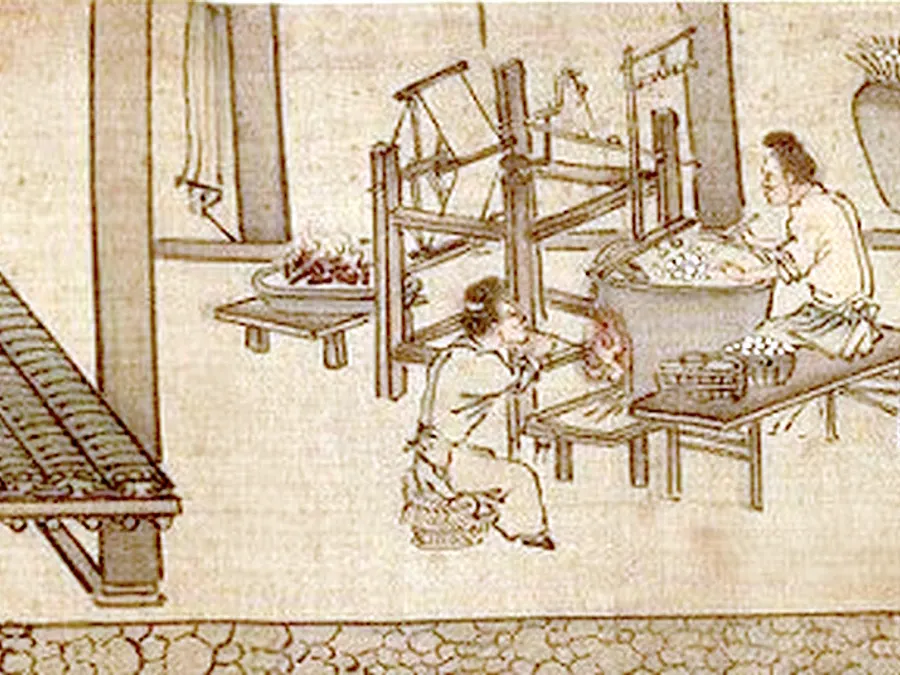
Bulk Handwoven Silk from China
Handwoven silk by the metre and in garments. Review 1 China supplier research records with explicit evidence status and buyer checks for retail, hospitality, gifting, and sourcing teams.
GreenFlip does not yet hold a verified MOQ, FOB price, or production lead time for Handwoven Silk from China. This page organises 1 research records by origin and craft. Public-web fields remain unconfirmed until the legal entity, production capability, current quotation, certificates, references, and sample are checked.
Evidence to request for Handwoven Silk
Textile checks: Confirm fibre composition, yarn and weave specification, dimensions, colourfastness, shrinkage, restricted dyes, care labelling, and repeat-order shade tolerance.
Handwoven Silk specification: Define fibre composition, filament or spun construction, fabric weight or momme, weave, usable width, dye method, colourfastness, snag tolerance, finishing, and roll or garment inspection.
For China's production landscape and the checks that apply across every craft in the country, see the China sourcing hub.
Suppliers at a glance
1 suppliers| Supplier | City | MOQ | Price from | Lead time | Certifications | Evidence state | Profile |
|---|---|---|---|---|---|---|---|
| Zhejiang Jiaxin Silk Corp., Ltd. | 🇨🇳 China | Unconfirmed | Unconfirmed | Unconfirmed | grounded | View → |
Visual showcase
6 images · China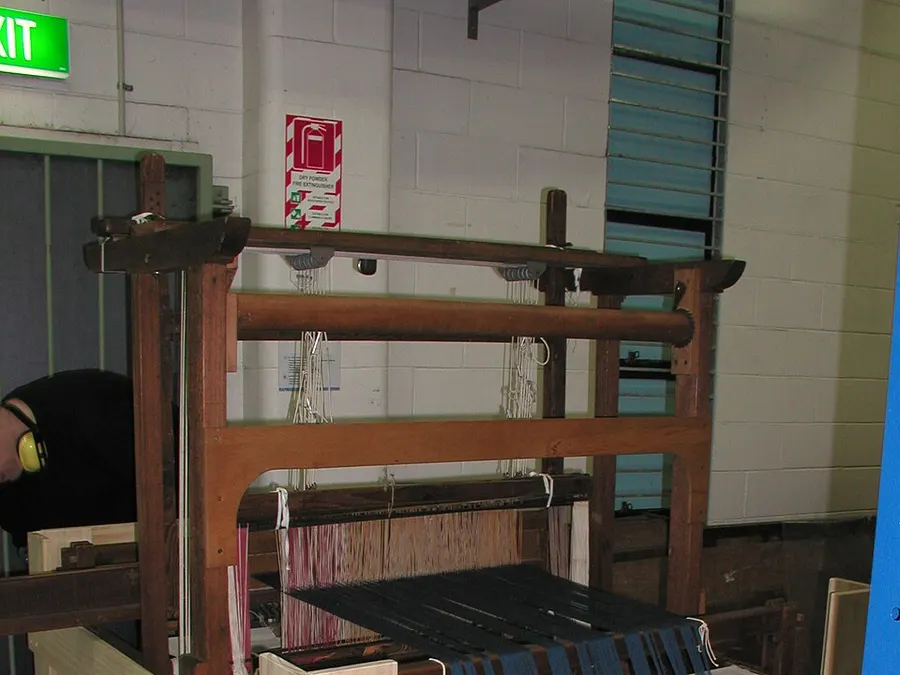
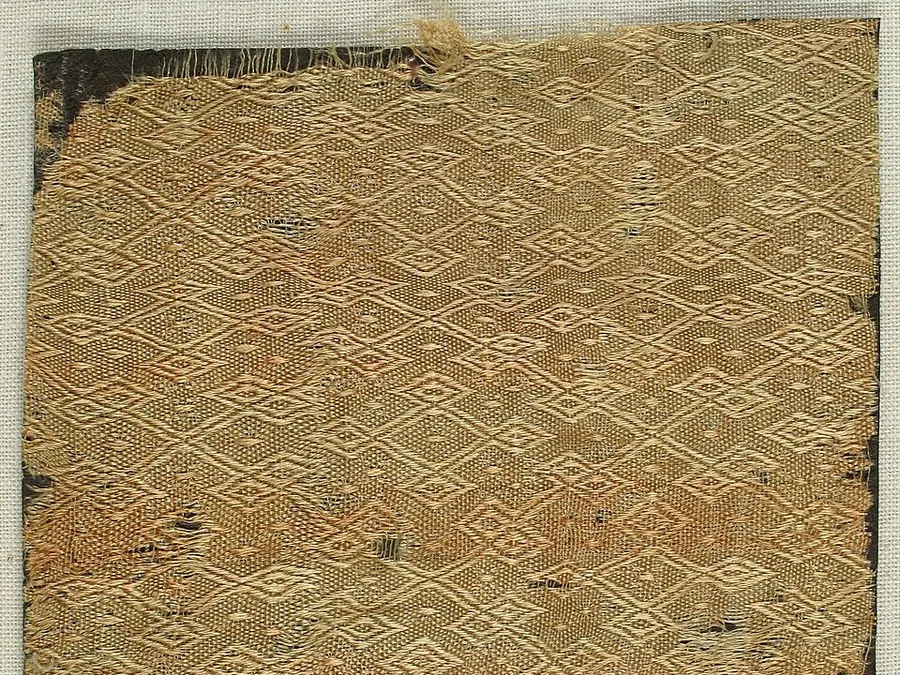
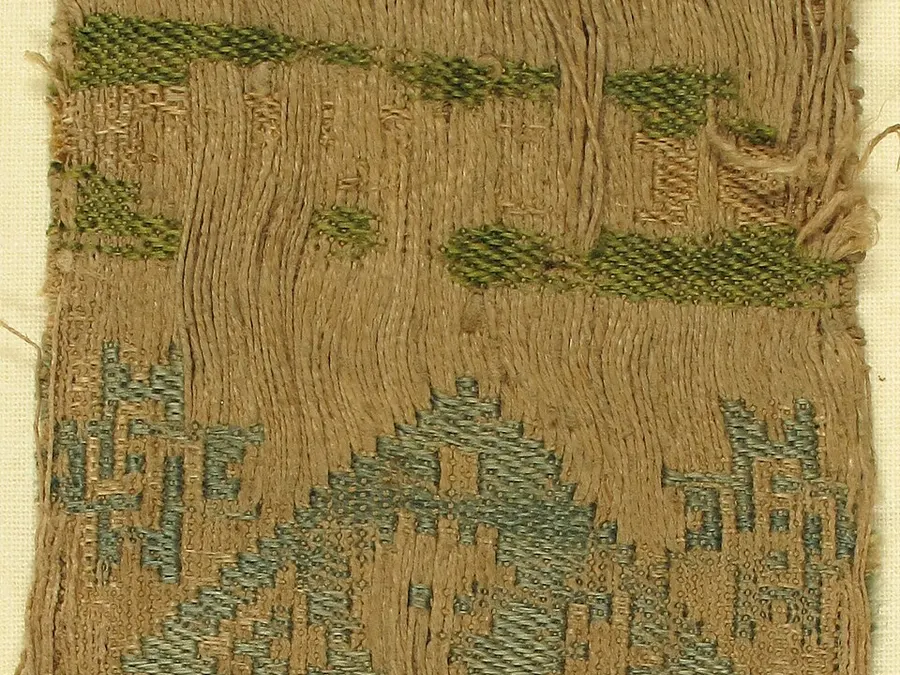
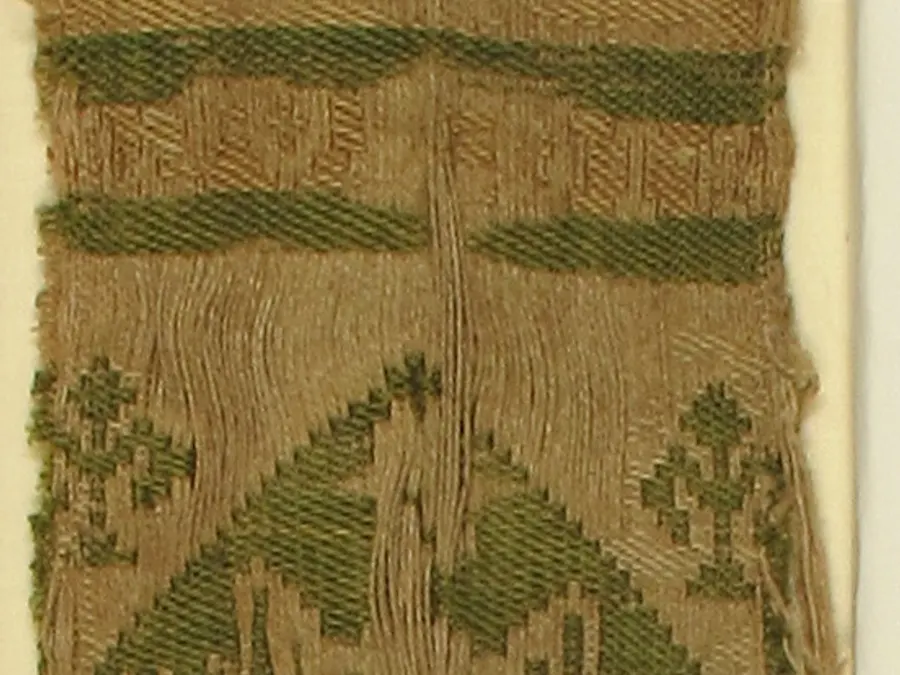
Images are illustrative and verified against our image rights policy. Supplier-provided, fair-trade media kits, or CC-licensed.
Supplier research records
These are leads, not endorsements. Commercial fields only count as confirmed when the profile state is verified.
How to source Handwoven Silk from China in bulk
- 1
Define your brief. Specify quantity per design, Textile grade, dimensions, finish, customisation, packaging, destination, arrival date and budget.
- 2
Research candidates. Use the 1 origin-and-craft record as leads, then verify identity, production capability, certificates, and references.
- 3
Request comparable quotations. Give each candidate the same specification and request a dated quotation, production schedule, sample plan, and named Incoterm.
- 4
Approve samples. Buy production-representative samples and record tolerances, finish, labelling, packing, and inspection criteria before committing to bulk.
- 5
Confirm and ship. Finalise the purchase order, payment protection, inspection, and freight only after the production schedule is confirmed in writing.
Frequently asked questions
Does GreenFlip publish Handwoven Silk buyer guidance for China?
Not yet. The Handwoven Silk question set on this site was researched against Thailand & Vietnam production, and its answers turn on the mills, origin marks, and finishing practice of those countries, so publishing it here would describe the wrong place. The material and specification checks on this page apply wherever the piece is made; China-specific Handwoven Silk answers go up once that research is done rather than before.
What production lead time should I plan for bulk Handwoven Silk from China?
The single China Handwoven Silk record on file does not carry one, which is why the lead-time column reads Unconfirmed. Ask each candidate for a dated ex-works schedule and the transit time to your port as separate figures.
Which Incoterm and freight details should a China Handwoven Silk RFQ pin down?
Ex-works, FOB, and CIF prices for one Handwoven Silk order are three different numbers, so name the term and the destination port in the request or the quotes will not compare. Settle who books freight, who clears customs at each end, and the packing specification — handicraft cartons are usually volume-rated.
Browse Handwoven Silk by use case
Further reading on Handwoven Silk and China
What is a Letter of Credit? A Guide for Importers
Explain letters of credit for importers: how they work, parties involved, documents required, and pros and cons versus TT
Sourcing Guide: Handicrafts from China
A sourcing guide to China's craft heritage for bulk buyers: Jingdezhen porcelain, Suzhou silk and embroidery, cloisonné, jade carving, and lacquerware
Importing Handicrafts from China: A Complete Guide
Importing handicrafts from China: choosing the right production cluster, setting realistic MOQs, building inspection in, paying safely and clearing customs.
How we chose
We reviewed 1 China Handwoven Silk research record for this page on October 7, 2026. Inclusion means the record matches the origin and craft; it does not mean GreenFlip verified the business or its claims. Only verified records may contribute MOQ, price, lead time, certification, or wholesale Product structured data.