
Bulk Hand-Blown Glass from Egypt
Recycled hand-blown glassware — cups, vases, and lamps. Review 2 Egypt supplier research records with explicit evidence status and buyer checks for retail, hospitality, gifting, and sourcing teams.
GreenFlip does not yet hold a verified MOQ, FOB price, or production lead time for Hand-Blown Glass from Egypt. This page organises 2 research records by origin and craft. Public-web fields remain unconfirmed until the legal entity, production capability, current quotation, certificates, references, and sample are checked.
Evidence to request for Hand-Blown Glass
Glass checks: Specify glass composition, annealing, wall thickness, sharp-edge inspection, colour tolerance, thermal-shock need, electrical role if any, and transit testing.
For Egypt's production landscape and the checks that apply across every craft in the country, see the Egypt sourcing hub.
Suppliers at a glance
2 suppliersVisual showcase
6 images · Egypt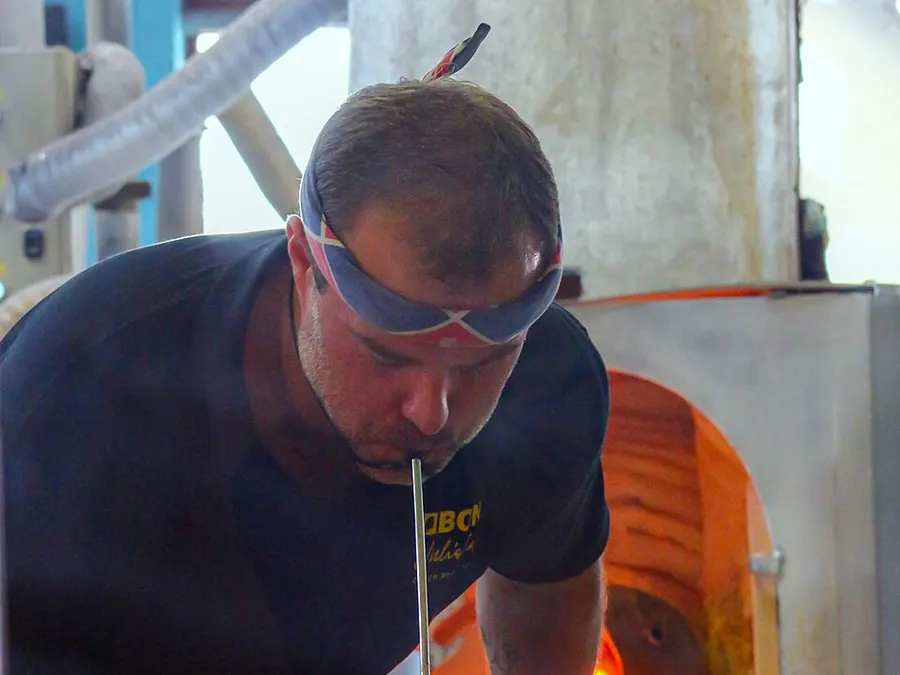
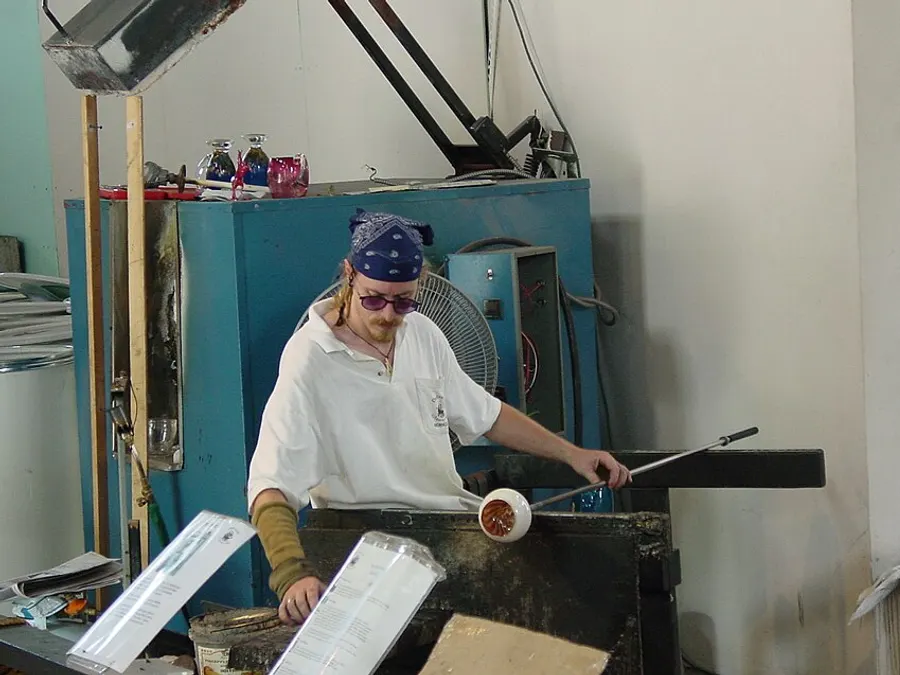
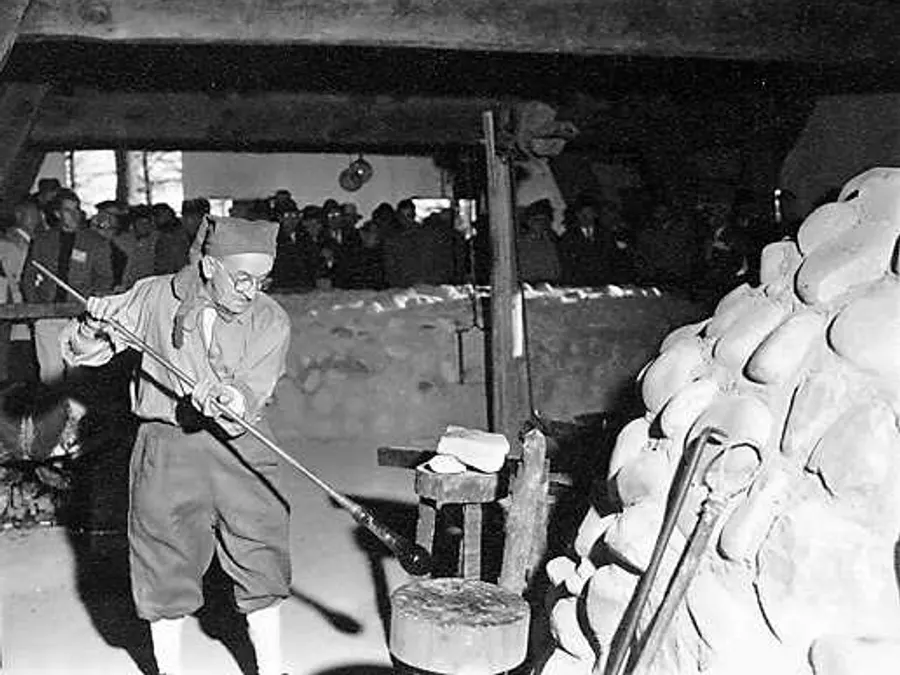
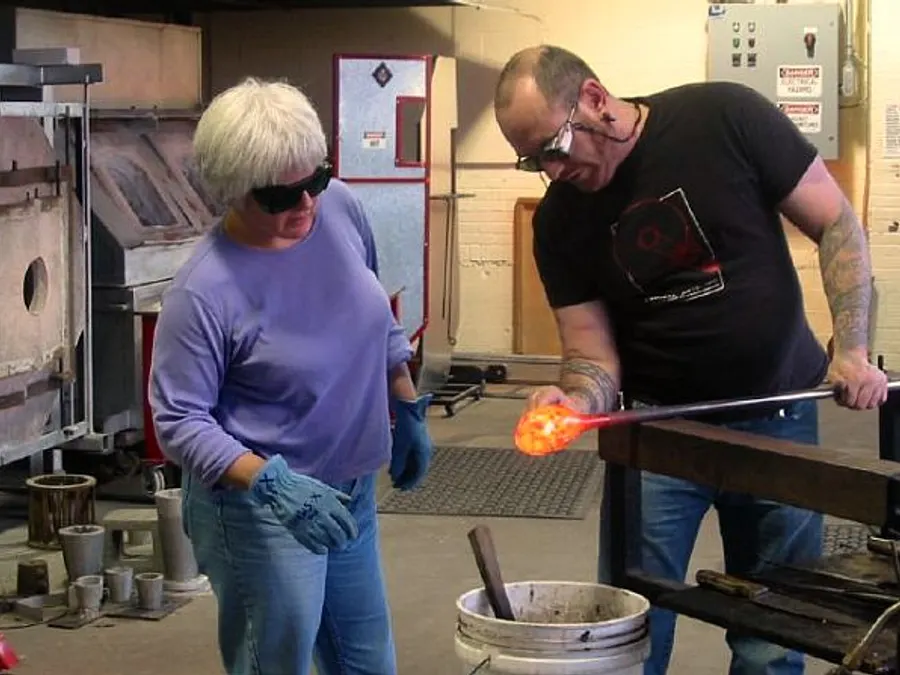
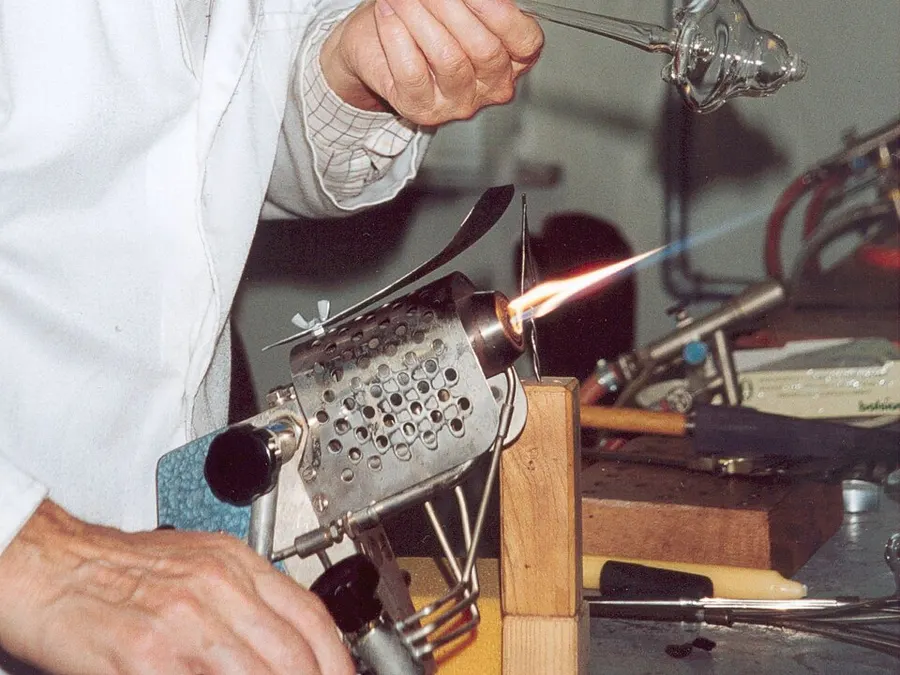
Images are illustrative and verified against our image rights policy. Supplier-provided, fair-trade media kits, or CC-licensed.
Supplier research records
These are leads, not endorsements. Commercial fields only count as confirmed when the profile state is verified.
Vetromano
🇪🇬 Egypt
Vetro Mano is an Egyptian manufacturer of mouth blown and handmade glass artifacts. We have been in this industry for a long time working under the late company "El-Enany for Art Glass Shaping and Decorating". Now, we have re branded our co
Rayan Glass
🇪🇬 Egypt
Shop premium glass products at Rayan Glass! Explore modern glassware design tailored to your needs. Contact us today for expert service.
How to source Hand-Blown Glass from Egypt in bulk
- 1
Define your brief. Specify quantity per design, Glass grade, dimensions, finish, customisation, packaging, destination, arrival date and budget.
- 2
Research candidates. Use the 2 origin-and-craft records as leads, then verify identity, production capability, certificates, and references.
- 3
Request comparable quotations. Give each candidate the same specification and request a dated quotation, production schedule, sample plan, and named Incoterm.
- 4
Approve samples. Buy production-representative samples and record tolerances, finish, labelling, packing, and inspection criteria before committing to bulk.
- 5
Confirm and ship. Finalise the purchase order, payment protection, inspection, and freight only after the production schedule is confirmed in writing.
Frequently asked questions
What drives the MOQ for hand-blown recycled glass cups and vases from Egypt, and how can I bring it down?
MOQ typically starts at 500–1,000 pieces per design because each color change requires pulling and recharging the furnace with a new cullet blend, plus hand labor scales linearly per piece. You can drop to 200–300 pieces by sticking to colors already loaded in the workshop's furnace. Adding a new shape (custom wooden or cast-iron mold) usually pushes MOQ to 1,500+ pieces to amortize the mold cost.
How do I tell a quality hand-blown recycled glass piece from a defective one during incoming inspection?
Acceptable in mouth-blown work: minor asymmetry, faint cord lines from unmelted cullet, and tiny seeds under 1mm. Reject for: visible chill marks (frosted stress cracks near rim or base), bubbles larger than a pinhead, an oval rim that won't hold water, or a base that rocks. Tap the wall — a clear ring indicates proper annealing, a dull thud suggests internal stress that may crack later in transit or in a consumer's dishwasher.
Are the colors in recycled Egyptian hand-blown glass consistent, and can I get a Pantone match?
Colors come from crushed post-consumer cullet (wine bottles, car windscreens, beer bottles) so the same 'green' can shift between olive and forest across batches — true Pantone matching is not feasible with recycled feedstock. Most workshops offer 15–25 reference colors held within a mutually agreed tolerance. For exact color specs you'd need to switch to virgin glass with added mineral oxides, which undermines the recycled-content story buyers are often paying a premium for.
What customizations are realistic for hand-blown recycled glass, and which should I avoid?
Realistic: new shape via custom mold, scale changes, sandblasted logos, fired ceramic decals, and hand-painted rim or band accents applied after annealing. Risky or uneconomic: sub-2mm walls, sharp internal corners, perfect optical symmetry, and complex color recipes that require multiple furnace pulls. Also note that for lamps, custom drilling or threading for UL-listed sockets must be planned at the design stage, not retrofitted.
What certifications or compliance documents should I request for Egyptian hand-blown recycled glassware, especially for food-contact cups?
For any food-contact piece, request third-party lab test reports for lead and cadmium leaching against your target market — LFGB for EU/UK or FDA 21 CFR for the US. For the recycled-content claim, ask the factory for a written declaration of post-consumer cullet percentage (typically 60–100%) plus chain-of-custody notes. Note that Egypt does not have a formal GI for hand-blown glass comparable to Murano, so provenance is established by the specific workshop and furnace rather than a protected regional designation.
What packing and shipping realities should I plan for with hand-blown recycled glass?
Each piece needs an individual corrugated or honeycomb sleeve, then vertical dividers in a double-walled master carton kept under 15–18 kg gross weight to limit drop damage. Plan for a 2–5% break-in rate even with good packing, and build replacement stock into your PO. Sea freight is standard — a 20ft container typically holds 12,000–18,000 small cups depending on dimensions — and because dimensional weight often exceeds actual weight, volumetric charges usually apply rather than scale charges.
What production lead time should I plan for bulk Hand-Blown Glass from Egypt?
None of the 2 Egypt Hand-Blown Glass records on file carries one, which is why the lead-time column reads Unconfirmed. Ask each candidate for a dated ex-works schedule and the transit time to your port as separate figures.
Which Incoterm and freight details should a Egypt Hand-Blown Glass RFQ pin down?
Ex-works, FOB, and CIF prices for one Hand-Blown Glass order are three different numbers, so name the term and the destination port in the request or the quotes will not compare. Settle who books freight, who clears customs at each end, and the packing specification — handicraft cartons are usually volume-rated.
Browse Hand-Blown Glass by use case
Further reading on Hand-Blown Glass and Egypt
Sourcing Egyptian Alabaster Carving in Bulk
Buying Luxor alabaster in bulk: why it is calcite not gypsum, translucency and wall thickness, fissures, lamp certification and the antiquities red line.
Sourcing Khayamiya Appliqué Textiles from Egypt
Buying Cairo tentmaker appliqué in bulk: hand-stitched versus printed, stitch and edge quality, shrinkage, colourfastness, flammability and MOQ realities.
Sourcing Egyptian Papyrus Art in Bulk
Buying papyrus in bulk: telling real papyrus from banana leaf, hand-painted versus printed, humidity and light damage, framing, packing and classification.
Sourcing Guide: Handicrafts from Egypt
A sourcing guide to Egypt's crafts: alabaster carving, khayamiya appliqué, hand-blown glass, papyrus, and mother-of-pearl inlay
How we chose
We reviewed 2 Egypt Hand-Blown Glass research records for this page on October 7, 2026. Inclusion means the record matches the origin and craft; it does not mean GreenFlip verified the business or its claims. Only verified records may contribute MOQ, price, lead time, certification, or wholesale Product structured data.