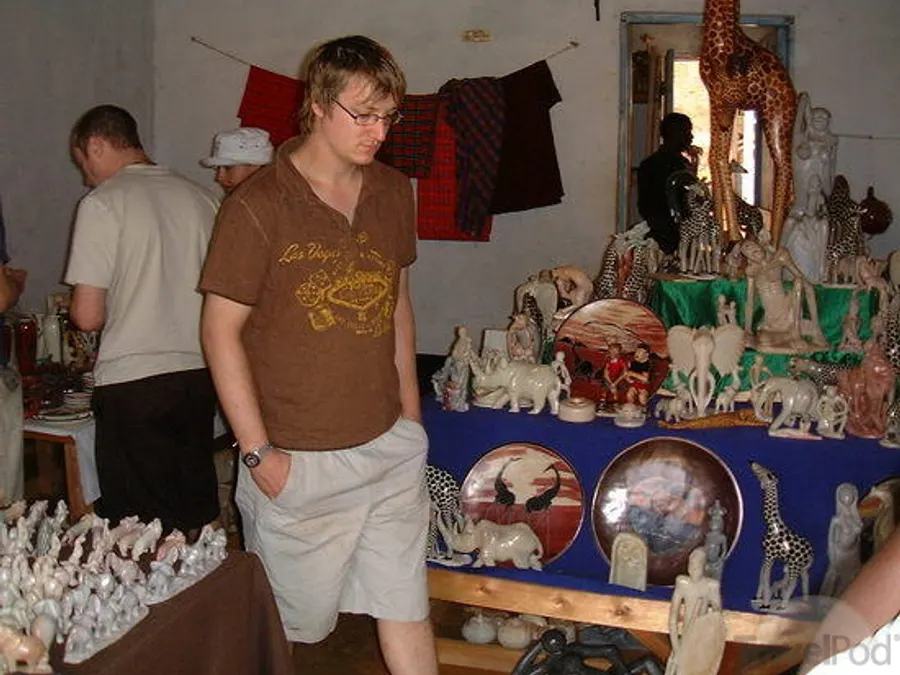
Bulk Kisii Soapstone from Kenya & Ghana
Handcarved Kenyan soapstone sculpture and decor. Review 2 Kenya & Ghana supplier research records with explicit evidence status and buyer checks for retail, hospitality, gifting, and sourcing teams.
GreenFlip does not yet hold a verified MOQ, FOB price, or production lead time for Kisii Soapstone from Kenya & Ghana. This page organises 2 research records by origin and craft. Public-web fields remain unconfirmed until the legal entity, production capability, current quotation, certificates, references, and sample are checked.
Evidence to request for Kisii Soapstone
Stone checks: Confirm stone identity, quarry or regional provenance where claimed, repairs and fillers, dimensional tolerance, finish, sealing, weight, and breakage packing.
For Kenya & Ghana's production landscape and the checks that apply across every craft in the country, see the Kenya & Ghana sourcing hub.
Suppliers at a glance
2 suppliersVisual showcase
3 images · Kenya & Ghana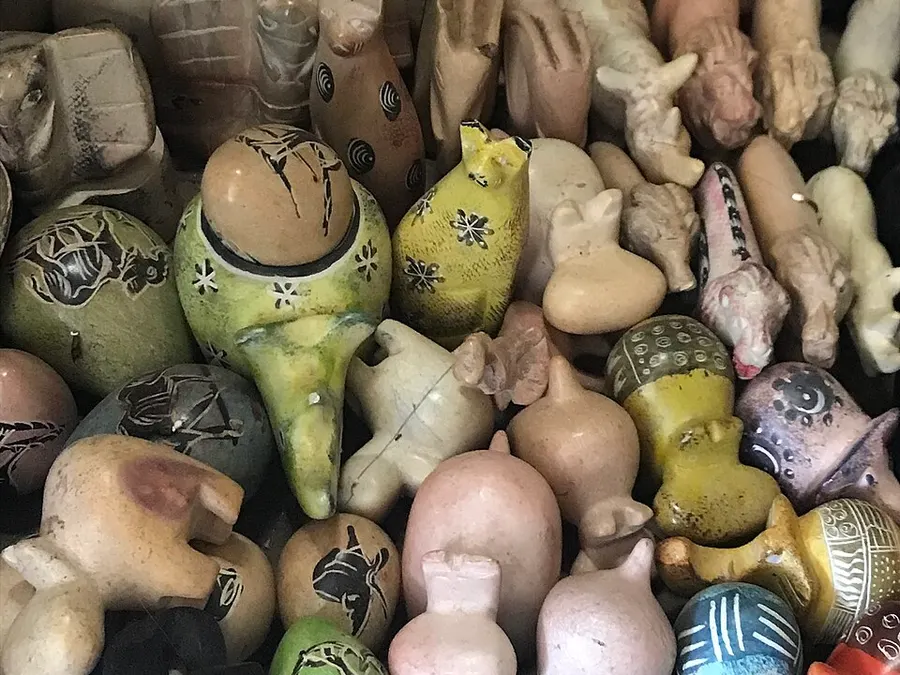
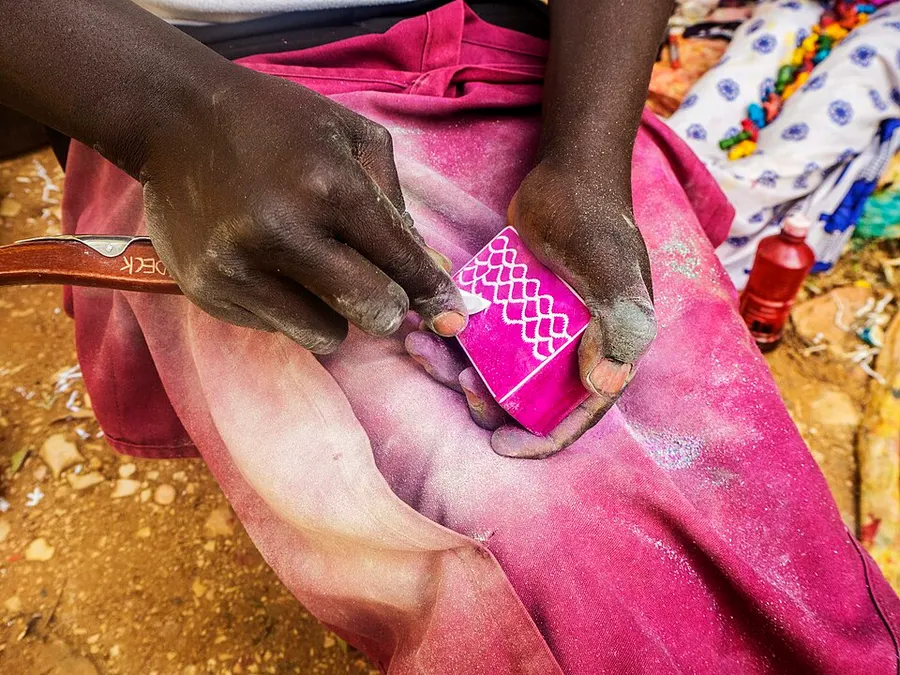
Images are illustrative and verified against our image rights policy. Supplier-provided, fair-trade media kits, or CC-licensed.
Supplier research records
These are leads, not endorsements. Commercial fields only count as confirmed when the profile state is verified.
soapstone.plus.com
🇰🇪 Kenya & Ghana
Kenanda-Steggall Exports specialise in the acquisition and export of Kisii soapstone carvings, which are unique to this part of the African continent.Read more
Tabaka Chigware Self Help Group
🇰🇪 Tabaka, Kenya & Ghana
Self-help group of soapstone carvers in Tabaka, Kisii County, making hand-carved animal figures (hippos, elephants, giraffes, rhinos, zebras, frogs, cats, dogs), heart dishes, plates and bowls.
How to source Kisii Soapstone from Kenya & Ghana in bulk
- 1
Define your brief. Specify quantity per design, Stone grade, dimensions, finish, customisation, packaging, destination, arrival date and budget.
- 2
Research candidates. Use the 2 origin-and-craft records as leads, then verify identity, production capability, certificates, and references.
- 3
Request comparable quotations. Give each candidate the same specification and request a dated quotation, production schedule, sample plan, and named Incoterm.
- 4
Approve samples. Buy production-representative samples and record tolerances, finish, labelling, packing, and inspection criteria before committing to bulk.
- 5
Confirm and ship. Finalise the purchase order, payment protection, inspection, and freight only after the production schedule is confirmed in writing.
Frequently asked questions
What actually drives the MOQ and unit price for hand-carved Kisii soapstone?
The soapstone block itself is inexpensive; the cost is almost entirely the carver's labor, so unit price tracks closely with carving hours. Pieces with thin or fine features — elephant tusks, giraffe horns, nativity figures' fingers, pierced openwork — can take several days each, while simple eggs and spheres are far cheaper and faster. Because each piece is carved individually, MOQs are usually modest per design, but total order value matters more than piece count to make a container-load viable.
How do I judge quality and spot common defects before shipping?
Inspect along the stone's natural veining for hairline cracks, since the talc-rich layers in soapstone tend to split along those planes during or after carving. Check thin extensions like ears, tusks, horns, and outstretched arms for chips, and feel the surface for pits, file marks, or uneven sanding that a carver missed. For dyed pieces, look for dye pooling in recesses, color transfer onto your fingers, or patchy saturation that signals the aniline dye was not properly heat-set or sealed with wax.
What materials and finishes should I expect on authentic pieces?
Genuine Kisii soapstone is a soft steatite (talc-schist) quarried near Tabaka in Kisii County, Kenya, typically pale grey, cream, or with reddish veining. The three common finishes are a natural beeswax or paraffin polish that deepens the stone's color and grain, a hand-rubbed aniline dye in bold solids or color washes (often heat-set over a flame or kiln), and mixed treatments where carved relief is left natural and the background is dyed. Pieces intended as food-contact items such as bowls and egg cups should use wax-only finishes rather than dye.
What are the realistic limits of custom or OEM designs in this craft?
Custom work is one of soapstone's strengths because the stone carves easily with hand files, rasps, and chisels, but the limiting factor is the individual carver's skill rather than any mold or machine. Very thin walls, deep undercuts, and fine extended limbs — for example an elephant with a raised trunk or a human figure with outstretched arms — are structurally risky and break frequently during finishing. Plan on a master sample approval step before production and budget lead times accordingly, as each piece is shaped from a raw block and no two come out identical.
How do I verify provenance and are there any certifications to look for?
Authentic Kisii soapstone originates from the Tabaka quarry belt in Kisii County, Kenya, and reputable exporters will provide a Kenyan Certificate of Origin and invoices naming the cooperative or workshop. I am not aware of a widely recognized international GI or protected designation specifically for Kisii soapstone, so provenance verification relies on direct supplier relationships, site visits, and physical cues like the stone's weight, color, and tool marks. Note that soapstone is also quarried in Ghana (often around the Shai Hills and Volta Region) and other countries, so if Kenyan origin matters, request it be stated on shipping documents and clearly differentiated from material sourced elsewhere.
What packing and shipping considerations are specific to this material?
Soapstone is both heavy and soft, so individual pieces should be wrapped in tissue or foam and packed with rigid dividers or foam inserts — loose fill alone lets pieces grind against each other and chip fine details. Thin features like ears, tusks, and the tips of horns are the most common breakage points in transit, so request extra cardboard corner protectors or custom-fitted foam around them. Dyed pieces can also bleed or sweat color in humid sea-freight conditions, so a moisture barrier and silica gel in the master carton are worth specifying.
What production lead time should I plan for bulk Kisii Soapstone from Kenya & Ghana?
None of the 2 Kenya & Ghana Kisii Soapstone records on file carries one — including the workshop in Tabaka, which is why the lead-time column reads Unconfirmed. Ask each candidate for a dated ex-works schedule and the transit time to your port as separate figures.
Which Incoterm and freight details should a Kenya & Ghana Kisii Soapstone RFQ pin down?
Ex-works, FOB, and CIF prices for one Kisii Soapstone order are three different numbers, so name the term and the destination port in the request or the quotes will not compare. Settle who books freight, who clears customs at each end, and the packing specification — handicraft cartons are usually volume-rated.
Browse Kisii Soapstone by use case
Further reading on Kisii Soapstone and Kenya & Ghana
Sourcing Kente Cloth from Ghana: A Buyer's Guide
Buying woven kente in bulk — Asante and Ewe traditions, strip weaving economics, yarn choices, woven versus printed kente, quality checks, and cultural attribution
Sourcing Krobo Recycled Glass Beads from Ghana
Buying Ghanaian powder-glass beads: how they are made, hole and size consistency, the recycled-glass question, strand versus kilo pricing and compliance.
Sourcing Maasai Beadwork in Bulk: A Buyer's Guide
Buying Kenyan and Tanzanian beadwork at wholesale — bead types, colour meaning, pricing by bead count, cultural attribution, and lead, cadmium, and nickel compliance
Sourcing Guide: Handicrafts from Kenya & Ghana
A sourcing guide to Kenya and Ghana: Kisii soapstone, Kente cloth, Maasai beadwork, and African wood sculpture
How we chose
We reviewed 2 Kenya & Ghana Kisii Soapstone research records for this page on October 7, 2026. Inclusion means the record matches the origin and craft; it does not mean GreenFlip verified the business or its claims. Only verified records may contribute MOQ, price, lead time, certification, or wholesale Product structured data.