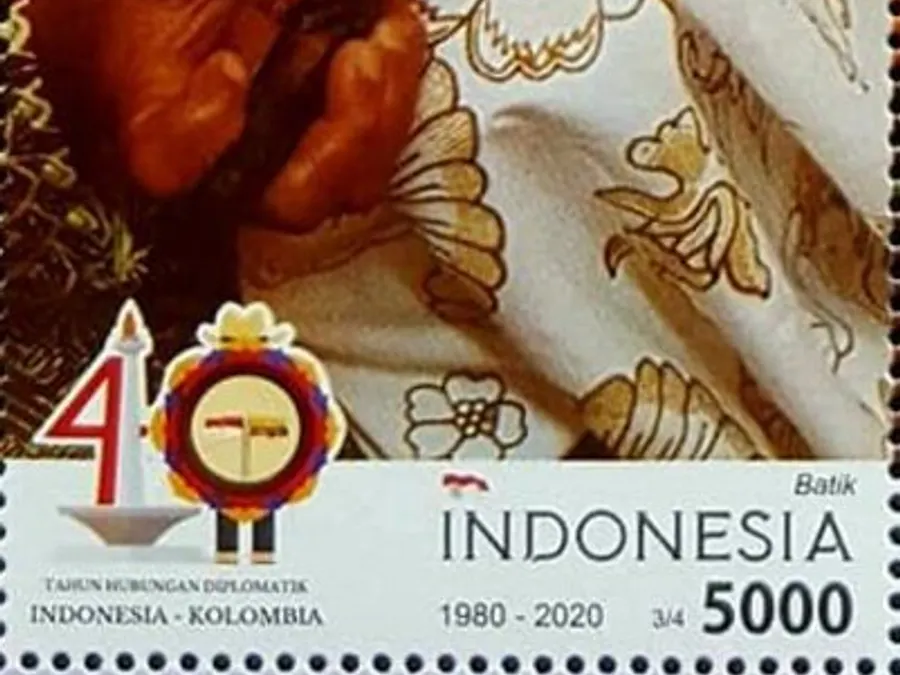
Bulk Batik Textiles from Indonesia
Wax-resist batik fabrics, panels, and garments in bulk. Review 4 Indonesia supplier research records with explicit evidence status and buyer checks for retail, hospitality, gifting, and sourcing teams.
GreenFlip does not yet hold a verified MOQ, FOB price, or production lead time for Batik Textiles from Indonesia. This page organises 4 research records by origin and craft. Public-web fields remain unconfirmed until the legal entity, production capability, current quotation, certificates, references, and sample are checked.
Evidence to request for Batik Textiles
Textile checks: Confirm fibre composition, yarn and weave specification, dimensions, colourfastness, shrinkage, restricted dyes, care labelling, and repeat-order shade tolerance.
For Indonesia's production landscape and the checks that apply across every craft in the country, see the Indonesia sourcing hub.
Suppliers at a glance
4 suppliers| Supplier | City | MOQ | Price from | Lead time | Certifications | Evidence state | Profile |
|---|---|---|---|---|---|---|---|
| Qonita Batik | 🇮🇩 Indonesia | Unconfirmed | Unconfirmed | Unconfirmed | grounded | View → | |
| OtadanBatik.com | 🇮🇩 Indonesia | Unconfirmed | Unconfirmed | Unconfirmed | grounded | View → | |
| B2B Marketplace | 🇮🇩 Indonesia | Unconfirmed | Unconfirmed | Unconfirmed | grounded | View → | |
| Batik Textiles | 🇮🇩 Athena | Unconfirmed | Unconfirmed | Unconfirmed | grounded | View → |
Visual showcase
6 images · Indonesia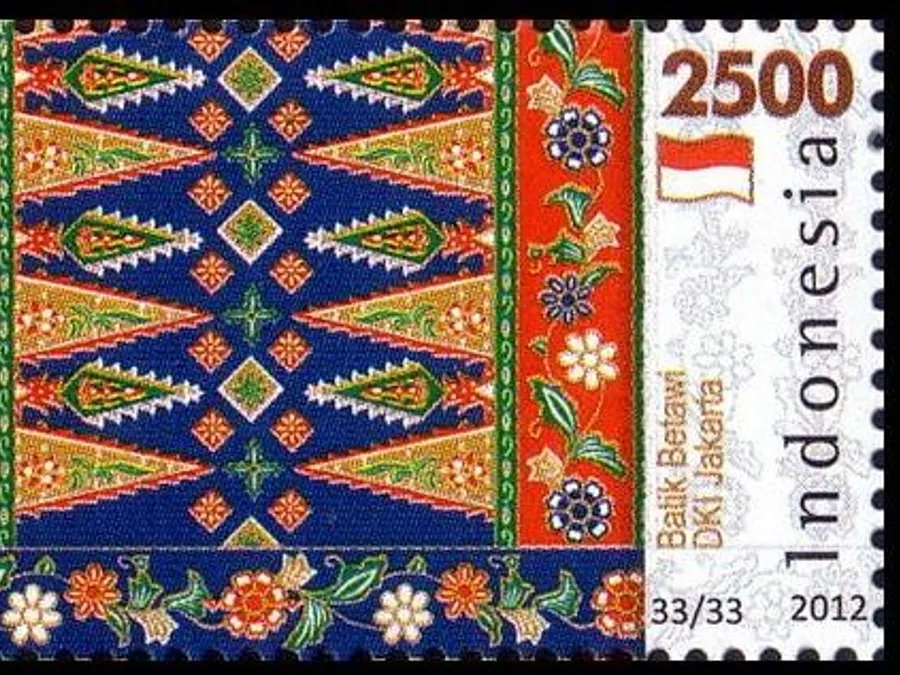
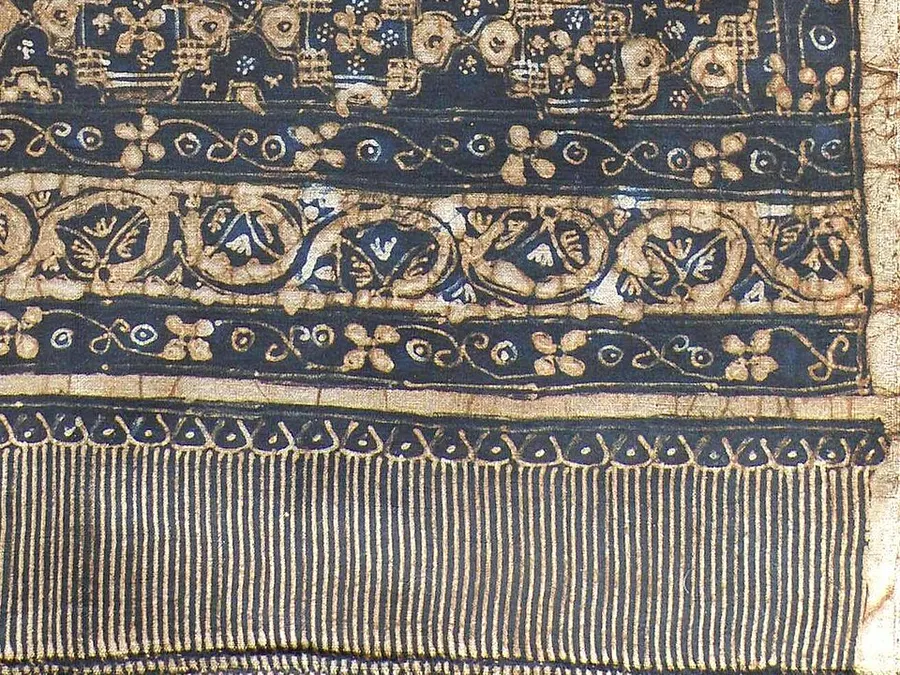
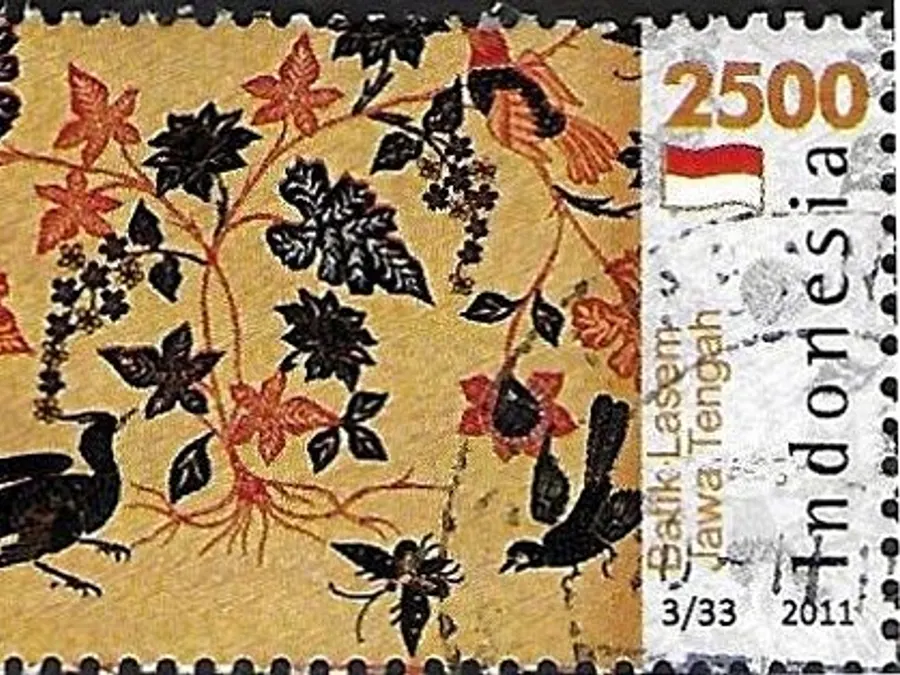
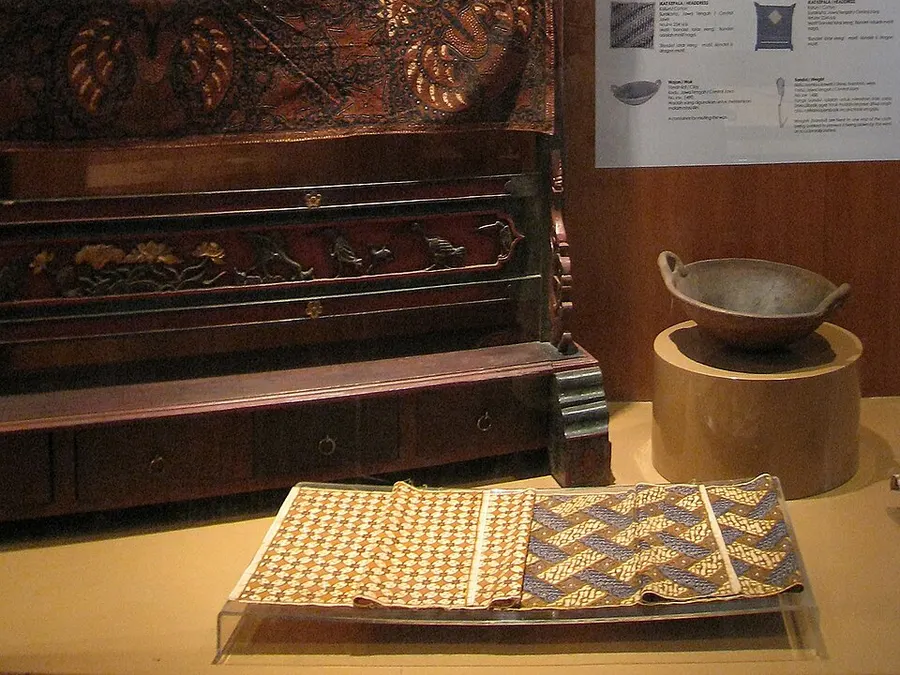
Images are illustrative and verified against our image rights policy. Supplier-provided, fair-trade media kits, or CC-licensed.
Supplier research records
These are leads, not endorsements. Commercial fields only count as confirmed when the profile state is verified.
Qonita Batik
🇮🇩 Indonesia
Direct Indonesian batik manufacturer & wholesale supplier from Pekalongan. We export bulk authentic batik to Malaysia, Singapore, Thailand, Myanmar & worldwide.
OtadanBatik.com
🇮🇩 Indonesia
Need Batik Fabric? Make sure You get the supply from us, an Indonesian Batik Fabric Manufacturer.
B2B Marketplace
🇮🇩 Indonesia, Indonesia
Directory of Wholesale, Manufacturers, Distributors, Trade Leads, Importer and Exporter in Indonesia. Find your Partner Business here, from Small and..
Batik Textiles
🇮🇩 Athena, Indonesia
Cotton Batiks from Bali. New styles every season 4 times a year. High Quality. Beautiful, original, colorful fabrics. Wholesale only.
How to source Batik Textiles from Indonesia in bulk
- 1
Define your brief. Specify quantity per design, Textile grade, dimensions, finish, customisation, packaging, destination, arrival date and budget.
- 2
Research candidates. Use the 4 origin-and-craft records as leads, then verify identity, production capability, certificates, and references.
- 3
Request comparable quotations. Give each candidate the same specification and request a dated quotation, production schedule, sample plan, and named Incoterm.
- 4
Approve samples. Buy production-representative samples and record tolerances, finish, labelling, packing, and inspection criteria before committing to bulk.
- 5
Confirm and ship. Finalise the purchase order, payment protection, inspection, and freight only after the production schedule is confirmed in writing.
Frequently asked questions
What really drives the MOQ and unit price for bulk Indonesian batik fabric orders?
The dominant cost driver is the waxing technique: batik tulis (hand-drawn with a canting) consumes many hours of skilled labor per meter, while batik cap (stamped with a copper block) and batik print (screen) scale far more cheaply. Beyond that, the number of colors matters because each shade requires a separate dye or wax-dip-dye cycle, and the base cloth — cotton mori, rayon, viscose, or silk — changes the price step noticeably. Indigo and natural soga baths also take longer than a single reactive-dye run, pushing up both MOQ and lead time.
How do I judge quality and spot defects in wax-resist batik during incoming inspection?
Hold the cloth up to light and check the back: crisp, continuous wax lines indicate the resist held; fuzzy or broken lines mean dye seeped under the wax. Look for unintentional lilin crack (fine veining) in fields that should be solid color — this is a defect, not the decorative 'crackle' effect. Also check for residual wax stiffness, crocking dye on a white rubbing cloth, and color bleeding along fold lines, which signal under-washing or poor dye fixation.
What fibers and dye systems are typical for Indonesian batik, and do they change the hand-feel?
Cotton mori (grades like primissima/prima/biru) is the everyday base; silk, rayon, and viscose are used for scarves, sarongs, and garments where drape matters. Traditional brown-and-indigo batik is dyed with soga (a mix of jambal/candlenut, tegeran, and indigo) on a cellulosic ground, while modern multi-color batik uses naphthol or remazol reactive dyes for reds, yellows, and greens. Cloth that has not been fully de-waxed or properly washed feels waxy or stiff; a well-finished piece should drape softly with no tackiness.
What should I expect when commissioning a custom motif or Pantone color in batik?
Custom motifs are routine, but each new design means carving a fresh cap block (for batik cap) or drawing a full-scale template (for batik tulis), and pattern repeat size must be agreed up front because it affects yardage efficiency. Pantone matching is realistic on reactive-dye lots, but expect a lab dip and a ±10–15% shade shift between batches, especially on natural soga which is famously variable. Plan lead times that include the waxing stage, repeated dye vats (one per color), sun-drying, and a final boil-out — rushing any of these is the usual cause of defects.
Which certifications and provenance marks actually apply to Indonesian batik?
"Batik Indonesia" is registered as a national geographical indication, and specific regional styles such as Batik Solo, Batik Yogyakarta, Batik Pekalongan, Batik Cirebon, and Batik Lasem hold their own recognized GI status. For authenticity of technique, pieces may carry the community-managed "Batik Tulis Indonesia" or "Batik Cap Indonesia" self-declaration labels, which distinguish hand-drawn and hand-stamped work from printed imitations. On the chemical side, buyers typically ask for OEKO-TEX Standard 100 or REACH compliance, but these depend on the dye house actually used for the lot, not on batik itself.
Are there packing and shipping quirks specific to wax-resist batik I should brief my forwarder on?
Residual wax and unfixed dye are the two real risks: dark soga and indigo pieces can transfer onto adjacent fabric, so request acid-free tissue between every fold, and on long sea routes ask for silica gel or container desiccants to control humidity that reactivates dyes. Large panels and garment lengths ship better rolled on a cardboard tube than folded, because hard creases can crack the wax pattern and leave permanent marks along the fold line. Mark cartons "keep dry" and "do not iron on print side without a press cloth," and avoid stacking heavy rolls on top, which flattens the motif relief on heavily waxed tulis.
What production lead time should I plan for bulk Batik Textiles from Indonesia?
None of the 4 Indonesia Batik Textiles records on file carries one — including the workshop in Athena, which is why the lead-time column reads Unconfirmed. Ask each candidate for a dated ex-works schedule and the transit time to your port as separate figures.
Which Incoterm and freight details should a Indonesia Batik Textiles RFQ pin down?
Ex-works, FOB, and CIF prices for one Batik Textiles order are three different numbers, so name the term and the destination port in the request or the quotes will not compare. Settle who books freight, who clears customs at each end, and the packing specification — handicraft cartons are usually volume-rated.
Browse Batik Textiles by use case
Further reading on Batik Textiles and Indonesia
How we chose
We reviewed 4 Indonesia Batik Textiles research records for this page on October 7, 2026. Inclusion means the record matches the origin and craft; it does not mean GreenFlip verified the business or its claims. Only verified records may contribute MOQ, price, lead time, certification, or wholesale Product structured data.