Bulk Andean Pottery from Peru
Pre-Columbian revival and contemporary Andean ceramics. Review 0 Peru supplier research records with explicit evidence status and buyer checks for retail, hospitality, gifting, and sourcing teams.
GreenFlip does not yet hold a verified MOQ, FOB price, or production lead time for Andean Pottery from Peru. This page organises 0 research records by origin and craft. Public-web fields remain unconfirmed until the legal entity, production capability, current quotation, certificates, references, and sample are checked.
Evidence to request for Andean Pottery
Ceramic checks: Specify body and firing method, glaze and decoration, lead and cadmium migration limits, food-contact scope, crazing and thermal-shock tests, and breakage allowance.
For Peru's production landscape and the checks that apply across every craft in the country, see the Peru sourcing hub.
Suppliers at a glance
0 suppliersWe're onboarding more Peru Andean Pottery suppliers.
Request a quote and we'll match youVisual showcase
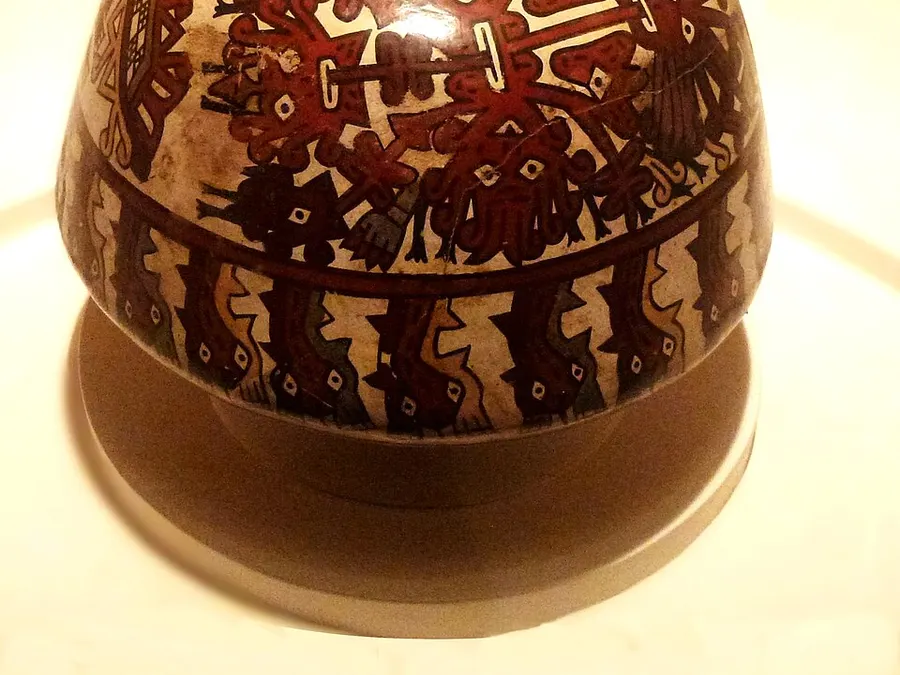
6 images · Peru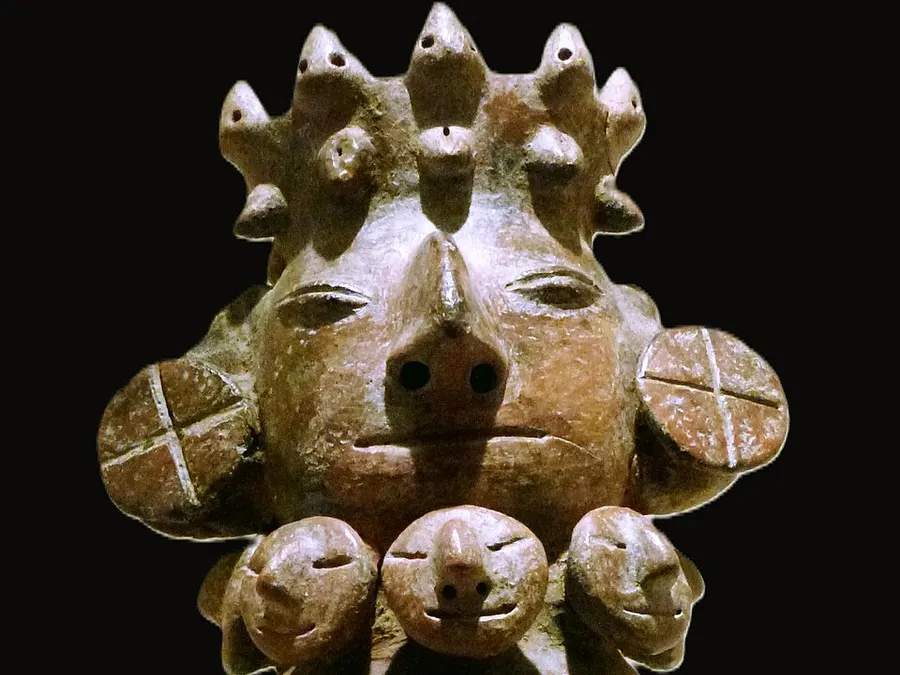
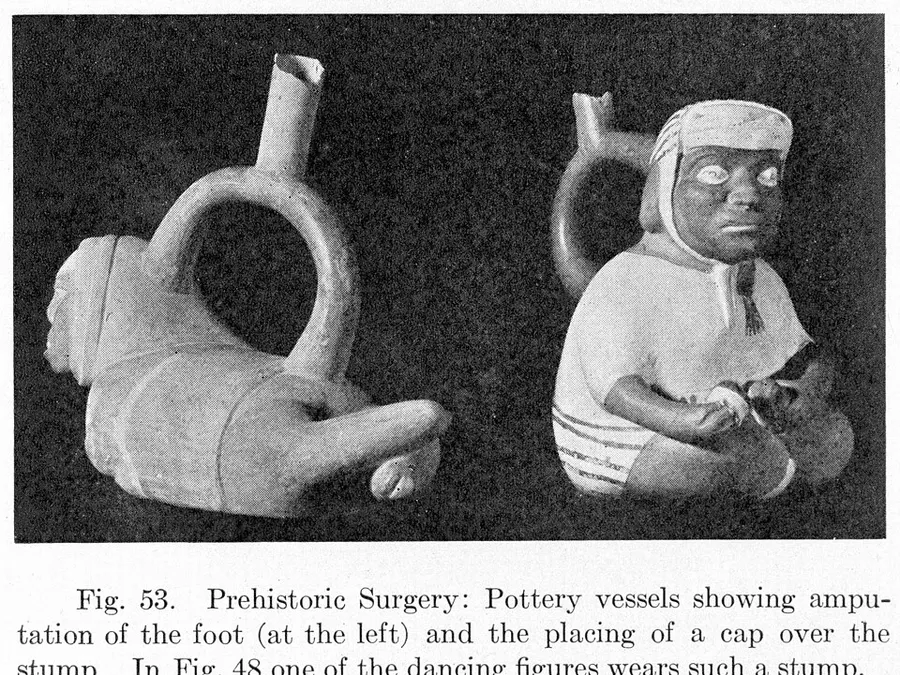
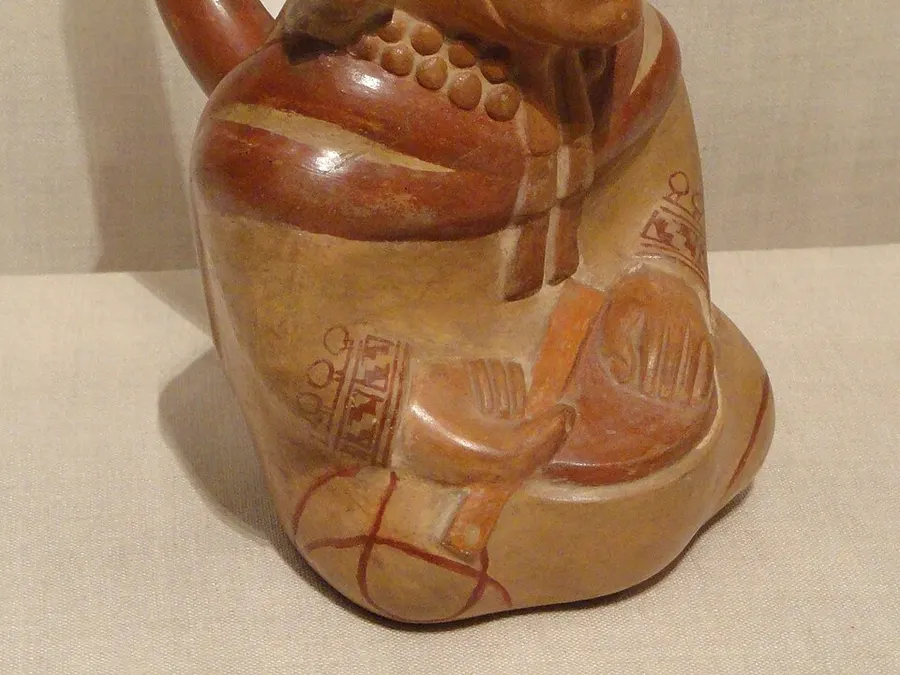
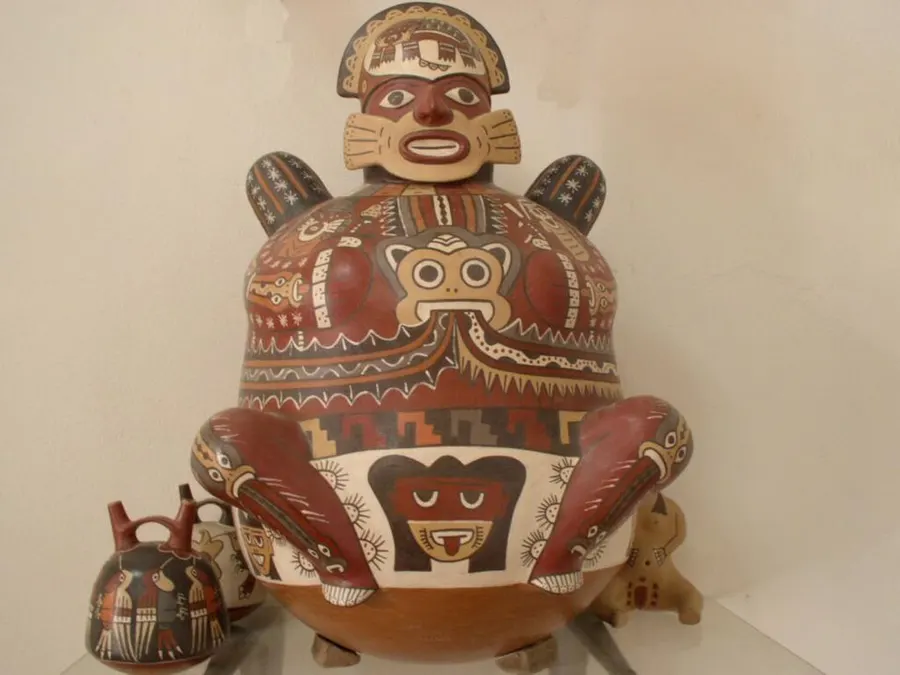
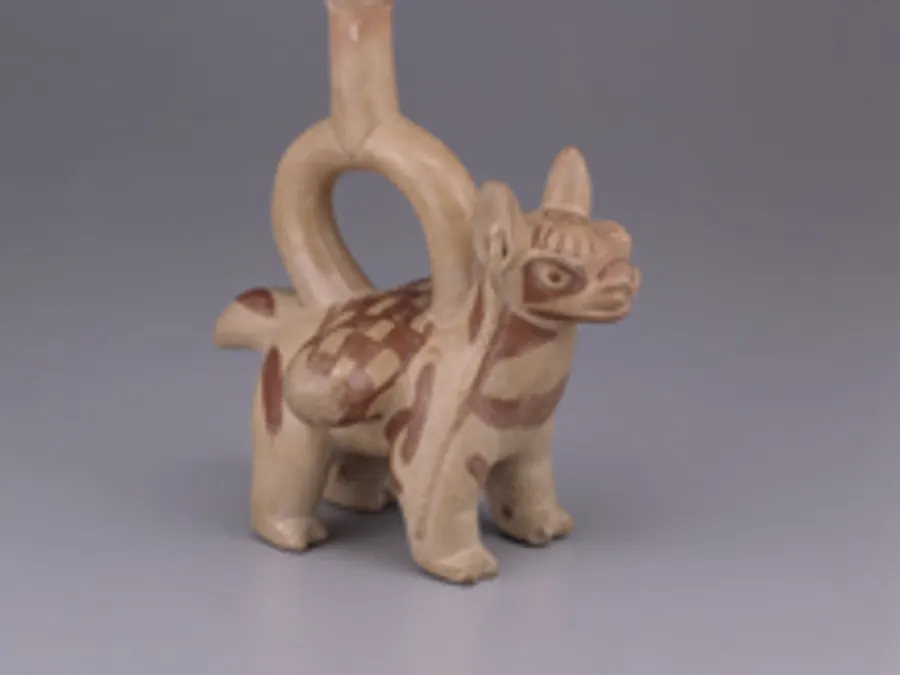
Images are illustrative and verified against our image rights policy. Supplier-provided, fair-trade media kits, or CC-licensed.
How to source Andean Pottery from Peru in bulk
- 1
Define your brief. Specify quantity per design, Ceramic grade, dimensions, finish, customisation, packaging, destination, arrival date and budget.
- 2
Research candidates. Use the 0 origin-and-craft records as leads, then verify identity, production capability, certificates, and references.
- 3
Request comparable quotations. Give each candidate the same specification and request a dated quotation, production schedule, sample plan, and named Incoterm.
- 4
Approve samples. Buy production-representative samples and record tolerances, finish, labelling, packing, and inspection criteria before committing to bulk.
- 5
Confirm and ship. Finalise the purchase order, payment protection, inspection, and freight only after the production schedule is confirmed in writing.
Frequently asked questions
Why are MOQs for Andean pottery typically higher and less flexible than for industrially produced ceramics, and what is actually negotiable?
Most pieces are hand-coiled or wheel-thrown by workshops of 3–10 artisans, so throughput is set by available hands, kiln loading, and drying time rather than machine cycles. MOQ also scales with size (a 60 cm Chulucanas-style urn takes weeks vs. a 10 cm figurine) and decoration complexity — multi-color hand-painting with manganese and iron slips can take 2–3 days per piece. You can usually lower MOQ by accepting simpler forms, single-color burnished finishes, or by consolidating several designs into one batch.
What defects and quality markers should we inspect on an incoming Andean pottery shipment before sign-off?
Look for crazing on the slip, pinholing from iron and lime inclusions in the local loza clay, and efflorescence (white salt blooms) on unglazed terracotta that sat in humid containers. Warped rims, hairline kiln cracks at the base, and uneven slip coverage around incised Pre-Columbian motifs (Nazca, Moche, Chancay, Wari-style) are common reject criteria. Smoke darkening and slight color variation from wood-firing are normal and should not be rejected, but a persistent sour or sulfurous smell usually means the piece was not fully dry before firing.
What clays, slips, and pigments are used in traditional Andean ceramics, and can we specify lead-free, food-safe versions?
Workshops in Chulucanas, Cusco, Ayacacucho, and Cajamarca mostly work with local red earthenware (loza) plus kaolin-rich white clays that form the white engobe base characteristic of the tradition. Decoration is typically done with manganese dioxide for blacks, iron oxide for reds and ochres, and copper-bearing minerals for greens, applied by brush or resist and then burnished. Food-safe, lead-free formulations are available, but you must specify this at quote stage — many traditional decorative pieces use raw mineral slips that are not certified for food contact.
Can we commission our own designs or reinterpret specific Pre-Columbian motifs for a private-label collection?
Artisans can adapt geometric, zoomorphic, and stylized figurative patterns from Chavín, Moche, Nazca, and Inca repertoires into new compositions, but exact replicas of protected archaeological iconography — Nazca line figures, Moche portrait vessels, Paracas textiles-style motifs — should be cleared for cultural-sensitivity reasons. Most workshops work from sketches or reference photos and expect 1–2 sample rounds before bulk production. Color matching across batches is harder than with industrial glazes because natural mineral slips shift from kiln to kiln, so build a 10–15% overage into your PO.
Is there a Denomination of Origin or geographical indication for Peruvian ceramics, and how do we verify a piece is authentic?
Yes — Cerámica de Chulucanas holds a Denominación de Origen registered with INDECOPI, covering the black-and-white manganese-and-burnish decorative tradition from the town of Chulucanas in Piura and requiring production within the designated geographic area. Pieces sold under this DO should ship with a certificate carrying the INDECOPI registration number, which you can cross-check in the INDECOPI online registry. For other regions such as Cusco, Quinua, or Pomacanchi, there is no equivalent DO, so provenance is documented instead through workshop records, artisan signatures on the base, and dated photographs of production.
What packing and shipping requirements should we specify for Andean pottery, especially for LCL sea freight from Callao?
Terracotta is heavy and chip-prone, so each piece should be wrapped in acid-free tissue, then bubble wrap, with corner protectors, and packed vertically in double-walled corrugated cartons with at least 5 cm of cushioning on every face. Sea transit through Callao exposes cargo to high humidity that can trigger efflorescence on unglazed loza, so insist on silica gel packets and a polyethylene vapor barrier inside the carton. Wooden crates must comply with ISPM-15 heat treatment or fumigation, and pieces above roughly 40 cm should be crated in plywood with internal cross-bracing rather than boxed loose.
What production lead time should I plan for bulk Andean Pottery from Peru?
None of the 0 Peru Andean Pottery records on file carries one, which is why the lead-time column reads Unconfirmed. Ask each candidate for a dated ex-works schedule and the transit time to your port as separate figures.
Which Incoterm and freight details should a Peru Andean Pottery RFQ pin down?
Ex-works, FOB, and CIF prices for one Andean Pottery order are three different numbers, so name the term and the destination port in the request or the quotes will not compare. Settle who books freight, who clears customs at each end, and the packing specification — handicraft cartons are usually volume-rated.
Browse Andean Pottery by use case
Further reading on Andean Pottery and Peru
Sourcing Peruvian Alpaca Textiles in Bulk
Buying Peruvian alpaca knitwear and home textiles in bulk: micron grades, what baby alpaca really means, blend labelling, pilling and moth control.
Sourcing Guide: Handicrafts from Peru
Peru's four export craft categories for bulk buyers: Andean alpaca textiles, Ayacucho retablos, regional pottery, and silverwork from the Cusco corridor.
How we chose
We reviewed 0 Peru Andean Pottery research records for this page on October 7, 2026. Inclusion means the record matches the origin and craft; it does not mean GreenFlip verified the business or its claims. Only verified records may contribute MOQ, price, lead time, certification, or wholesale Product structured data.