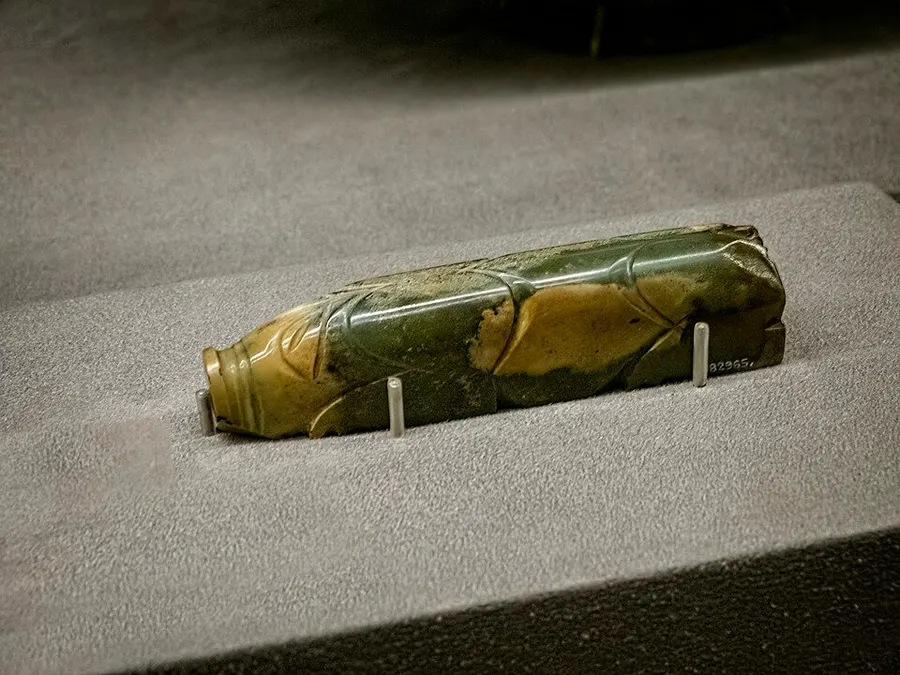
Bulk Jade & Stone Carving from China
Hand-carved jade and hardstone figurines, pendants, and ornaments. Review 0 China supplier research records with explicit evidence status and buyer checks for retail, hospitality, gifting, and sourcing teams.
GreenFlip does not yet hold a verified MOQ, FOB price, or production lead time for Jade & Stone Carving from China. This page organises 0 research records by origin and craft. Public-web fields remain unconfirmed until the legal entity, production capability, current quotation, certificates, references, and sample are checked.
Evidence to request for Jade & Stone Carving
Stone checks: Confirm stone identity, quarry or regional provenance where claimed, repairs and fillers, dimensional tolerance, finish, sealing, weight, and breakage packing.
For China's production landscape and the checks that apply across every craft in the country, see the China sourcing hub.
Suppliers at a glance
0 suppliersWe're onboarding more China Jade & Stone Carving suppliers.
Request a quote and we'll match youVisual showcase
6 images · China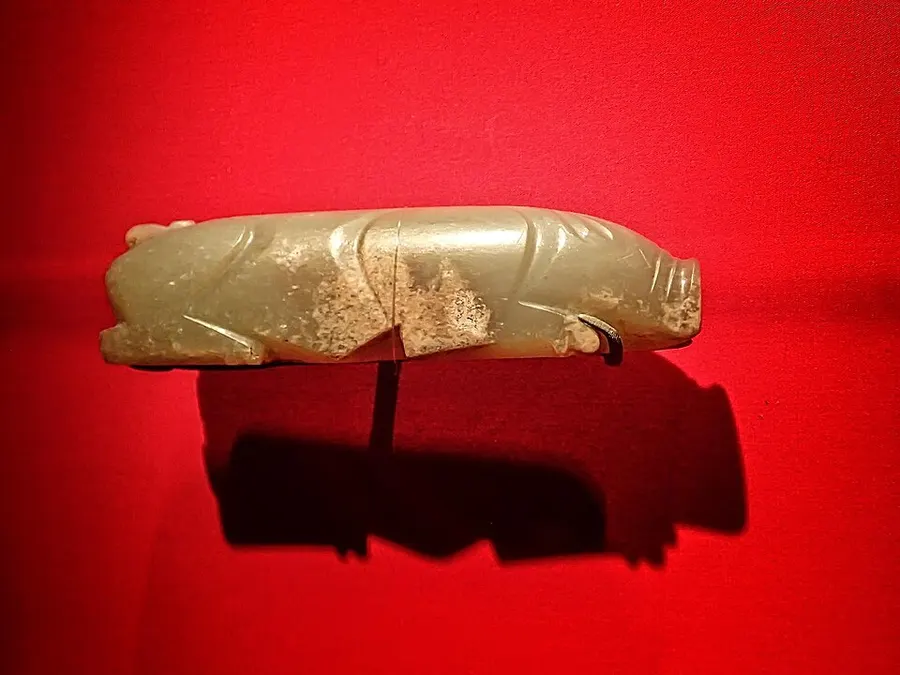
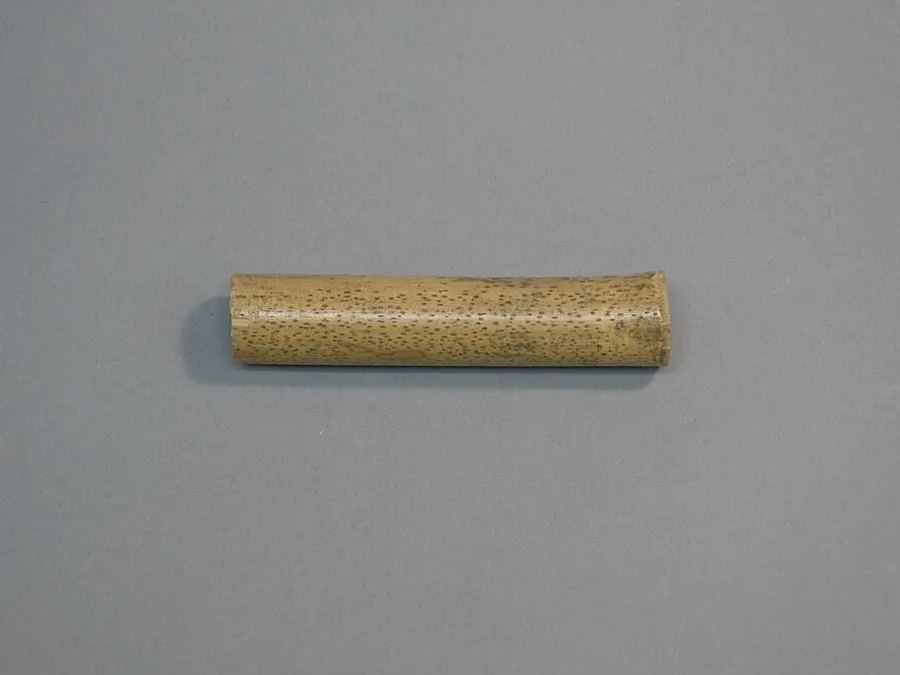
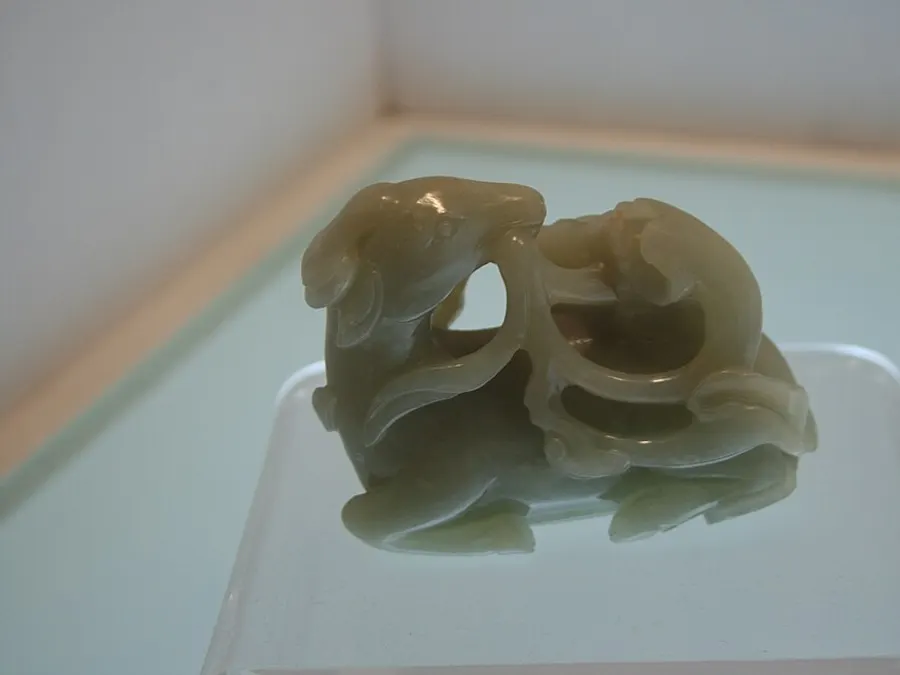
Images are illustrative and verified against our image rights policy. Supplier-provided, fair-trade media kits, or CC-licensed.
How to source Jade & Stone Carving from China in bulk
- 1
Define your brief. Specify quantity per design, Stone grade, dimensions, finish, customisation, packaging, destination, arrival date and budget.
- 2
Research candidates. Use the 0 origin-and-craft records as leads, then verify identity, production capability, certificates, and references.
- 3
Request comparable quotations. Give each candidate the same specification and request a dated quotation, production schedule, sample plan, and named Incoterm.
- 4
Approve samples. Buy production-representative samples and record tolerances, finish, labelling, packing, and inspection criteria before committing to bulk.
- 5
Confirm and ship. Finalise the purchase order, payment protection, inspection, and freight only after the production schedule is confirmed in writing.
Frequently asked questions
What actually drives the MOQ and unit price when I order hand-carved jade pendants or figurines from a China workshop?
MOQ is set by the artisan allocation model — master carvers typically work on one jade figurine at a time for several days to weeks, so a 100-piece order of a complex design means scheduling multiple carvers in parallel. Price is driven primarily by stone grade (jadeite vs Hetian nephrite vs softer serpentine or Xiuyan stone), carving hours (openwork and hollowing can triple the labor), and whether the rough block is supplied by the buyer or sourced from workshop stock. Simple cabochon or relief pendants in nephrite can start at MOQ 50; full three-dimensional figures with detailed drapery or openwork usually require 100+.
How do I distinguish real jade-carving defects from acceptable natural characteristics when inspecting bulk?
Hairline 'healing cracks' (愈合纹) inside nephrite are common and generally acceptable if they don't reach the surface, but open surface fractures that catch a fingernail are rejectable. Watch for resin-filled pits (环氧充填) — these show a flat glossy patch under 10x loupe and a different luster than surrounding polish. Dyed jadeite (C-grade) shows concentration of color along grain lines and in micro-fissures under backlighting, so a torch or strong LED behind the piece is the cheapest QC test.
What's the practical difference between jadeite, nephrite, and the soapstone or serpentine substitutes in this category?
Jadeite (硬玉, including Burmese 'Fei Cui') is the harder, more translucent material with a Mohs rating around 6.5–7 and dominates the higher-end pendant and bangle market. Nephrite (软玉, including Hetian, Dushan, and Xiuyan) is tougher but softer (~Mohs 6) and accounts for most traditional Chinese carved figurines and ornaments in white, celadon, and honey-brown tones. Many items labeled 'jade' from China — especially pale green or mottled pieces — are actually serpentine, soapstone, or Xiuyan 'Xiuyu', which carve faster and drop the unit price substantially; always request the material name in writing, not just the word 'jade'.
What customization limits should I expect when I send my own figurine design to a Chinese stone carver?
The design must be adapted to the rough block — carvers will redraw proportions to follow the natural shape, hide internal flaws, and stay within the block's sound zones, so a 'free' 3D file rarely transfers 1:1. Openwork (透雕) in jadeite is only feasible above roughly 5–6mm wall thickness; thinner struts will snap during carving or final polishing. Expect 2–3 sampling rounds: a wax or clay mockup, a rough-carved sample in cheap stone, and then a finished sample in the actual material before production is released.
What documentation or certification should I require to verify material and provenance of carved jade pieces?
For jadeite above a meaningful value threshold, ask for a certificate from NGTC (National Gemstone Testing Center) or a provincial gemstone testing institute that names the material as 'jadeite (翡翠)' or 'nephrite (和田玉 / 岫玉)' and explicitly states whether any treatment (bleaching, polymer impregnation, dyeing) is detected. A GIA or other international lab report is useful for higher-end single pieces but adds cost and lead time, so it's usually impractical for sub-$50 ornaments. Be cautious if a supplier refuses independent third-party testing or only offers an in-house card with no issuing body.
How should hand-carved jade and stone pieces be packed and shipped to avoid damage in transit?
Each piece should be wrapped in soft foam or acid-free tissue, seated in a fitted EVA or closed-cell foam cavity, and that cavity itself suspended inside an outer carton with at least 5 cm of clearance on all sides to absorb drop impact. Openwork and thin-walled figurines are especially vulnerable to chipping at high points like fingertips, floral tips, and pierced holes — these should be wrapped in additional bubble film and the carton marked 'fragile / this side up.' For long sea freight, include silica desiccant because prolonged humidity can affect dyed stones and any wax or polymer fills used to disguise surface pits.
What production lead time should I plan for bulk Jade & Stone Carving from China?
None of the 0 China Jade & Stone Carving records on file carries one, which is why the lead-time column reads Unconfirmed. Ask each candidate for a dated ex-works schedule and the transit time to your port as separate figures.
Which Incoterm and freight details should a China Jade & Stone Carving RFQ pin down?
Ex-works, FOB, and CIF prices for one Jade & Stone Carving order are three different numbers, so name the term and the destination port in the request or the quotes will not compare. Settle who books freight, who clears customs at each end, and the packing specification — handicraft cartons are usually volume-rated.
Browse Jade & Stone Carving by use case
Further reading on Jade & Stone Carving and China
Sourcing Guide: Handicrafts from China
A sourcing guide to China's craft heritage for bulk buyers: Jingdezhen porcelain, Suzhou silk and embroidery, cloisonné, jade carving, and lacquerware
Importing Handicrafts from China: A Complete Guide
Importing handicrafts from China: choosing the right production cluster, setting realistic MOQs, building inspection in, paying safely and clearing customs.
How we chose
We reviewed 0 China Jade & Stone Carving research records for this page on October 7, 2026. Inclusion means the record matches the origin and craft; it does not mean GreenFlip verified the business or its claims. Only verified records may contribute MOQ, price, lead time, certification, or wholesale Product structured data.