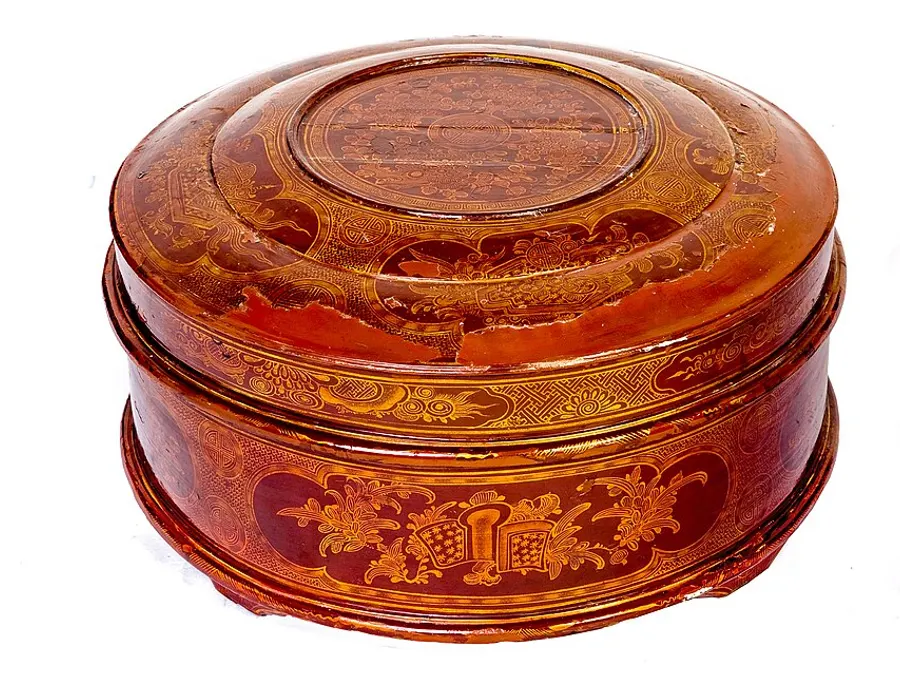
Bulk Lacquerware from China
Hand-lacquered boxes, trays, and decor. Review 1 China supplier research records with explicit evidence status and buyer checks for retail, hospitality, gifting, and sourcing teams.
GreenFlip does not yet hold a verified MOQ, FOB price, or production lead time for Lacquerware from China. This page organises 1 research records by origin and craft. Public-web fields remain unconfirmed until the legal entity, production capability, current quotation, certificates, references, and sample are checked.
Evidence to request for Lacquerware
Lacquer checks: Confirm substrate, lacquer or coating composition, curing time, odour and migration limits, scratch resistance, food-contact scope, and surface-protection packing.
For China's production landscape and the checks that apply across every craft in the country, see the China sourcing hub.
Suppliers at a glance
1 suppliers| Supplier | City | MOQ | Price from | Lead time | Certifications | Evidence state | Profile |
|---|---|---|---|---|---|---|---|
| Chinese Custom Lacquerware Factory, | 🇨🇳 China | Unconfirmed | Unconfirmed | Unconfirmed | grounded | View → |
Visual showcase
6 images · China
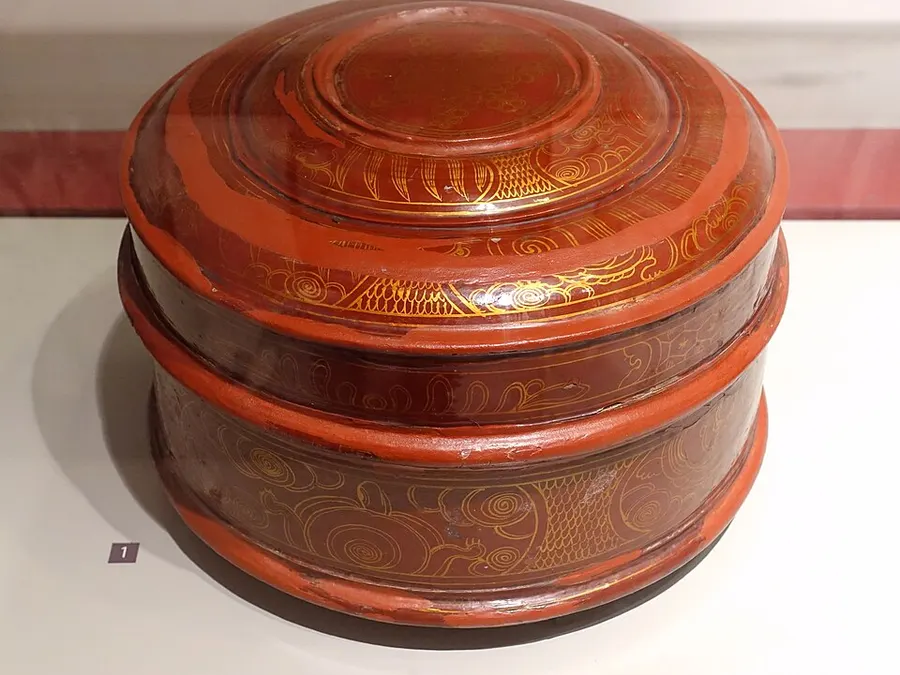
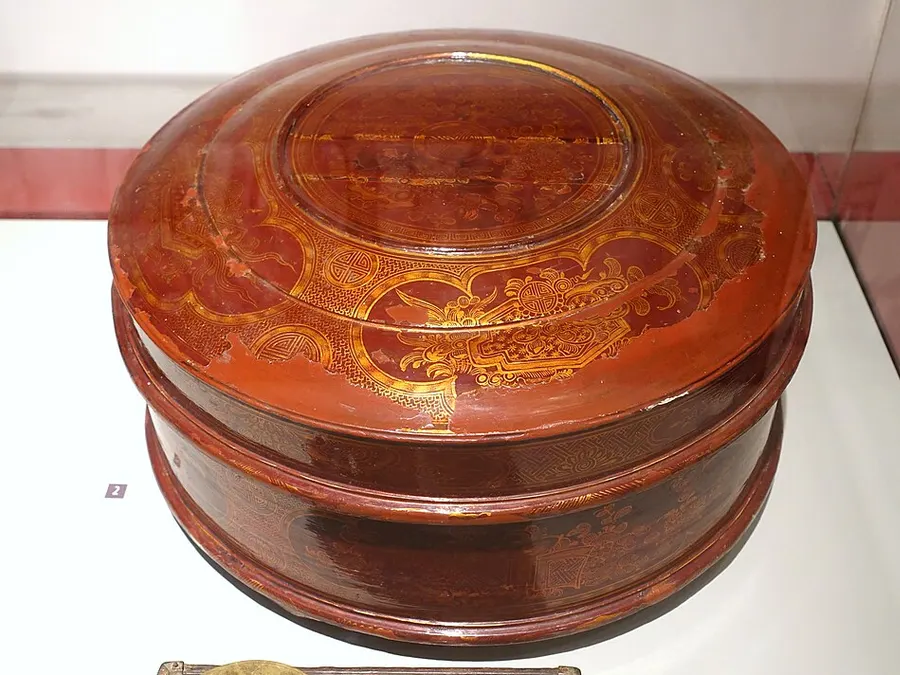
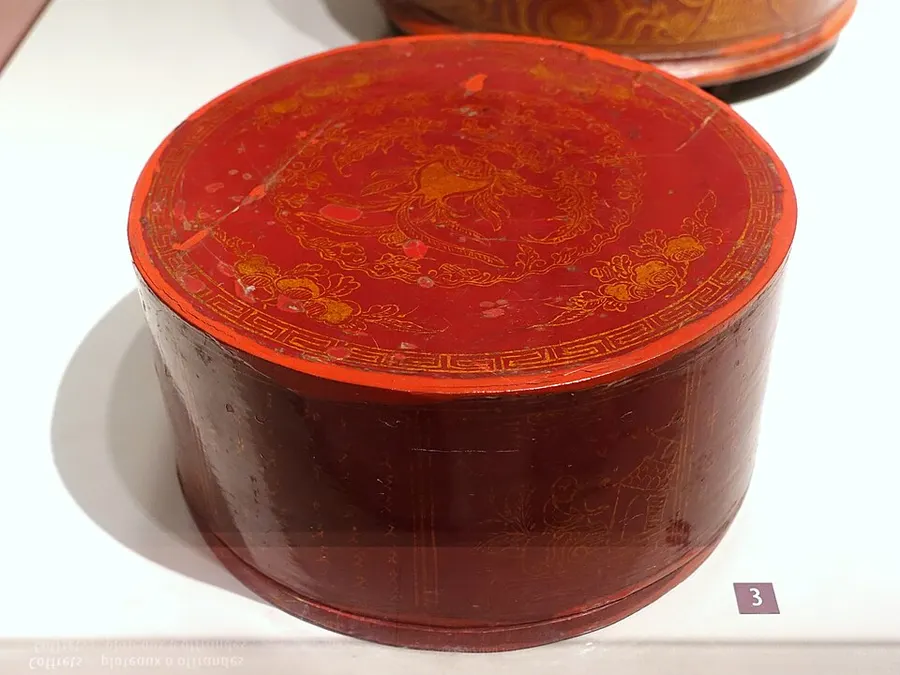
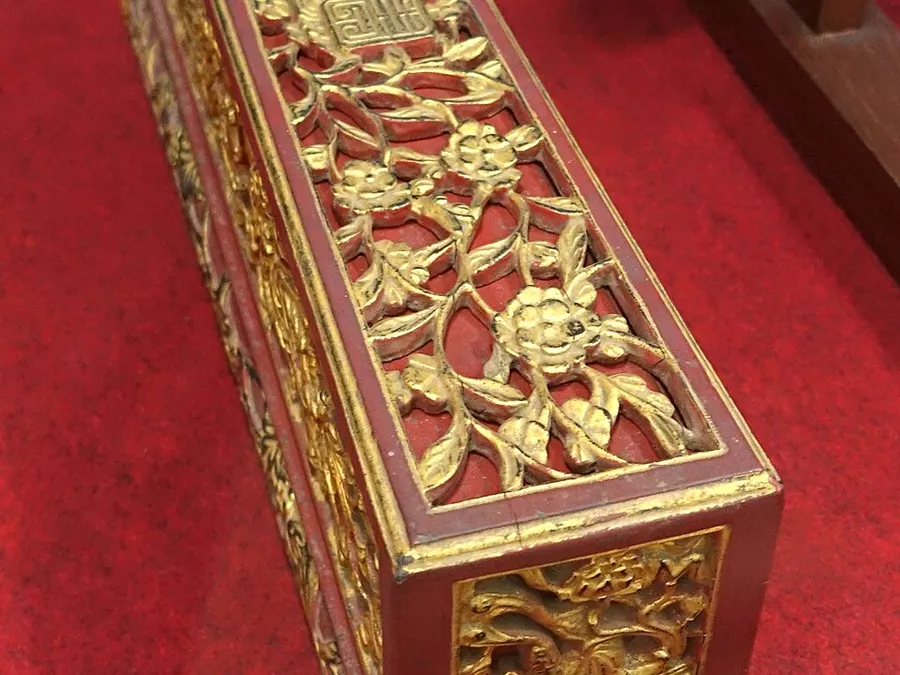
Images are illustrative and verified against our image rights policy. Supplier-provided, fair-trade media kits, or CC-licensed.
Supplier research records
These are leads, not endorsements. Commercial fields only count as confirmed when the profile state is verified.
How to source Lacquerware from China in bulk
- 1
Define your brief. Specify quantity per design, Lacquer grade, dimensions, finish, customisation, packaging, destination, arrival date and budget.
- 2
Research candidates. Use the 1 origin-and-craft record as leads, then verify identity, production capability, certificates, and references.
- 3
Request comparable quotations. Give each candidate the same specification and request a dated quotation, production schedule, sample plan, and named Incoterm.
- 4
Approve samples. Buy production-representative samples and record tolerances, finish, labelling, packing, and inspection criteria before committing to bulk.
- 5
Confirm and ship. Finalise the purchase order, payment protection, inspection, and freight only after the production schedule is confirmed in writing.
Frequently asked questions
What drives the MOQ on hand-lacquered boxes from Binh Duong, and why do inlaid pieces require higher minimums?
MOQ is driven by the number of lacquer coats (often 20–60+ layers on premium sơn mài pieces), each needing 2–5 days to cure in a humidity-controlled room, plus the drying-chamber capacity of the workshop. Eggshell and mother-of-pearl inlay (cẩn trứng, cẩn xà cừ) sharply raise minimums because the inlay is laid down layer by layer between coats and skilled inlay artists are a small labor pool. A plain black or red box can usually be ordered in smaller runs than a fully inlaid jewelry casket or tray.
How do I judge quality and spot common defects in lacquerware during pre-shipment inspection?
Inspect under raking light for trapped dust nibs, pin-bubbles, or 'orange peel' texture between coats — these point to poor booth conditions during layering. Run a fingernail along rims and corners looking for hairline crazing or edge lift, the most common failure when coats were under-cured or applied too thick. Inlaid eggshell or shell pieces should sit flush with no lifted chips, and a gentle tap should sound dense rather than hollow, which would indicate a delaminated core.
What is the difference between natural urushi lacquer and the synthetic PU or epoxy lacquer commonly used on export-grade pieces?
Natural urushi (sơn ta) is sap from the Rhus vernicifera tree, layered and cured in humid chambers; it produces a deep, translucent finish that ages well but is slow, costly, and can sensitize workers' skin during application. Synthetic lacquers (PU, polyester, epoxy) mimic the look, cure fast in ordinary conditions, and keep unit prices low — much of the 'lacquerware' shipped out of China and Vietnam for the mass market is PU-coated wood or MDF. Always ask the supplier for the resin system and whether the substrate is solid wood versus MDF or plywood, since composites expand differently and can crack a real lacquer film.
What customizations are realistic for hand-lacquered OEM orders, and where are the practical limits?
Color matching to a Pantone reference is possible, but the final hue shifts as each coat cures, so plan for lab-dip samples and accept a reasonable Delta E tolerance rather than a perfect print match. Logo inlay in gold leaf, eggshell, or painted monogram works well on flat lids and tray bases but is hard to execute cleanly on curved walls, where wet lacquer can sag before curing. Heavily carved or fully inlaid designs usually force a higher MOQ and longer lead time because the inlay zones interrupt the normal coating sequence and need their own curing steps.
What documentation and compliance paperwork should I expect when importing hand-lacquered items from Vietnam, Thailand, or China?
If the piece contains mother-of-pearl, abalone, turbo shell, or any freshwater mussel inlay, request a CITES review — some species require export permits in both Vietnam and China, and Thai customs will check pearl-shell items at the border. For the EU, ask for REACH compliance plus a finished-product test for formaldehyde and heavy metals, since pigmented red and yellow lacquers have historically been flagged. Shipments into California should be screened against Prop 65 for the same substances, and any 'Binh Duong' or origin claim used in marketing should be backed by the workshop's own production evidence rather than just an address.
Are there packing and shipping practices specific to lacquerware that I need to plan around?
Lacquer films are sensitive to sustained humidity swings and direct UV — sea-freight containers sitting in tropical sun can hit 70 °C+ and then 'sweat' on unloading, causing whitening or micro-cracks at corners. Specify silica-gel desiccants, foam cradles (not loose fill), and acid-free tissue between stacked pieces so finishes do not mark each other. Avoid PVC cling film or high-plasticizer bubble wrap, since off-gassing can cloud the surface; EPE foam or PE bubble is safer, and cartons should be allowed 24–48 hours to acclimatize in a cool, dry warehouse before opening in cold-weather destinations.
What production lead time should I plan for bulk Lacquerware from China?
The single China Lacquerware record on file does not carry one, which is why the lead-time column reads Unconfirmed. Ask each candidate for a dated ex-works schedule and the transit time to your port as separate figures.
Which Incoterm and freight details should a China Lacquerware RFQ pin down?
Ex-works, FOB, and CIF prices for one Lacquerware order are three different numbers, so name the term and the destination port in the request or the quotes will not compare. Settle who books freight, who clears customs at each end, and the packing specification — handicraft cartons are usually volume-rated.
Browse Lacquerware by use case
Further reading on Lacquerware and China
Sourcing Guide: Handicrafts from China
A sourcing guide to China's craft heritage for bulk buyers: Jingdezhen porcelain, Suzhou silk and embroidery, cloisonné, jade carving, and lacquerware
Importing Handicrafts from China: A Complete Guide
Importing handicrafts from China: choosing the right production cluster, setting realistic MOQs, building inspection in, paying safely and clearing customs.
How we chose
We reviewed 1 China Lacquerware research record for this page on October 7, 2026. Inclusion means the record matches the origin and craft; it does not mean GreenFlip verified the business or its claims. Only verified records may contribute MOQ, price, lead time, certification, or wholesale Product structured data.