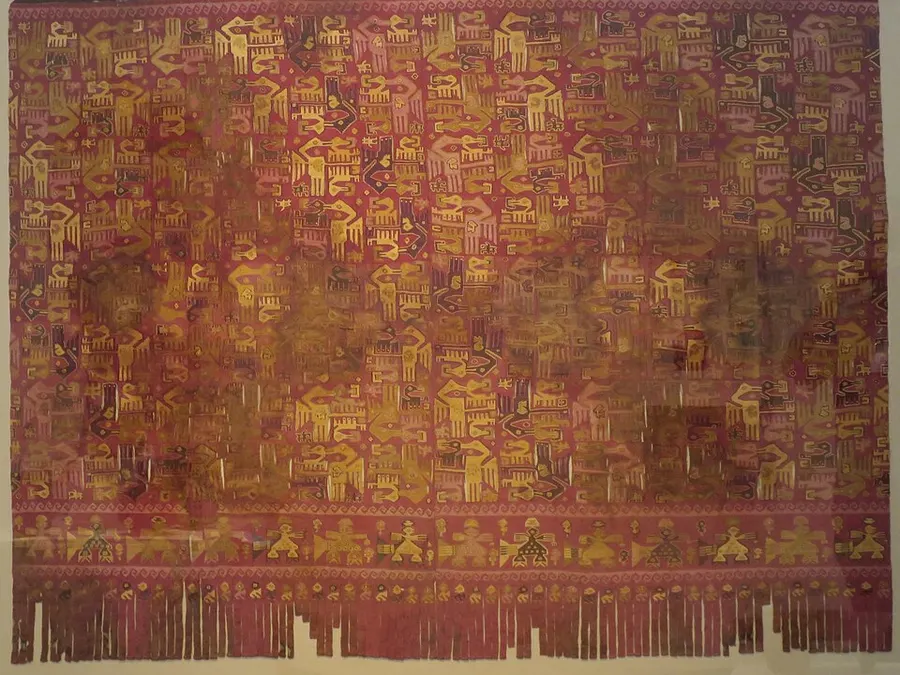
Bulk Alpaca Textiles from Peru
Alpaca and llama fibre blankets, throws, and knit in bulk. Review 2 Peru supplier research records with explicit evidence status and buyer checks for retail, hospitality, gifting, and sourcing teams.
GreenFlip does not yet hold a verified MOQ, FOB price, or production lead time for Alpaca Textiles from Peru. This page organises 2 research records by origin and craft. Public-web fields remain unconfirmed until the legal entity, production capability, current quotation, certificates, references, and sample are checked.
Evidence to request for Alpaca Textiles
Textile checks: Confirm fibre composition, yarn and weave specification, dimensions, colourfastness, shrinkage, restricted dyes, care labelling, and repeat-order shade tolerance.
For Peru's production landscape and the checks that apply across every craft in the country, see the Peru sourcing hub.
Suppliers at a glance
2 suppliersVisual showcase
3 images · Peru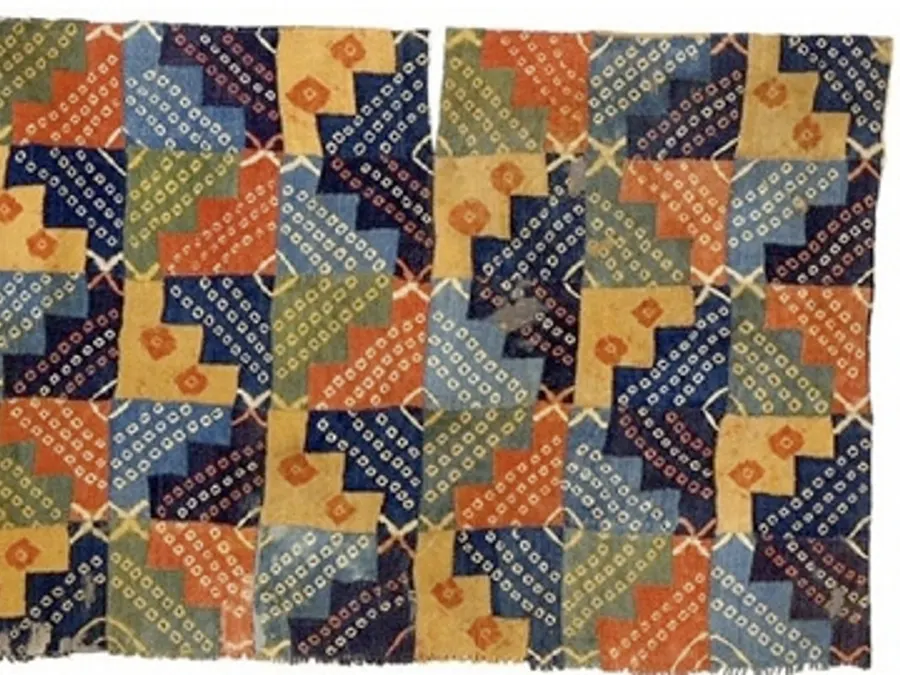
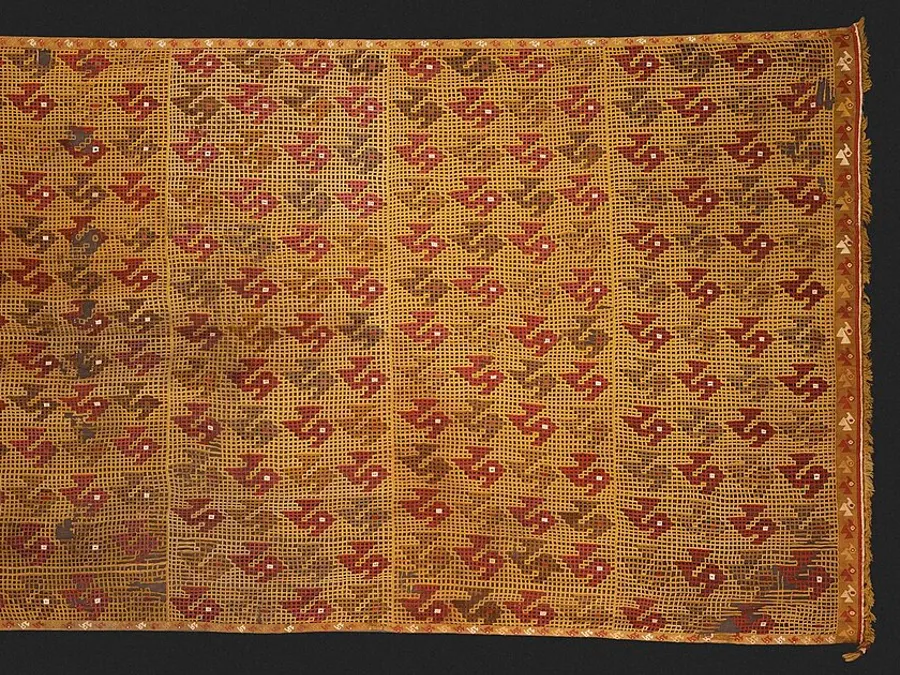
Images are illustrative and verified against our image rights policy. Supplier-provided, fair-trade media kits, or CC-licensed.
Supplier research records
These are leads, not endorsements. Commercial fields only count as confirmed when the profile state is verified.
The Alpaca Factory
🇵🇪 Peru
The Alpaca Factory – trusted alpaca wholesale supplier in the USA. Shop baby alpaca scarves, gloves, blankets, socks, and yarn. Sustainable, bulk orders.
Alpaca Textile Factory from Peru
🇵🇪 Peru
Textialpaca: Leading alpaca textile factory in Peru. Discover socially responsible and eco-friendly alpaca products.
How to source Alpaca Textiles from Peru in bulk
- 1
Define your brief. Specify quantity per design, Textile grade, dimensions, finish, customisation, packaging, destination, arrival date and budget.
- 2
Research candidates. Use the 2 origin-and-craft records as leads, then verify identity, production capability, certificates, and references.
- 3
Request comparable quotations. Give each candidate the same specification and request a dated quotation, production schedule, sample plan, and named Incoterm.
- 4
Approve samples. Buy production-representative samples and record tolerances, finish, labelling, packing, and inspection criteria before committing to bulk.
- 5
Confirm and ship. Finalise the purchase order, payment protection, inspection, and freight only after the production schedule is confirmed in writing.
Frequently asked questions
What is the typical minimum order quantity for private-label alpaca throws and blankets, and what drives it up or down?
MOQ is driven primarily by the loom setup and dye-lot sizing at the Peruvian mill. Hand-loomed pieces usually carry lower per-design minimums than machine-loomed runs, where a full beam warp must be committed before weaving begins. Custom Pantone dyeing, hand-fringing, or developing a brand-new pattern can push minimums higher and add several weeks of sampling before bulk production is confirmed.
How do I judge the quality of an alpaca throw or blanket during pre-shipment inspection?
Request the micron count on the spec sheet first — true 'baby alpaca' fibre is typically under 22 microns, while adult huacaya usually runs 25–32. Rub the surface firmly against the nap to test for shedding, and inspect the selvedge, fringe joins, and any hand-tied ends for loose yarn, which signals weak spinning or poor finishing. Color consistency across the same dye lot is critical, because alpaca fibre absorbs dye unevenly if the scouring (washing) step was rushed.
What is the practical difference between huacaya, suri, and llama fibre in a finished blanket?
Huacaya is the most common alpaca fibre, with a crimped, loftier handle that suits woven blankets, throws, and chunky knit accessories. Suri is rarer, with long silky locks that drape more fluidly and are typically used in lighter woven pieces or blends. Llama fibre is coarser and stronger, often used as a sturdier weft or blended to add body, but it pills more readily than alpaca and is rarely used alone in a luxury throw.
Can I develop a custom pattern or color with a Peruvian alpaca mill, and what is the realistic OEM lead time?
Most mills in Arequipa and Cusco accept custom pattern development, but they typically require a paid sampling phase of four to eight weeks before bulk confirmation. Pantone-matched dyeing is possible, though natural undyed palettes (ecru, fawn, brown, black, silver grey) are more reliable because alpaca is more dye-sensitive than wool. Custom woven labels, branded packaging, and care inserts are routinely handled in-house, but hand-fringing or hand-tufting will lengthen lead times considerably.
What certifications or origin marks confirm that a textile is genuinely Peruvian alpaca?
Look for the 'Alpaca del Perú' mark, a government-backed origin brand managed by PromPerú that signals fibre sourced and processed in Peru. Mills can also provide documentation from the International Alpaca Association (AIA) and, for organic fibre, GOTS certification covering the full chain from herd to finished textile. Avoid generic 'alpaca blend' claims without mill paperwork, and always request fibre origin documentation at the proforma stage.
What packing and shipping considerations are unique to alpaca textiles from Peru?
Alpaca fibre is vulnerable to moth damage and humidity, so pieces should be wrapped in acid-free tissue and sealed with cedar blocks or moth-repellent strips rather than relying on plastic alone. Because the loft compresses permanently, ask the mill to roll rather than fold blankets and throws for export. For sea freight, request silica desiccants in the container and confirm humidity logs, as prolonged damp during the Callao-to-destination leg can cause musty odor and fibre yellowing.
What production lead time should I plan for bulk Alpaca Textiles from Peru?
None of the 2 Peru Alpaca Textiles records on file carries one, which is why the lead-time column reads Unconfirmed. Ask each candidate for a dated ex-works schedule and the transit time to your port as separate figures.
Which Incoterm and freight details should a Peru Alpaca Textiles RFQ pin down?
Ex-works, FOB, and CIF prices for one Alpaca Textiles order are three different numbers, so name the term and the destination port in the request or the quotes will not compare. Settle who books freight, who clears customs at each end, and the packing specification — handicraft cartons are usually volume-rated.
Browse Alpaca Textiles by use case
Further reading on Alpaca Textiles and Peru
Sourcing Peruvian Alpaca Textiles in Bulk
Buying Peruvian alpaca knitwear and home textiles in bulk: micron grades, what baby alpaca really means, blend labelling, pilling and moth control.
Fair Trade Handicraft Certifications Explained
What FTF, WFTO, Fairtrade International, GoodWeave, BSCI and SEDEX each actually guarantee for handicraft buyers — and what none of them covers.
Sourcing Guide: Handicrafts from Peru
Peru's four export craft categories for bulk buyers: Andean alpaca textiles, Ayacucho retablos, regional pottery, and silverwork from the Cusco corridor.
How we chose
We reviewed 2 Peru Alpaca Textiles research records for this page on October 7, 2026. Inclusion means the record matches the origin and craft; it does not mean GreenFlip verified the business or its claims. Only verified records may contribute MOQ, price, lead time, certification, or wholesale Product structured data.