Bulk Alabaster Carving from Egypt
Hand-carved alabaster vases, lamps, and decorative objects. Review 2 Egypt supplier research records with explicit evidence status and buyer checks for retail, hospitality, gifting, and sourcing teams.
GreenFlip does not yet hold a verified MOQ, FOB price, or production lead time for Alabaster Carving from Egypt. This page organises 2 research records by origin and craft. Public-web fields remain unconfirmed until the legal entity, production capability, current quotation, certificates, references, and sample are checked.
Evidence to request for Alabaster Carving
Stone checks: Confirm stone identity, quarry or regional provenance where claimed, repairs and fillers, dimensional tolerance, finish, sealing, weight, and breakage packing.
For Egypt's production landscape and the checks that apply across every craft in the country, see the Egypt sourcing hub.
Suppliers at a glance
2 suppliersVisual showcase
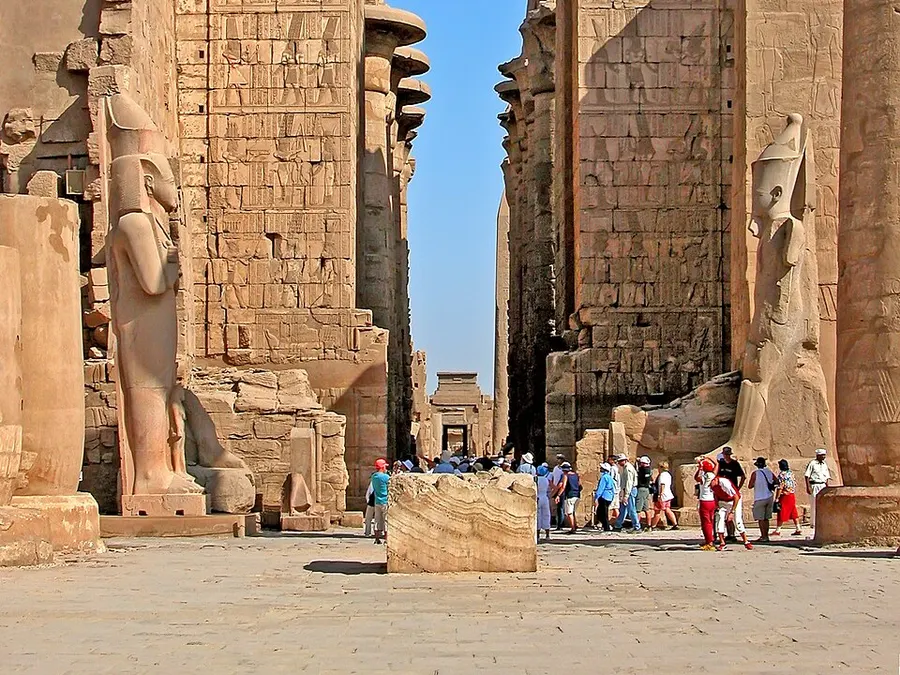
6 images · Egypt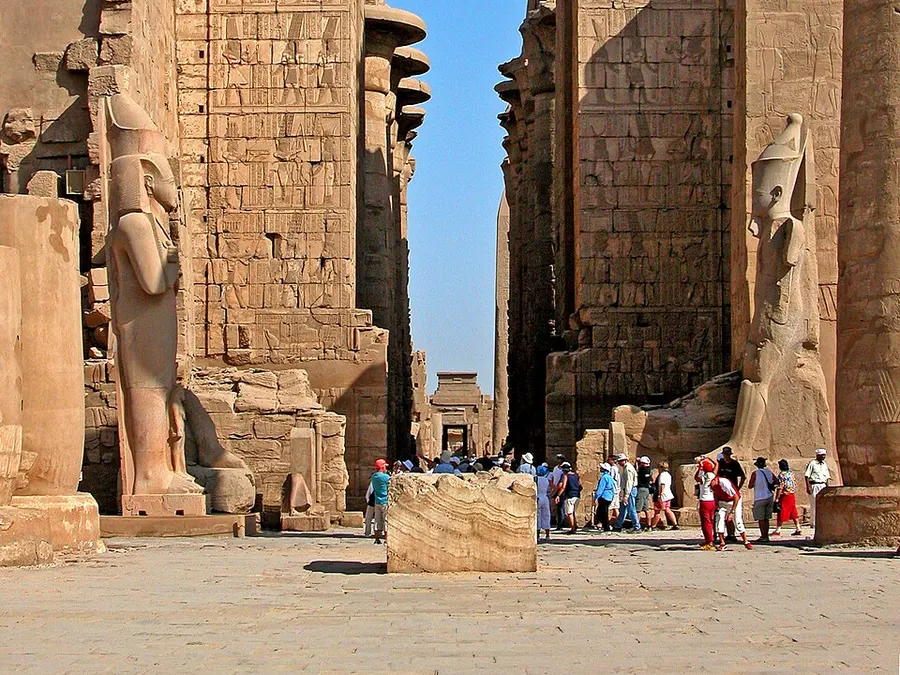
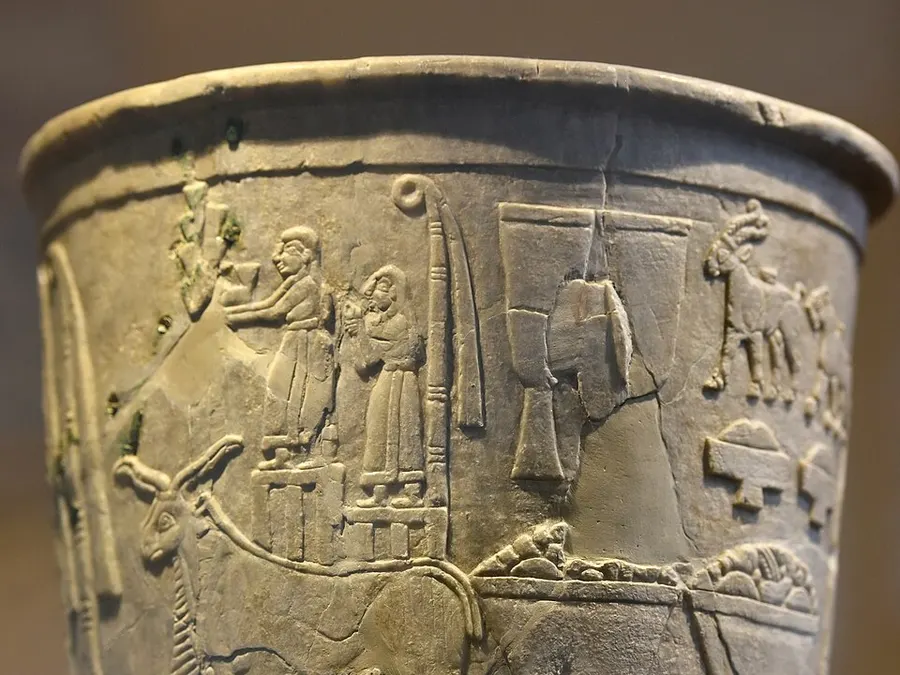
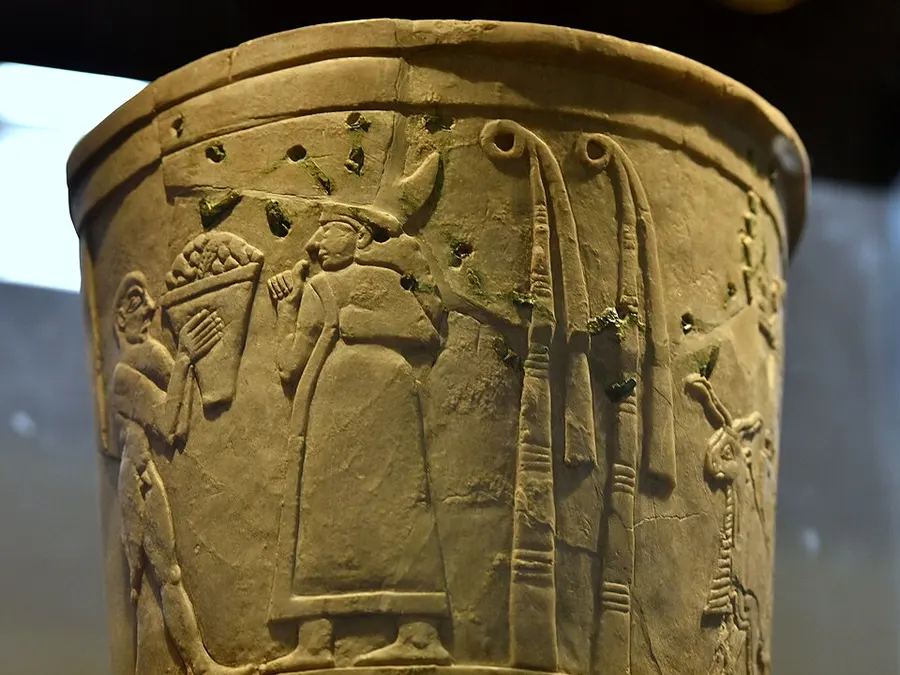
Images are illustrative and verified against our image rights policy. Supplier-provided, fair-trade media kits, or CC-licensed.
Supplier research records
These are leads, not endorsements. Commercial fields only count as confirmed when the profile state is verified.
Luxor Alabaster
🇪🇬 Egypt
Discover luxury handmade alabaster from Luxor, Egypt. Explore authentic Egyptian stone decor, hand-carved alabaster crafts, and elegant lighting for home and wholesale buyers.
CID Egypt
🇪🇬 Egypt
Trusted Egyptian Marble supplier offering premium slabs and tiles at competitive factory prices. Buy direct from CID with secure packaging and more
How to source Alabaster Carving from Egypt in bulk
- 1
Define your brief. Specify quantity per design, Stone grade, dimensions, finish, customisation, packaging, destination, arrival date and budget.
- 2
Research candidates. Use the 2 origin-and-craft records as leads, then verify identity, production capability, certificates, and references.
- 3
Request comparable quotations. Give each candidate the same specification and request a dated quotation, production schedule, sample plan, and named Incoterm.
- 4
Approve samples. Buy production-representative samples and record tolerances, finish, labelling, packing, and inspection criteria before committing to bulk.
- 5
Confirm and ship. Finalise the purchase order, payment protection, inspection, and freight only after the production schedule is confirmed in writing.
Frequently asked questions
What minimum order quantities and pricing factors should I expect for hand-carved Egyptian alabaster vases?
MOQs for hand-carved alabaster typically start around 50–100 pieces per design because each item passes through multiple stages — block selection, roughing on the lathe, hand detailing, and final polishing — that limit daily output per artisan. Price is driven by blank size, translucency grade, and carving complexity: openwork panels, pierced lampshades, and thin-walled vessels (under ~5 mm) require many extra hours. Natural-stone weight also meaningfully raises per-unit shipping cost, so a heavy lamp base in a small order will inflate landed price quickly.
How can I judge the quality of carved alabaster and what defects should I reject on inspection?
Hold each piece up to a strong light source — quality Egyptian alabaster transmits a warm, honey-toned glow and uniform translucency across the wall, while cloudy 'dead' zones usually indicate internal fractures. Reject pieces with cracks running through the foot, rim, or any thin section, chipped edges, hairline surface fissures, and patched or filled cavities that interrupt the natural banding. Also check the interior of vases and lampshades for deep grinding marks and confirm the foot is flat so the piece sits without rocking.
What exactly is 'Egyptian alabaster' and what finishes are commonly available?
Egyptian alabaster is a banded calcite (calcium carbonate) quarried mainly in the Eastern Desert and Upper Egypt; it is denser and more translucent than the gypsum alabaster sold elsewhere, and the warm cream-to-amber banding is a defining feature. Standard finishes are high-gloss polish (usually waxed), honed/satin, and a lightly tooled 'rustic' face that emphasizes veining. Because the material is calcite with a Mohs hardness of about 3, it is acid-sensitive — even lemon juice or vinegar will etch the polish, so specify neutral-pH cleaners and warn end buyers.
Can I commission custom designs, sizes, or shapes in carved alabaster, and what are the practical limits?
Custom work is routine in Cairo and Luxor workshops, but the material sets hard limits: walls below roughly 4–5 mm, sharp internal corners, and deep undercuts in relief are very likely to crack during carving or shipping, so expect the factory to redraw your brief. Most suppliers will sign an NDA, share a CAD or plaster mock-up, and produce a hand-carved sample in about 3–6 weeks, followed by 60–90 days for a few hundred finished pieces. Build 10–15% carving and packing loss into your POs, and order a small pre-production sample before committing to a full run.
Are there certifications, GI marks, or origin documents relevant to Egyptian alabaster?
There is no internationally registered GI specifically for Egyptian alabaster, so provenance is documented rather than branded — ask for a Certificate of Origin issued by the Egyptian Chamber of Commerce and a material data sheet (density ~2.7 g/cm³, Mohs 3) for customs classification. Reputable exporters can also share Social Compliance audits such as Sedex/SMETA if your retail customers require them, though these are buyer-driven. To avoid mislabeled material, request photos of the quarry region, factory workshop, and a translucency sample of the actual block lot before deposit.
What packing and shipping quirks should I plan for when importing carved alabaster in volume?
Alabaster is heavy and soft, so each piece needs acid-free tissue wrap, foam corner protectors on rims and feet, and a custom double-wall carton with a rigid insert that braces the piece upright — never nest vases or stack lampshades. Sea freight is standard above a few dozen pieces, but container loading should be supervised because rough stowage is the single biggest cause of transit damage; budget roughly 5–8% breakage and inspect a representative sample before signing a clean B/L. Insist on ISPM-15 heat-treated pallets and 'fragile, this side up' marking, and keep humidity low in the container to avoid any wax finish hazing.
What production lead time should I plan for bulk Alabaster Carving from Egypt?
None of the 2 Egypt Alabaster Carving records on file carries one, which is why the lead-time column reads Unconfirmed. Ask each candidate for a dated ex-works schedule and the transit time to your port as separate figures.
Which Incoterm and freight details should a Egypt Alabaster Carving RFQ pin down?
Ex-works, FOB, and CIF prices for one Alabaster Carving order are three different numbers, so name the term and the destination port in the request or the quotes will not compare. Settle who books freight, who clears customs at each end, and the packing specification — handicraft cartons are usually volume-rated.
Browse Alabaster Carving by use case
Further reading on Alabaster Carving and Egypt
Sourcing Egyptian Alabaster Carving in Bulk
Buying Luxor alabaster in bulk: why it is calcite not gypsum, translucency and wall thickness, fissures, lamp certification and the antiquities red line.
Sourcing Khayamiya Appliqué Textiles from Egypt
Buying Cairo tentmaker appliqué in bulk: hand-stitched versus printed, stitch and edge quality, shrinkage, colourfastness, flammability and MOQ realities.
Sourcing Egyptian Papyrus Art in Bulk
Buying papyrus in bulk: telling real papyrus from banana leaf, hand-painted versus printed, humidity and light damage, framing, packing and classification.
Sourcing Guide: Handicrafts from Egypt
A sourcing guide to Egypt's crafts: alabaster carving, khayamiya appliqué, hand-blown glass, papyrus, and mother-of-pearl inlay
How we chose
We reviewed 2 Egypt Alabaster Carving research records for this page on October 7, 2026. Inclusion means the record matches the origin and craft; it does not mean GreenFlip verified the business or its claims. Only verified records may contribute MOQ, price, lead time, certification, or wholesale Product structured data.