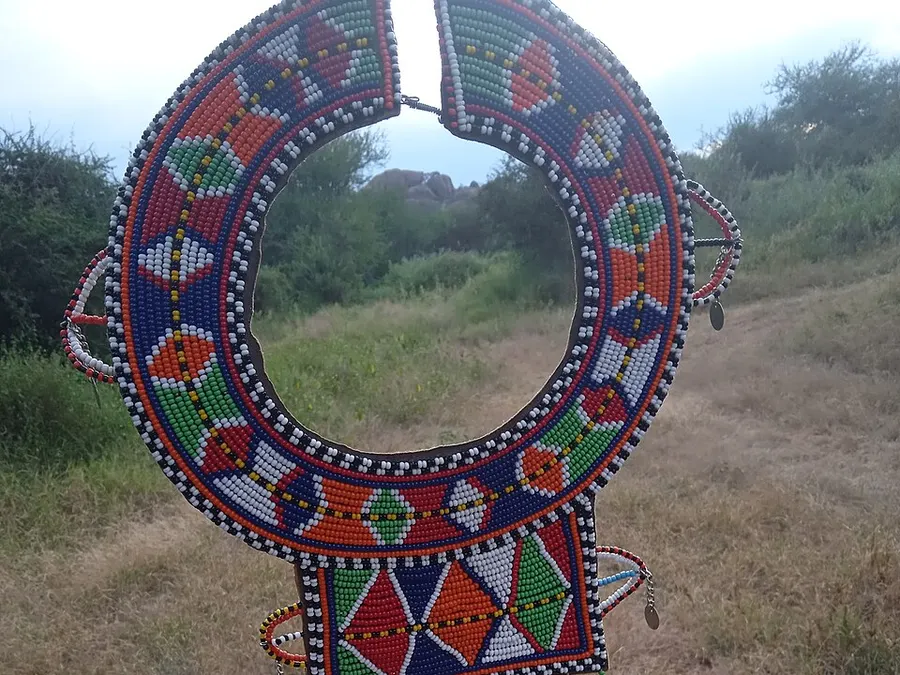
Bulk Maasai Beadwork from Kenya & Ghana
Maasai and Ashanti beadwork jewellery and accessories. Review 2 Kenya & Ghana supplier research records with explicit evidence status and buyer checks for retail, hospitality, gifting, and sourcing teams.
GreenFlip does not yet hold a verified MOQ, FOB price, or production lead time for Maasai Beadwork from Kenya & Ghana. This page organises 2 research records by origin and craft. Public-web fields remain unconfirmed until the legal entity, production capability, current quotation, certificates, references, and sample are checked.
Evidence to request for Maasai Beadwork
Bead checks: Confirm bead and fastening materials, restricted substances, tensile strength, size and colour tolerance, cultural attribution, and child-safety scope where relevant.
For Kenya & Ghana's production landscape and the checks that apply across every craft in the country, see the Kenya & Ghana sourcing hub.
Suppliers at a glance
2 suppliersVisual showcase
6 images · Kenya & Ghana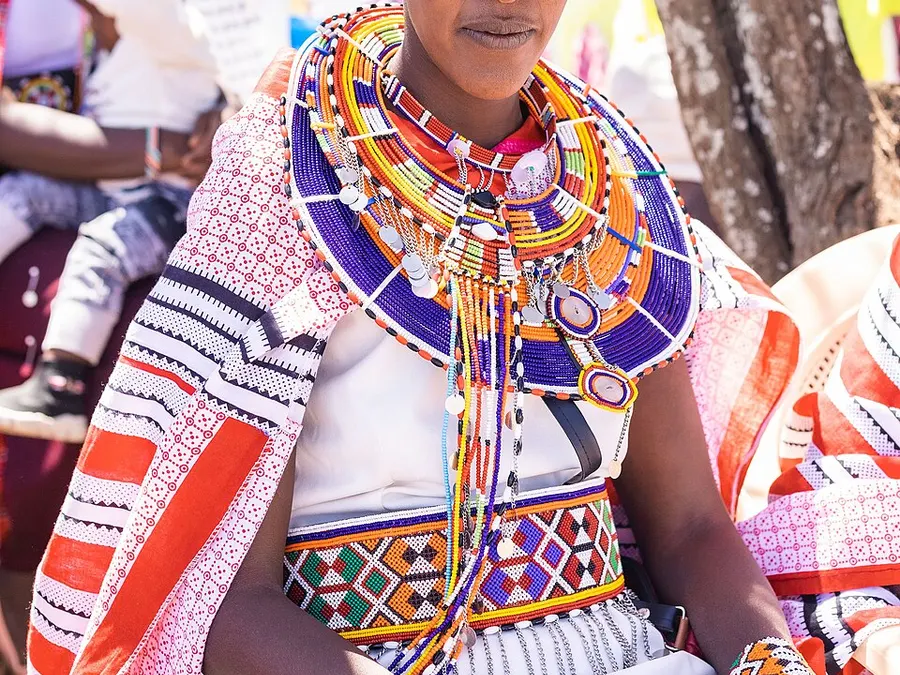
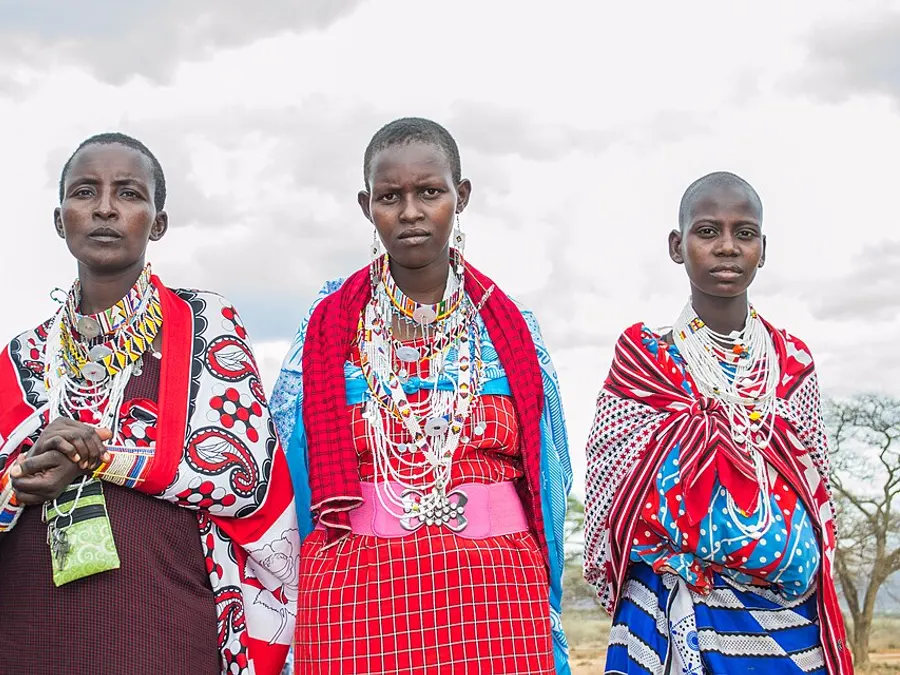
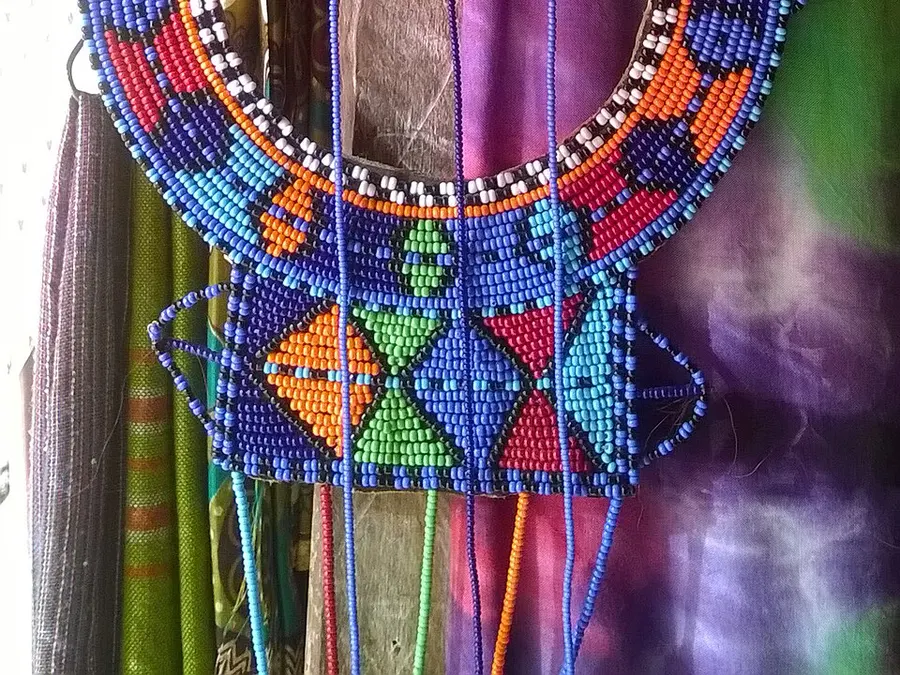
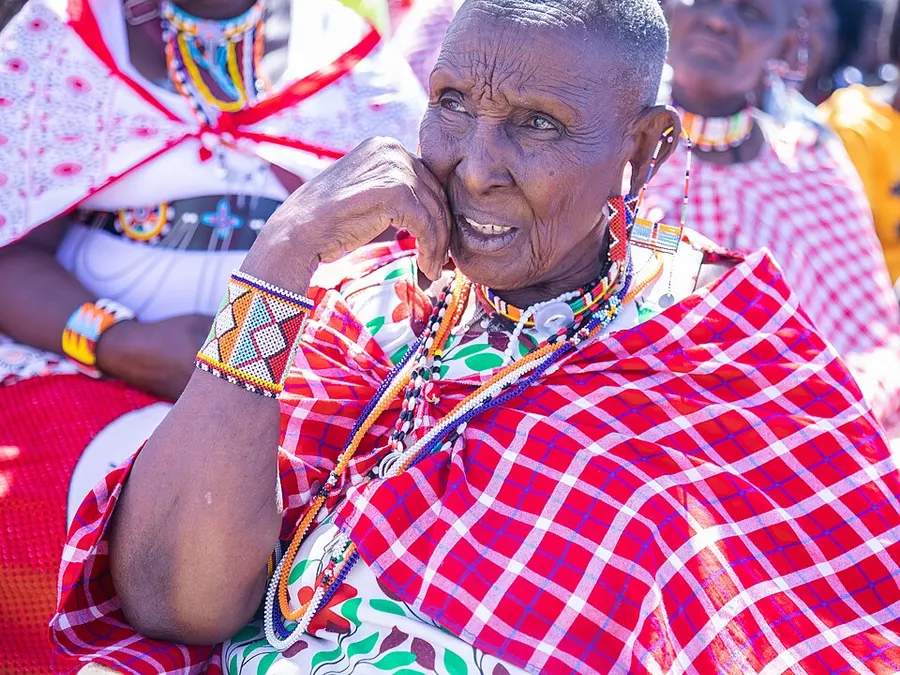
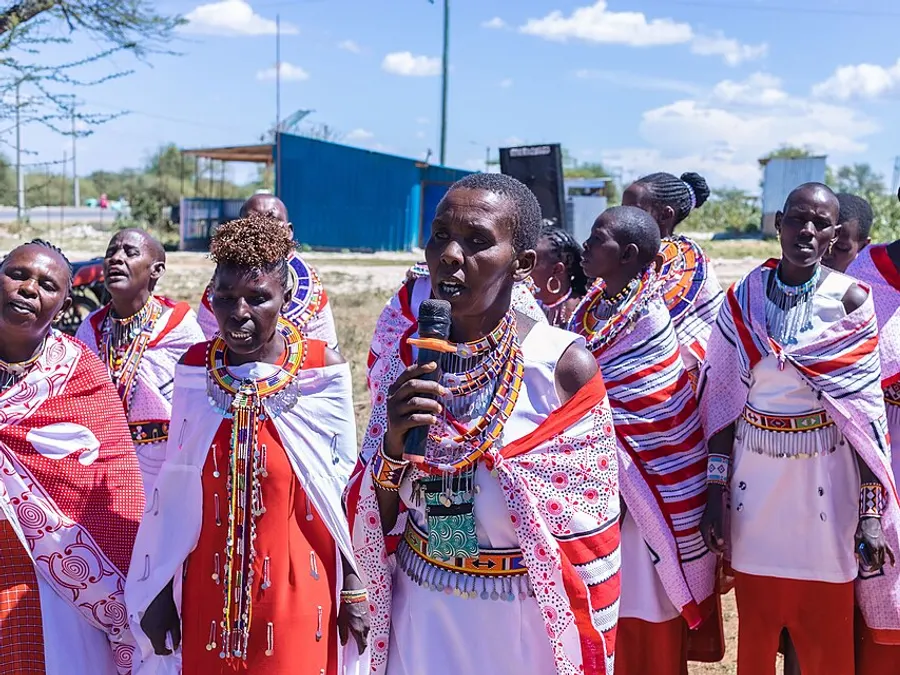
Images are illustrative and verified against our image rights policy. Supplier-provided, fair-trade media kits, or CC-licensed.
Supplier research records
These are leads, not endorsements. Commercial fields only count as confirmed when the profile state is verified.
Maa Beadwork
🇰🇪 Kenya & Ghana
Shop handmade beadwork and discover how The Maa Trust creates sustainable alternative livelihoods for the women of the Maasai Mara.
Maasai Beadwork
🇰🇪 Kenya & Ghana
All our beadwork is made with the best quality Czech beads. We sell a series of traditional beadwork and started custom orders in October 2018.Read more
How to source Maasai Beadwork from Kenya & Ghana in bulk
- 1
Define your brief. Specify quantity per design, Bead grade, dimensions, finish, customisation, packaging, destination, arrival date and budget.
- 2
Research candidates. Use the 2 origin-and-craft records as leads, then verify identity, production capability, certificates, and references.
- 3
Request comparable quotations. Give each candidate the same specification and request a dated quotation, production schedule, sample plan, and named Incoterm.
- 4
Approve samples. Buy production-representative samples and record tolerances, finish, labelling, packing, and inspection criteria before committing to bulk.
- 5
Confirm and ship. Finalise the purchase order, payment protection, inspection, and freight only after the production schedule is confirmed in writing.
Frequently asked questions
What drives the MOQ and unit price for Maasai and Ashanti beadwork orders?
MOQ is driven by hand-beading time per piece and pattern complexity, not by material cost, because Czech or Japanese glass seed beads are inexpensive relative to labor. A single wide Maasai collar (enkarewa) with six or more color bands can take an artisan 8–20 hours to stitch onto its leather base, so producers typically set minimums of 30–100 pieces per design to make batch set-up viable. Ashanti waist beads and multi-strand necklaces bead up faster, but unique color sequences and strand counts still push minimum order quantities above what machine-made jewelry would require.
How do I judge quality and spot defects when inspecting finished Maasai or Ashanti beadwork?
Flex the piece gently and look for visible gaps between beads — loose thread tension will widen quickly into the kind of bald patches that are the most common field failure. On Maasai collars, check the leather backing for even thickness, smooth burnished edges, and absence of cracking, and confirm the beadwork lies flat without puckering where it is stitched down. Inspect color consistency within a lot: Czech and Japanese seed beads hold dye more uniformly than cheaper Chinese alternatives, which often show noticeable shade variation even between adjacent beads in the same color band.
What materials and finishes should I expect in authentic Maasai and Ashanti beadwork?
Most contemporary pieces use Czech or Japanese glass seed beads in sizes 10/0–12/0, valued for uniform shape, round holes, and color fastness; traditional Ashanti work sometimes incorporates Krobo recycled glass beads made from crushed bottle glass, which have a more rustic, slightly irregular surface and a recognizable earthy finish. Thread is typically waxed nylon or polyester for tensile strength and humidity resistance — pure cotton thread frays quickly and is a marker of lower-grade finishing. Maasai collars almost always have a vegetable-tanned leather core, while Ashanti necklaces and waist beads are usually strung on doubled nylon cord with a knot-and-bead closure rather than metal clasps.
What customization is realistic when commissioning Maasai or Ashanti beadwork for a bulk order?
You can specify colorways against Pantone references, but dye-lot matching is approximate because bead manufacturers run colors in production batches and Maasai/Ashanti beaders then re-sort from open stock. Custom motifs require pattern translation by a senior beader, which typically adds 1–2 weeks of development and a one-time pattern fee per design. Resizing — longer collars, wider cuffs, or extra Ashanti strands — increases the bead count and stitching time roughly linearly, so expect proportional labor-based price adjustments rather than simple material markups.
Are there certifications or provenance documents I should request for Kenyan and Ghanaian beadwork?
For Kenya, ask for KEBS (Kenya Bureau of Standards) documentation covering the leather and bead materials, plus a certificate of origin, and check whether the producer is a member of a Fair Trade or WFTO-registered cooperative, which is common among Maasai women's groups. For Ghana, request Ghana Standards Authority paperwork and clarify whether beads are locally produced (Krobo recycled glass) or imported, since this materially affects authenticity claims, import duty treatment, and the story you can tell at retail. There is no widely recognized geographical indication specifically for Maasai beadwork, so provenance is established through artisan-group documentation and export papers rather than a formal protected designation.
What packing and shipping precautions are specific to glass beadwork with leather components?
Glass seed beads chip and scratch easily, so each finished piece should be wrapped in acid-free tissue and packed in compartmentalized boxes that prevent strands from rubbing against one another in transit. Leather-backed Maasai collars are vulnerable to humidity and mold during sea freight, particularly through Mombasa or Tema in the rainy seasons, so silica gel packets and moisture-barrier bags are essential — avoid airtight plastic that traps dampness. Be aware that intense sunlight inside shipping containers can fade certain dyed bead colors, so opaque cartons or UV-resistant inner linings are worth specifying, especially for the bright reds, oranges, and yellows central to both Maasai and Ashanti palettes.
What production lead time should I plan for bulk Maasai Beadwork from Kenya & Ghana?
None of the 2 Kenya & Ghana Maasai Beadwork records on file carries one, which is why the lead-time column reads Unconfirmed. Ask each candidate for a dated ex-works schedule and the transit time to your port as separate figures.
Which Incoterm and freight details should a Kenya & Ghana Maasai Beadwork RFQ pin down?
Ex-works, FOB, and CIF prices for one Maasai Beadwork order are three different numbers, so name the term and the destination port in the request or the quotes will not compare. Settle who books freight, who clears customs at each end, and the packing specification — handicraft cartons are usually volume-rated.
Browse Maasai Beadwork by use case
Further reading on Maasai Beadwork and Kenya & Ghana
Sourcing Krobo Recycled Glass Beads from Ghana
Buying Ghanaian powder-glass beads: how they are made, hole and size consistency, the recycled-glass question, strand versus kilo pricing and compliance.
Sourcing Maasai Beadwork in Bulk: A Buyer's Guide
Buying Kenyan and Tanzanian beadwork at wholesale — bead types, colour meaning, pricing by bead count, cultural attribution, and lead, cadmium, and nickel compliance
Sourcing Kente Cloth from Ghana: A Buyer's Guide
Buying woven kente in bulk — Asante and Ewe traditions, strip weaving economics, yarn choices, woven versus printed kente, quality checks, and cultural attribution
Sourcing Guide: Handicrafts from Kenya & Ghana
A sourcing guide to Kenya and Ghana: Kisii soapstone, Kente cloth, Maasai beadwork, and African wood sculpture
How we chose
We reviewed 2 Kenya & Ghana Maasai Beadwork research records for this page on October 7, 2026. Inclusion means the record matches the origin and craft; it does not mean GreenFlip verified the business or its claims. Only verified records may contribute MOQ, price, lead time, certification, or wholesale Product structured data.