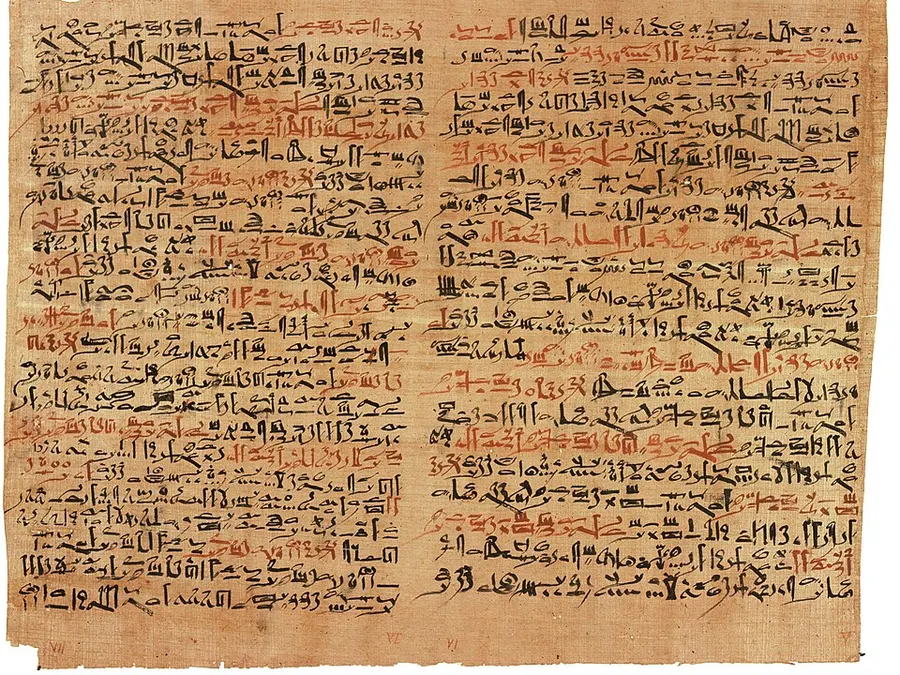
Bulk Papyrus Art from Egypt
Hand-painted papyrus scrolls and framed art. Review 1 Egypt supplier research records with explicit evidence status and buyer checks for retail, hospitality, gifting, and sourcing teams.
GreenFlip does not yet hold a verified MOQ, FOB price, or production lead time for Papyrus Art from Egypt. This page organises 1 research records by origin and craft. Public-web fields remain unconfirmed until the legal entity, production capability, current quotation, certificates, references, and sample are checked.
Evidence to request for Papyrus Art
Painted checks: Record maker and motif attribution, substrate, pigment and coating chemistry, colour tolerance, abrasion resistance, dimensions, and protective packing.
For Egypt's production landscape and the checks that apply across every craft in the country, see the Egypt sourcing hub.
Suppliers at a glance
1 suppliers| Supplier | City | MOQ | Price from | Lead time | Certifications | Evidence state | Profile |
|---|---|---|---|---|---|---|---|
| Authentic Egyptian Papyrus Paper for sale | 🇪🇬 Egypt | Unconfirmed | Unconfirmed | Unconfirmed | wrap (unverified) | grounded | View → |
Visual showcase
6 images · Egypt
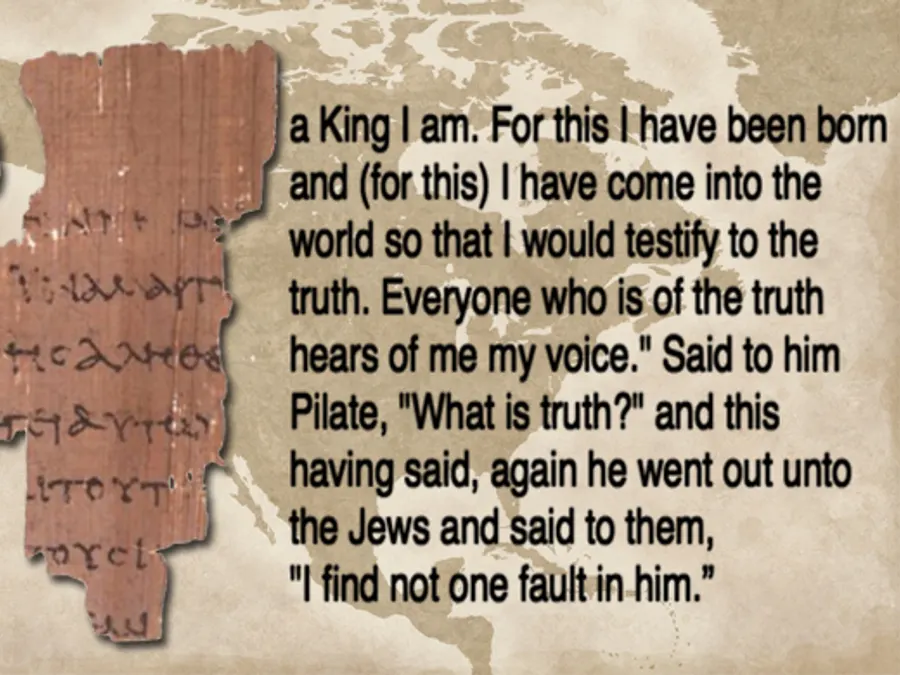

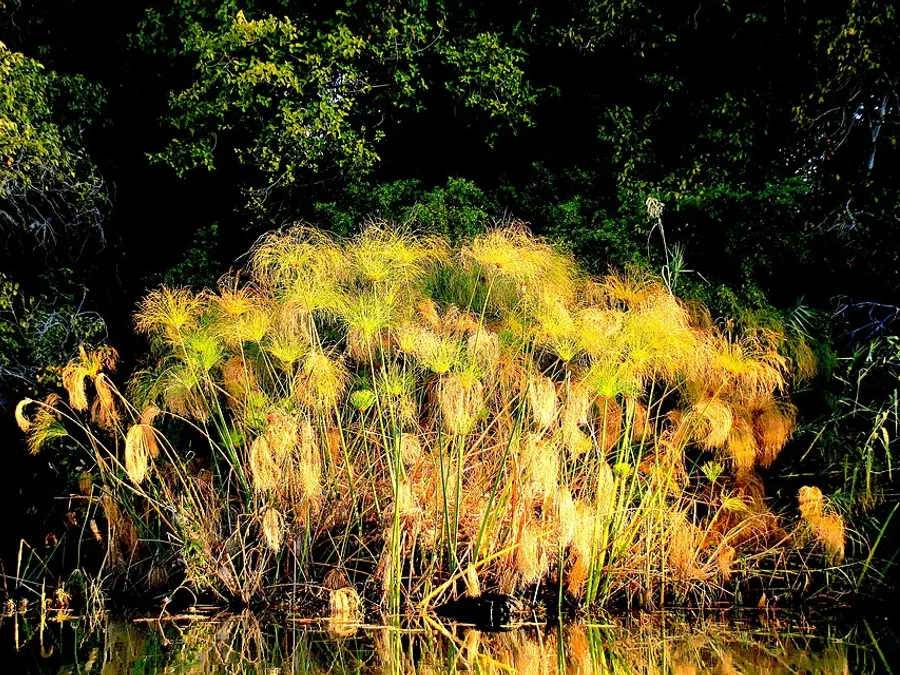
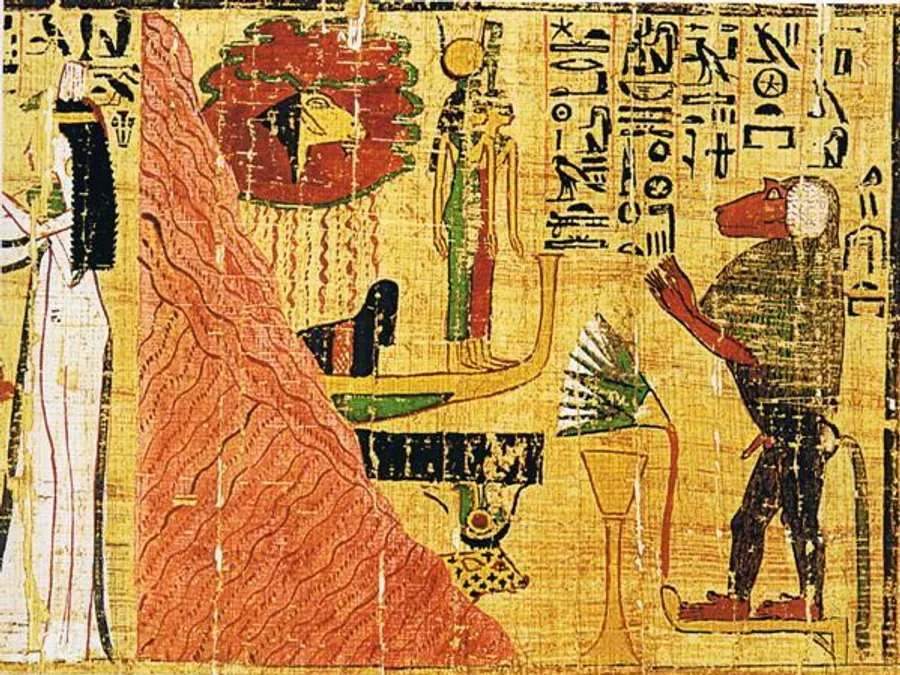
Images are illustrative and verified against our image rights policy. Supplier-provided, fair-trade media kits, or CC-licensed.
Supplier research records
These are leads, not endorsements. Commercial fields only count as confirmed when the profile state is verified.
How to source Papyrus Art from Egypt in bulk
- 1
Define your brief. Specify quantity per design, Painted grade, dimensions, finish, customisation, packaging, destination, arrival date and budget.
- 2
Research candidates. Use the 1 origin-and-craft record as leads, then verify identity, production capability, certificates, and references.
- 3
Request comparable quotations. Give each candidate the same specification and request a dated quotation, production schedule, sample plan, and named Incoterm.
- 4
Approve samples. Buy production-representative samples and record tolerances, finish, labelling, packing, and inspection criteria before committing to bulk.
- 5
Confirm and ship. Finalise the purchase order, payment protection, inspection, and freight only after the production schedule is confirmed in writing.
Frequently asked questions
What minimum order quantity and unit price drivers should we expect for hand-painted papyrus scrolls and framed pieces from Egypt?
Most Cairo and Luxor workshops set a practical MOQ of around 30–50 pieces per design because each sheet is painted by one artist and a run is tied to a single painter's weekly output. Unit price is driven mainly by sheet size (A4 vs A2 vs 60x90 cm), the number of paint colors and figures in the scene, whether gold or metallic leaf is added, and whether the piece is sold as a rolled scroll or mounted, framed, and glazed. Repeat orders of the same design become cheaper because the artist can reuse the underdrawing, so the first production run is always the most expensive.
How can we judge quality and identify defects in hand-painted papyrus at goods-incoming inspection?
Hold the sheet up to oblique light: authentic papyrus shows a clear, slightly irregular crosshatch of horizontal and vertical reed fibers, not a uniform pulp sheet. Paint should sit inside the fibers rather than as a glossy film on top, and pigments should be consistent across the same color field. Common rejections include mold spotting or foxing from damp storage, hairline cracks along the natural lamination lines, cockling or warping from humidity swings, and brittle edges that crumble when flexed.
What materials and finishes are actually used, and how do we tell real papyrus from banana-stem or rice-paper imitations?
Genuine papyrus is made from the pith of Cyperus papyrus reed, sliced into thin strips, soaked, laid crosswise, and pressed under weight for several days until the natural sugars bond the layers. Most Egyptian artists now paint with quality acrylics or water-based pigments rather than mineral colors, and many finish the surface with a light matte sealant to resist humidity. A quick authenticity test is to peel at a corner: real papyrus separates into two visible fiber layers at 90°, while banana-stem paper and rice-paper lookalikes tear as a single uniform sheet.
What is realistic for custom designs, OEM runs, and our own iconography on hand-painted papyrus?
Custom work is absolutely normal in this trade, but plan for the artist's draft on cheap paper to be approved before any papyrus is touched, because corrections on papyrus are not possible. Your own brand mark, a specific deity, a corporate motif translated into Egyptian visual language, or a personalized cartouche with a customer's name can all be done, though custom hieroglyphs usually need a trained calligrapher. Assign one named artist to the run and request sample work from that person first, because hand-painting consistency between two painters on the same subject is often the biggest OEM risk.
What documentation or provenance should we request to confirm the papyrus is genuinely Egyptian and not a banana-stem imitation?
Ask the workshop for a signed invoice stating the substrate is papyrus reed (Cyperus papyrus) and the country of origin, plus photographs of the workshop's reed-stripping and pressing process if available. There is no single internationally recognized GI or certificate for Egyptian papyrus, so a workshop authenticity letter and consistent fiber appearance are your main safeguards. Randomly break a corner of one sample per shipment and look for the two perpendicular fiber layers — if the broken edge looks like solid pulp or shows banana-fiber dots, reject the lot regardless of paperwork.
What are the packing and shipping quirks of painted papyrus that we need to plan for?
Papyrus is hygroscopic: it absorbs and releases moisture, so it curls, cockles, and grows mold if sealed in plastic during a sea voyage through the tropics. Framed pieces must travel flat with an acrylic (not glass) face to avoid humidity-related breakage, and the painted surface should be isolated with acid-free tissue, never bubble wrap pressed directly onto the paint. Rolled scrolls are fine for undecorated papyrus but risky once painted, because pigment can flake and the crosswise fibers crack along the fold — insist on flat, interleaved packing in a rigid mailer for any decorated sheet.
What production lead time should I plan for bulk Papyrus Art from Egypt?
The single Egypt Papyrus Art record on file does not carry one, which is why the lead-time column reads Unconfirmed. Ask each candidate for a dated ex-works schedule and the transit time to your port as separate figures.
Which Incoterm and freight details should a Egypt Papyrus Art RFQ pin down?
Ex-works, FOB, and CIF prices for one Papyrus Art order are three different numbers, so name the term and the destination port in the request or the quotes will not compare. Settle who books freight, who clears customs at each end, and the packing specification — handicraft cartons are usually volume-rated.
Browse Papyrus Art by use case
Further reading on Papyrus Art and Egypt
Sourcing Egyptian Papyrus Art in Bulk
Buying papyrus in bulk: telling real papyrus from banana leaf, hand-painted versus printed, humidity and light damage, framing, packing and classification.
Sourcing Egyptian Alabaster Carving in Bulk
Buying Luxor alabaster in bulk: why it is calcite not gypsum, translucency and wall thickness, fissures, lamp certification and the antiquities red line.
Sourcing Khayamiya Appliqué Textiles from Egypt
Buying Cairo tentmaker appliqué in bulk: hand-stitched versus printed, stitch and edge quality, shrinkage, colourfastness, flammability and MOQ realities.
Sourcing Guide: Handicrafts from Egypt
A sourcing guide to Egypt's crafts: alabaster carving, khayamiya appliqué, hand-blown glass, papyrus, and mother-of-pearl inlay
How we chose
We reviewed 1 Egypt Papyrus Art research record for this page on October 7, 2026. Inclusion means the record matches the origin and craft; it does not mean GreenFlip verified the business or its claims. Only verified records may contribute MOQ, price, lead time, certification, or wholesale Product structured data.