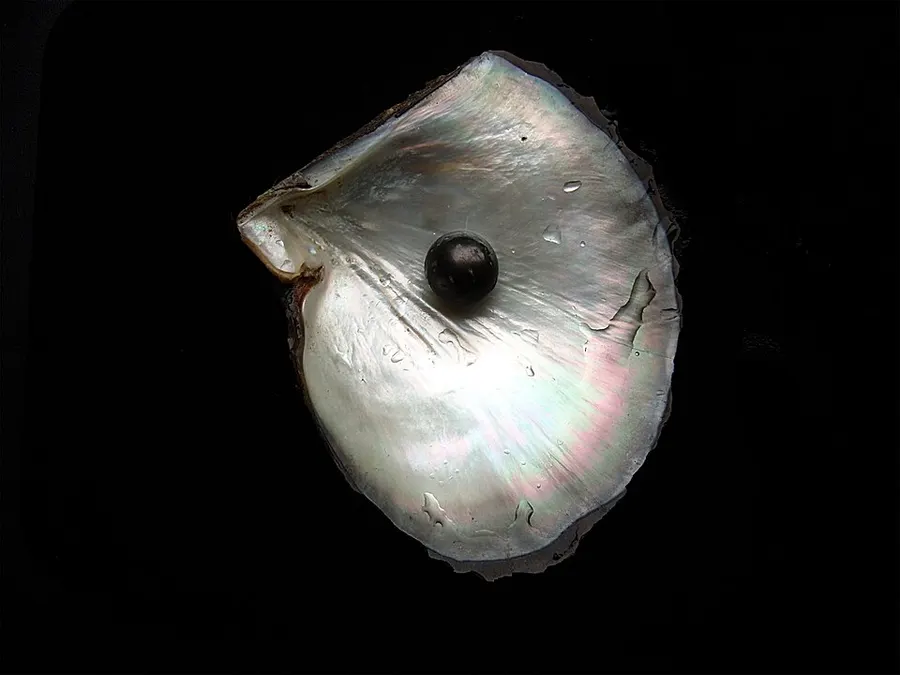
Bulk Pearl & Shell Jewellery from Philippines
South Sea pearl and shell jewellery and accessories. Review 3 Philippines supplier research records with explicit evidence status and buyer checks for retail, hospitality, gifting, and sourcing teams.
GreenFlip does not yet hold a verified MOQ, FOB price, or production lead time for Pearl & Shell Jewellery from Philippines. This page organises 3 research records by origin and craft. Public-web fields remain unconfirmed until the legal entity, production capability, current quotation, certificates, references, and sample are checked.
Evidence to request for Pearl & Shell Jewellery
Shell checks: Confirm species, legal harvest and export documentation, treatment and coating, sharp-edge inspection, metal findings, restricted substances, and origin labelling.
For Philippines's production landscape and the checks that apply across every craft in the country, see the Philippines sourcing hub.
Suppliers at a glance
3 suppliers| Supplier | City | MOQ | Price from | Lead time | Certifications | Evidence state | Profile |
|---|---|---|---|---|---|---|---|
| Shells Jewelry | 🇵🇭 Philippines | Unconfirmed | Unconfirmed | Unconfirmed | grounded | View → | |
| Puka Fashion Jewelry | 🇵🇭 Cebu | Unconfirmed | Unconfirmed | Unconfirmed | grounded | View → | |
| Philippines Jewellery | 🇵🇭 Philippines | Unconfirmed | Unconfirmed | Unconfirmed | grounded | View → |
Visual showcase
6 images · Philippines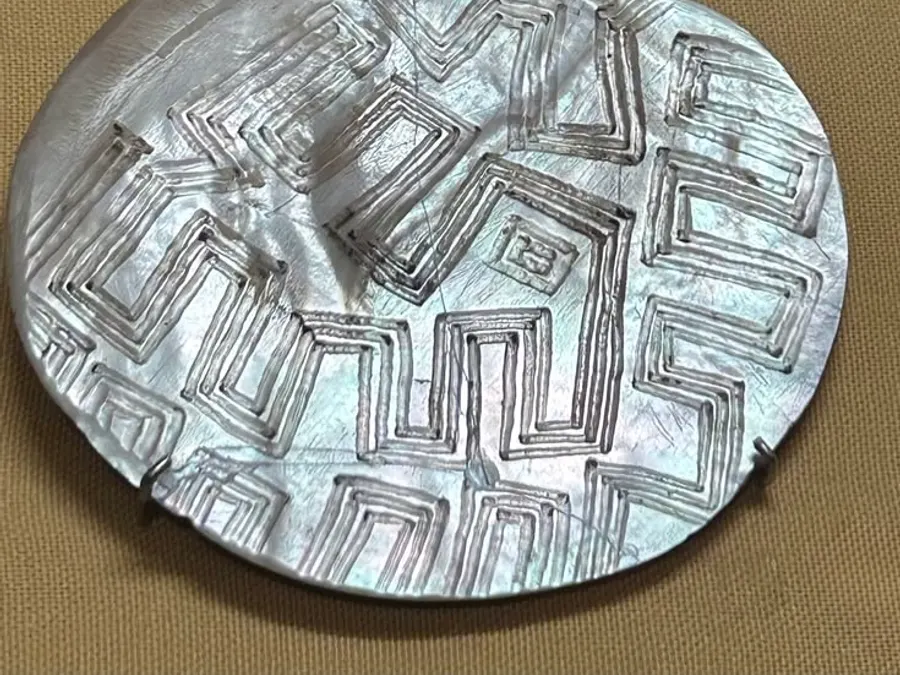
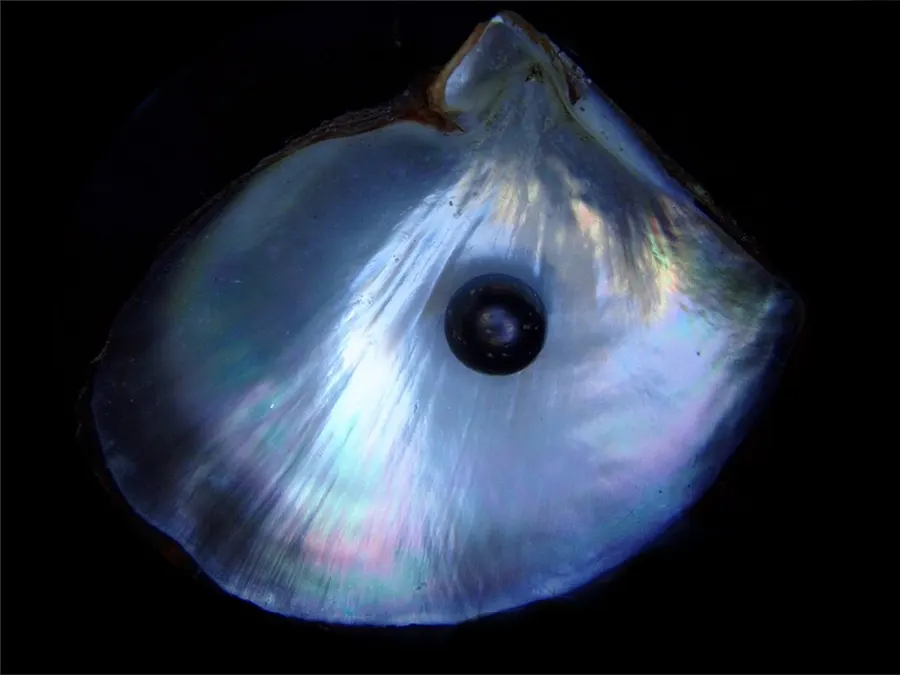
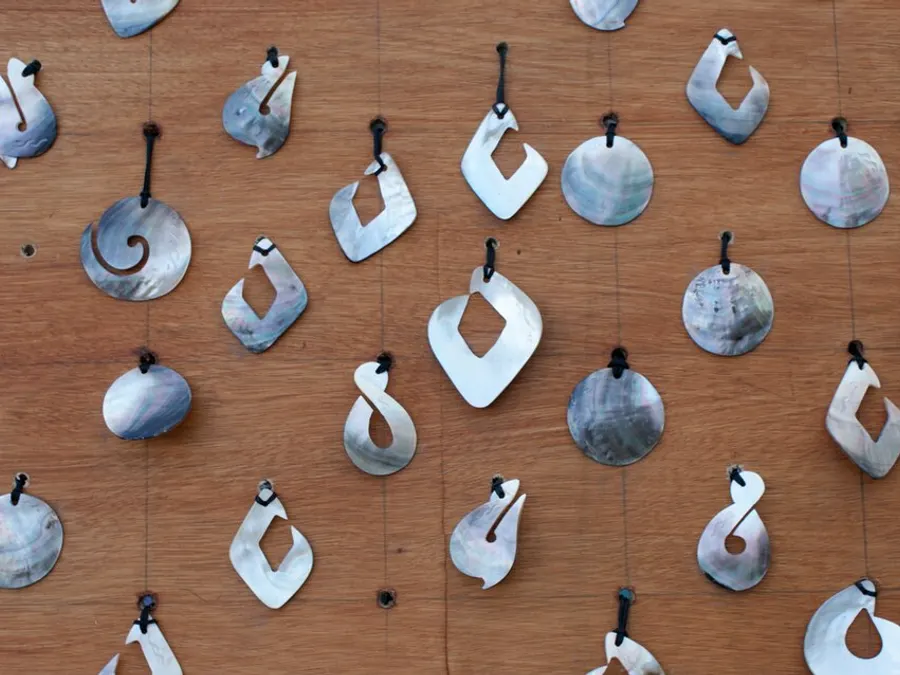
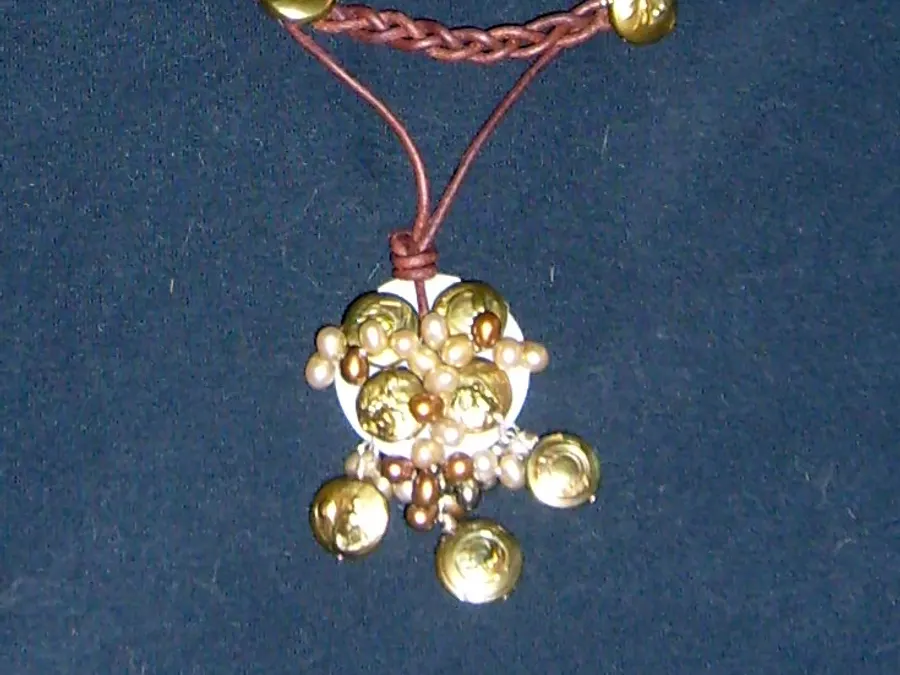
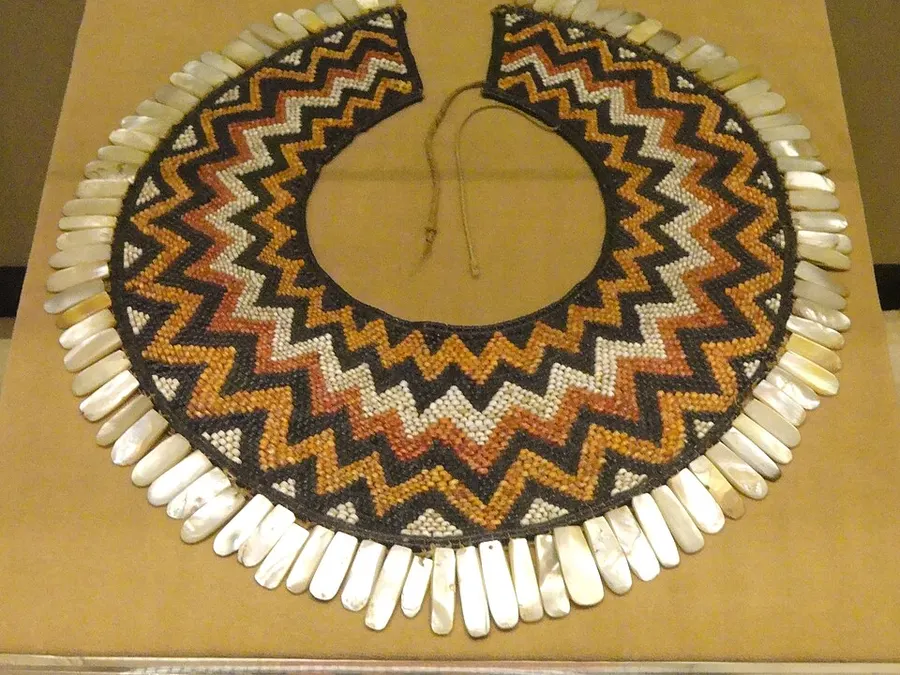
Images are illustrative and verified against our image rights policy. Supplier-provided, fair-trade media kits, or CC-licensed.
Supplier research records
These are leads, not endorsements. Commercial fields only count as confirmed when the profile state is verified.
Shells Jewelry
🇵🇭 Philippines
Shells Jewelry & fashion shell accessories for necklace set that are made from natural components wholesale & manufacturer for export quality product.
Puka Fashion Jewelry
🇵🇭 Cebu, Philippines
Puka Necklace, Fashion Jewelry & Accessories Puka Fashion Jewelry: Puka Shell Fashion jewelry made by our best fashion designers. All original hand crafted Philippines costume jewelry designs. Choose from our puka shell components, fashio
Philippines Jewellery
🇵🇭 Philippines
Handmade Jewelry Wholesale | Fashion Philippine Jewelry Manufacturer Philippine Jewelry are made of indigenous materials where Philippines is abundant of like coco heishi, coco pukalet, bamboo tube, lumbang kukui, capiz shells, white rose s
How to source Pearl & Shell Jewellery from Philippines in bulk
- 1
Define your brief. Specify quantity per design, Shell grade, dimensions, finish, customisation, packaging, destination, arrival date and budget.
- 2
Research candidates. Use the 3 origin-and-craft records as leads, then verify identity, production capability, certificates, and references.
- 3
Request comparable quotations. Give each candidate the same specification and request a dated quotation, production schedule, sample plan, and named Incoterm.
- 4
Approve samples. Buy production-representative samples and record tolerances, finish, labelling, packing, and inspection criteria before committing to bulk.
- 5
Confirm and ship. Finalise the purchase order, payment protection, inspection, and freight only after the production schedule is confirmed in writing.
Frequently asked questions
What actually drives the MOQ and per-piece price for South Sea pearl and shell jewellery from the Philippines?
The biggest drivers are pearl size (10–12 mm golden South Sea runs far cheaper per piece than 15 mm and up), shape matching across strands, pairs, or multi-pearl clusters, and luster grade — clean, mirror-bright nacre commands a clear premium. Shell component cost depends on which material you specify (mother-of-pearl, capiz, trochus, abalone) and how much flat sheet is lost when cutting curved or inlay shapes. These three variables — pearl mm, matching, and shell yield — are why a single design can have very different MOQs across suppliers.
How do I judge pearl and shell quality when inspecting a bulk shipment before payment?
For the pearls, check luster (a sharp, mirror-like reflection beats a soft or chalky one), surface cleanliness (count and locate spots, bumps, and growth rings), and shape consistency across pairs or strands. For the shell, look for chipping along cut edges, delamination where the nacre layers have separated, hairline cracks, and patchy or bleached color — a dull surface usually signals thin or damaged nacre rather than a true matte finish. Always inspect pieces under cool white light at 10x so pearl blemishes and shell delamination are visible.
What shell materials and finishes are typically used in Philippine pearl-and-shell jewellery, and how do I tell them apart?
The most common shells are mother-of-pearl (MOP) from Pinctada maxima — often a by-product of South Sea pearl farming — plus capiz, trochus, and abalone for colored inlay work. Standard finishes include high-polish gloss, satin/matte, solid-color dye, and laser-cut inlays glued or set into resin, wood, or metal bases. To tell natural from dyed, check the back of the piece or a cut edge: natural MOP has a layered, pearlescent structure, while dyed shell looks flat and the color often pools in surface pores.
Can Philippine suppliers do custom OEM designs, and what realistically slows down those orders?
Yes, most workshops accept OEM with a tech pack, CAD file, or reference sample, and can CNC- or laser-cut shell inlays to your pattern. The real bottlenecks are matching pearls for custom-sized strands or earrings (sorting matched pairs from Pinctada maxima pools can take 8–12 weeks) and curing/laminating shell pieces without cracking or warping. Lead times of 10–16 weeks are common for first-time OEM, so plan sampling ahead of your production PO.
What provenance or export documentation should I expect for South Sea pearls and shells sourced from the Philippines?
Ask for a farm origin letter naming the specific growing area (Palawan, Sulu, or Western Mindanao are the main South Sea pearl regions) and confirmation that the species is Pinctada maxima. The packing list should clearly separate natural-color pearls from any treated or color-enhanced stock, since Philippine law requires disclosure. For shell components, request the supplier's source declaration — pearl-farm by-product vs. wild harvest — because wild shell may require additional DENR clearances for export.
What packing and shipping problems should I plan for with pearl and shell jewellery in bulk?
South Sea pearls are sensitive to heat and prolonged dryness — sealed in airtight plastic without a dampened cloth they can craze, yellow, or lose luster — and they scratch easily against harder stones or metal findings. Shell components are brittle under point pressure, so pieces need tissue-wrapped individual compartments and rigid gift or jewelry boxes rather than loose polybags. For air or sea freight, specify double-walled export cartons with foam inserts, and avoid temperatures above 35°C in the container to protect nacre quality.
What production lead time should I plan for bulk Pearl & Shell Jewellery from Philippines?
None of the 3 Philippines Pearl & Shell Jewellery records on file carries one — including the workshop in Cebu, which is why the lead-time column reads Unconfirmed. Ask each candidate for a dated ex-works schedule and the transit time to your port as separate figures.
Which Incoterm and freight details should a Philippines Pearl & Shell Jewellery RFQ pin down?
Ex-works, FOB, and CIF prices for one Pearl & Shell Jewellery order are three different numbers, so name the term and the destination port in the request or the quotes will not compare. Settle who books freight, who clears customs at each end, and the packing specification — handicraft cartons are usually volume-rated.
Browse Pearl & Shell Jewellery by use case
Further reading on Pearl & Shell Jewellery and Philippines
How we chose
We reviewed 3 Philippines Pearl & Shell Jewellery research records for this page on October 7, 2026. Inclusion means the record matches the origin and craft; it does not mean GreenFlip verified the business or its claims. Only verified records may contribute MOQ, price, lead time, certification, or wholesale Product structured data.