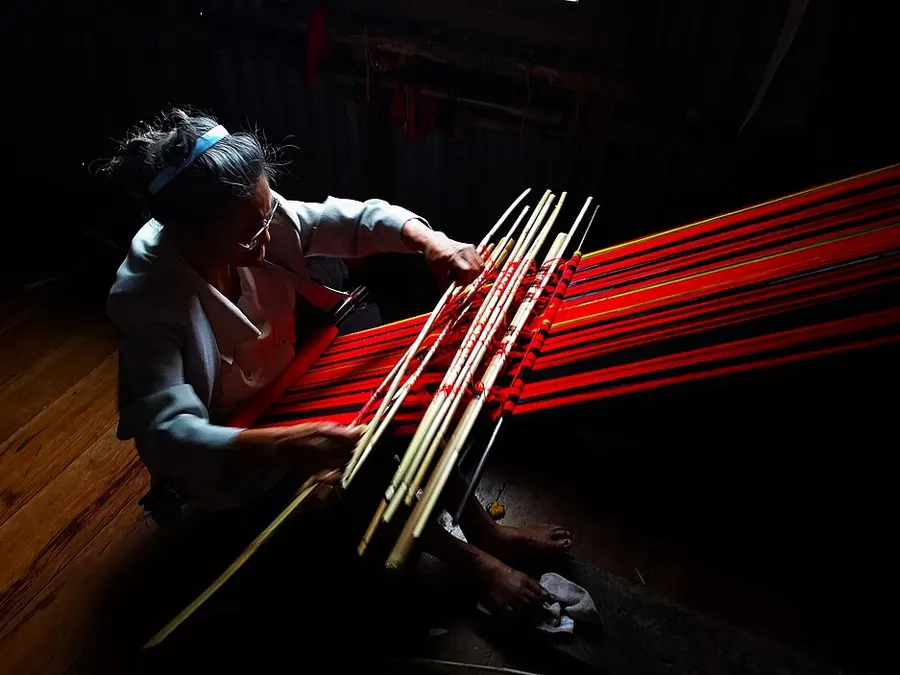
Bulk Abaca & Raffia Fibre from Philippines
Woven abaca and raffia bags, placemats, and baskets. Review 1 Philippines supplier research records with explicit evidence status and buyer checks for retail, hospitality, gifting, and sourcing teams.
GreenFlip does not yet hold a verified MOQ, FOB price, or production lead time for Abaca & Raffia Fibre from Philippines. This page organises 1 research records by origin and craft. Public-web fields remain unconfirmed until the legal entity, production capability, current quotation, certificates, references, and sample are checked.
Evidence to request for Abaca & Raffia Fibre
Natural Fibre checks: Confirm botanical fibre, harvest and source evidence, moisture and mould controls, fumigation needs, load testing, finish chemistry, and packing ventilation.
For Philippines's production landscape and the checks that apply across every craft in the country, see the Philippines sourcing hub.
Suppliers at a glance
1 suppliers| Supplier | City | MOQ | Price from | Lead time | Certifications | Evidence state | Profile |
|---|---|---|---|---|---|---|---|
| Export Genius | 🇵🇭 Philippines | Unconfirmed | Unconfirmed | Unconfirmed | grounded | View → |
Visual showcase
6 images · Philippines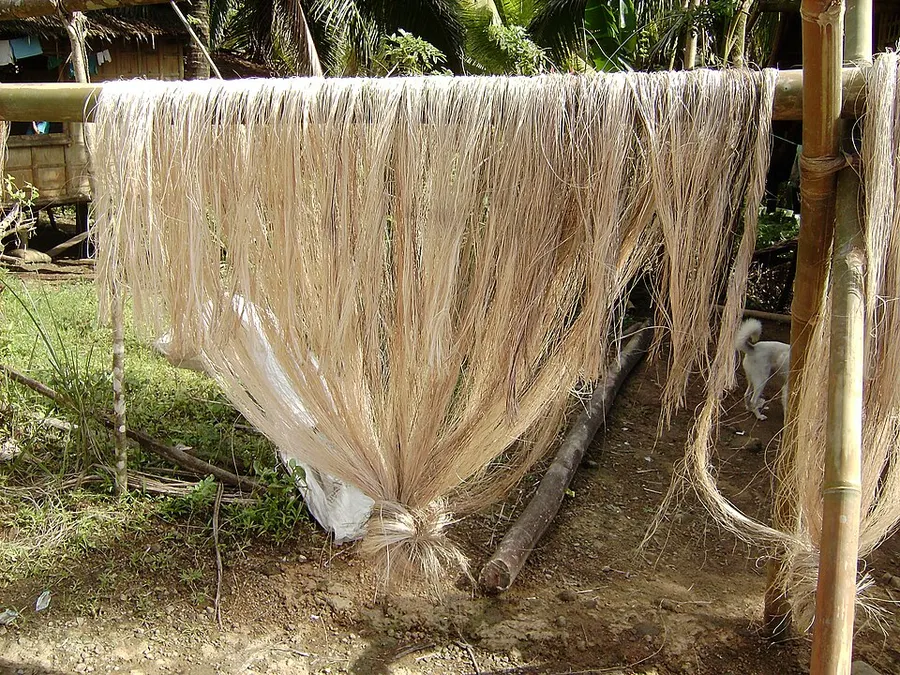
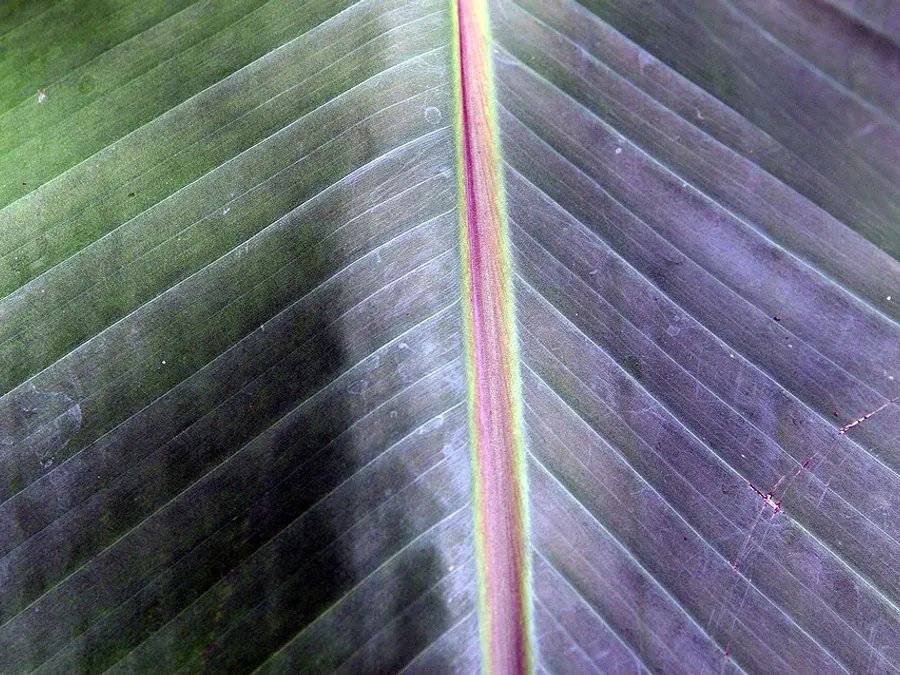
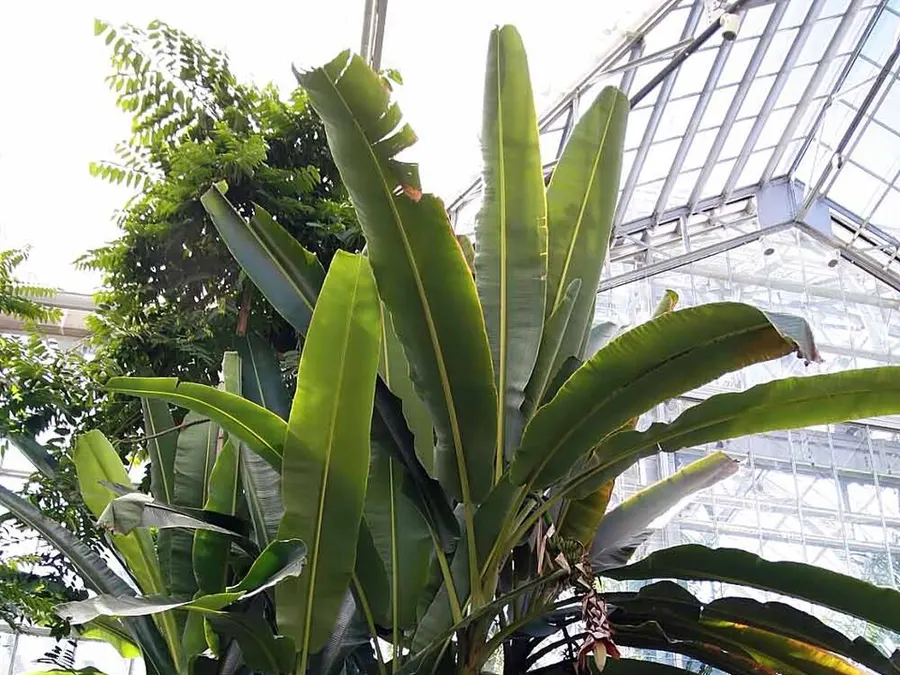
Images are illustrative and verified against our image rights policy. Supplier-provided, fair-trade media kits, or CC-licensed.
Supplier research records
These are leads, not endorsements. Commercial fields only count as confirmed when the profile state is verified.
How to source Abaca & Raffia Fibre from Philippines in bulk
- 1
Define your brief. Specify quantity per design, Natural Fibre grade, dimensions, finish, customisation, packaging, destination, arrival date and budget.
- 2
Research candidates. Use the 1 origin-and-craft record as leads, then verify identity, production capability, certificates, and references.
- 3
Request comparable quotations. Give each candidate the same specification and request a dated quotation, production schedule, sample plan, and named Incoterm.
- 4
Approve samples. Buy production-representative samples and record tolerances, finish, labelling, packing, and inspection criteria before committing to bulk.
- 5
Confirm and ship. Finalise the purchase order, payment protection, inspection, and freight only after the production schedule is confirmed in writing.
Frequently asked questions
What drives the minimum order quantity and unit price for woven abaca and raffia bags or baskets?
MOQ is largely set by hand-weaving capacity — a single weaver typically produces only a few small bags or placemats per week, so production runs of 200–500 pieces per SKU are common before factory-style efficiencies kick in. Price is driven by fiber grade (hand-stripped abaca commands a premium over machine-stripped), weave complexity (tight plain weave vs. open macramé-style raffia), and finish — natural undyed pieces are cheaper than bleached, vegetable-dyed, or lacquered ones. Custom hardware, lining, or leather trim adds both cost and lead time.
How do I judge weaving quality and spot defects in abaca and raffia products during inspection?
Check tension consistency by running a hand across the surface — loose or sagging rows signal rushed weaving. Look for frayed fiber ends poking from seams, uneven dye uptake (abaca is notoriously patchy when dyed unevenly), and white 'bloom' or musty odor indicating incomplete drying that can lead to mildew in transit. For raffia, confirm the strands are twisted tightly without splitting, and inspect base joins on baskets for hidden glue or staples that may fail under load.
What is the difference between hand-stripped and machine-stripped abaca, and which finishes are standard?
Hand-stripped (HS) abaca uses longer, lustrous fibers that hold tension well and are preferred for fine placemats and structured bags; machine-stripped (SS or MD) fibers are shorter and coarser, suited to rustic baskets and textured pieces. Standard finishes include natural (cream to brown), sun-bleached white, vegetable-dyed (indigo, turmeric, achuete), and clear lacquer for stiffness and water resistance. Bleaching weakens the fiber, so heavily bleached abaca should be inspected for surface pilling.
Can I request custom colors, logos, or shapes in abaca and raffia pieces, and what are the limits?
Custom Pantone dyeing is possible but requires a minimum dye lot (often 30–50 kg of fiber) to achieve consistency, so small runs are usually limited to existing color palettes. Logos are typically applied as leather patches, embossed metal tags, or stitched-in woven labels rather than printed onto the fiber, because printing does not adhere well to abaca's waxy surface. Shape customization for baskets is feasible through custom wooden molds, but bag silhouettes are constrained by the width of handloom weaving.
Are there provenance marks, geographic indications, or certifications specific to Philippine abaca weaving?
The T'nalak weaving tradition of the T'boli people in Cotabato is recognized as a Philippine cultural treasure and falls under indigenous community rights, meaning buyers should source through cooperatives authorized by the community. The Philippine Fiber Industry Development Authority (PhilFIDA) classifies abaca into official grades (S2, S3, G, H, JK1, etc.) that suppliers should reference on invoices. Fair Trade and some organic certifications exist for community-based weaver cooperatives, but buyers should verify which specific body issued the mark rather than trusting generic claims.
What packing and shipping quirks should I expect when importing woven abaca and raffia products?
Abaca and raffia are highly hygroscopic — they absorb moisture in sea containers and can arrive musty or mold-stained, so suppliers should line cartons with silica gel and avoid shipping during the rainy season if possible. Flat pieces like placemats stack well, but rigid baskets and structured bags must be crated or individually wrapped to prevent crushing, as the fibers do not recover their shape once deformed. Untreated natural fiber can also be subject to ISPM 15 heat-treatment or fumigation requirements depending on the destination country's import rules on plant-based materials.
What production lead time should I plan for bulk Abaca & Raffia Fibre from Philippines?
The single Philippines Abaca & Raffia Fibre record on file does not carry one, which is why the lead-time column reads Unconfirmed. Ask each candidate for a dated ex-works schedule and the transit time to your port as separate figures.
Which Incoterm and freight details should a Philippines Abaca & Raffia Fibre RFQ pin down?
Ex-works, FOB, and CIF prices for one Abaca & Raffia Fibre order are three different numbers, so name the term and the destination port in the request or the quotes will not compare. Settle who books freight, who clears customs at each end, and the packing specification — handicraft cartons are usually volume-rated.
Browse Abaca & Raffia Fibre by use case
Further reading on Abaca & Raffia Fibre and Philippines
How we chose
We reviewed 1 Philippines Abaca & Raffia Fibre research record for this page on October 7, 2026. Inclusion means the record matches the origin and craft; it does not mean GreenFlip verified the business or its claims. Only verified records may contribute MOQ, price, lead time, certification, or wholesale Product structured data.