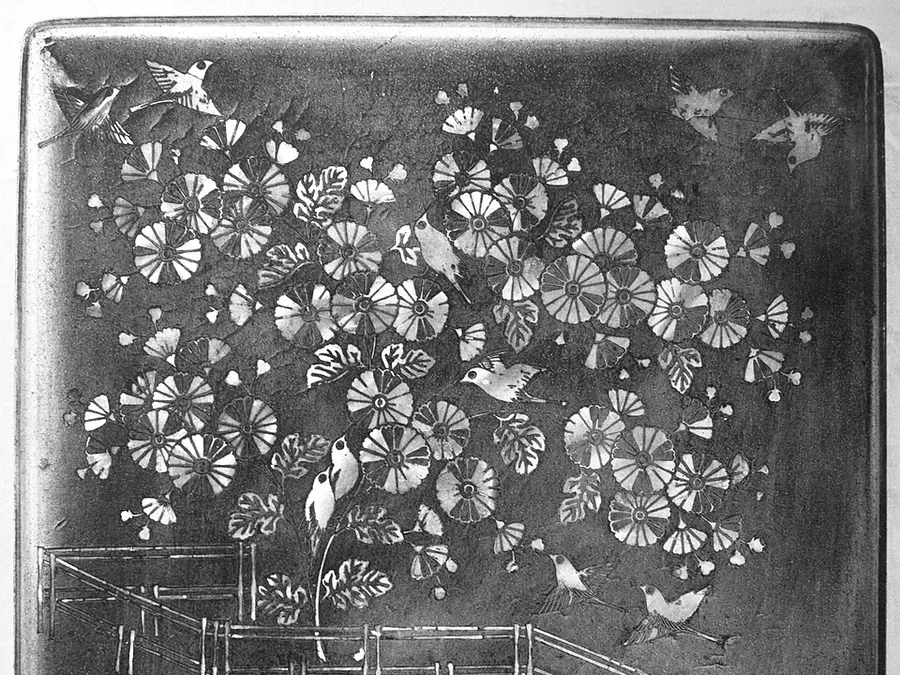
Bulk Mother-of-Pearl Inlay from Egypt
Nacre inlay boxes, backgammon sets, and furniture accents. Review 2 Egypt supplier research records with explicit evidence status and buyer checks for retail, hospitality, gifting, and sourcing teams.
GreenFlip does not yet hold a verified MOQ, FOB price, or production lead time for Mother-of-Pearl Inlay from Egypt. This page organises 2 research records by origin and craft. Public-web fields remain unconfirmed until the legal entity, production capability, current quotation, certificates, references, and sample are checked.
Evidence to request for Mother-of-Pearl Inlay
Shell checks: Confirm species, legal harvest and export documentation, treatment and coating, sharp-edge inspection, metal findings, restricted substances, and origin labelling.
For Egypt's production landscape and the checks that apply across every craft in the country, see the Egypt sourcing hub.
Suppliers at a glance
2 suppliersVisual showcase
6 images · Egypt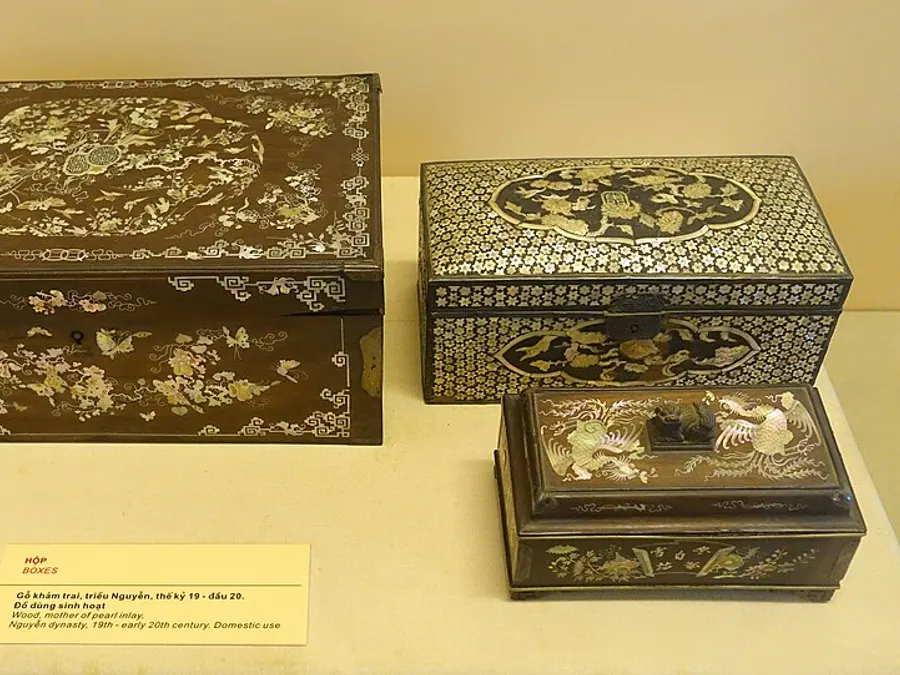
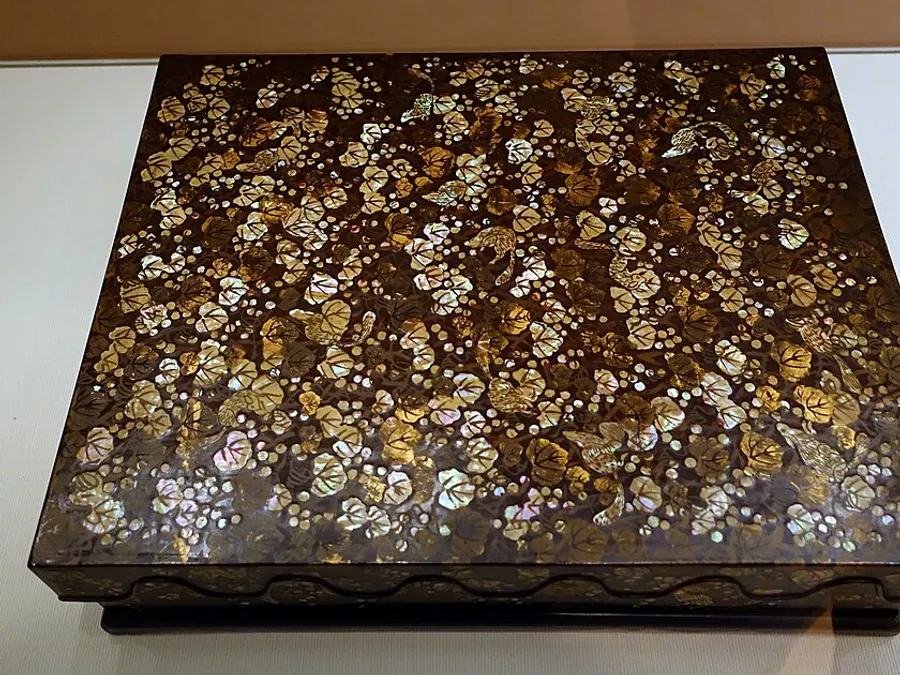
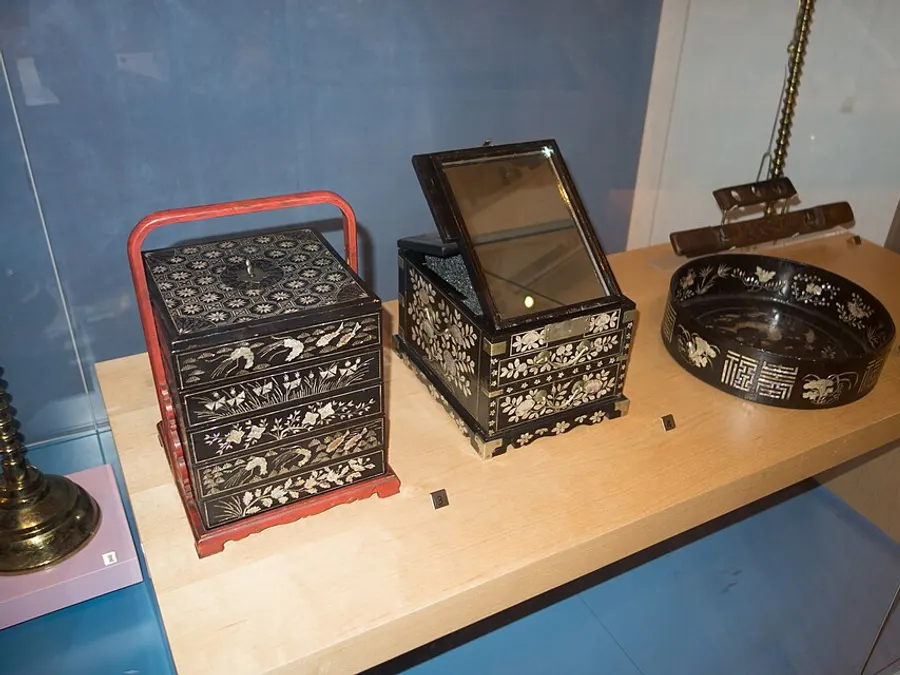
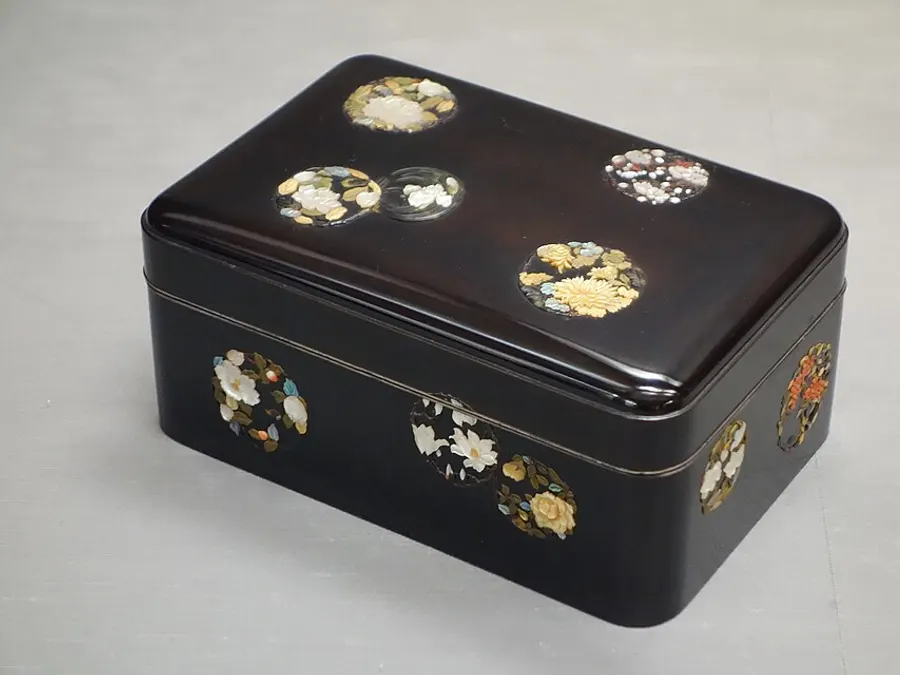
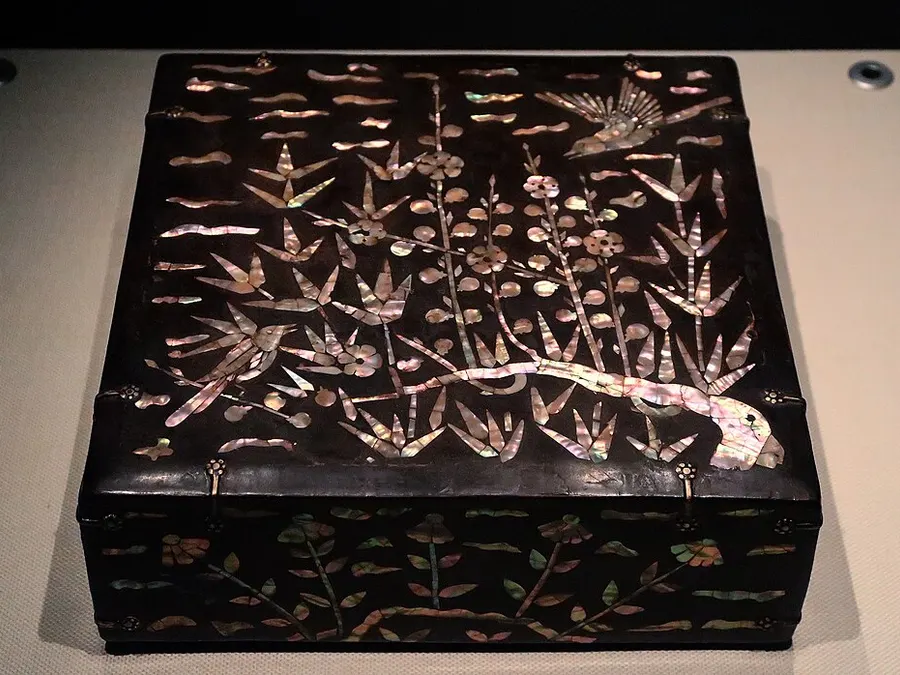
Images are illustrative and verified against our image rights policy. Supplier-provided, fair-trade media kits, or CC-licensed.
Supplier research records
These are leads, not endorsements. Commercial fields only count as confirmed when the profile state is verified.
Silver Furniture, White Metal Furniture, Bone Inlay Furnitur
🇪🇬 Agate, Egypt
Bone Inlay FurnitureBone Inlaid Artistically on Handmade Wooden FurnitureView CatalogueSilver FurniturePure Silver on Hand Carved Ethnic Style Wooden
arabinstruments
🇪🇬 Egypt
Arab Instruments offers the finest Arabic musical instruments, specializing in high-quality Darbukas, Ouds, Neys, and Riqs. Explore our handcrafted collection, including Egyptian, Sombaty doumbek, and Solo Darbukas. Worldwide shipping & exp
How to source Mother-of-Pearl Inlay from Egypt in bulk
- 1
Define your brief. Specify quantity per design, Shell grade, dimensions, finish, customisation, packaging, destination, arrival date and budget.
- 2
Research candidates. Use the 2 origin-and-craft records as leads, then verify identity, production capability, certificates, and references.
- 3
Request comparable quotations. Give each candidate the same specification and request a dated quotation, production schedule, sample plan, and named Incoterm.
- 4
Approve samples. Buy production-representative samples and record tolerances, finish, labelling, packing, and inspection criteria before committing to bulk.
- 5
Confirm and ship. Finalise the purchase order, payment protection, inspection, and freight only after the production schedule is confirmed in writing.
Frequently asked questions
What drives the MOQ and unit price for Egyptian mother-of-pearl inlay boxes and backgammon sets?
MOQ is set by hand-cutting labor: each tessera is sawn from raw shell sheet and individually seated into a routed wood substrate (typically beech, MDF, or walnut veneer). Pieces with dense arabesque or floral layouts — a single backgammon board can hold several thousand tesserae — push minimums upward and slow throughput, while simpler chevron, border, or sunburst patterns allow lower MOQs. Price is therefore driven less by shell cost than by piece count per square meter, pattern complexity, and whether the base is solid hardwood or MDF.
How do I judge the quality of a nacre-inlaid sample and what defects should I look for?
Run a fingernail across the surface — well-set inlay should feel flush, with no raised edges, pits, or filler/putty masking gaps. Inspect under raking light for micro-cracks (common in pen shell dried too quickly), color banding between adjacent pieces, cloudy patches, and yellowing of the resin or PU topcoat. Lifted corners, visible glue squeeze-out, and warping of the wood substrate are red flags that the adhesive bond, shell quality, or storage conditions are poor.
Which shell species and finishes are typically used in Egyptian nacre inlay, and how do they differ?
Egyptian workshops most often use pen shell (Pinna) from the Red Sea and Mediterranean for warm white-to-pink tones, plus turbo and haliotis-like abalone shells for green and blue iridescence, glued into routed cavities with epoxy or hide glue. Pen shell is thicker and chip-resistant but prone to surface cracking if cured too fast; thinner abalone layers give stronger color play but are more fragile and usually sealed under multiple coats of polyester or polyurethane lacquer. Natural color variation between shell batches is normal, so always request a range sample before placing a production order.
What should I expect when commissioning a custom pattern or OEM design for nacre inlay?
Most Cairo and Luxor workshops will accept a CAD file, photo, or hand sketch and produce a full-size master template plus a plywood or MDF cutting jig used to mark tessera positions. Expect a sampling phase of several weeks for a new design and a one-time pattern/jig setup fee, because the jig dictates every subsequent piece. After approval, production is bottlenecked at the hand-setting and grouting stage rather than shell cutting, so realistic lead times for custom OEM runs of dozens to a few hundred pieces run into several months.
Are there certifications, CITES, or provenance documents I should request when importing nacre inlay from Egypt?
If any of the shells are CITES-listed species such as giant clam (Tridacnidae), you must obtain a valid export permit and CITES re-export documentation from the Egyptian supplier, or the shipment can be held at destination customs. For non-CITES shells like pen, turbo, and freshwater mussel, ask for a certificate of origin, an Egyptian commercial invoice, and a written material declaration listing the exact shell species used. There is no formal GI registration for Egyptian nacre inlay, but workshops in Old Cairo, Khan el-Khalili, and Luxor are the recognized craft centers, and a signed workshop provenance letter is standard.
What packing and shipping practices are essential to prevent damage to nacre-inlaid goods in transit?
Inlaid wood is highly sensitive to humidity swings above roughly 65% RH, which can swell the substrate and pop tesserae loose, and to rapid temperature drops that crack the shell layer. Specify individual foam-lined inner boxes, double-walled corrugated outers, corner protectors, silica gel packets, and clear 'keep dry / do not stack' markings on every carton. For sea freight, request a container dehumidifier or desiccant bags, and allow the cartons to acclimatize for 48–72 hours in a dry room before opening, since condensation during unboxing is a common cause of edge lifting and surface cracking.
What production lead time should I plan for bulk Mother-of-Pearl Inlay from Egypt?
None of the 2 Egypt Mother-of-Pearl Inlay records on file carries one — including the workshop in Agate, which is why the lead-time column reads Unconfirmed. Ask each candidate for a dated ex-works schedule and the transit time to your port as separate figures.
Which Incoterm and freight details should a Egypt Mother-of-Pearl Inlay RFQ pin down?
Ex-works, FOB, and CIF prices for one Mother-of-Pearl Inlay order are three different numbers, so name the term and the destination port in the request or the quotes will not compare. Settle who books freight, who clears customs at each end, and the packing specification — handicraft cartons are usually volume-rated.
Browse Mother-of-Pearl Inlay by use case
Further reading on Mother-of-Pearl Inlay and Egypt
Sourcing Egyptian Alabaster Carving in Bulk
Buying Luxor alabaster in bulk: why it is calcite not gypsum, translucency and wall thickness, fissures, lamp certification and the antiquities red line.
Sourcing Khayamiya Appliqué Textiles from Egypt
Buying Cairo tentmaker appliqué in bulk: hand-stitched versus printed, stitch and edge quality, shrinkage, colourfastness, flammability and MOQ realities.
Sourcing Egyptian Papyrus Art in Bulk
Buying papyrus in bulk: telling real papyrus from banana leaf, hand-painted versus printed, humidity and light damage, framing, packing and classification.
Sourcing Guide: Handicrafts from Egypt
A sourcing guide to Egypt's crafts: alabaster carving, khayamiya appliqué, hand-blown glass, papyrus, and mother-of-pearl inlay
How we chose
We reviewed 2 Egypt Mother-of-Pearl Inlay research records for this page on October 7, 2026. Inclusion means the record matches the origin and craft; it does not mean GreenFlip verified the business or its claims. Only verified records may contribute MOQ, price, lead time, certification, or wholesale Product structured data.