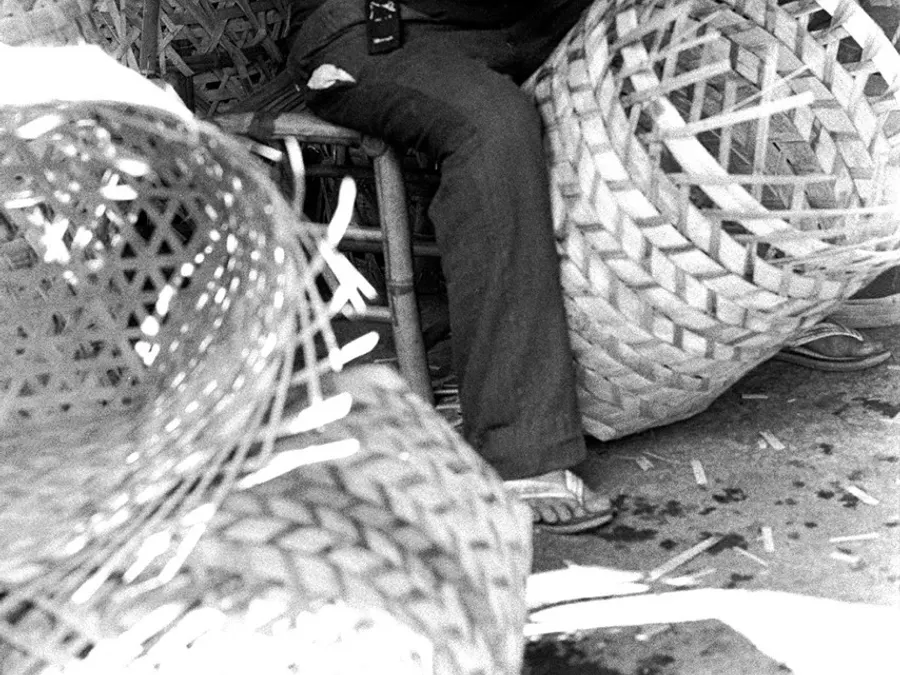
Bulk Rattan & Bamboo from Philippines
Rattan furniture, bamboo baskets, and woven lifestyle products. Review 0 Philippines supplier research records with explicit evidence status and buyer checks for retail, hospitality, gifting, and sourcing teams.
GreenFlip does not yet hold a verified MOQ, FOB price, or production lead time for Rattan & Bamboo from Philippines. This page organises 0 research records by origin and craft. Public-web fields remain unconfirmed until the legal entity, production capability, current quotation, certificates, references, and sample are checked.
Evidence to request for Rattan & Bamboo
Natural Fibre checks: Confirm botanical fibre, harvest and source evidence, moisture and mould controls, fumigation needs, load testing, finish chemistry, and packing ventilation.
For Philippines's production landscape and the checks that apply across every craft in the country, see the Philippines sourcing hub.
Suppliers at a glance
0 suppliersWe're onboarding more Philippines Rattan & Bamboo suppliers.
Request a quote and we'll match youVisual showcase
6 images · Philippines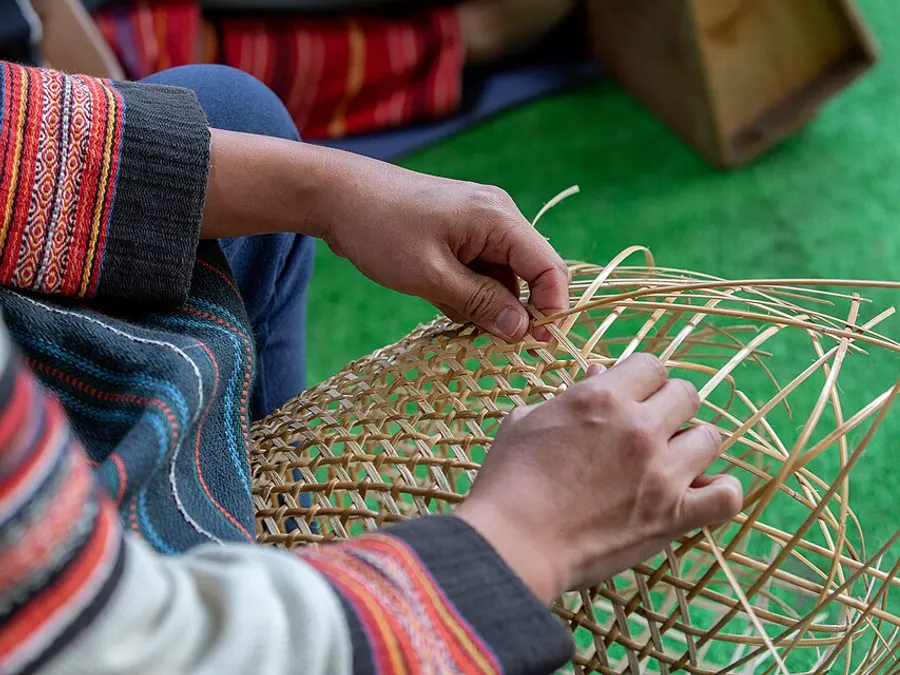
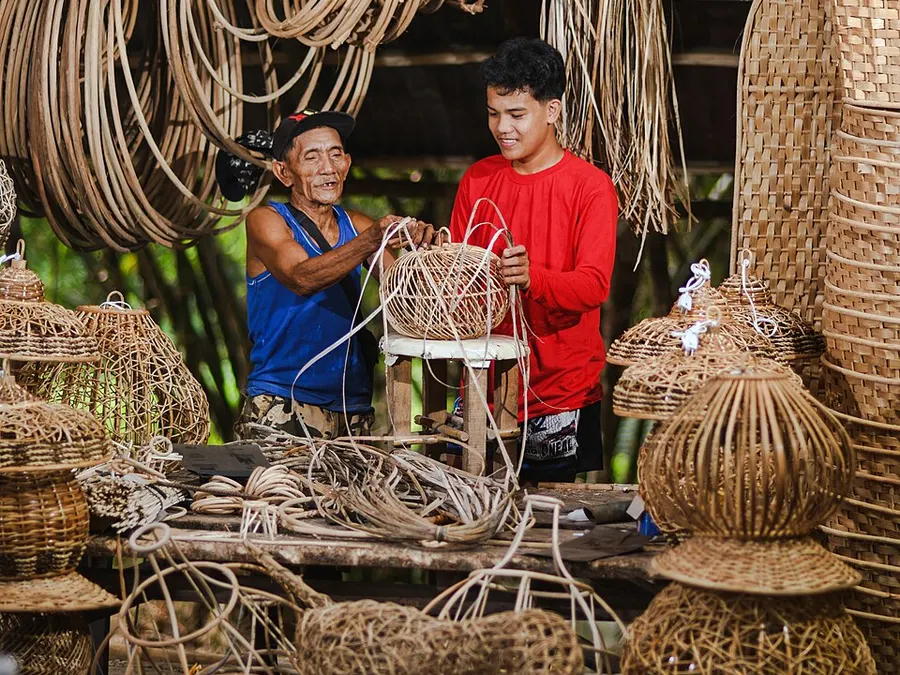
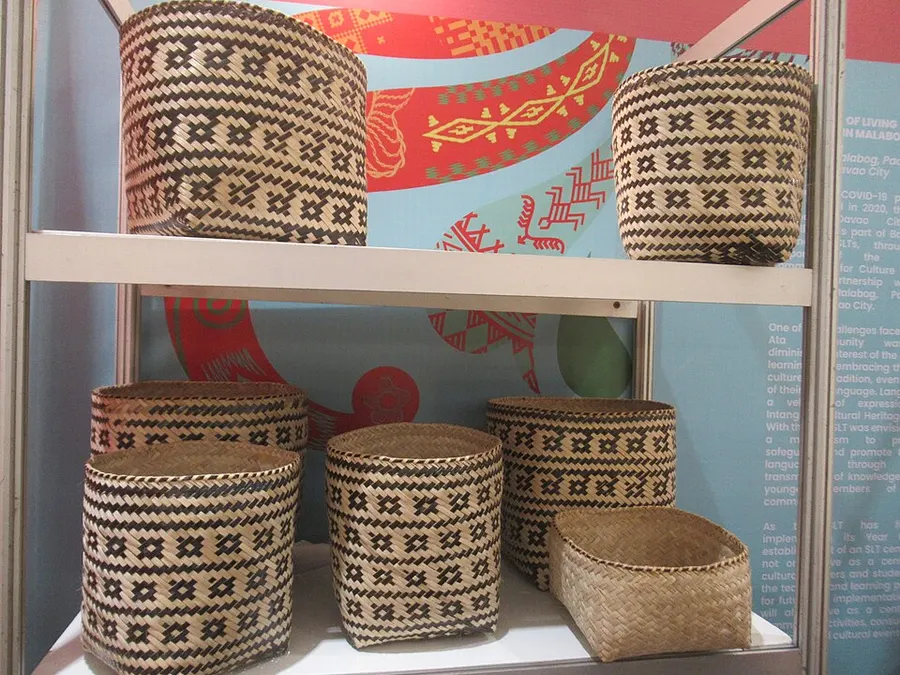
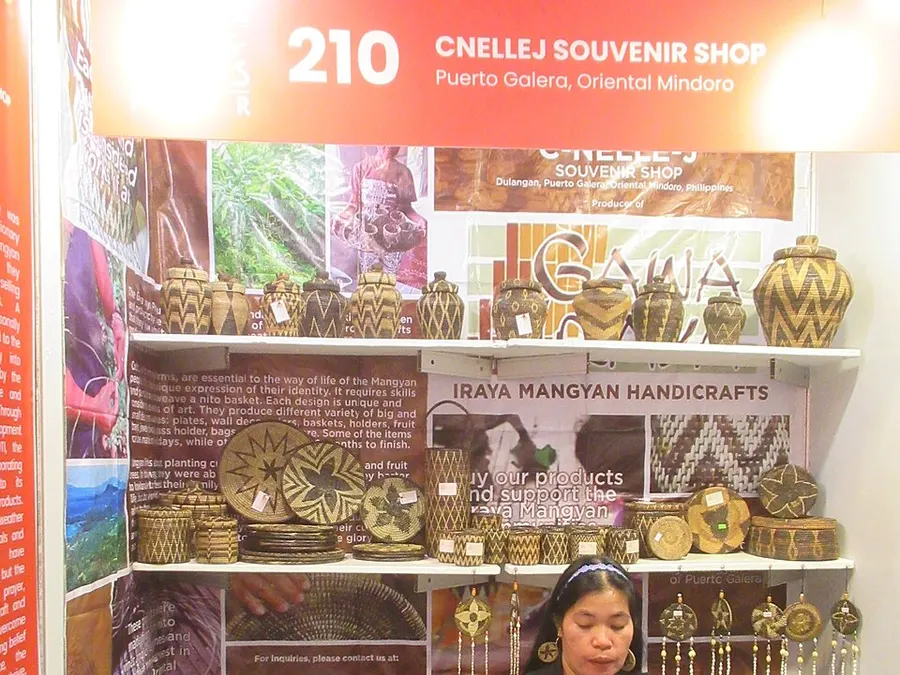
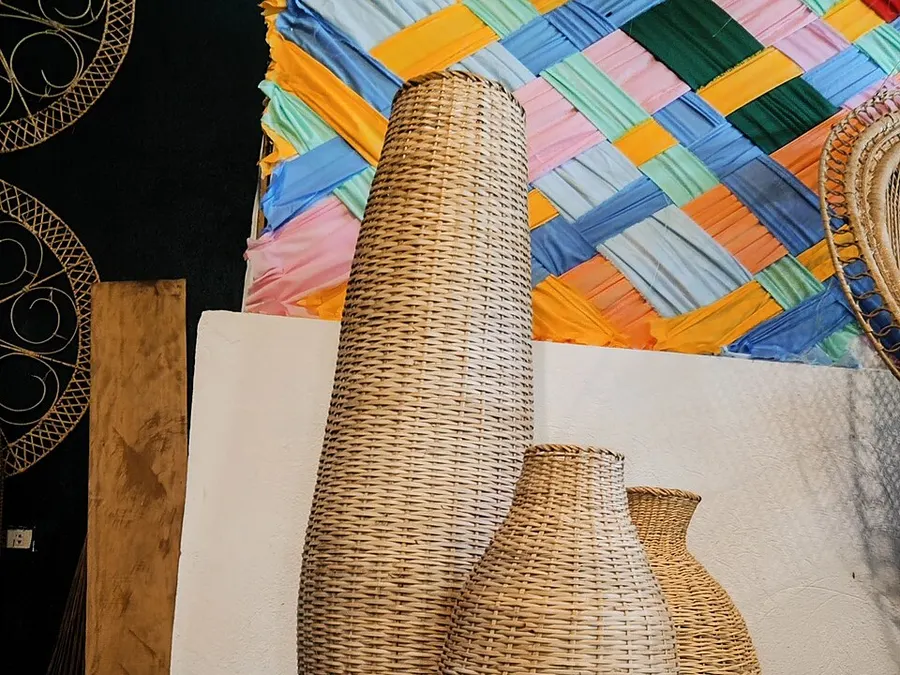
Images are illustrative and verified against our image rights policy. Supplier-provided, fair-trade media kits, or CC-licensed.
How to source Rattan & Bamboo from Philippines in bulk
- 1
Define your brief. Specify quantity per design, Natural Fibre grade, dimensions, finish, customisation, packaging, destination, arrival date and budget.
- 2
Research candidates. Use the 0 origin-and-craft records as leads, then verify identity, production capability, certificates, and references.
- 3
Request comparable quotations. Give each candidate the same specification and request a dated quotation, production schedule, sample plan, and named Incoterm.
- 4
Approve samples. Buy production-representative samples and record tolerances, finish, labelling, packing, and inspection criteria before committing to bulk.
- 5
Confirm and ship. Finalise the purchase order, payment protection, inspection, and freight only after the production schedule is confirmed in writing.
Frequently asked questions
What typically drives MOQ and unit price for woven rattan and bamboo products sourced from Indonesia and the Philippines?
MOQ is set mostly by hand-weaving hours, frame steaming and drying cycles, and the minimum batch size for stains or lacquer — a single color run usually needs several dozen pieces to be economical. Rattan core and peel yields vary pole by pole, so factories prefer orders that consume a full bundle rather than fractional quantities, and bamboo strips have similar width and length losses. Rattan furniture in particular is bulky with low value per cubic meter, which is why most makers want orders large enough to fill at least partial containers before they will quote seriously.
How can I judge weave quality and spot the most common defects before shipment?
Run a hand along the weave — tight, even tension with no slack strands or visible give is the first sign of skilled weaving, while gaps, loose wraps, or exposed nail or staple heads are red flags. Inspect rattan joints for hairline cracks where the core was bent cold instead of steam-bent, and check the underside for glue seepage that often hides splits at the tenon. For bamboo items, tap the poles: a sharp hollow sound suggests proper curing, whereas a dull thud can mean retained moisture that will later crack, warp, or develop mold in the container.
Which rattan and bamboo species should I be asking about, and how do finishes affect durability?
In Indonesia, the common trade names you will see are Manau (large diameter, structural, used for frames), plus Sega, Tohiti, and Pulut, which differ in flexibility, color, and suitability for peel weaving versus core work. Philippine makers often use Cebu-grown rattan for baskets or import Manau for furniture frames, and bamboo choices typically include Petung (Gigantochloa), Tali, and Ambon depending on wall thickness and node spacing. For outdoor or humid-climate use, ask specifically for kiln-dried cores and a catalyzed or marine-grade varnish, because a basic water-based clear coat alone will not hold up under UV and rain on a patio set.
What should I expect when requesting a custom rattan or bamboo design for OEM production?
Expect to provide a tech pack with frame dimensions, weave pattern references, and a Pantone or stain chip — factories will then produce a hand sample in roughly 3–6 weeks, and any bent-rattan jigs are usually a one-time charge amortized over the run. Non-standard weave patterns or unusual pole diameters push MOQ up, because weavers need time to learn the sequence and reject rates climb during the first batch. Cushion fabrics, glass tops, and hardware are typically sourced separately by the maker or the buyer, so those lead times need to be confirmed alongside the rattan or bamboo frame schedule.
What certifications and compliance documents should I require for rattan and bamboo exports?
For finishes and any fabric components, request REACH or SVHC declarations plus OEKO-TEX certificates on cushion covers, since these are the most common regulatory asks in the EU and US. Several rattan species in the Calamus and Daemonorops genera are listed under CITES Appendix II, so for raw cane, peel, or unworked poles the supplier should furnish a CITES export permit from Indonesia or the Philippines. Social audits such as BSCI, Sedex, or SA8000 are standard at larger factories, and FSC or PEFC chain-of-custody is available for plantation bamboo, though genuinely certified wild rattan remains rare.
What packing and shipping issues catch out first-time buyers of rattan and bamboo?
Rattan furniture is volumetric — even knock-down chairs rarely pack below roughly 0.15–0.25 CBM each, so a 40HQ holds far fewer pieces than buyers used to solid wood expect, and woven baskets are even less cube-efficient. Bamboo and rattan are vulnerable to mold during ocean transit in humid weather, so insist on kiln-dried stock, desiccant bags inside poly-lined cartons, and avoid loading immediately after rain. Some destination markets require ISPM 15-marked pallets or treatment certificates for bamboo dunnage, and untreated natural rattan can attract powder-post beetle in the warehouse, so a pre-shipment inspection for fresh bore dust is well worth the cost.
What production lead time should I plan for bulk Rattan & Bamboo from Philippines?
None of the 0 Philippines Rattan & Bamboo records on file carries one, which is why the lead-time column reads Unconfirmed. Ask each candidate for a dated ex-works schedule and the transit time to your port as separate figures.
Which Incoterm and freight details should a Philippines Rattan & Bamboo RFQ pin down?
Ex-works, FOB, and CIF prices for one Rattan & Bamboo order are three different numbers, so name the term and the destination port in the request or the quotes will not compare. Settle who books freight, who clears customs at each end, and the packing specification — handicraft cartons are usually volume-rated.
Browse Rattan & Bamboo by use case
Further reading on Rattan & Bamboo and Philippines
Sea vs Air Freight for Handicraft Imports
Compare sea freight (FCL/LCL) and air freight for handicraft imports: cost, transit time, minimums, and when each makes sense
Sourcing Guide: Handicrafts from the Philippines
A sourcing guide to the Philippines: capiz shell craft, abaca and raffia fibre, rattan furniture, Paete wood carving, and pearls
How we chose
We reviewed 0 Philippines Rattan & Bamboo research records for this page on October 7, 2026. Inclusion means the record matches the origin and craft; it does not mean GreenFlip verified the business or its claims. Only verified records may contribute MOQ, price, lead time, certification, or wholesale Product structured data.