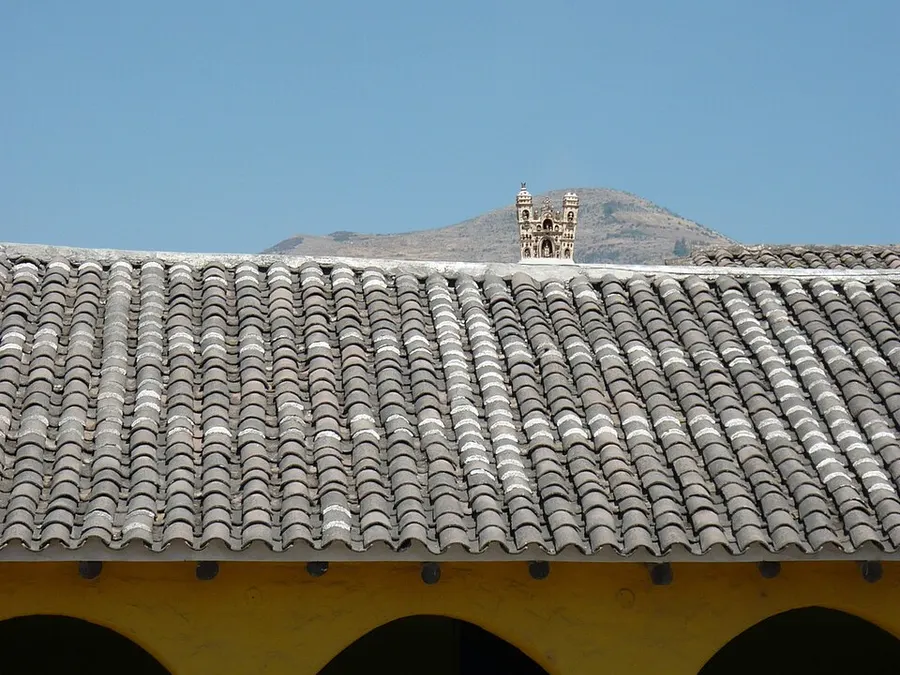
Bulk Retablo Painted Altars from Peru
Ayacucho retablo storytelling boxes and painted wood craft. Review 0 Peru supplier research records with explicit evidence status and buyer checks for retail, hospitality, gifting, and sourcing teams.
GreenFlip does not yet hold a verified MOQ, FOB price, or production lead time for Retablo Painted Altars from Peru. This page organises 0 research records by origin and craft. Public-web fields remain unconfirmed until the legal entity, production capability, current quotation, certificates, references, and sample are checked.
Evidence to request for Retablo Painted Altars
Painted checks: Record maker and motif attribution, substrate, pigment and coating chemistry, colour tolerance, abrasion resistance, dimensions, and protective packing.
For Peru's production landscape and the checks that apply across every craft in the country, see the Peru sourcing hub.
Suppliers at a glance
0 suppliersWe're onboarding more Peru Retablo Painted Altars suppliers.
Request a quote and we'll match youVisual showcase
6 images · Peru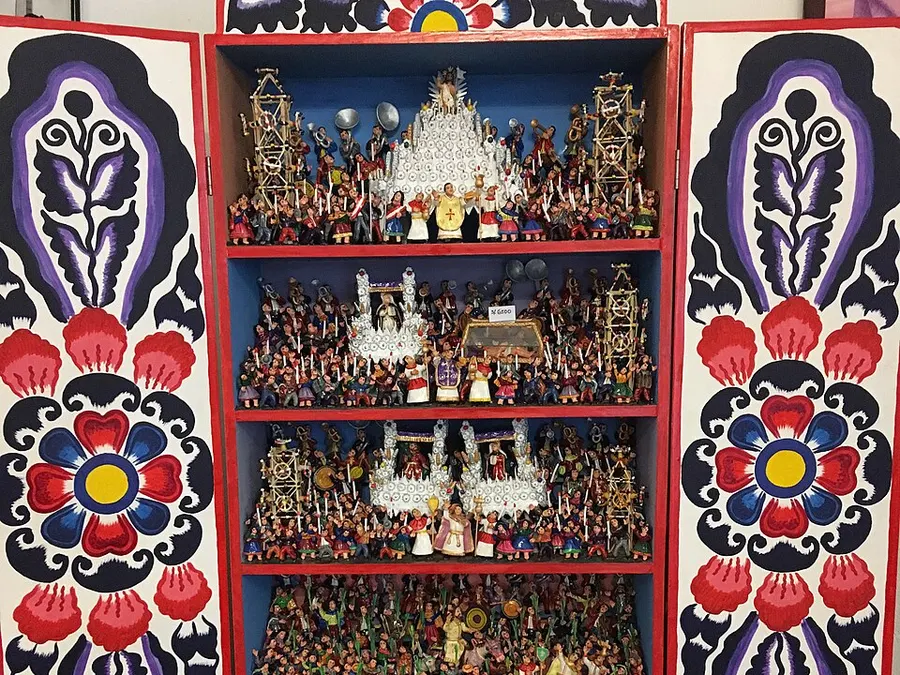
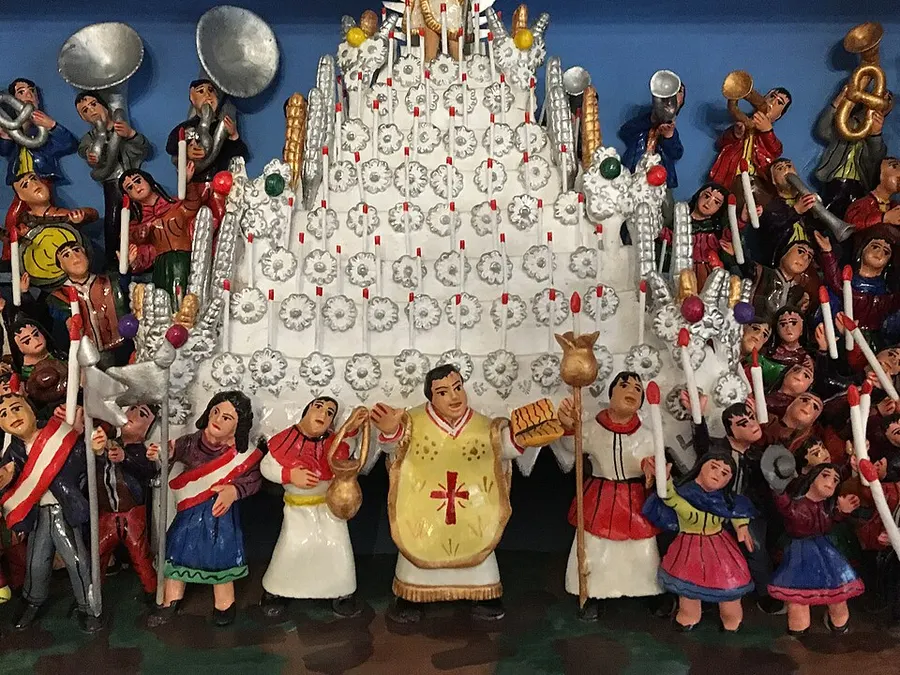
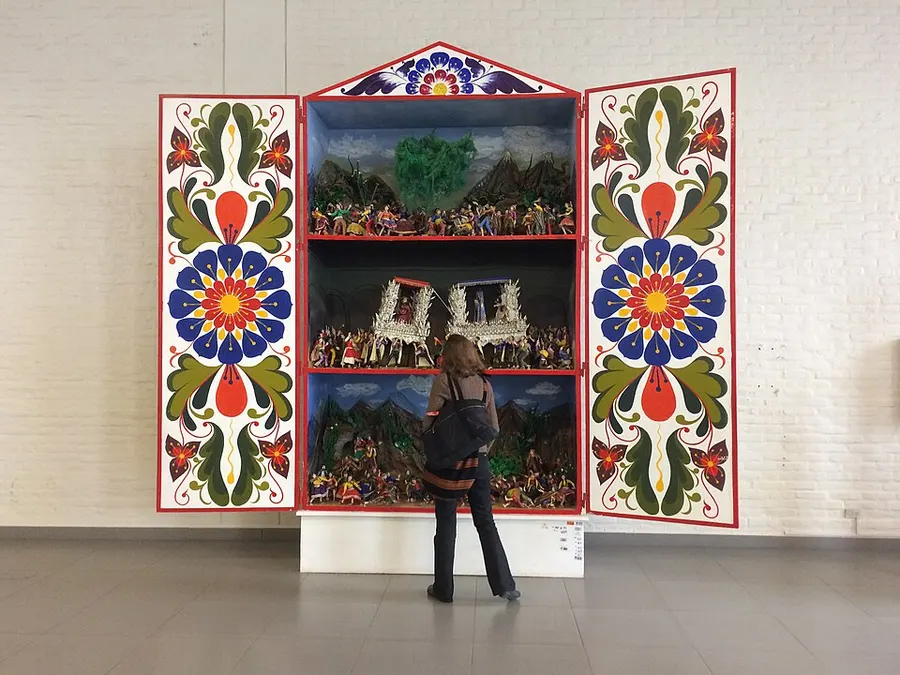
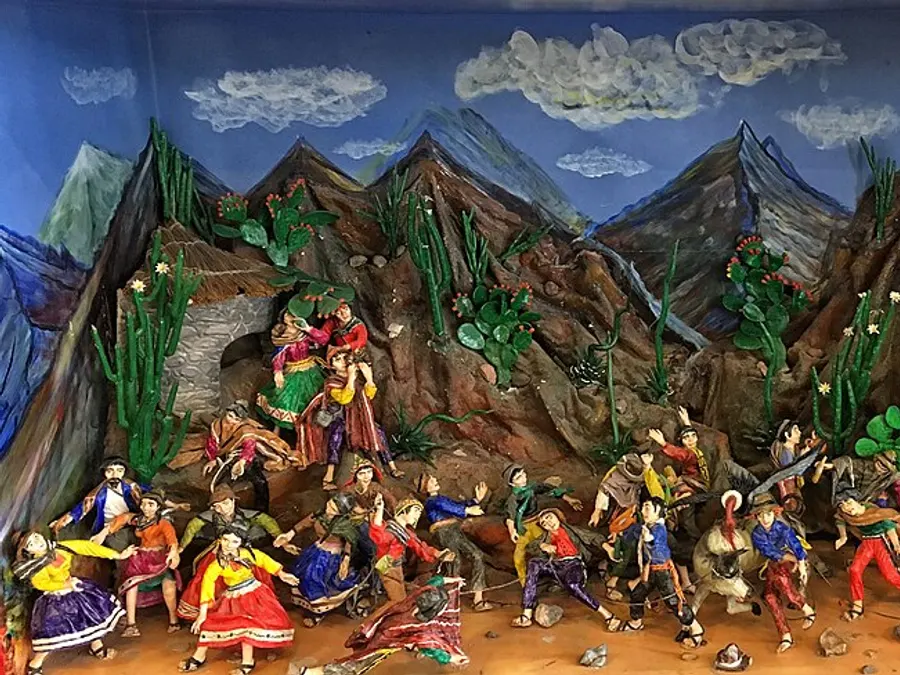
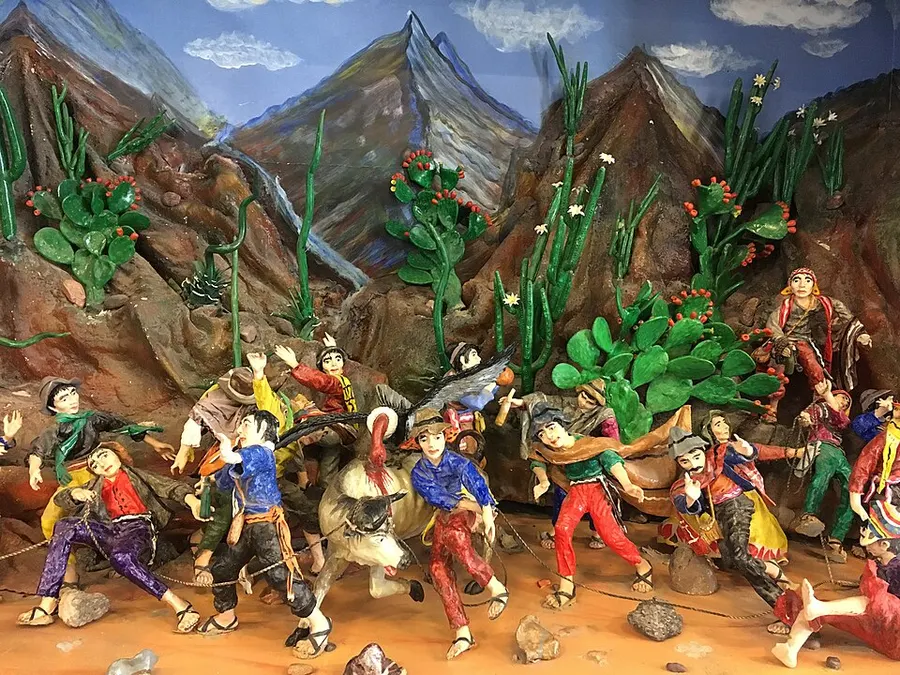
Images are illustrative and verified against our image rights policy. Supplier-provided, fair-trade media kits, or CC-licensed.
How to source Retablo Painted Altars from Peru in bulk
- 1
Define your brief. Specify quantity per design, Painted grade, dimensions, finish, customisation, packaging, destination, arrival date and budget.
- 2
Research candidates. Use the 0 origin-and-craft records as leads, then verify identity, production capability, certificates, and references.
- 3
Request comparable quotations. Give each candidate the same specification and request a dated quotation, production schedule, sample plan, and named Incoterm.
- 4
Approve samples. Buy production-representative samples and record tolerances, finish, labelling, packing, and inspection criteria before committing to bulk.
- 5
Confirm and ship. Finalise the purchase order, payment protection, inspection, and freight only after the production schedule is confirmed in writing.
Frequently asked questions
What is the typical minimum order quantity for Ayacucho retablos, and what drives the per-unit price?
MOQ for hand-painted retablos typically starts around 20–50 units per scene, because each box is painted by a single artisan and small-batch setups for new color palettes or figure arrangements eat into margins. Per-unit price scales heavily with the number of miniature figures and the complexity of the interior diorama — a 12-figure nativity with multi-room compartments will be roughly double the cost of a 4-figure single-scene box because of the hand-cutting, assembly, and the multiple coats of oil paint and varnish required.
How can I judge the quality of a hand-painted Ayacucho retablo before shipment?
Inspect the back panel and corners for clean, flush joints with no visible gaps — split corners or glue residue indicate rushed carpentry that worsens in transit. Fine line work on the figurines' faces, clothing folds, and floral borders should be crisp and even; blurred edges, paint pooling, or bare wood showing through point to a less experienced painter. Open and close the doors several times to confirm the hinges hold and the small glued props (animals, foliage, candle stubs) are firmly seated, not just resting on wet adhesive.
What woods, paints, and finishes are actually used in authentic Ayacucho retablos?
Most workshops in the Huamanga region use local softwoods like cedro (Spanish cedar) or pino for the box structure because they accept fine carving and resist warping in Ayacucho's dry climate, while higher-end pieces may use tornillo or requia. The 3D figures inside are usually carved from light balsa-like woods or built on wire armatures wrapped with fabric dipped in plaster, then painted with artist's oils or quality acrylics and sealed with a matte or satin varnish. Authentic retablos are fully painted inside and out; only the exterior back panel is typically left raw, so any 'natural wood' claim on the interior or figures is a red flag.
Can I commission custom scenes, sizes, or color schemes for retablos?
Yes, most Ayacucho workshops accept custom commissions — corporate mascots, family portraits, regional festival scenes, branded nativities — but expect a 60–90 day development cycle plus a sample fee, with unit prices typically 15–25% above standard catalog pieces. The medium imposes real limits: figurines smaller than about 1 cm lose paint detail, and any internal mechanical or moving part is hard to build because everything is hand-glued and balanced. Always insist on a hand-painted pre-production sample and confirm in writing that minor artisan-made variations in figure placement and brushwork are acceptable.
Is there a Denomination of Origin or GI protection for Ayacucho retablos, and what documentation should I receive?
Retablo ayacuchano is recognized as Peruvian cultural heritage, and INDECOPI and the Ayacucho regional government have worked toward a Denominación de Origen, so ask suppliers directly for the current status and any DO certificate number on file. Even outside a finalized DO, a reputable exporter should provide a certificate of origin naming the Huamanga/Ayacucho region, the artisan workshop or family, and dated production photos. Be cautious of generic 'Peruvian crafts' labels — retablo styles from Cusco religious boxes or the Calle de los Artesanos in Lima are stylistically distinct and not interchangeable with authentic Ayacucho work.
What are the specific packing and shipping challenges for retablos?
The 3D diorama inside the box is the main breakage risk — figurines, swinging doors, and small glued props detach or shatter under vibration, so each piece needs a custom-cut foam cradle or scored cardboard insert that holds the doors shut and immobilizes the figures against the back wall. Outer cartons should be double-walled with 'FRAGILE' and 'THIS SIDE UP' marks on at least two faces, and cartons should never be stacked more than two or three high. During sea freight, request silica gel packs and a humidity indicator card, because the plaster armatures and softwood boxes can develop mold or hairline cracks if they sit in a humid port container.
What production lead time should I plan for bulk Retablo Painted Altars from Peru?
None of the 0 Peru Retablo Painted Altars records on file carries one, which is why the lead-time column reads Unconfirmed. Ask each candidate for a dated ex-works schedule and the transit time to your port as separate figures.
Which Incoterm and freight details should a Peru Retablo Painted Altars RFQ pin down?
Ex-works, FOB, and CIF prices for one Retablo Painted Altars order are three different numbers, so name the term and the destination port in the request or the quotes will not compare. Settle who books freight, who clears customs at each end, and the packing specification — handicraft cartons are usually volume-rated.
Browse Retablo Painted Altars by use case
Further reading on Retablo Painted Altars and Peru
Sourcing Peruvian Alpaca Textiles in Bulk
Buying Peruvian alpaca knitwear and home textiles in bulk: micron grades, what baby alpaca really means, blend labelling, pilling and moth control.
Sourcing Guide: Handicrafts from Peru
Peru's four export craft categories for bulk buyers: Andean alpaca textiles, Ayacucho retablos, regional pottery, and silverwork from the Cusco corridor.
How we chose
We reviewed 0 Peru Retablo Painted Altars research records for this page on October 7, 2026. Inclusion means the record matches the origin and craft; it does not mean GreenFlip verified the business or its claims. Only verified records may contribute MOQ, price, lead time, certification, or wholesale Product structured data.