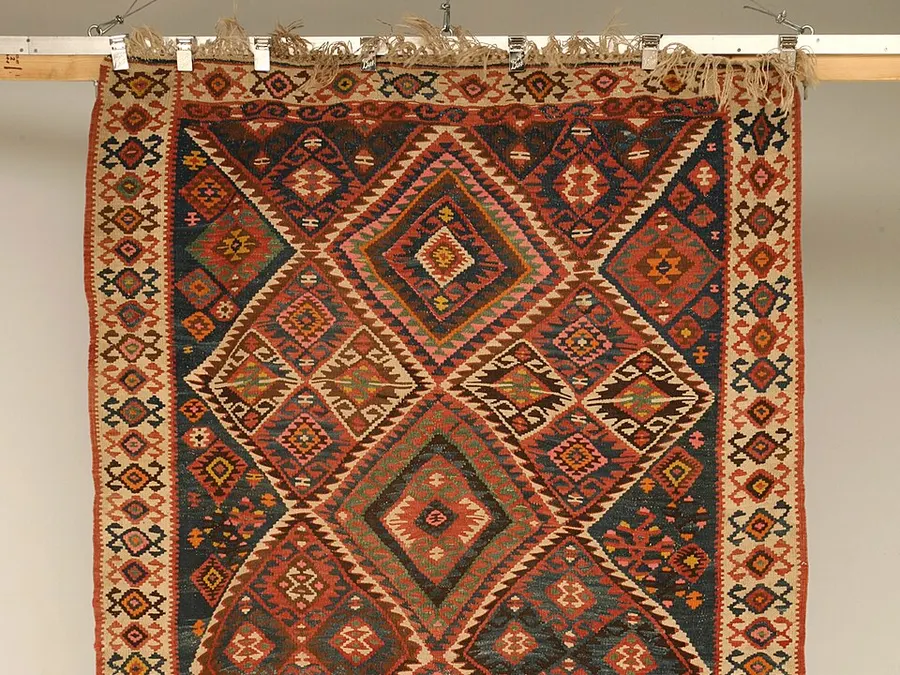
Bulk Kilim Flatweave Rugs from Turkey
Anatolian kilim flatweave rugs and runners. Review 2 Turkey supplier research records with explicit evidence status and buyer checks for retail, hospitality, gifting, and sourcing teams.
GreenFlip does not yet hold a verified MOQ, FOB price, or production lead time for Kilim Flatweave Rugs from Turkey. This page organises 2 research records by origin and craft. Public-web fields remain unconfirmed until the legal entity, production capability, current quotation, certificates, references, and sample are checked.
Evidence to request for Kilim Flatweave Rugs
Textile checks: Confirm fibre composition, yarn and weave specification, dimensions, colourfastness, shrinkage, restricted dyes, care labelling, and repeat-order shade tolerance.
For Turkey's production landscape and the checks that apply across every craft in the country, see the Turkey sourcing hub.
Suppliers at a glance
2 suppliersVisual showcase
6 images · Turkey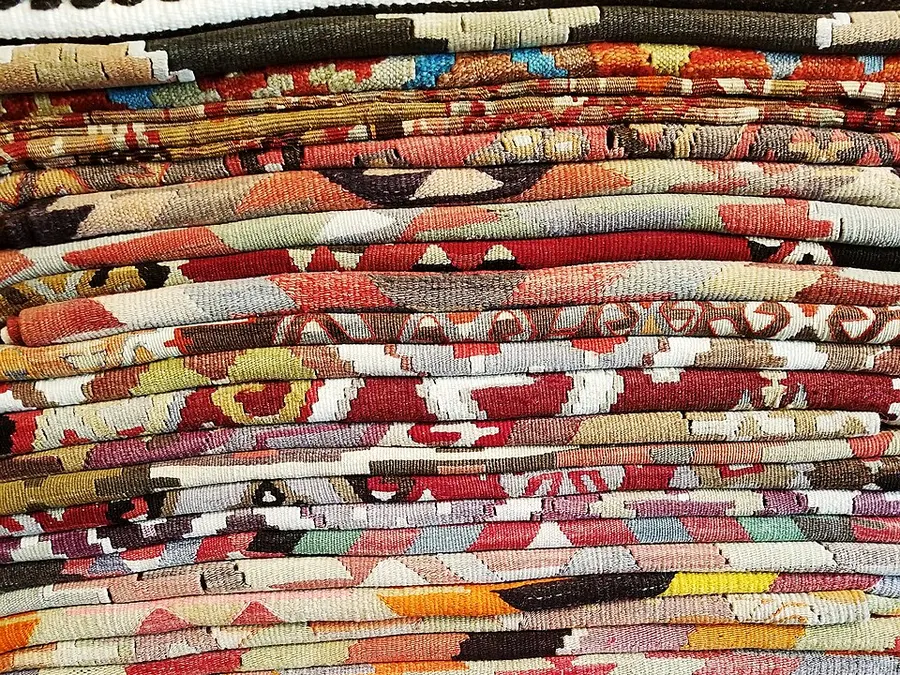
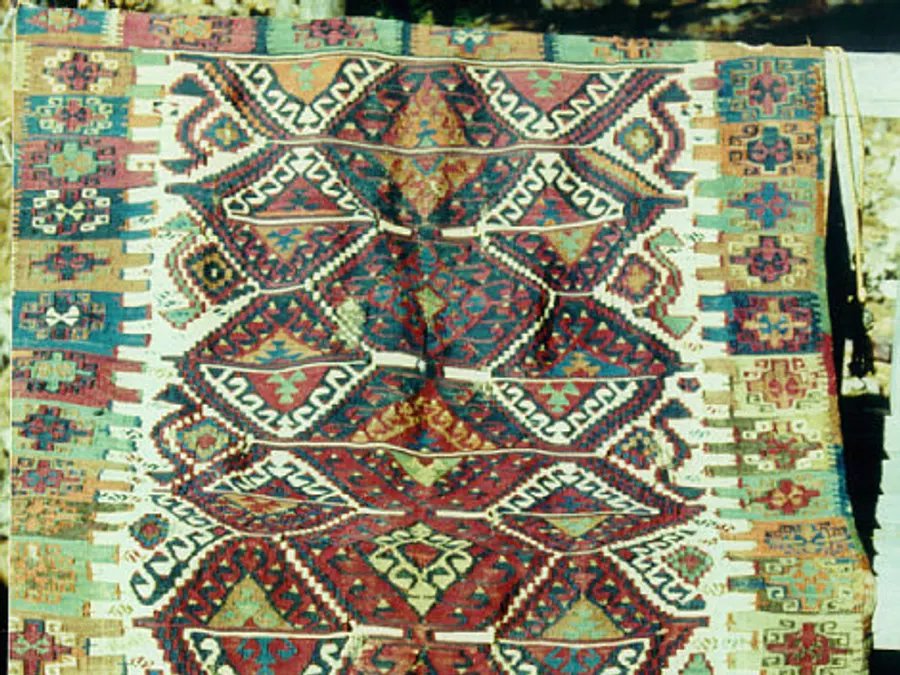
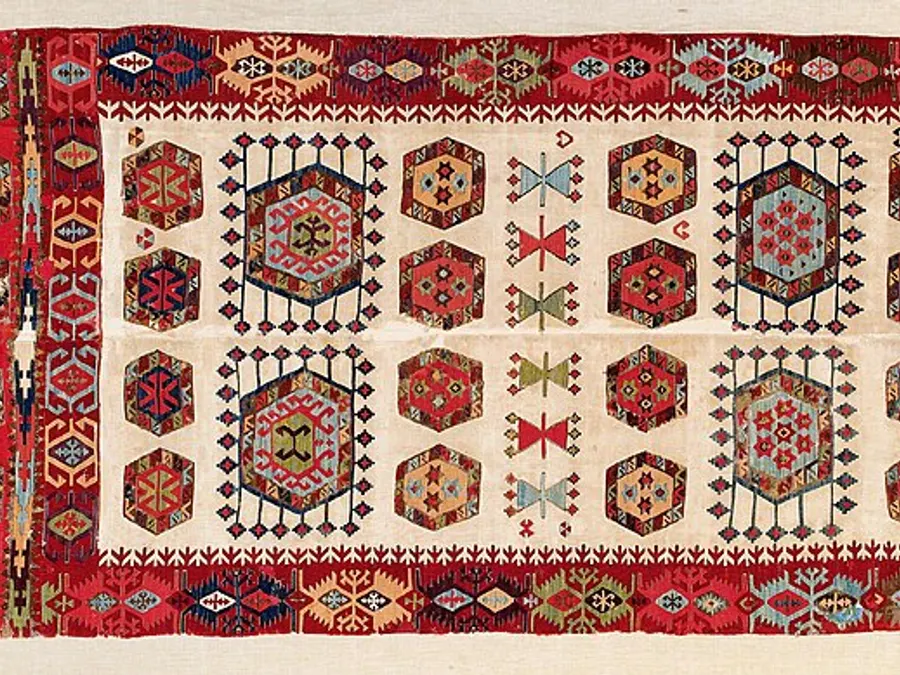
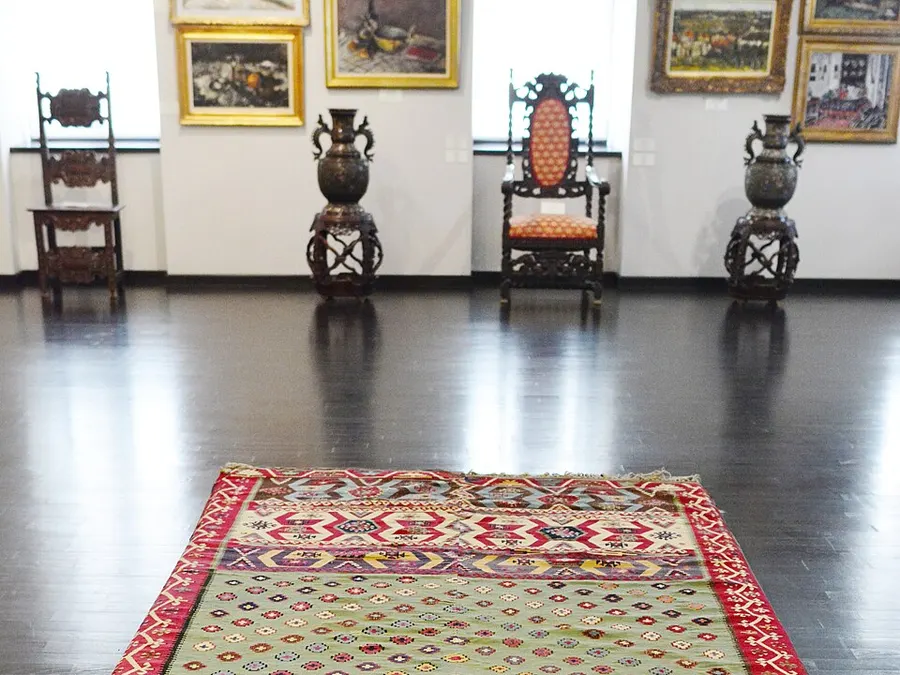
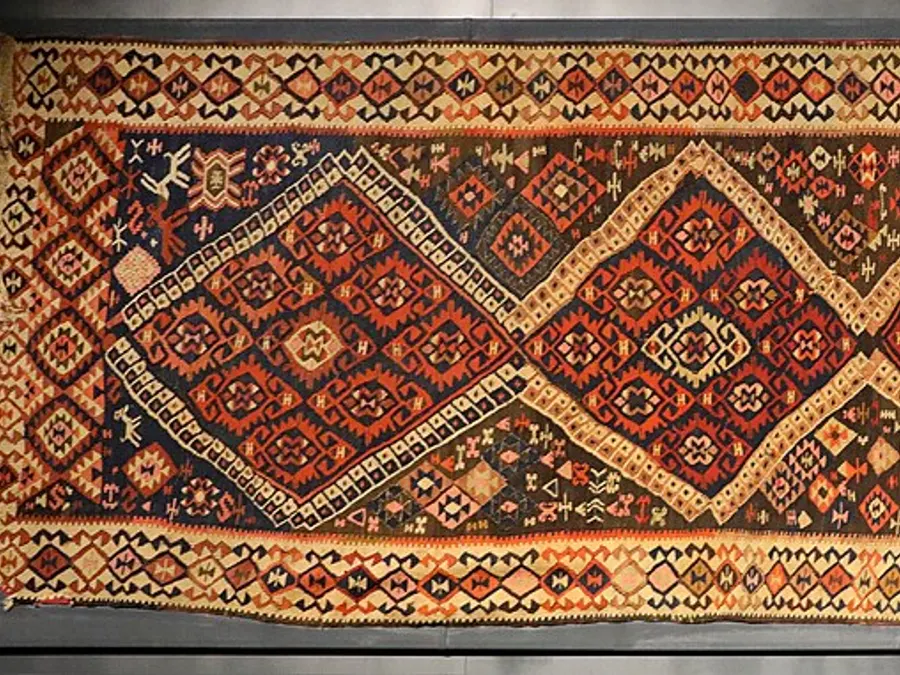
Images are illustrative and verified against our image rights policy. Supplier-provided, fair-trade media kits, or CC-licensed.
Supplier research records
These are leads, not endorsements. Commercial fields only count as confirmed when the profile state is verified.
KILIM
🇹🇷 Istanbul, Turkey
One of Turkey's largest hand-woven rug wholesalers. With perfect colors and perfect combinations, you can achieve harmony in your home.
Turk Rugs
🇹🇷 Turkey, Turkey
Handmade vintage rugs at affordable prices with free shipping. Shop our collection of unique Turkish rugs, kilim rugs, overdyed rugs, patchwork rugs, and more.
How to source Kilim Flatweave Rugs from Turkey in bulk
- 1
Define your brief. Specify quantity per design, Textile grade, dimensions, finish, customisation, packaging, destination, arrival date and budget.
- 2
Research candidates. Use the 2 origin-and-craft records as leads, then verify identity, production capability, certificates, and references.
- 3
Request comparable quotations. Give each candidate the same specification and request a dated quotation, production schedule, sample plan, and named Incoterm.
- 4
Approve samples. Buy production-representative samples and record tolerances, finish, labelling, packing, and inspection criteria before committing to bulk.
- 5
Confirm and ship. Finalise the purchase order, payment protection, inspection, and freight only after the production schedule is confirmed in writing.
Frequently asked questions
What is a realistic MOQ for a custom Anatolian kilim, and what drives the per-piece price most heavily?
Most Turkish workshops treat a custom kilim order in the range of roughly 20–50 m² as a workable minimum, because hand-weaving on a vertical or ground loom is labor-bound: a cartoon (the painted design graph) has to be prepared and translated onto the warp before the first weft is thrown, and that setup cost is amortised across the run. The largest price drivers, in order, are the number of distinct colors in the design (each change requires its own bobbin and slows the weaver), whether the yarn is hand-spun (yün ipliği) or machine-spun, the wool grade (kıl kaba village wool versus finer merino or tiftik/mohair), and the finished dimensions of each piece.
What are the most common defects I should look for when inspecting an incoming kilim shipment?
On flatweaves, the tell-tale defects appear at the selvedges and the slits: weak or wavy selvedges that bulge under tension, and long open slits between color blocks that have not been properly interlocked or dovetailed — those slits are structural weak points where the rug can literally split along a color boundary in use. Also check for color bleeding between adjacent areas (especially in poorly washed natural-dyed lots), uneven weft tension that bows the design across the width, and missed warps that show as thin vertical gaps in the weave.
Can you clarify the wool types and dye systems typical of Anatolian kilims, and how do I tell them apart on inspection?
Traditional kilims are woven from locally sourced wool — kıl kaba (coarser, hand-spun) for village pieces and finer merino or tiftik (mohair) blends for workshop-grade work — with cotton warps in some regional styles such as Şarköy; you can usually distinguish hand-spun yarn by its slightly uneven thickness and visible slubs versus the smooth uniformity of machine-spun. Dyes are either natural (madder root, indigo, walnut hulls, weld) or synthetic azo/chrome; a simple damp-white-cloth rub test on a deep-dyed area will often show surplus dye on rushed synthetic lots, while a properly mordanted and post-washed natural-dye piece will leave little transfer.
Can a Turkish mill reproduce a specific antique or museum kilim design for my collection, and what does the OEM process look like?
Yes — most established kilim ateliers can re-weave from a photograph, a sketch, or a borrowed original, but expect a one-time cartoon-preparation fee and a longer lead time of typically several weeks for sampling plus production, because the pattern has to be re-scaled to your requested size and the original color palette translated into currently available yarn stocks. The closer the piece is to a documented regional tradition (e.g., Bergama, Konya, Sivas, Antakya, Mucur), the more accurately a workshop can replicate the motifs, the palette, and the typical weft density of that area.
What provenance or compliance documentation should I request to verify a kilim is genuinely handwoven in Turkey and safe for my import market?
Ask for a workshop/region declaration naming the province and, where possible, the village of weaving, the master weaver's name or cooperative stamp on the back, and — for chemical safety in the EU, US, UK, or Japan — an OEKO-TEX Standard 100 certificate covering the finished rug, or a GOTS certificate if the wool is sold as organically raised. For natural-dye claims, request a laboratory test report (spectrophotometry or thin-layer chromatography) rather than relying on oral confirmation. Note that individual Turkish regional weaving traditions may carry cultural-heritage recognition, but kilim as a category is not protected by a single widely used GI mark the way some carpet categories are, so regional authenticity rests on documented workshop provenance.
How should wool kilims be packed and shipped so they arrive without creasing, moth damage, or mildew?
Roll (never fold) each kilim on a tube at least 7–10 cm in diameter with the face inward, wrap first in acid-free tissue and then in breathable cotton sheeting — plastic film directly on the wool traps humidity and encourages mildew during ocean transit. Include cedar blocks or approved moth-repellent sachets in each roll (wool kilims are vulnerable to Tineola bisselliella, the webbing clothes moth), and use a moisture-buffered container with desiccant if the route passes through humid climates. A typical 2×3 m all-wool kilim weighs roughly 6–10 kg depending on weft density, so a 20-ft container can absorb several hundred rolled pieces, but roll length and door-clearance must be planned before loading.
What production lead time should I plan for bulk Kilim Flatweave Rugs from Turkey?
None of the 2 Turkey Kilim Flatweave Rugs records on file carries one — including the workshop in Istanbul, which is why the lead-time column reads Unconfirmed. Ask each candidate for a dated ex-works schedule and the transit time to your port as separate figures.
Which Incoterm and freight details should a Turkey Kilim Flatweave Rugs RFQ pin down?
Ex-works, FOB, and CIF prices for one Kilim Flatweave Rugs order are three different numbers, so name the term and the destination port in the request or the quotes will not compare. Settle who books freight, who clears customs at each end, and the packing specification — handicraft cartons are usually volume-rated.
Browse Kilim Flatweave Rugs by use case
Further reading on Kilim Flatweave Rugs and Turkey
Sourcing Turkish Kilim and Flatweave Rugs in Bulk
Buying Anatolian kilims in bulk: slit-weave and sumak construction, wool and dye quality, vintage and patchwork stock, skew tolerance and fumigation.
How to Import Handicrafts into the UK (Post-Brexit)
Guide to importing handicrafts into the UK after Brexit: EORI number, customs declarations, duty and VAT, and UKCA/marking considerations
The Handmade Rug Buying Guide for Importers
A buyer's guide to importing handmade rugs (kilim, Berber, hand-knotted): knot density, materials, sizing, GoodWeave, MOQ, and quality inspection
Sourcing Guide: Handicrafts from Turkey
A sourcing guide to Turkey's crafts: kilim rugs, Iznik-style ceramics, hammered copper (Gaziantep), and mosaic lamps
How we chose
We reviewed 2 Turkey Kilim Flatweave Rugs research records for this page on October 7, 2026. Inclusion means the record matches the origin and craft; it does not mean GreenFlip verified the business or its claims. Only verified records may contribute MOQ, price, lead time, certification, or wholesale Product structured data.