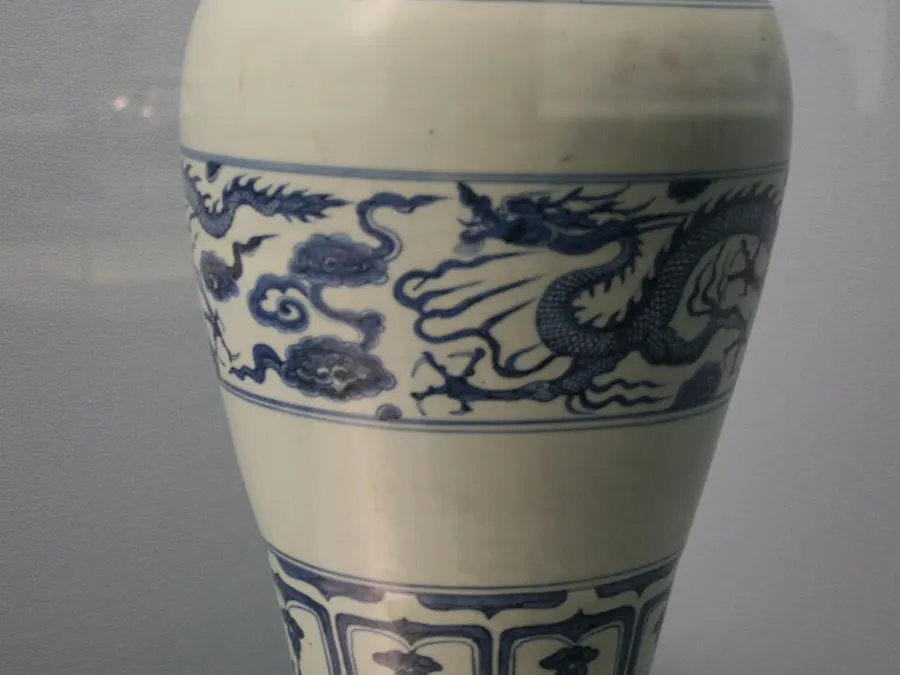
Bulk Porcelain & Fine China from China
Jingdezhen-style hand-painted porcelain, blue-and-white ware, vases, and tableware. Review 1 China supplier research records with explicit evidence status and buyer checks for retail, hospitality, gifting, and sourcing teams.
GreenFlip does not yet hold a verified MOQ, FOB price, or production lead time for Porcelain & Fine China from China. This page organises 1 research records by origin and craft. Public-web fields remain unconfirmed until the legal entity, production capability, current quotation, certificates, references, and sample are checked.
Evidence to request for Porcelain & Fine China
Ceramic checks: Specify body and firing method, glaze and decoration, lead and cadmium migration limits, food-contact scope, crazing and thermal-shock tests, and breakage allowance.
For China's production landscape and the checks that apply across every craft in the country, see the China sourcing hub.
Suppliers at a glance
1 suppliers| Supplier | City | MOQ | Price from | Lead time | Certifications | Evidence state | Profile |
|---|---|---|---|---|---|---|---|
| Yongjian Ceramic | 🇨🇳 China | Unconfirmed | Unconfirmed | Unconfirmed | grounded | View → |
Visual showcase
6 images · China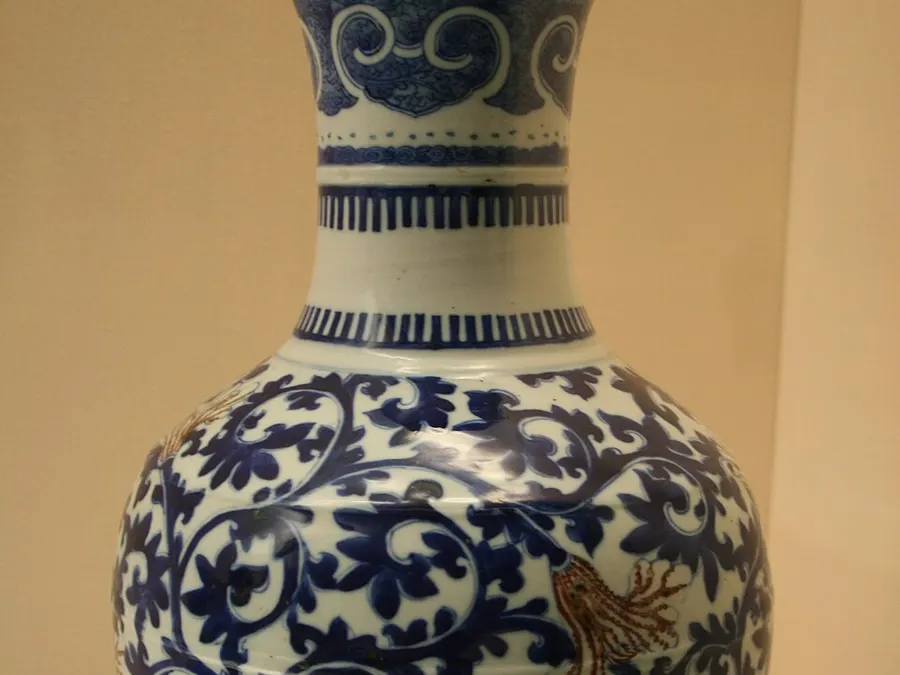
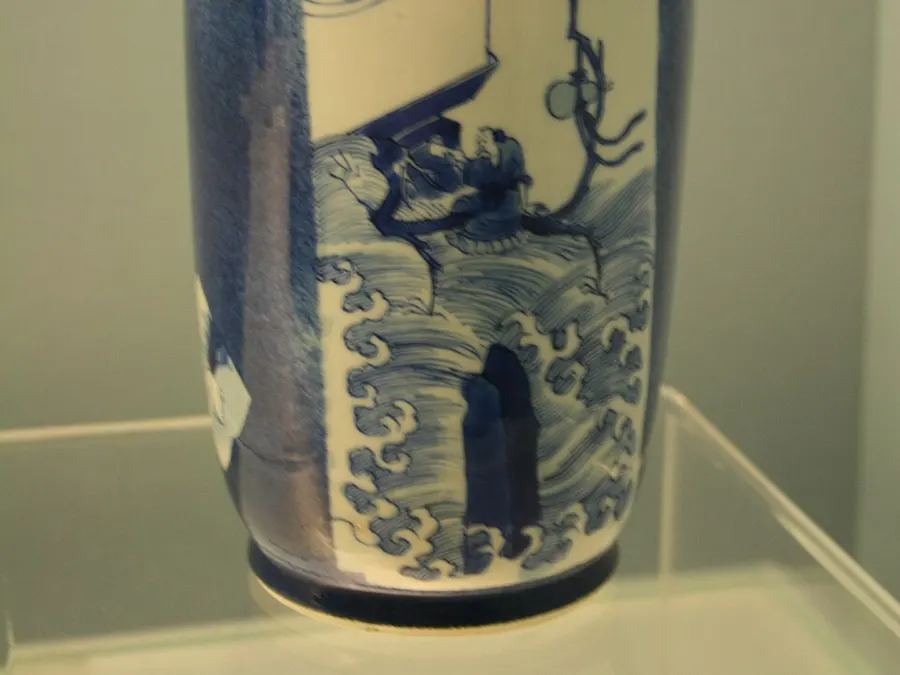
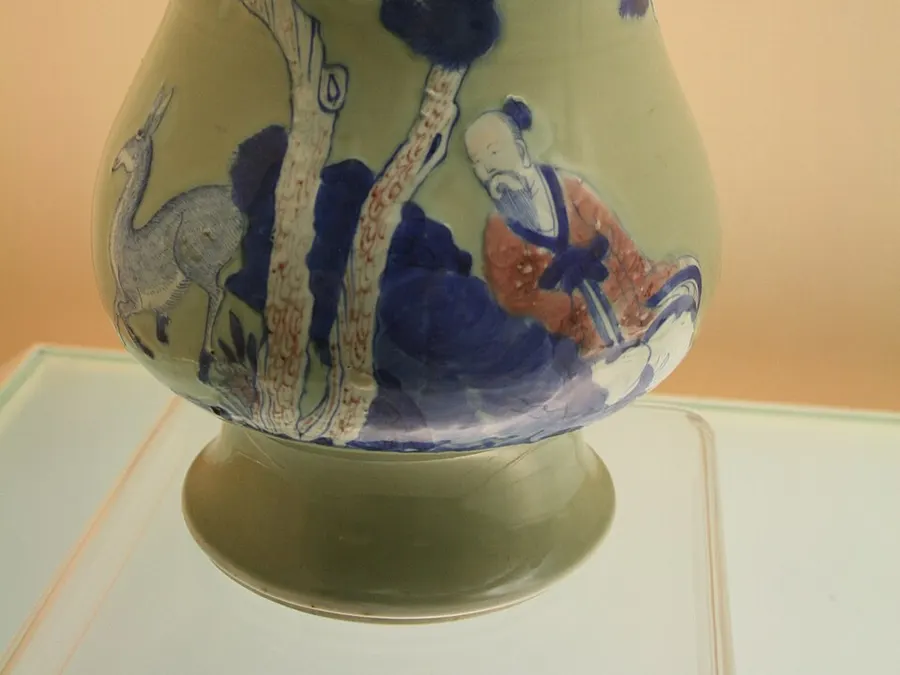
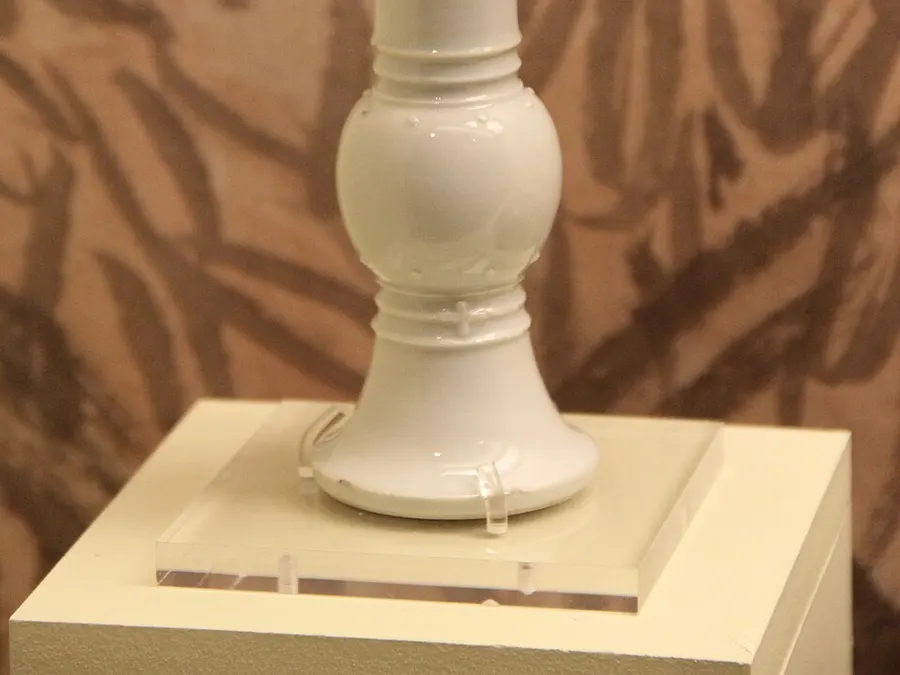
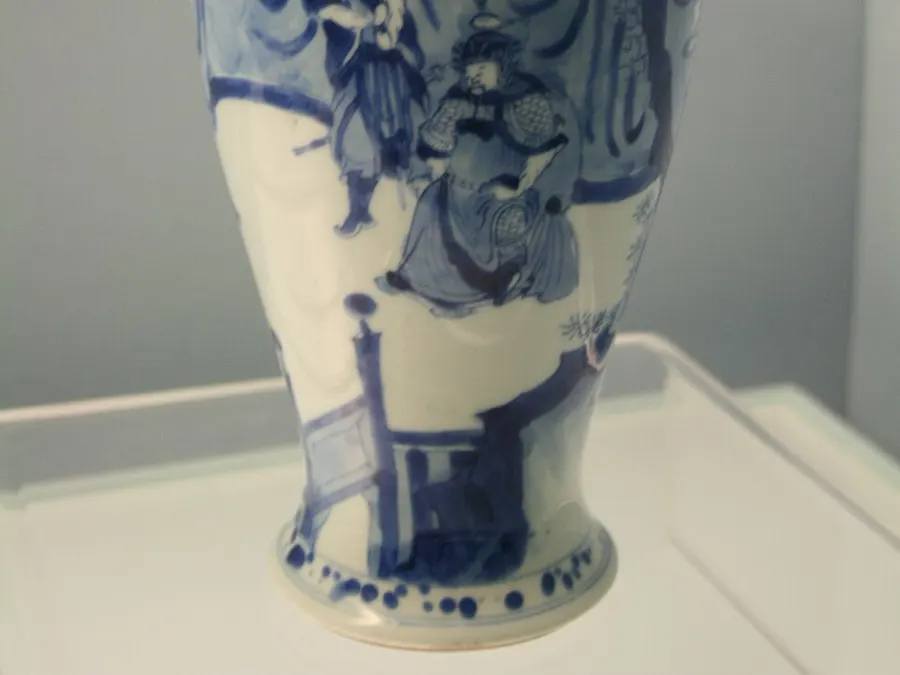
Images are illustrative and verified against our image rights policy. Supplier-provided, fair-trade media kits, or CC-licensed.
Supplier research records
These are leads, not endorsements. Commercial fields only count as confirmed when the profile state is verified.
How to source Porcelain & Fine China from China in bulk
- 1
Define your brief. Specify quantity per design, Ceramic grade, dimensions, finish, customisation, packaging, destination, arrival date and budget.
- 2
Research candidates. Use the 1 origin-and-craft record as leads, then verify identity, production capability, certificates, and references.
- 3
Request comparable quotations. Give each candidate the same specification and request a dated quotation, production schedule, sample plan, and named Incoterm.
- 4
Approve samples. Buy production-representative samples and record tolerances, finish, labelling, packing, and inspection criteria before committing to bulk.
- 5
Confirm and ship. Finalise the purchase order, payment protection, inspection, and freight only after the production schedule is confirmed in writing.
Frequently asked questions
What really drives the MOQ on hand-painted Jingdezhen porcelain versus plain white blanks?
MOQ is set by the painting line, not the factory floor: a single in-house painter can typically decorate only a small number of pieces per shift, and patterns must be batched so the kiln can be loaded efficiently. Cobalt oxide prices, glaze batches, and the kiln's volumetric capacity per firing all push minimums upward. If you want a fully hand-painted run, expect higher MOQs than for decal-applied ware on the same shape.
How do I spot quality problems specific to blue-and-white porcelain before I sign off on a production sample?
Hold pieces under raking light to look for crazing (fine glaze cracks), pinholes in the glaze surface, and any warping at the rim or foot. Check the cobalt painting for bleeding under the glaze, uneven line weight, or muddy grey tones instead of a clear blue — a sign of under-firing or low-grade cobalt. Also run a finger along the foot rim: a rough, unglazed foot that snags is normal, but chips or exposed dark body indicate poor finishing.
What materials and firing conditions should I confirm the supplier is actually using?
Genuine Jingdezhen-style porcelain uses a high-purity kaolin body fired above 1,300°C, giving a translucent white when held to a light. The blue should be a cobalt oxide (sometimes called 'sumali' cobalt) painted on the bisque and sealed under a clear glaze, not a low-fire ceramic with surface paint. Ask for the body composition and the cone/firing temperature so you can compare across suppliers.
What's realistic when I ask for a custom pattern on porcelain tableware or vases?
Custom work usually splits into two paths: a hand-painted pattern on an existing open mold, or a decal printed from your artwork and applied to standard shapes. Either way, expect a sampling fee, pattern-set-up charges, and a pre-production sample sign-off because brushwork and decal registration can't be tweaked mid-run. A completely new vase or teapot shape will add a mold fee and a separate development cycle of several weeks.
Are there certifications or geographical indications I should request for Jingdezhen porcelain?
Jingdezhen porcelain is registered as a China Geographical Indication, so ask the supplier if their product is made within the protected region and can be documented as such. For any item that contacts food — dinnerware, teacups, teapots — request food-contact migration testing against the destination market's standard, such as GB 4806.7 in China, FDA 21 CFR in the US, or LFGB in the EU, and don't accept generic 'food safe' claims without a test report.
What packing and shipping details matter most for fragile porcelain in bulk?
Insist on double-wall corrugated cartons, individual foam or molded-pulp corner protectors, and face-to-face wrapping with tissue between stacked plates. Vases should be suspended in fitted foam, not nested loose, and every carton should be marked 'fragile' and 'this side up' on at least two sides. Confirm whether the price includes palletization, ISPM-15 heat-treated pallets, and a container loading plan — because stacking density and vibration during sea transit are the real drivers of breakage, not just the inner box.
What production lead time should I plan for bulk Porcelain & Fine China from China?
The single China Porcelain & Fine China record on file does not carry one, which is why the lead-time column reads Unconfirmed. Ask each candidate for a dated ex-works schedule and the transit time to your port as separate figures.
Which Incoterm and freight details should a China Porcelain & Fine China RFQ pin down?
Ex-works, FOB, and CIF prices for one Porcelain & Fine China order are three different numbers, so name the term and the destination port in the request or the quotes will not compare. Settle who books freight, who clears customs at each end, and the packing specification — handicraft cartons are usually volume-rated.
Browse Porcelain & Fine China by use case
Further reading on Porcelain & Fine China and China
Importing Handicrafts from China: A Complete Guide
Importing handicrafts from China: choosing the right production cluster, setting realistic MOQs, building inspection in, paying safely and clearing customs.
Sourcing Guide: Handicrafts from China
A sourcing guide to China's craft heritage for bulk buyers: Jingdezhen porcelain, Suzhou silk and embroidery, cloisonné, jade carving, and lacquerware
How we chose
We reviewed 1 China Porcelain & Fine China research record for this page on October 7, 2026. Inclusion means the record matches the origin and craft; it does not mean GreenFlip verified the business or its claims. Only verified records may contribute MOQ, price, lead time, certification, or wholesale Product structured data.