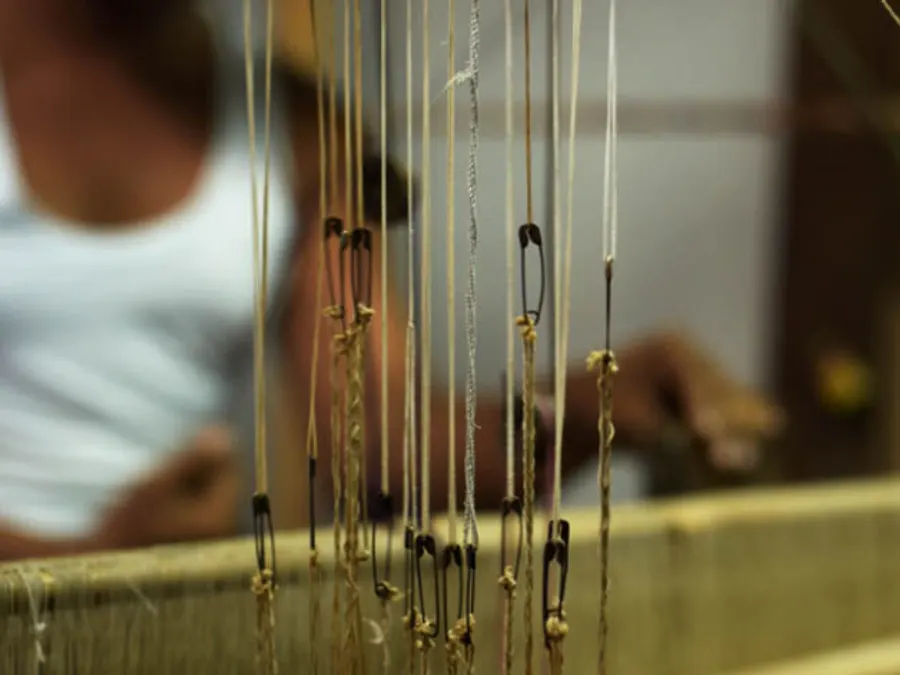
Bulk Handloom & Handwoven Textiles from Indonesia
Jamdani, Bandhani, block-print, ikat and handwoven fabrics by the metre. Review 2 Indonesia supplier research records with explicit evidence status and buyer checks for retail, hospitality, gifting, and sourcing teams.
GreenFlip does not yet hold a verified MOQ, FOB price, or production lead time for Handloom & Handwoven Textiles from Indonesia. This page organises 2 research records by origin and craft. Public-web fields remain unconfirmed until the legal entity, production capability, current quotation, certificates, references, and sample are checked.
Evidence to request for Handloom & Handwoven Textiles
Textile checks: Confirm fibre composition, yarn and weave specification, dimensions, colourfastness, shrinkage, restricted dyes, care labelling, and repeat-order shade tolerance.
For Indonesia's production landscape and the checks that apply across every craft in the country, see the Indonesia sourcing hub.
Suppliers at a glance
2 suppliersVisual showcase
6 images · Indonesia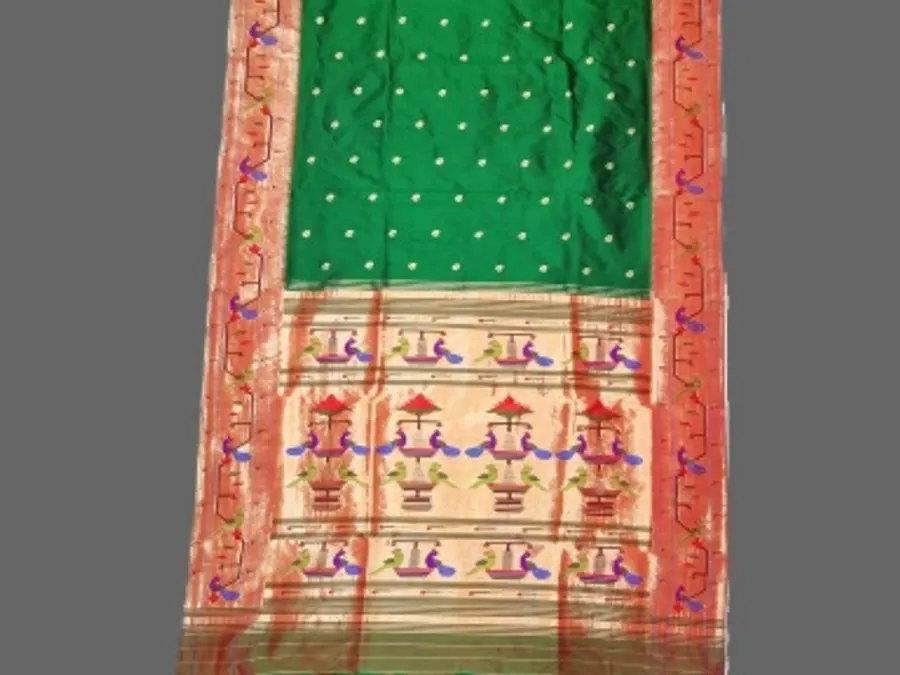
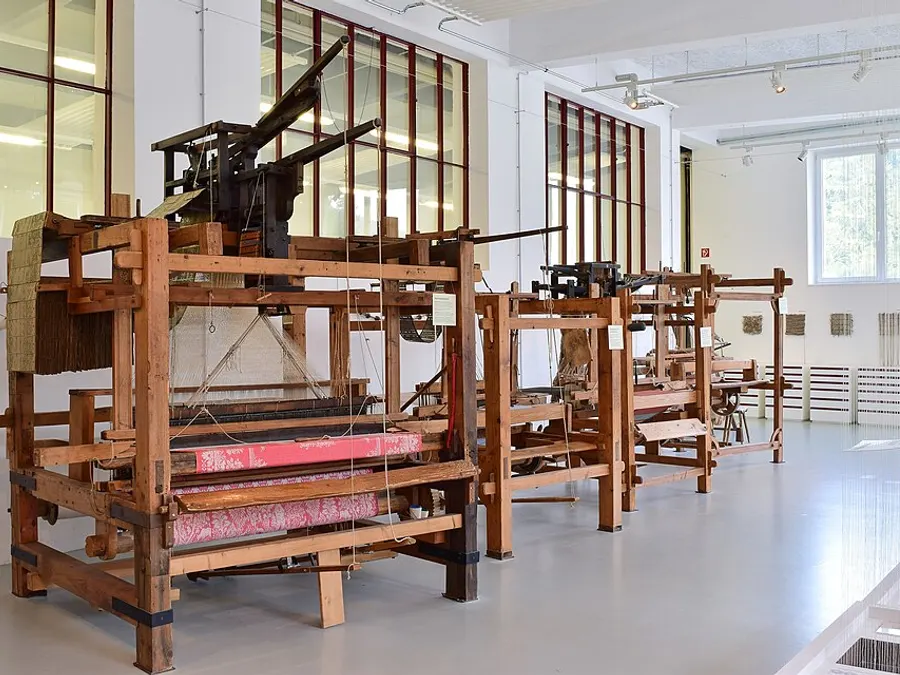
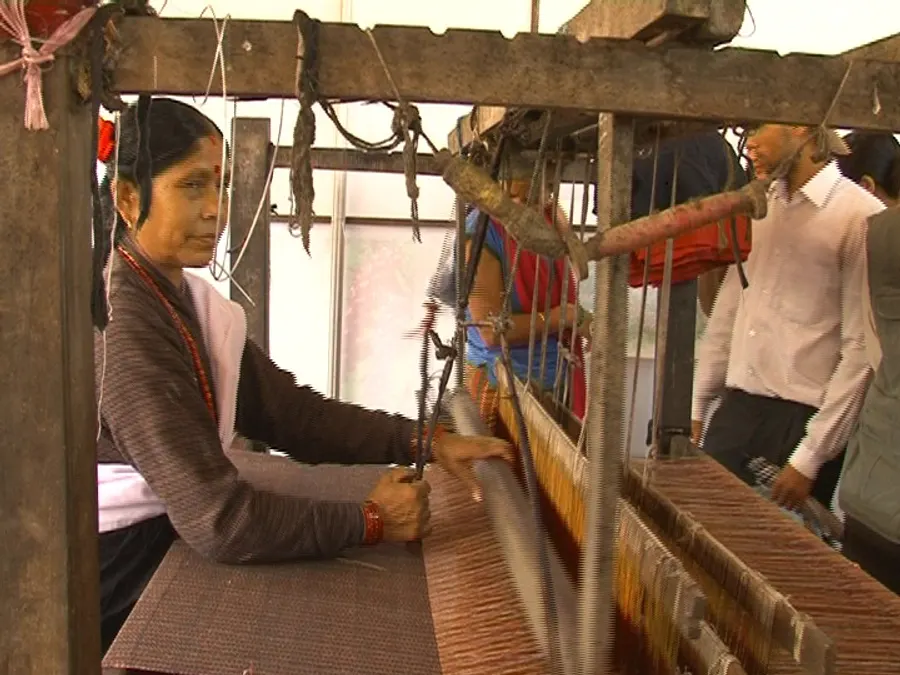
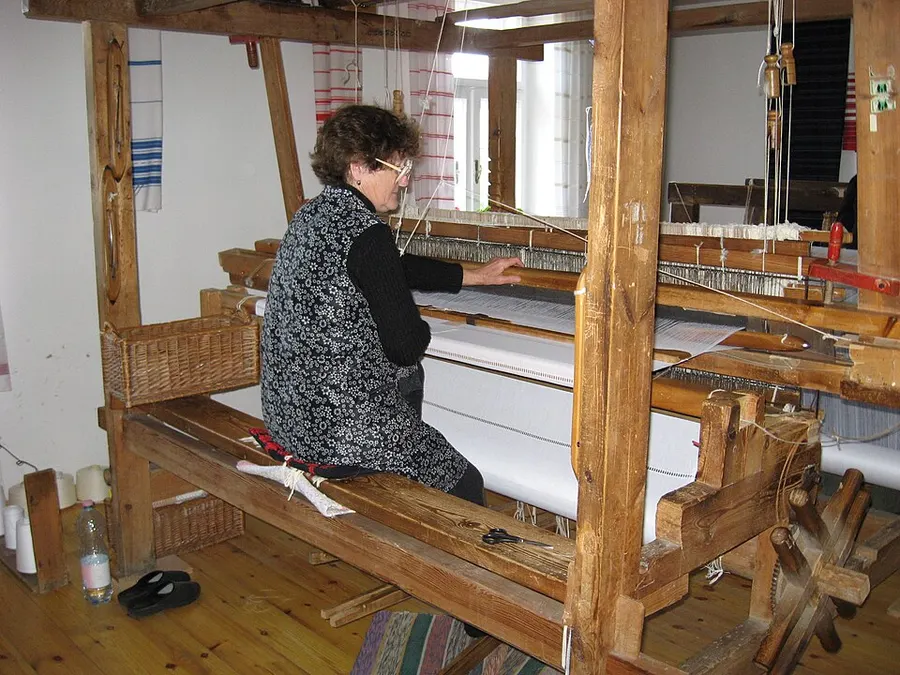
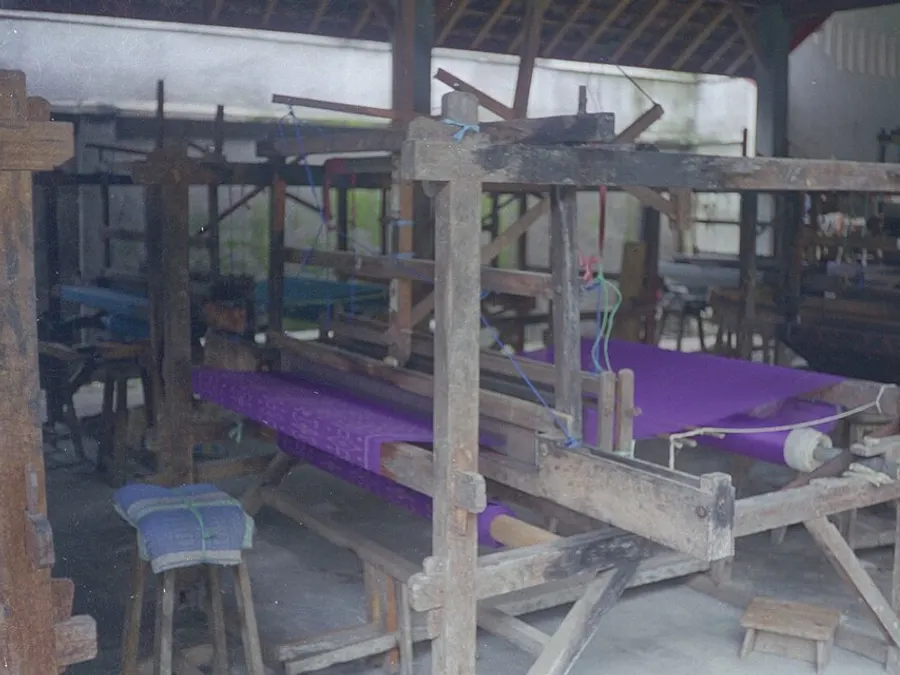
Images are illustrative and verified against our image rights policy. Supplier-provided, fair-trade media kits, or CC-licensed.
Supplier research records
These are leads, not endorsements. Commercial fields only count as confirmed when the profile state is verified.
Loka Crafta
🇮🇩 Indonesia, Indonesia
Indonesian textiles and fabrics for fashion labels, retail stores, and distributors worldwide. Handcrafted rayon fabrics with sustainable practices and customizable designs.
Bali Bhumi
🇮🇩 Indonesia, Indonesia
Bali Bhumi supplies premium wholesale handcrafted home decor from Indonesian artisan communities. Browse our catalogue and submit a wholesale enquiry.
How to source Handloom & Handwoven Textiles from Indonesia in bulk
- 1
Define your brief. Specify quantity per design, Textile grade, dimensions, finish, customisation, packaging, destination, arrival date and budget.
- 2
Research candidates. Use the 2 origin-and-craft records as leads, then verify identity, production capability, certificates, and references.
- 3
Request comparable quotations. Give each candidate the same specification and request a dated quotation, production schedule, sample plan, and named Incoterm.
- 4
Approve samples. Buy production-representative samples and record tolerances, finish, labelling, packing, and inspection criteria before committing to bulk.
- 5
Confirm and ship. Finalise the purchase order, payment protection, inspection, and freight only after the production schedule is confirmed in writing.
Frequently asked questions
What actually drives the MOQ and the unit price when I source Jamdani, Pochampally Ikat or block-printed fabric by the metre?
Handloom MOQs are set by warp-tying and pattern-graph reading time, not by running metres, so suppliers will insist on a minimum per design rather than per order. What moves the quote is the yarn count (fine mulmul and tussar cost more than coarse cotton), motif density (each extra Jamdani buti adds manual weft insertion), hand versus machine dyeing, and any off-loom finishing such as pre-shrinking or light calendaring.
How do I inspect a handloom shipment to catch defects that wouldn't show on a small cutting or hand-loom sample?
Pull the full roll and check the repeat — Pochampally Ikat patterns should align cleanly at selvedge joins, block-prints should show consistent registration without colour ghosting, and Jamdani should have even supplementary weft floats with no broken threads on the back. Also weigh GSM across the roll (handlooms often drift 10–15 GSM end-to-end), check for skew, slubs and oil stains from the loom, and for Bandhani confirm there are no white halos around dots where the tie slipped during dyeing.
What is the practical difference between mulmul, mercerized cotton and tussar for a handwoven range, and which finishes preserve the hand-feel?
Mulmul is a fine low-twist cotton that gives Jamdani and Bagh prints their soft drape but wrinkles and is more transparent; mercerized cotton takes dye more vividly and is the typical base for Pochampally Ikat and crisp Sanganer/Bagru block-prints; tussar has a natural golden slub and is the traditional base for Bhagalpur and Banaras handlooms. The finishes that preserve the hand are light starch, pre-wash and pre-shrunk — avoid heavy calendaring or resin treatment, which flatten the slubs and remove the texture that justifies a handloom price.
Can I commission a custom colourway or motif for block-print, Bandhani or Ikat, and what should I budget for lead time and cost?
Recolouring an existing Bagru or Sanganer block-print usually needs only new dye baths and adds roughly 2–4 weeks to the schedule; a new motif requires hand-carving a new set of wooden blocks (often three to six blocks per colour) charged by the repeat size, which can add meaningfully to sampling cost. For Pochampally Ikat a new colourway means re-tying the resist on the yarn before warping (add 3–6 weeks), and for Bandhani a new dot pattern requires tying a sample net before the full net is produced, with any single colour change in a 4–6 dye sequence affecting the whole timing.
Which Indian GI tags and provenance marks actually apply to Jamdani, Bandhani, Pochampally Ikat and Bagru, and is Oeko-Tex accepted for handloom AZO testing?
Registered Indian GIs include Banglar Jamdani (West Bengal), Sambalpuri Bandha (Odisha), Pochampally Ikat (Telangana), Bagru Print and Sanganer Print (Rajasthan), and Machilipatnam Kalamkari (Andhra Pradesh); the Government of India's 'Handloom Mark' is the most widely used domestic authenticity tag, often combined with Oeko-Tex Standard 100 or REACH-compliant AZO testing for export. For Indonesian tenun, provenance is by region (Sumba, Bali, Flores) and weaver co-op rather than a formal GI, so request the co-op name on the invoice. Note that generic crafts like Bandhani span more than any single GI, so a Handloom Mark plus invoice declaration is often what you actually receive.
Should I specify roll-on-tube or flat-fold packing for handloom yardage, and what packing quirks matter for Bandhani and block-print in container shipping?
Always specify roll-on-tubular core, never flat-fold, because hard creases mark mulmul, tussar and fine block-prints permanently. For Bandhani and indigo-dyed pieces ask for acid-free tissue interleaving to prevent dye transfer between folds, and insist the fabric is fully dried before poly-wrap to stop mildew and dye migration over a 4–6 week voyage. Handloom cubes out a container before it weighs out — a 44-inch cotton at roughly 100 GSM fills a 20-ft container volumetrically — so use HS codes 5208/5209 for cotton and 5007 for silk on the commercial invoice to avoid customs re-classification.
What production lead time should I plan for bulk Handloom & Handwoven Textiles from Indonesia?
None of the 2 Indonesia Handloom & Handwoven Textiles records on file carries one, which is why the lead-time column reads Unconfirmed. Ask each candidate for a dated ex-works schedule and the transit time to your port as separate figures.
Which Incoterm and freight details should a Indonesia Handloom & Handwoven Textiles RFQ pin down?
Ex-works, FOB, and CIF prices for one Handloom & Handwoven Textiles order are three different numbers, so name the term and the destination port in the request or the quotes will not compare. Settle who books freight, who clears customs at each end, and the packing specification — handicraft cartons are usually volume-rated.
Browse Handloom & Handwoven Textiles by use case
Further reading on Handloom & Handwoven Textiles and Indonesia
Textile Labelling Rules for Handmade Imports
Fibre content, care instructions and origin are three separate obligations. What each requires, where handmade textiles go wrong, and how to fix labels at source.
Sourcing Peruvian Alpaca Textiles in Bulk
Buying Peruvian alpaca knitwear and home textiles in bulk: micron grades, what baby alpaca really means, blend labelling, pilling and moth control.
Sourcing Kente Cloth from Ghana: A Buyer's Guide
Buying woven kente in bulk — Asante and Ewe traditions, strip weaving economics, yarn choices, woven versus printed kente, quality checks, and cultural attribution
Sourcing Khayamiya Appliqué Textiles from Egypt
Buying Cairo tentmaker appliqué in bulk: hand-stitched versus printed, stitch and edge quality, shrinkage, colourfastness, flammability and MOQ realities.
How we chose
We reviewed 2 Indonesia Handloom & Handwoven Textiles research records for this page on October 7, 2026. Inclusion means the record matches the origin and craft; it does not mean GreenFlip verified the business or its claims. Only verified records may contribute MOQ, price, lead time, certification, or wholesale Product structured data.