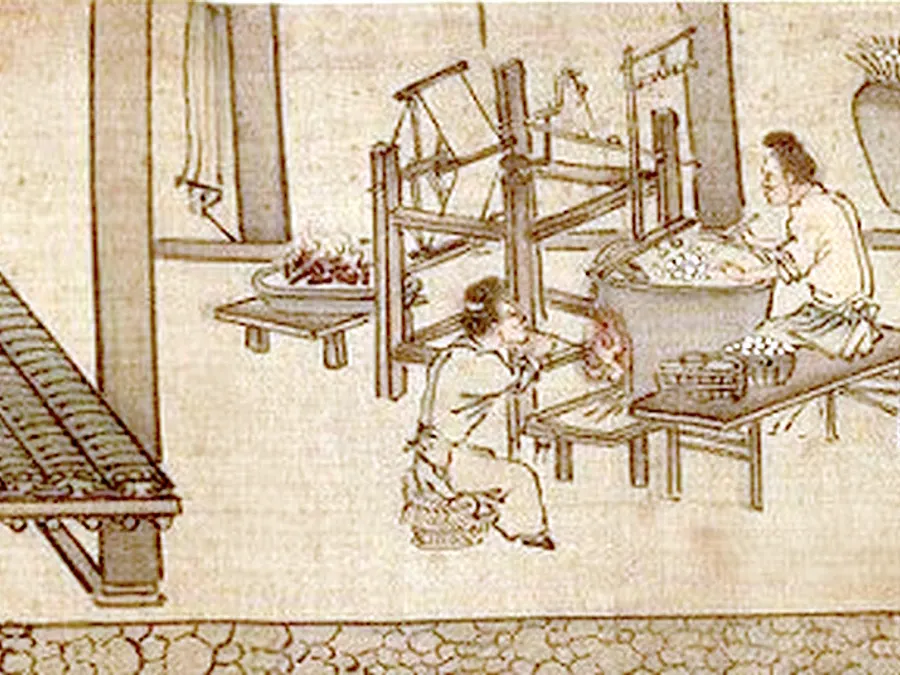
Bulk Handwoven Silk from Thailand & Vietnam
Handwoven silk by the metre and in garments. Review 2 Thailand & Vietnam supplier research records with explicit evidence status and buyer checks for retail, hospitality, gifting, and sourcing teams.
GreenFlip does not yet hold a verified MOQ, FOB price, or production lead time for Handwoven Silk from Thailand & Vietnam. This page organises 2 research records by origin and craft. Public-web fields remain unconfirmed until the legal entity, production capability, current quotation, certificates, references, and sample are checked.
Evidence to request for Handwoven Silk
Textile checks: Confirm fibre composition, yarn and weave specification, dimensions, colourfastness, shrinkage, restricted dyes, care labelling, and repeat-order shade tolerance.
Handwoven Silk specification: Define fibre composition, filament or spun construction, fabric weight or momme, weave, usable width, dye method, colourfastness, snag tolerance, finishing, and roll or garment inspection.
For Thailand & Vietnam's production landscape and the checks that apply across every craft in the country, see the Thailand & Vietnam sourcing hub.
Suppliers at a glance
2 suppliersVisual showcase
6 images · Thailand & Vietnam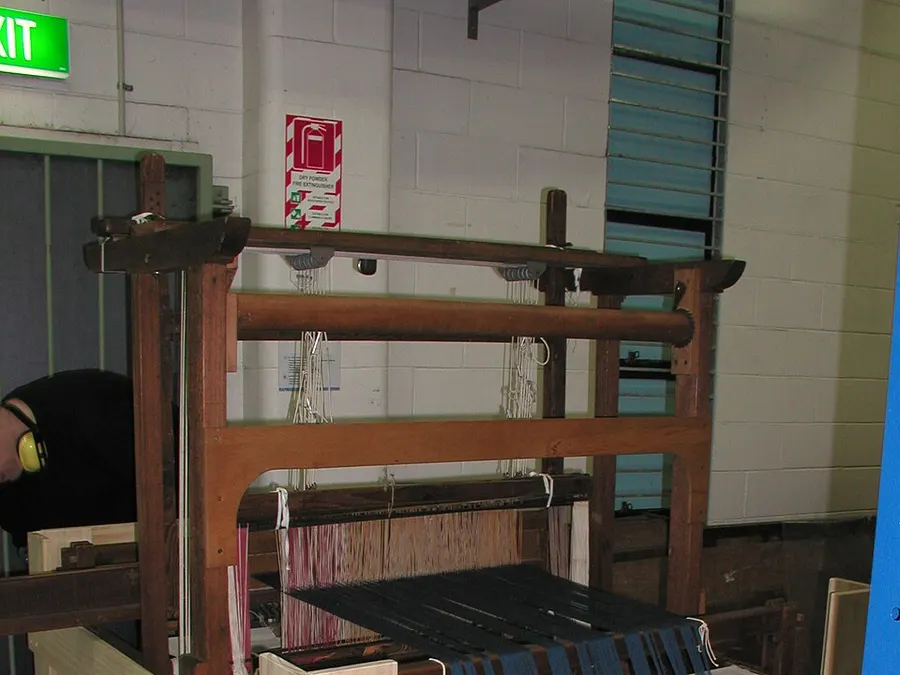
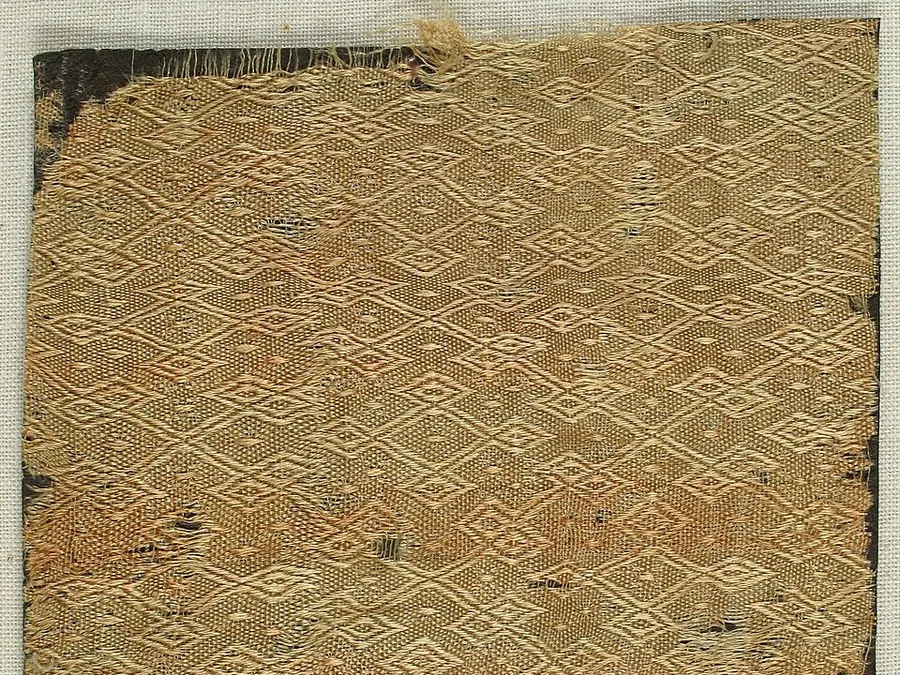
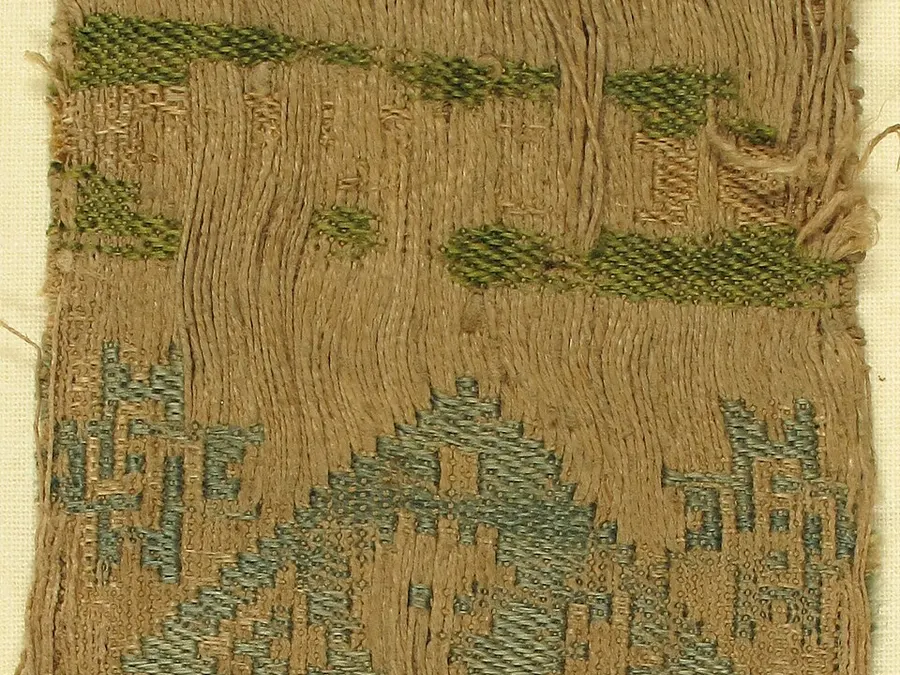
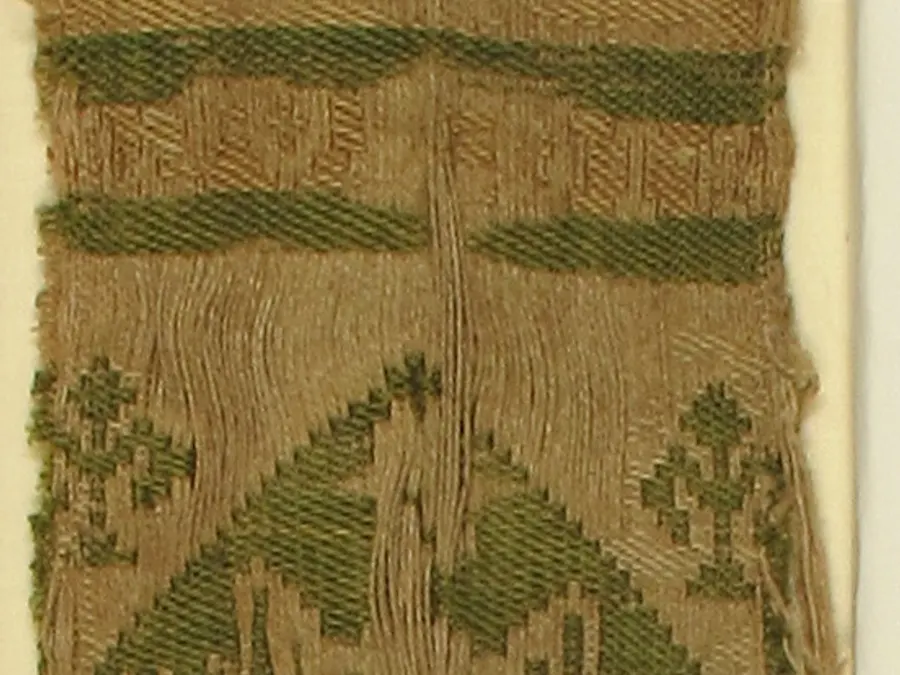
Images are illustrative and verified against our image rights policy. Supplier-provided, fair-trade media kits, or CC-licensed.
Supplier research records
These are leads, not endorsements. Commercial fields only count as confirmed when the profile state is verified.
Mekong River Textiles
🇹🇭 Thailand & Vietnam
Since 1986, Mekong River Textiles has offered special handwoven fabrics from Thailand, Laos, and Cambodia, traditional clothing patterns, and custom designed garments to fabric lovers across the nation.
Mekong Blue Silk
🇹🇭 Thailand & Vietnam
Our products are hand-woven and dyed in Cambodian traditional techniques using 100% natural silk and the highest quality non-toxic German dyes. From dyeing, spinning, and washing of the silk to the weaving, and finishing of the scarves, eac
How to source Handwoven Silk from Thailand & Vietnam in bulk
- 1
Define your brief. Specify quantity per design, Textile grade, dimensions, finish, customisation, packaging, destination, arrival date and budget.
- 2
Research candidates. Use the 2 origin-and-craft records as leads, then verify identity, production capability, certificates, and references.
- 3
Request comparable quotations. Give each candidate the same specification and request a dated quotation, production schedule, sample plan, and named Incoterm.
- 4
Approve samples. Buy production-representative samples and record tolerances, finish, labelling, packing, and inspection criteria before committing to bulk.
- 5
Confirm and ship. Finalise the purchase order, payment protection, inspection, and freight only after the production schedule is confirmed in writing.
Frequently asked questions
What minimum order quantities should I expect for handwoven Mekong silk by the metre, and what drives the per-metre price up or down?
For Thai and Vietnamese handwoven silk, mills typically quote a 5–10 m cut per colour or weave pattern, and prices are driven by three things: whether the weft yarn is hand-reeled (slightly irregular, more lustrous, pricier) or machine-reeled, the thread count per centimetre (lower counts give the loose, slubby ‘phae’ weave; higher counts give fine satin), and whether the dye is a standard solid or a custom-matched vat. Custom dye lots below roughly 30–50 m usually carry a surcharge because indigo, lac, or reactive dye vats have to be set up for a single run.
How do I judge the quality of a handwoven silk bolt on incoming inspection, and what counts as a defect versus normal character?
Fine slubs, tiny weft unevenness, and small ‘drawbacks’ (where the weaver turns a broken weft back into the cloth) are signatures of hand-reeled yarn on a wooden floor loom and should not be rejected; what you reject is uneven selvage tension, skipped picks, loom-oil stains, and dye bleeding along the fold lines. For Thai silk specifically, run the bolt at an angle and check that the two-tone shimmer — caused by contrasting warp and weft colours — stays consistent, because a patchwork effect usually means the weaver changed yarn mid-bolt. A quick burn test of a pulled thread is reliable: real mulberry silk smells of burnt hair and leaves crushable black ash, not a hard plastic bead.
What silk fibre types and finishes are typical for Mekong silk, and how do they affect handle and care?
Both Thai and Vietnamese silk are predominantly Bombyx mori mulberry, sometimes blended with the duller, more textured eri (or ‘peace silk’) for matka-style weights, with lụa tơ tằm in Vietnam and ‘phae’ or ‘mudmee’ weaves in Thailand being the most common constructions. Hand-reeled and hand-woven cloth has a crisper, more papery hand than machine-woven satin, and it will shrink 5–8% on the first wash, so cutting allowance and pre-shrinking protocols need to be agreed with the mill. Finishes range from un-degummed ‘gum-silk’ (still carrying sericin, very stiff) through to fully soft-degummed habotai; ironing should never exceed 150 °C or the remaining sericin will scorch yellow.
Can I commission custom weave patterns, dye colours, or garment cuts through a Thai or Vietnamese mill, and what are the realistic lead times?
Custom solid-dye yardage usually takes around 4–6 weeks for lab dip approval plus 6–10 weeks for weaving, depending on whether you want a standard cross-weave or a supplementary-weft (brocade-style) motif. Garment OEM through a Vietnamese or Thai cut-and-sew house typically requires 50–100 pieces per style, with muslin-to-final sampling adding another 6–8 weeks. Be aware that motifs on traditional looms are limited to the weaver’s repertoire and yarn count — photographic or extremely fine designs will have to be shifted to a powerloom or substituted with a coarser supplementary-weft version.
What certifications and origin marks should I look for to confirm genuine Thai or Vietnamese handwoven silk?
Genuine Thai silk can carry the ‘ผ้าไหมไทย’ (Thai Silk) GI mark issued by Thailand’s Department of Intellectual Property, often combined with the Queen Sirikit Foundation’s silk-promotion mark, which together attest to Thai-origin mulberry silk and traditional hand-finishing. Vietnamese lụa Hà Đông and Mekong Delta silks do not yet have a single equivalent national GI, but they are increasingly traced through Vietnam’s OTOP (One Commune One Product) village codes and provincial craft-village certifications. For export to the EU, US, or Japan, an OEKO-TEX Standard 100 certificate is the most widely accepted independent proof that residual sericin, dye auxiliaries, and formaldehyde levels meet finished-textile limits.
What packing and shipping precautions are needed for handwoven silk bolts and silk garments?
Silk is hygroscopic and will mildew above roughly 70% relative humidity, so bolts should be wrapped in acid-free tissue, sealed in a polybag with a silica-gel desiccant, and shipped in a corrugated carton with a moisture barrier — never vacuum-packed, because compression permanently flattens the natural crimp of the weave. Garments should be folded flat with tissue between every layer rather than hung in transit, since hanging distorts the shoulder seam of unlined silk pieces. Many importing countries (Australia, New Zealand, parts of the US and Latin America) require a quarantine treatment certificate; specify heat treatment or non-methyl-bromide fumigation up front and keep the paperwork with the bill of lading so the shipment is not held or rejected at the border.
What production lead time should I plan for bulk Handwoven Silk from Thailand & Vietnam?
None of the 2 Thailand & Vietnam Handwoven Silk records on file carries one, which is why the lead-time column reads Unconfirmed. Ask each candidate for a dated ex-works schedule and the transit time to your port as separate figures.
Which Incoterm and freight details should a Thailand & Vietnam Handwoven Silk RFQ pin down?
Ex-works, FOB, and CIF prices for one Handwoven Silk order are three different numbers, so name the term and the destination port in the request or the quotes will not compare. Settle who books freight, who clears customs at each end, and the packing specification — handicraft cartons are usually volume-rated.
Browse Handwoven Silk by use case
Further reading on Handwoven Silk and Thailand & Vietnam
What is a Letter of Credit? A Guide for Importers
Explain letters of credit for importers: how they work, parties involved, documents required, and pros and cons versus TT
Sourcing Thai Celadon Glazeware in Bulk
Buying celadon stoneware from Thailand and Vietnam: the crackle glaze, reduction firing, food-contact testing, defect grading, kiln economics and packing.
Sourcing Guide: Handicrafts from Thailand & Vietnam
Thailand and Vietnam for bulk buyers: Chiang Mai celadon, Binh Duong lacquerware, bronze casting and Mekong silk, with the export realities of each.
How we chose
We reviewed 2 Thailand & Vietnam Handwoven Silk research records for this page on October 7, 2026. Inclusion means the record matches the origin and craft; it does not mean GreenFlip verified the business or its claims. Only verified records may contribute MOQ, price, lead time, certification, or wholesale Product structured data.