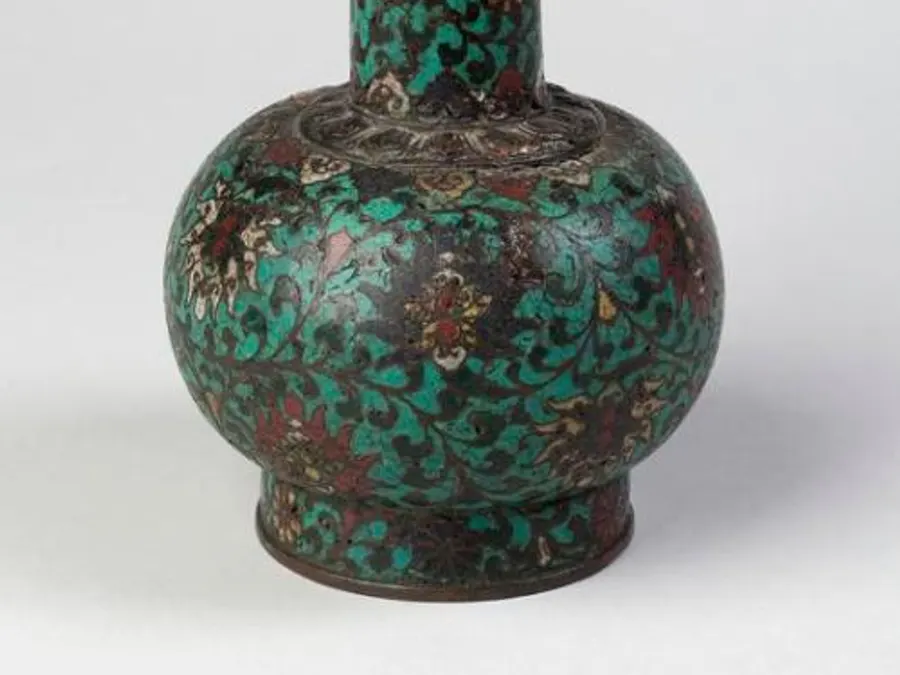
Bulk Cloisonné Enamelware from China
Copper-bodied cloisonné with wire-set enamel — vases, bowls, and decor. Review 0 China supplier research records with explicit evidence status and buyer checks for retail, hospitality, gifting, and sourcing teams.
GreenFlip does not yet hold a verified MOQ, FOB price, or production lead time for Cloisonné Enamelware from China. This page organises 0 research records by origin and craft. Public-web fields remain unconfirmed until the legal entity, production capability, current quotation, certificates, references, and sample are checked.
Evidence to request for Cloisonné Enamelware
Metal checks: Specify alloy, gauge, joining method, surface finish, coating, corrosion test, restricted-metal limits, and any food-contact requirement.
For China's production landscape and the checks that apply across every craft in the country, see the China sourcing hub.
Suppliers at a glance
0 suppliersWe're onboarding more China Cloisonné Enamelware suppliers.
Request a quote and we'll match youVisual showcase
6 images · China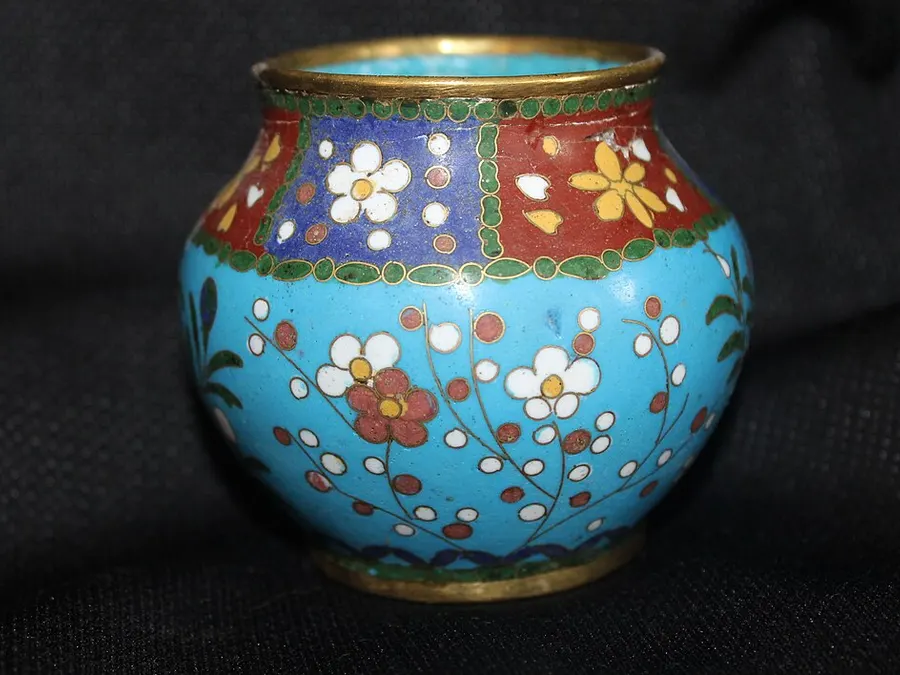
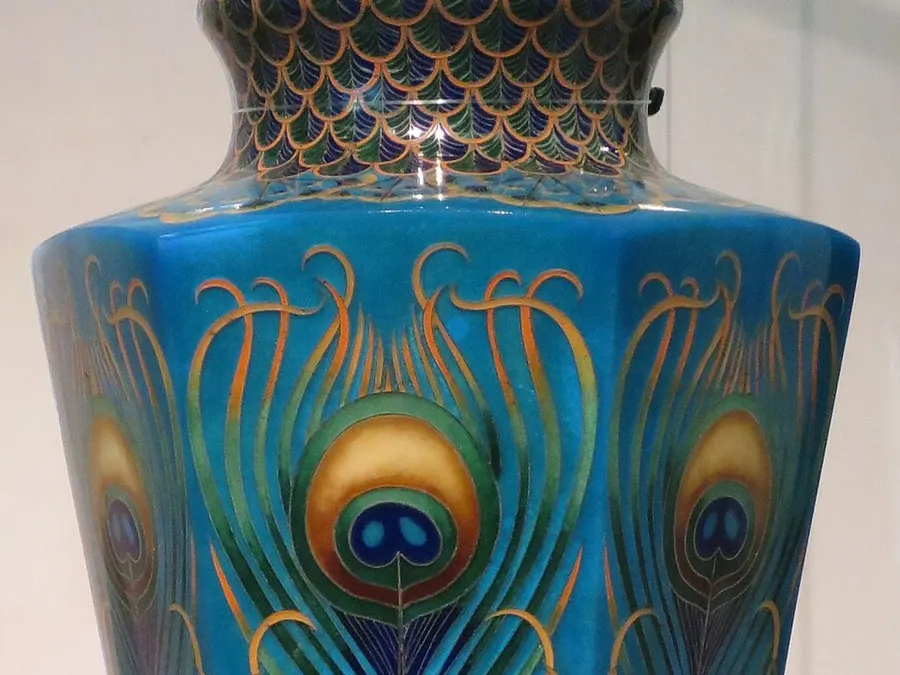
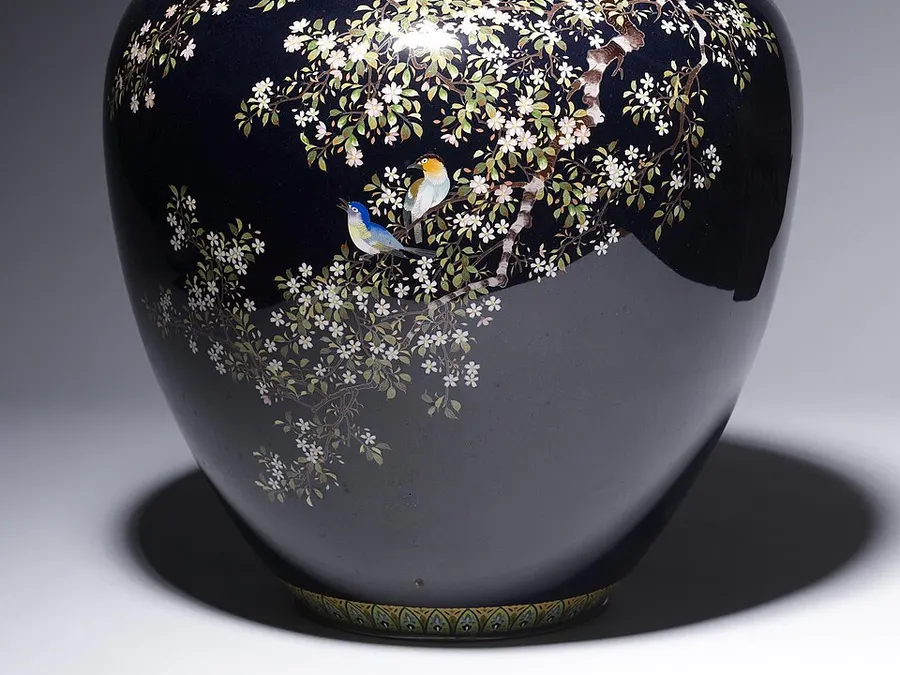
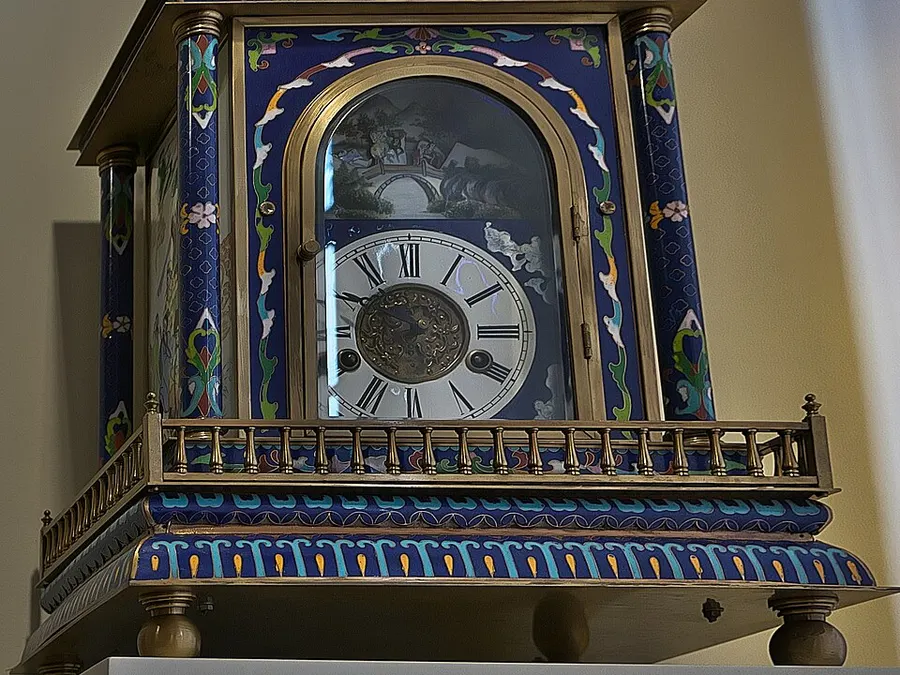
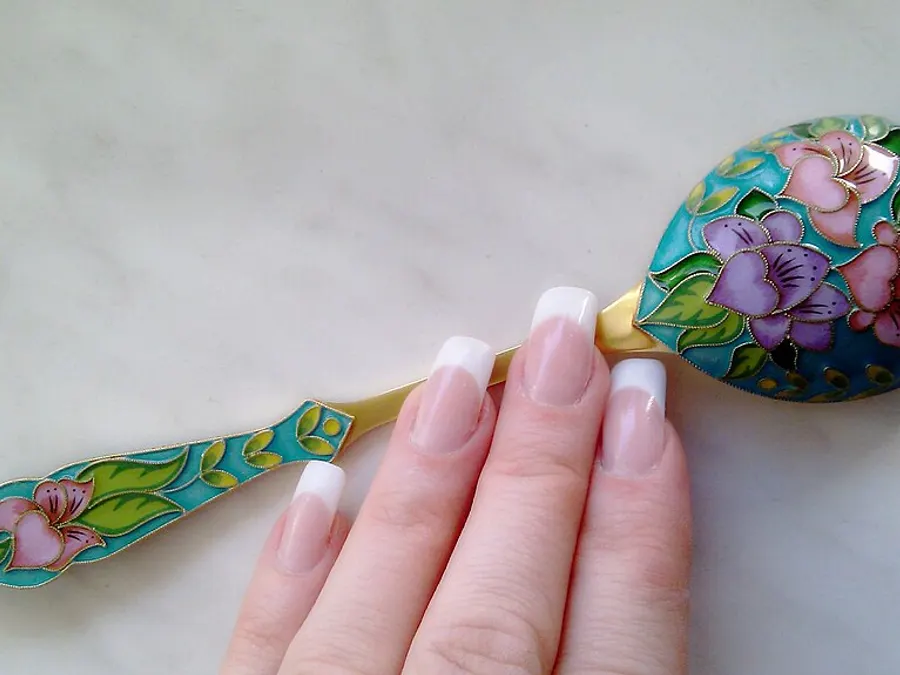
Images are illustrative and verified against our image rights policy. Supplier-provided, fair-trade media kits, or CC-licensed.
How to source Cloisonné Enamelware from China in bulk
- 1
Define your brief. Specify quantity per design, Metal grade, dimensions, finish, customisation, packaging, destination, arrival date and budget.
- 2
Research candidates. Use the 0 origin-and-craft records as leads, then verify identity, production capability, certificates, and references.
- 3
Request comparable quotations. Give each candidate the same specification and request a dated quotation, production schedule, sample plan, and named Incoterm.
- 4
Approve samples. Buy production-representative samples and record tolerances, finish, labelling, packing, and inspection criteria before committing to bulk.
- 5
Confirm and ship. Finalise the purchase order, payment protection, inspection, and freight only after the production schedule is confirmed in writing.
Frequently asked questions
What drives the MOQ for copper-bodied cloisonné enamelware from China, and can I negotiate it down?
MOQ is anchored by the one-time cost of the copper body mold (stamping or spinning die) and the number of kiln firings each piece requires — typically three to five separate firings to build up enamel color without cracking. Reusing an existing body shape and limiting your color count brings MOQ down substantially; a fully custom shape with hand-painted shading on every piece will not. Wire-bending labor is the other quiet driver, because each cloisons lattice is laid by hand.
What defects should I look for when inspecting finished cloisonné before shipment?
Start at the cloisons — lifted, leaning, or polished-flat wires indicate poor adhesion and will catch on a finger. Then scan the enamel fill for pinhole pitting, hairline cracks radiating from wire corners, color drift between pieces that should match, and (under translucent enamels) any dark spots where the copper body is showing through. Also check that gilding on the rim and foot is even and not burned orange from over-firing.
Does the copper body thickness and wire material really matter for quality and price?
Yes — copper around 1 mm thick holds its shape through the repeated kiln cycles and resists denting during polishing, while thinner stock warps and gets rejected. Cloisonné wire is usually copper or brass, with silver- or gold-plated copper for mid-to-high end pieces and solid gold wire reserved for luxury lines. Rim and foot gilding thickness is quoted separately and is a meaningful line item on finished pricing.
What should I expect when commissioning a custom cloisonné pattern or shape?
Each new shape needs a dedicated copper body mold (one-time tooling fee), the wire pattern is hand-bent from a flat artwork template, and each enamel color is filled and fired separately, so sampling typically runs several weeks and full production another two to three months. Per-color pigment minimums from the enamel supplier and the labor hours of hand-bending the wire lattice are what actually move unit price on small custom runs. Ask for a fired pre-production sample, not just a digital render.
Which compliance tests should I require for cloisonné serveware, and does origin matter?
For anything touching food, insist on third-party lead and cadmium release testing to the standards your market follows — LFGB for the EU, FDA or California Prop 65 for the US — because historical enamel recipes used leaded pigments and the copper body can react with acidic foods. Beijing (Jingtailan) is the traditional center for fine wire-work, but the name is a craft designation rather than a protected one, so verify the actual workshop rather than relying on the label. Decorative-only vases and display pieces face fewer mandatory tests, though many retail buyers still request the report for liability.
How should cloisonné enamelware be packed so it arrives intact?
Each piece needs a foam-rimmed individual box with no two finished surfaces touching, because enamel chips at wire shoulders and rims and the copper body dents under stacking pressure — rim must never rest on rim. For ocean freight, ask for desiccant in humid months and a drop-test photo log at container loading, since refiring or rewiring a damaged piece is almost never cost-effective. Palletize with 'this side up' markings and a stated max stack height, because warehouse crews will stack heavier boxes on top if you do not.
What production lead time should I plan for bulk Cloisonné Enamelware from China?
None of the 0 China Cloisonné Enamelware records on file carries one, which is why the lead-time column reads Unconfirmed. Ask each candidate for a dated ex-works schedule and the transit time to your port as separate figures.
Which Incoterm and freight details should a China Cloisonné Enamelware RFQ pin down?
Ex-works, FOB, and CIF prices for one Cloisonné Enamelware order are three different numbers, so name the term and the destination port in the request or the quotes will not compare. Settle who books freight, who clears customs at each end, and the packing specification — handicraft cartons are usually volume-rated.
Browse Cloisonné Enamelware by use case
Further reading on Cloisonné Enamelware and China
Sourcing Guide: Handicrafts from China
A sourcing guide to China's craft heritage for bulk buyers: Jingdezhen porcelain, Suzhou silk and embroidery, cloisonné, jade carving, and lacquerware
Importing Handicrafts from China: A Complete Guide
Importing handicrafts from China: choosing the right production cluster, setting realistic MOQs, building inspection in, paying safely and clearing customs.
How we chose
We reviewed 0 China Cloisonné Enamelware research records for this page on October 7, 2026. Inclusion means the record matches the origin and craft; it does not mean GreenFlip verified the business or its claims. Only verified records may contribute MOQ, price, lead time, certification, or wholesale Product structured data.