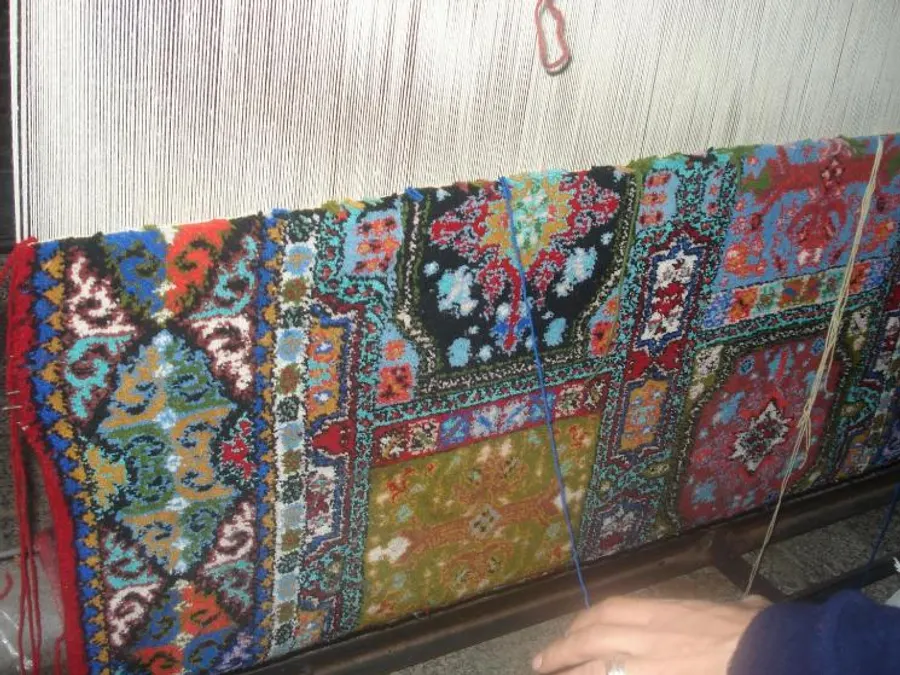
Bulk Berber Rugs from Morocco
Handknotted Berber and Beni Ourain rugs from the Atlas. Review 4 Morocco supplier research records with explicit evidence status and buyer checks for retail, hospitality, gifting, and sourcing teams.
GreenFlip does not yet hold a verified MOQ, FOB price, or production lead time for Berber Rugs from Morocco. This page organises 4 research records by origin and craft. Public-web fields remain unconfirmed until the legal entity, production capability, current quotation, certificates, references, and sample are checked.
Evidence to request for Berber Rugs
Textile checks: Confirm fibre composition, yarn and weave specification, dimensions, colourfastness, shrinkage, restricted dyes, care labelling, and repeat-order shade tolerance.
Berber Rugs specification: Record weaving community and construction, fibre, knot or weave density, pile height, finished dimensions, fringe treatment, allowable repair, moth treatment, and the acceptable range of handmade variation.
For Morocco's production landscape and the checks that apply across every craft in the country, see the Morocco sourcing hub.
Suppliers at a glance
4 suppliers| Supplier | City | MOQ | Price from | Lead time | Certifications | Evidence state | Profile |
|---|---|---|---|---|---|---|---|
| Berber Creations | 🇲🇦 Berber | Unconfirmed | Unconfirmed | Unconfirmed | grounded | View → | |
| Moroccan Berber Carpets | 🇲🇦 Morocco | Unconfirmed | Unconfirmed | Unconfirmed | grounded | View → | |
| MyBerbereDesign | 🇲🇦 Morocco | Unconfirmed | Unconfirmed | Unconfirmed | grounded | View → | |
| Ecuadane | 🇲🇦 Morocco | Unconfirmed | Unconfirmed | Unconfirmed | grounded | View → |
Visual showcase
6 images · Morocco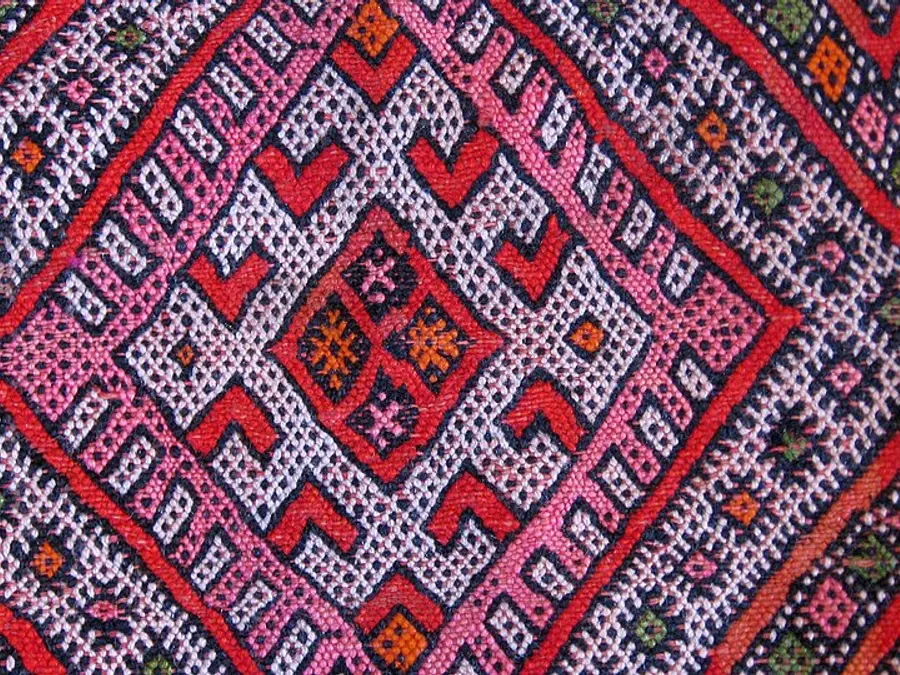
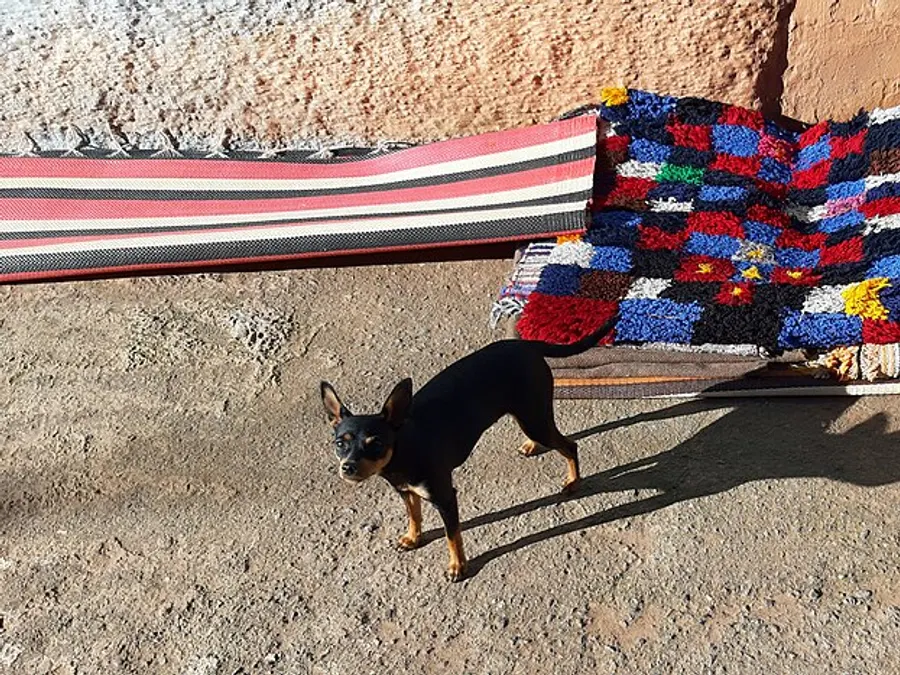
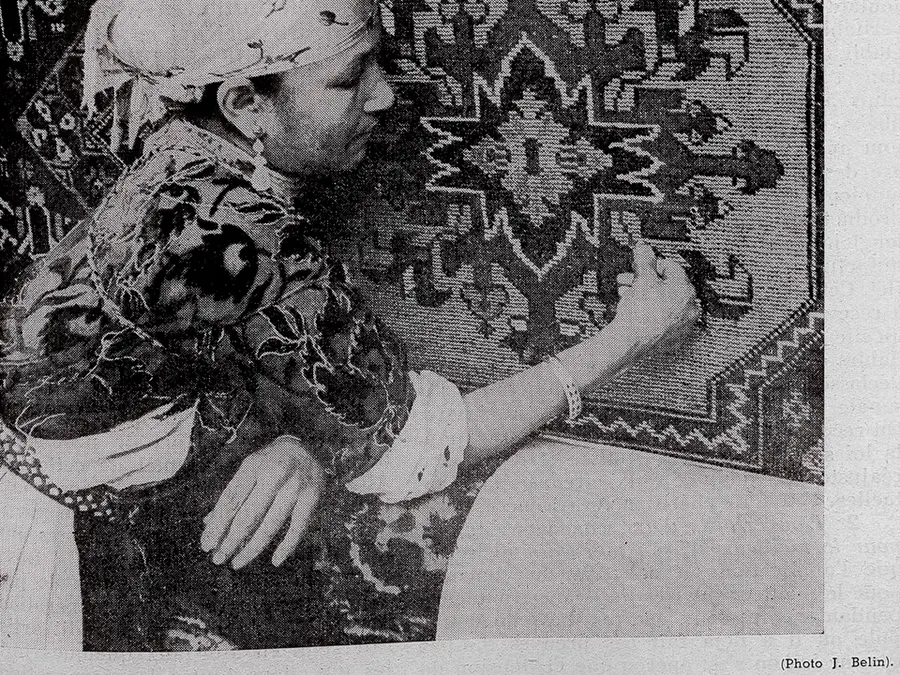
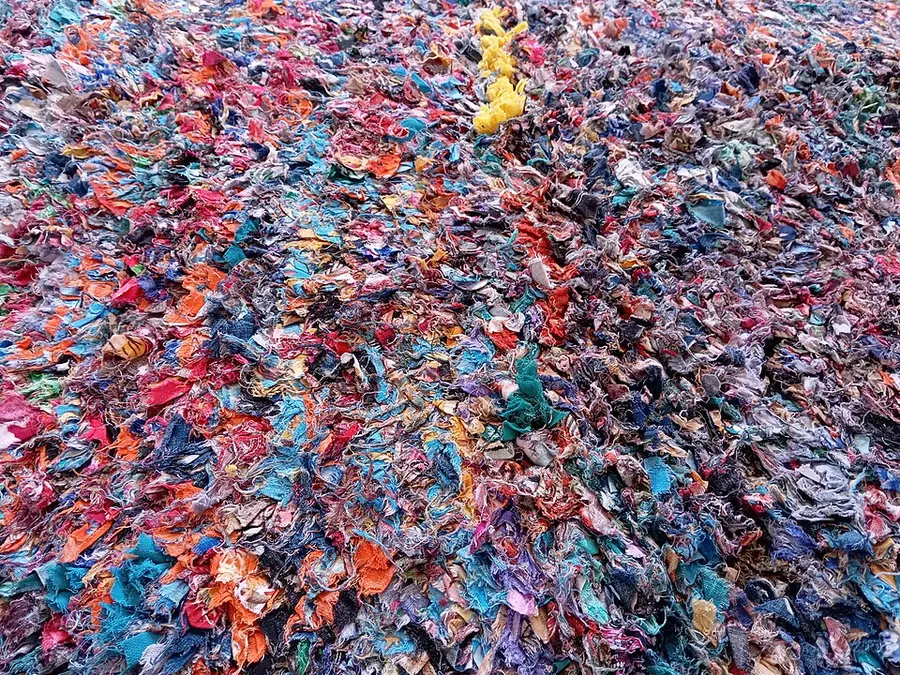
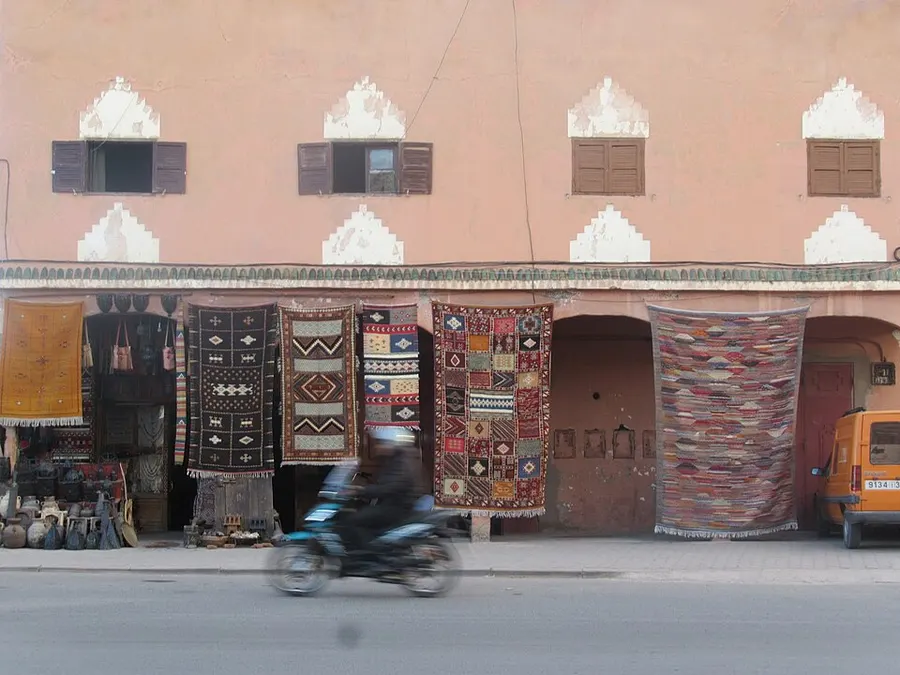
Images are illustrative and verified against our image rights policy. Supplier-provided, fair-trade media kits, or CC-licensed.
Supplier research records
These are leads, not endorsements. Commercial fields only count as confirmed when the profile state is verified.
Berber Creations
🇲🇦 Berber, Morocco
Shop authentic Moroccan Rugs at Berber Creations. 30% OFF Custom Berber Carpets during our 2026 Booking Event. Hand-knotted masterpieces with unique names. Reserve your loom.
Moroccan Berber Carpets
🇲🇦 Morocco
Discover unique handmade Moroccan Berber carpets, Moroccan Tents & cushions. Shop authentic, traditional crafts to beautify your home & support local tribes today!
MyBerbereDesign
🇲🇦 Morocco
Tapis berbères marocains en vente en gros à prix avantageux pour les boutiques de décoration. Prix bas tapis berberes artisanaux, pièces uniques en lain.
Ecuadane
🇲🇦 Morocco
Ecuadane turns stories into luxury custom-woven gifts that help organizations build relationships, elevate brands, and create lasting impressions through premium blankets.
How to source Berber Rugs from Morocco in bulk
- 1
Define your brief. Specify quantity per design, Textile grade, dimensions, finish, customisation, packaging, destination, arrival date and budget.
- 2
Research candidates. Use the 4 origin-and-craft records as leads, then verify identity, production capability, certificates, and references.
- 3
Request comparable quotations. Give each candidate the same specification and request a dated quotation, production schedule, sample plan, and named Incoterm.
- 4
Approve samples. Buy production-representative samples and record tolerances, finish, labelling, packing, and inspection criteria before committing to bulk.
- 5
Confirm and ship. Finalise the purchase order, payment protection, inspection, and freight only after the production schedule is confirmed in writing.
Frequently asked questions
What minimum order quantity is realistic for handknotted Berber rugs, and what drives the per-piece price?
Each rug is woven individually on a vertical loom by a single weaver, so Moroccan workshops and cooperatives typically accept orders as small as 1–2 pieces per design, but the per-piece price drops meaningfully at 20+ rugs because a weaver can stay on the same loom for a continuous run. Price is driven by knot density (knots per square meter), wool grade (raw vs washed Atlas Mountain sheep wool), finished size, and whether the piece is an undyed cream Beni Ourain or a dyed tribal style such as Azilal, Boujad, or Boucherouite.
How do I judge quality and spot defects in a handknotted Beni Ourain or tribal Berber rug?
Turn the rug face-down and count the knots along a 10 cm line — tighter, more uniform knotting signals a more skilled weaver and a more durable pile. Common defects to reject include an uneven or loose selvedge, visible pile-height variation across the field, skewed geometric motifs (Beni Ourain diamonds, Berber fertility symbols, lozenges), and in colored pieces, dye migration or bleeding at the edges. A natural lanolin smell is normal; a chemical or sour odor usually points to poor washing or an overloaded synthetic dye bath.
What fibers and dyes are used, and do they vary by tribe or region?
Most traditional Berber rugs are 100% Atlas Mountain sheep wool, sometimes blended with goat or camel hair for a coarser, warmer pile; Boucherouite rugs from the Rif are the well-known exception, made from recycled cotton and synthetic textile scraps. Beni Ourain pieces are characteristically undyed, with the ivory-to-charcoal palette coming directly from the natural fleece, while Azilal, Boujad, and Glaoui weavers historically used plant and insect dyes (indigo, madder, henna, saffron, cochineal) and now frequently AZO-free synthetics — confirm on the invoice which system a dyed lot uses.
Can I commission custom sizes, colors, or motifs, and what lead time should I plan for?
Most Middle and High Atlas cooperatives accept custom commissions, including oversized pieces (4×6 m and up) and adapted colorways, but the work is weaver-led, not printed or tufted. Plan 6–10 weeks for a standard 2×3 m rug and considerably longer for intricate patterns; always request a hand-drawn scale sketch (the local term is a 'carton') and a pre-shipment photo of the finished rug for approval, because the same Berber symbol will read very differently depending on the individual weaver's hand.
What documentation should I require to confirm authenticity and Moroccan origin?
Ask for a commercial invoice naming the wilaya or province of production (e.g., Middle Atlas, High Atlas, Rif), a written statement that the rug is handknotted rather than hand-tufted or machine-made, and the name of the cooperative or master weaver. Morocco operates a state-issued 'Label Artisan' mark for certified handicraft producers, but there is no registered geographical indication specifically protecting 'Beni Ourain' as a term, so treat any supplier claiming a formal GI for these rugs with caution and request a copy of any cited certificate before paying.
How are Berber rugs packed for bulk export, and what shipping or import issues should I expect?
Genuine handknotted pieces should be rolled — never folded — around a rigid cardboard core, wrapped in breathable cotton or polypropylene, and loaded vertically in the container so the pile is not compressed. A 3×4 m wool rug of this type typically weighs 20–30 kg, so confirm gross weight carefully when booking an FCL, and clarify in advance whether the exporter can supply a phytosanitary or cold-treatment certificate, since Australia, New Zealand, and parts of the US require one for raw wool textile imports.
What production lead time should I plan for bulk Berber Rugs from Morocco?
None of the 4 Morocco Berber Rugs records on file carries one — including the workshop in Berber, which is why the lead-time column reads Unconfirmed. Ask each candidate for a dated ex-works schedule and the transit time to your port as separate figures.
Which Incoterm and freight details should a Morocco Berber Rugs RFQ pin down?
Ex-works, FOB, and CIF prices for one Berber Rugs order are three different numbers, so name the term and the destination port in the request or the quotes will not compare. Settle who books freight, who clears customs at each end, and the packing specification — handicraft cartons are usually volume-rated.
Browse Berber Rugs by use case
Further reading on Berber Rugs and Morocco
Sourcing Moroccan Berber Rugs in Bulk
Beni Ourain, Azilal, Boucherouite and Hanbel explained for bulk buyers: wool grades, irregular sizing, vintage grading, fibre labelling and pest treatment.
Sourcing Moroccan Ceramics and Zellige in Bulk
Fes, Safi and Tamegroute pottery and Fes zellige explained: the lead glaze question on serving ware, frost resistance, size variation and crate packing.
Sourcing Guide: Handicrafts from Morocco
Morocco's craft clusters for bulk buyers: zellige and Fassi ware in Fes, Berber rugs in the Atlas, tannery leather, and Marrakech brass and lanterns.
How we chose
We reviewed 4 Morocco Berber Rugs research records for this page on October 7, 2026. Inclusion means the record matches the origin and craft; it does not mean GreenFlip verified the business or its claims. Only verified records may contribute MOQ, price, lead time, certification, or wholesale Product structured data.