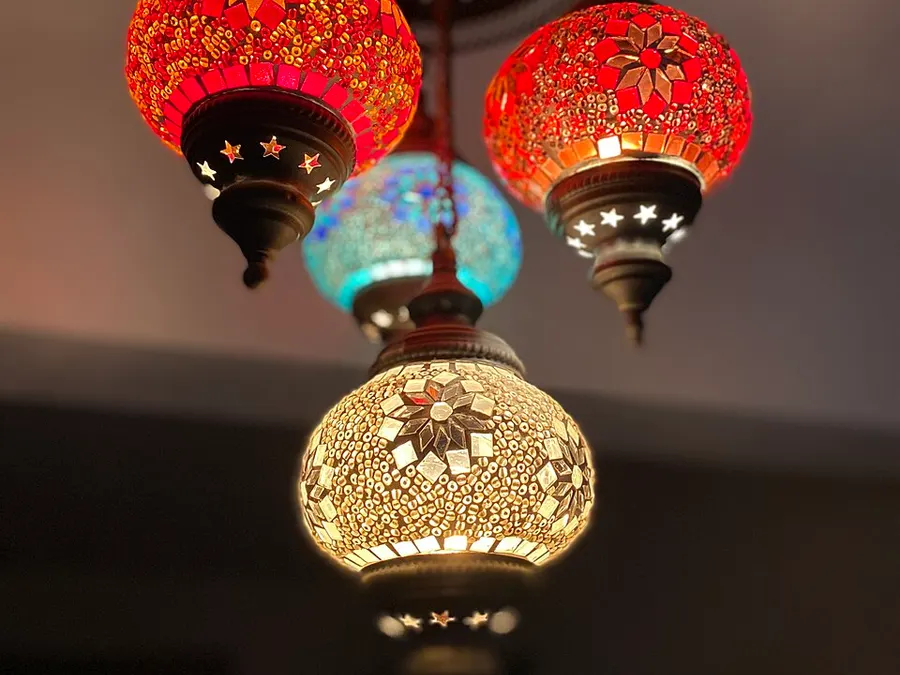
Bulk Mosaic Glass Lamps from Turkey
Handcut stained-glass mosaic lamps and lighting. Review 3 Turkey supplier research records with explicit evidence status and buyer checks for retail, hospitality, gifting, and sourcing teams.
GreenFlip does not yet hold a verified MOQ, FOB price, or production lead time for Mosaic Glass Lamps from Turkey. This page organises 3 research records by origin and craft. Public-web fields remain unconfirmed until the legal entity, production capability, current quotation, certificates, references, and sample are checked.
Evidence to request for Mosaic Glass Lamps
Glass checks: Specify glass composition, annealing, wall thickness, sharp-edge inspection, colour tolerance, thermal-shock need, electrical role if any, and transit testing.
For Turkey's production landscape and the checks that apply across every craft in the country, see the Turkey sourcing hub.
Suppliers at a glance
3 suppliersVisual showcase
6 images · Turkey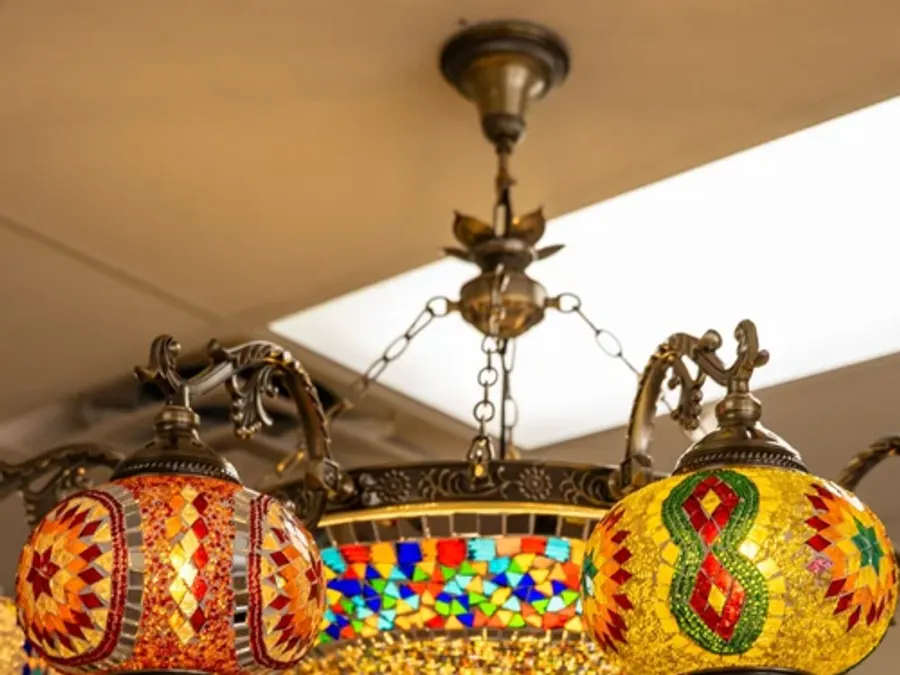
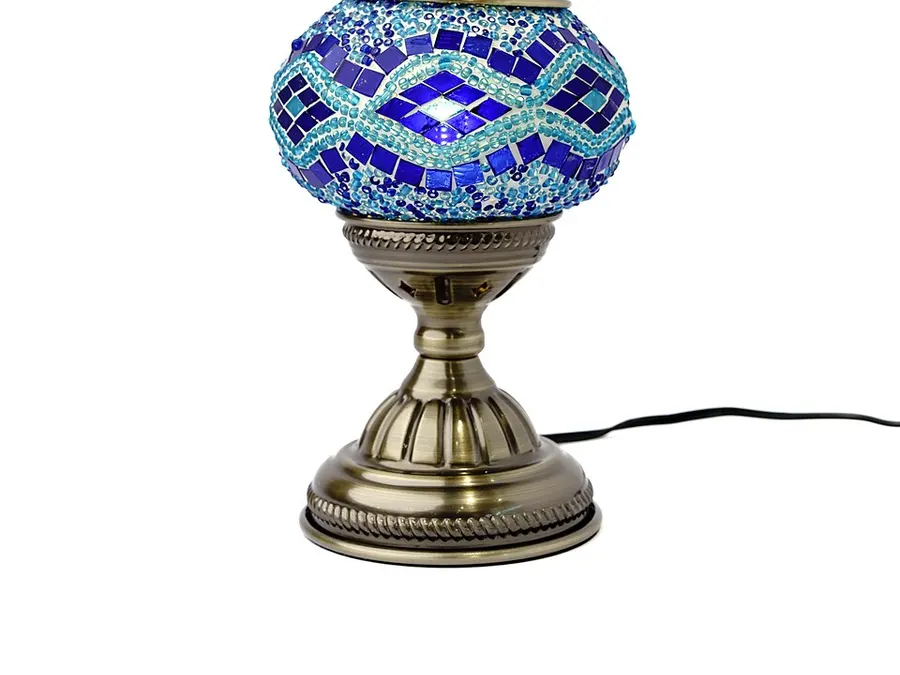
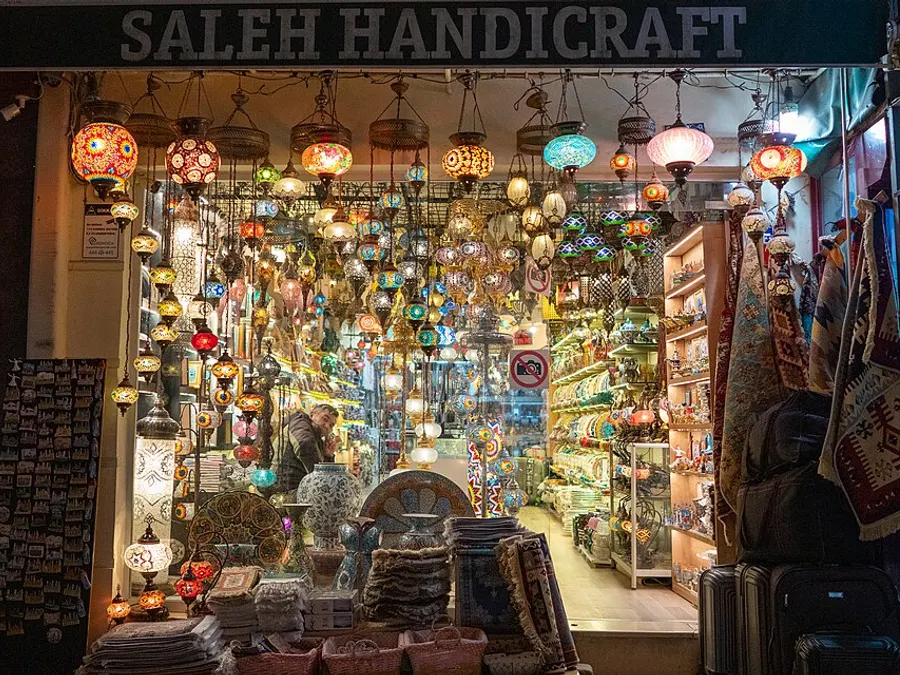
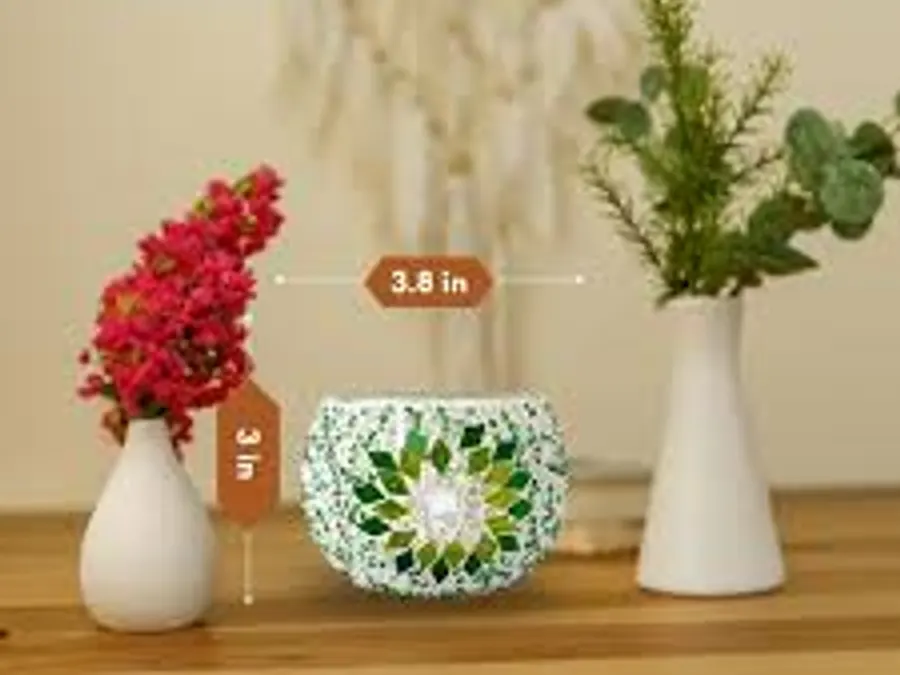
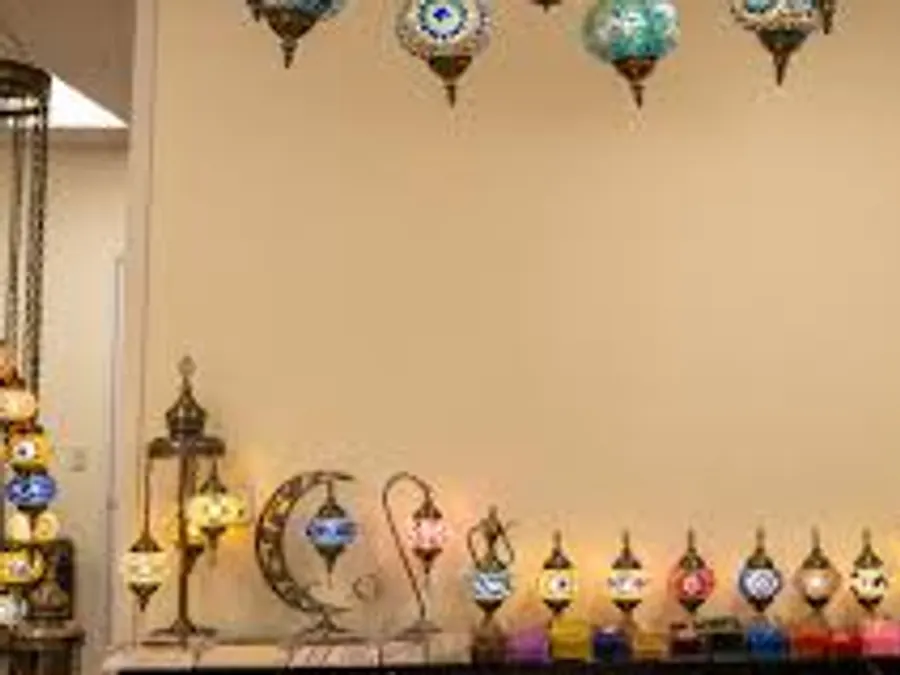
Images are illustrative and verified against our image rights policy. Supplier-provided, fair-trade media kits, or CC-licensed.
Supplier research records
These are leads, not endorsements. Commercial fields only count as confirmed when the profile state is verified.
Mosaic Lamps
🇹🇷 Turkey
Our mosaic lamps products are 100% handmade. Besides living room mosaic chandeliers and bedroom table lamps, you can buy wall lamp products on our site. Worldwide wholesale site for traditional handmade Turkish lamps
Turkish Lamp
🇹🇷 Virginia, Turkey
Exquisite artisanal ceramics, lanterns, spice grinders and candleholders made by local Turkish artist in Istanbul shipped from United States
Paykoc Imports
🇹🇷 Turkey
Paykoc Imports is a leading wholesaler of custom Turkish gifts including lamps, copper mugs, tobacco pipes, evil eye, and figurines. We can customize just about anything.
How to source Mosaic Glass Lamps from Turkey in bulk
- 1
Define your brief. Specify quantity per design, Glass grade, dimensions, finish, customisation, packaging, destination, arrival date and budget.
- 2
Research candidates. Use the 3 origin-and-craft records as leads, then verify identity, production capability, certificates, and references.
- 3
Request comparable quotations. Give each candidate the same specification and request a dated quotation, production schedule, sample plan, and named Incoterm.
- 4
Approve samples. Buy production-representative samples and record tolerances, finish, labelling, packing, and inspection criteria before committing to bulk.
- 5
Confirm and ship. Finalise the purchase order, payment protection, inspection, and freight only after the production schedule is confirmed in writing.
Frequently asked questions
What is the typical MOQ for handcut mosaic glass lamps from Turkey and what drives it up or down?
Most workshops set a starting MOQ in the range of roughly 50–100 pieces for stock designs, because every shade is hand-cut, foiled or leaded, soldered, and then fitted to a base one at a time. MOQ climbs sharply for custom patterns since a new template must be drawn, glass colorways pulled from sheet stock, and the shade prototyped before production can start. Simpler globe shapes with fewer tesserae per panel keep MOQ lower than multi-panel or large floor-lamp silhouettes that demand many more soldering hours per unit.
How do I inspect a handcut mosaic glass lamp for quality and what defects should I reject on arrival?
Hold the shade up to a strong light and check for hairline cracks, chipped glass edges, and visible gaps where lead came or copper-foil joints should sit flush; run a finger along seams to feel sharp solder protrusions or drips. Inspect solder lines for cold joints, oxidation, or patchy coverage, and confirm the shade sits level on the base with the bulb socket perfectly centered. Also verify the cord passes through a grommet or socket assembly rather than directly through glass, and that the switch and plug are rated for the destination market.
What is the difference between lead came and copper foil construction, and which holds up better?
Lead came uses H-shaped lead strips that grip each glass edge and are soldered at the joints, giving the traditional heavy, sculptural Turkish look with clearly visible dark seams between every tessera. Copper foil (the Tiffany method) wraps each piece individually and is soldered on both sides, which allows tighter curves and crisper geometric patterns but adds labor per piece. For hospitality and residential use both are durable; lead came flexes slightly on impact, while copper foil gives finer detail and a tighter pattern.
Can we customize the pattern, colors, and size, and what does that do to MOQ and lead time?
Yes—buyers can specify globe, cylindrical, drum, or multi-shade silhouettes, choose glass colors from the workshop's sheet stock, and supply a pattern or modify a stock design. Custom work typically requires a higher MOQ than stock, a 4–6 week sampling and prototype phase to draw the template and cut the first shade, and roughly 8–14 weeks of production after sample approval. Expect a one-off template or mold fee for fully bespoke shapes, and confirm up front whether the resin, ceramic, or metal base is included in the customization scope.
What electrical and material compliance, and origin documentation, should we require for Turkish mosaic glass lamps?
For the EU ask for a CE Declaration of Conformity covering the Low Voltage Directive and EMC Directive, plus a RoHS test report confirming restricted-substance limits in the glass, lead came or solder, and base materials. For the US and Canada require UL or ETL listing on the complete lamp—UL 153 covers portable luminaires—and confirm the cord set is listed or recognized rather than generic. The craft's traditional center is the Cappadocia/Avanos region, so if your retail customers ask about provenance, request a signed origin statement and any regional authenticity paperwork the maker can supply.
How are mosaic glass lamps packed for international shipping, and where do breakages usually happen?
Each shade is wrapped in acid-free tissue, then foam sheet or bubble wrap, and cradled in a custom-cut foam ring at the opening, with the base wrapped separately and the two nested into a fitted master carton with corrugated dividers. The most common breakage points are the glass tips where the shade meets the harp and socket, any protruding finial, and the corners of lead came during stacking pressure. Insist on drop-test photos from the maker, mark cartons 'do not stack more than X layers,' and use double-walled cartons or plywood crating for full-container loads of large floor or chandelier pieces.
What production lead time should I plan for bulk Mosaic Glass Lamps from Turkey?
None of the 3 Turkey Mosaic Glass Lamps records on file carries one — including the workshop in Virginia, which is why the lead-time column reads Unconfirmed. Ask each candidate for a dated ex-works schedule and the transit time to your port as separate figures.
Which Incoterm and freight details should a Turkey Mosaic Glass Lamps RFQ pin down?
Ex-works, FOB, and CIF prices for one Mosaic Glass Lamps order are three different numbers, so name the term and the destination port in the request or the quotes will not compare. Settle who books freight, who clears customs at each end, and the packing specification — handicraft cartons are usually volume-rated.
Browse Mosaic Glass Lamps by use case
Further reading on Mosaic Glass Lamps and Turkey
Wedding & Event Décor Sourcing at Volume
Sourcing artisan décor for weddings and events at volume: repeatability across a large set, rental durability, colour matching and the event calendar.
Sourcing Turkish Kilim and Flatweave Rugs in Bulk
Buying Anatolian kilims in bulk: slit-weave and sumak construction, wool and dye quality, vintage and patchwork stock, skew tolerance and fumigation.
Sourcing Guide: Handicrafts from Turkey
A sourcing guide to Turkey's crafts: kilim rugs, Iznik-style ceramics, hammered copper (Gaziantep), and mosaic lamps
How we chose
We reviewed 3 Turkey Mosaic Glass Lamps research records for this page on October 7, 2026. Inclusion means the record matches the origin and craft; it does not mean GreenFlip verified the business or its claims. Only verified records may contribute MOQ, price, lead time, certification, or wholesale Product structured data.