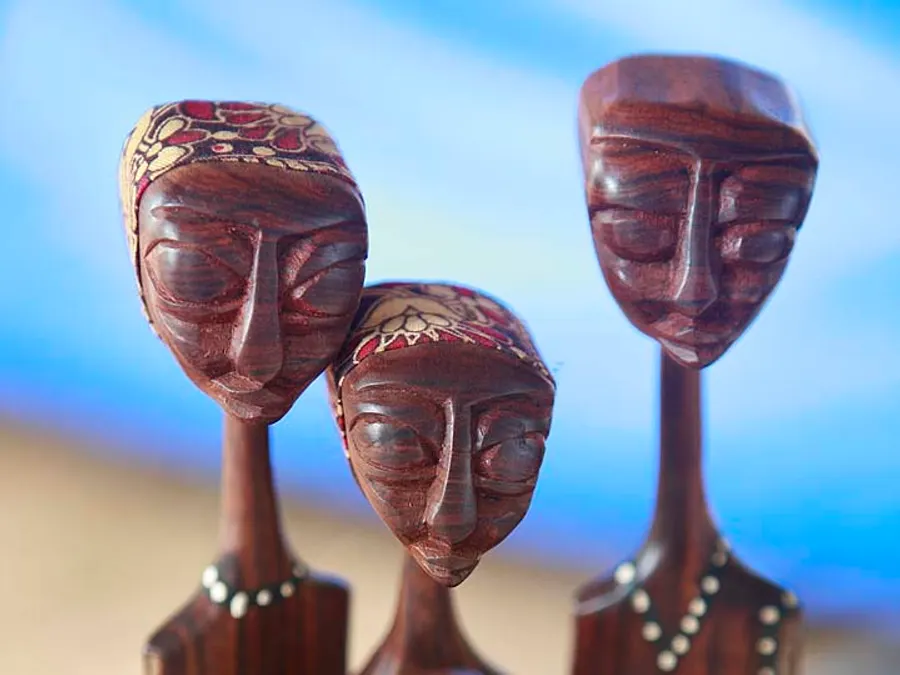
Bulk African Wood Sculpture from Kenya & Ghana
Handcarved figurative and abstract wood sculpture. Review 3 Kenya & Ghana supplier research records with explicit evidence status and buyer checks for retail, hospitality, gifting, and sourcing teams.
GreenFlip does not yet hold a verified MOQ, FOB price, or production lead time for African Wood Sculpture from Kenya & Ghana. This page organises 3 research records by origin and craft. Public-web fields remain unconfirmed until the legal entity, production capability, current quotation, certificates, references, and sample are checked.
Evidence to request for African Wood Sculpture
Wood checks: Specify timber species, legal-source evidence, moisture range, construction and joinery, finish chemistry, pest treatment, and destination import controls.
For Kenya & Ghana's production landscape and the checks that apply across every craft in the country, see the Kenya & Ghana sourcing hub.
Suppliers at a glance
3 suppliers| Supplier | City | MOQ | Price from | Lead time | Certifications | Evidence state | Profile |
|---|---|---|---|---|---|---|---|
| African Modern | 🇰🇪 Oregon | Unconfirmed | Unconfirmed | Unconfirmed | Fair Trade (unverified)fair trade (unverified) | grounded | View → |
| Supply Leader | 🇰🇪 Kenya & Ghana | Unconfirmed | Unconfirmed | Unconfirmed | grounded | View → | |
| African Imports | 🇰🇪 Kenya & Ghana | Unconfirmed | Unconfirmed | Unconfirmed | grounded | View → |
Visual showcase
6 images · Kenya & Ghana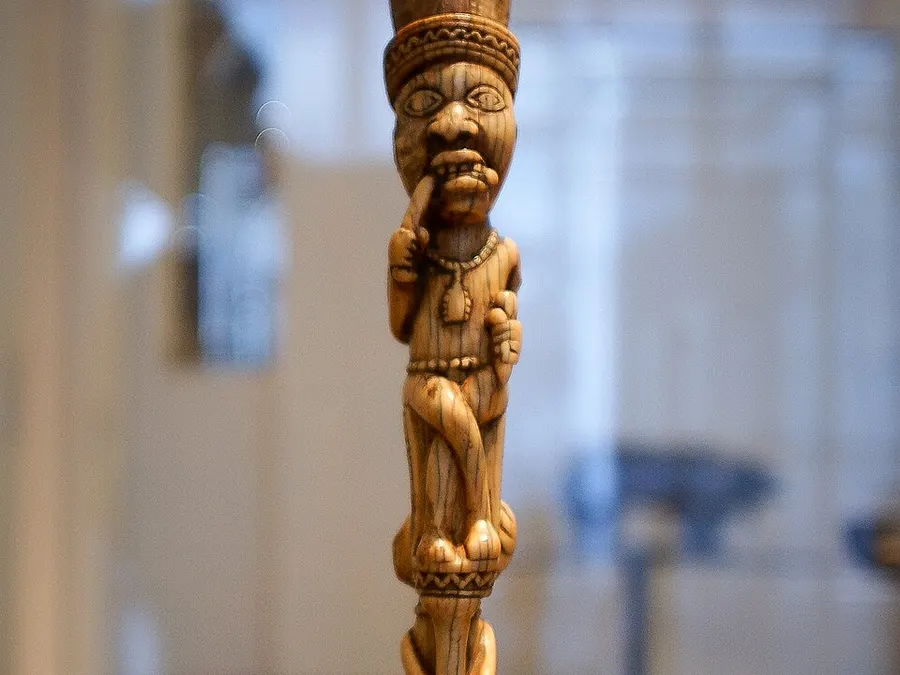
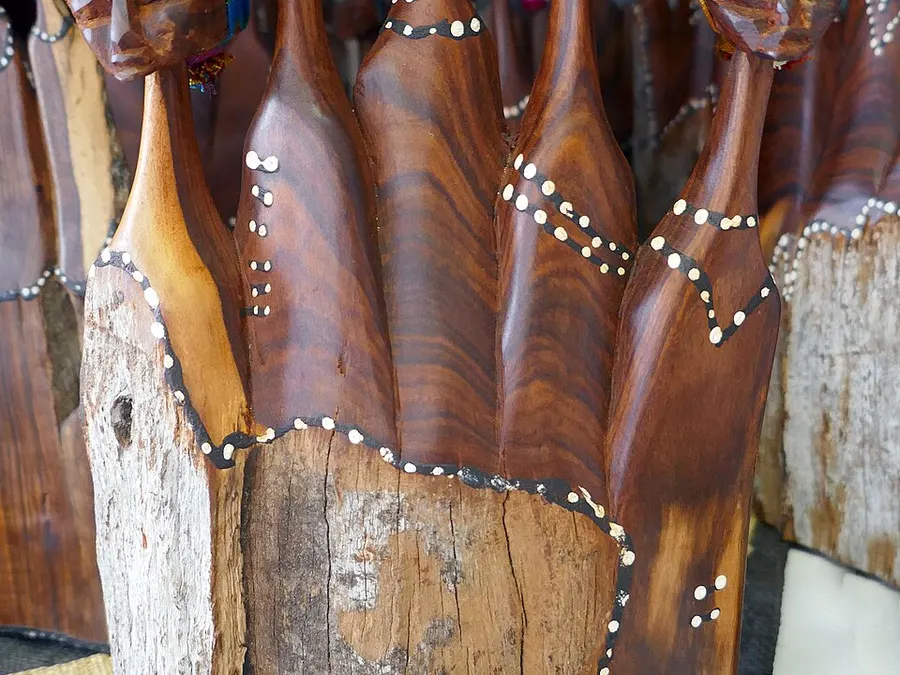
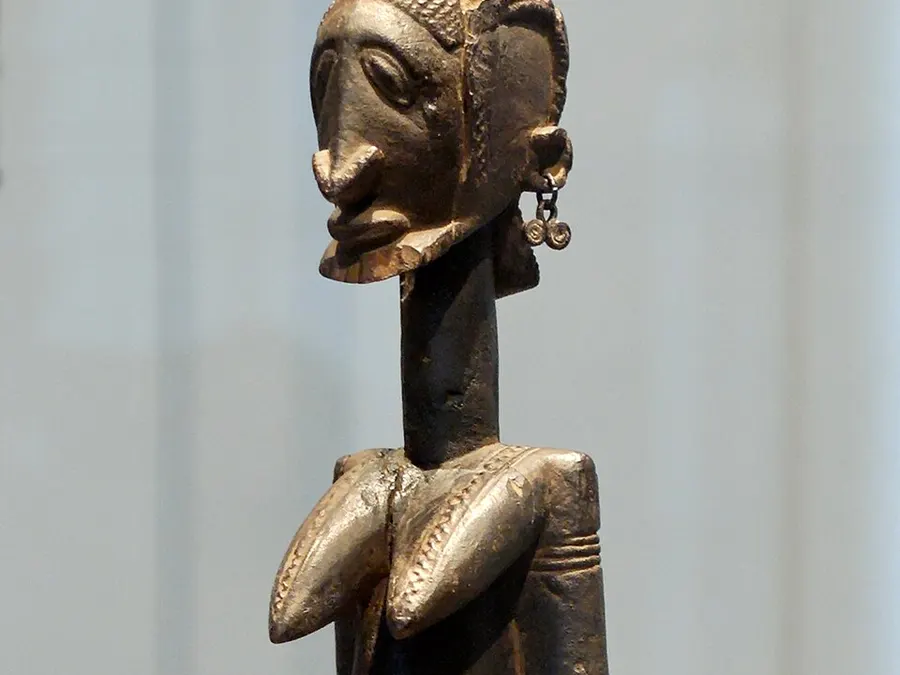
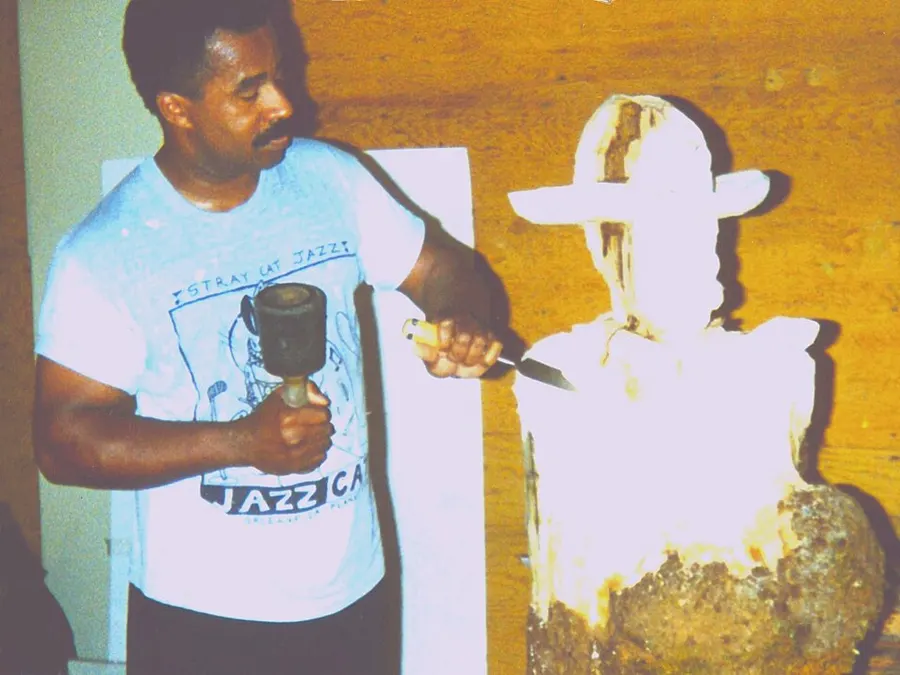
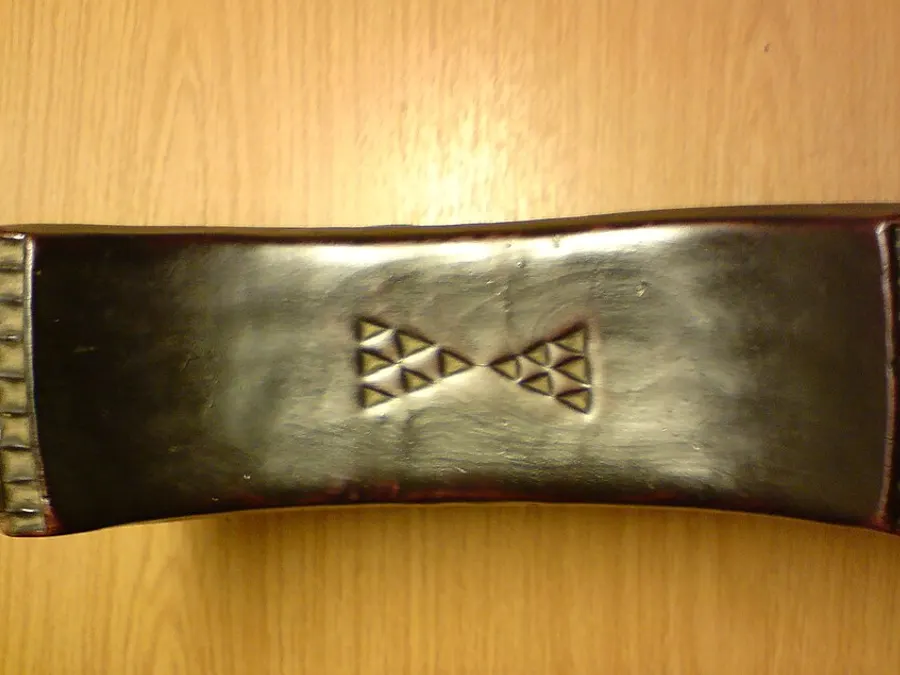
Images are illustrative and verified against our image rights policy. Supplier-provided, fair-trade media kits, or CC-licensed.
Supplier research records
These are leads, not endorsements. Commercial fields only count as confirmed when the profile state is verified.
African Modern
🇰🇪 Oregon, Kenya & Ghana
AFRICAN MODERN, formerly Swahili Imports, is a women-led business dedicated to increasing global investment in African craftsmanship. We showcase modern Africa through handcrafted home decor and gifts, empowering artisans across the contine
Supply Leader
🇰🇪 Kenya & Ghana
World’s Best Prices for Any Product
African Imports
🇰🇪 Kenya & Ghana
A vast selection of large and small wood carvings from the Ashanti, Ga, Senufo, Baule, Dogon, dozens more African groups.Read more
How to source African Wood Sculpture from Kenya & Ghana in bulk
- 1
Define your brief. Specify quantity per design, Wood grade, dimensions, finish, customisation, packaging, destination, arrival date and budget.
- 2
Research candidates. Use the 3 origin-and-craft records as leads, then verify identity, production capability, certificates, and references.
- 3
Request comparable quotations. Give each candidate the same specification and request a dated quotation, production schedule, sample plan, and named Incoterm.
- 4
Approve samples. Buy production-representative samples and record tolerances, finish, labelling, packing, and inspection criteria before committing to bulk.
- 5
Confirm and ship. Finalise the purchase order, payment protection, inspection, and freight only after the production schedule is confirmed in writing.
Frequently asked questions
What is a typical MOQ for handcarved African wood sculptures from Kenya and Ghana, and what really drives the unit price?
MOQ is usually low — often 5 to 20 pieces per design — because each item is individually handcarved rather than cast, so producers rarely hold large finished stock. Unit price is driven primarily by the wood species (e.g., Jacaranda, Mukau, Ofram or Tweneboa cost more than soft Mango or Sesese), the finished dimensions (limited by the diameter of log the carver can source), and the level of fine detail, which translates directly into carving hours.
How do I inspect carved wood sculptures for defects before approving a shipment?
Look first for end-grain 'checks' — radial cracks running from the base — which appear when pieces are carved green and dry unevenly during export. Run a fingertip over hidden surfaces for small round exit holes from powder-post beetles, a common issue in air-dried tropical hardwoods, and check that any attached limbs (arms, horns, handles) are not split along the grain. Reject pieces with active frass near joints, and confirm by weight that pieces feel dense rather than punky, which signals internal rot.
Which wood species and finishes are typical for Kenyan and Ghanaian wood sculpture?
Kenyan carvers commonly use Jacaranda, Neem, Mango and Mukau/Mukwa, while Ghanaian workshops favor African Mahogany (Khaya), Ofram, Tweneboa, and occasionally Rosewood or Ebony for finer figurative work. Most pieces are finished with a natural beeswax rub, linseed or tung oil, or a satin polyurethane — matte finishes that show off tool marks and grain are more typical of higher-end work, whereas high-gloss lacquer tends to indicate tourist-grade pieces. Always ask the supplier which species is in the lot and how it was seasoned, as kiln-dried timber cracks far less in transit than air-dried stock.
Can I commission my own design, and how consistent will a production run of similar figures be?
Yes — most Kenyan and Ghanaian workshops work from a reference photo, sketch, or sample, with one master carver creating the original while apprentices or junior carvers replicate it in series. Expect small variations in proportion, facial expression and surface texture from piece to piece, because each is chipped out by hand rather than copied on a CNC or mold. Provide the supplier with maximum finished dimensions in cm and the species you want; if a piece exceeds the diameter of locally available logs, expect to be quoted a higher price for joining or for sourcing from a different region.
What export paperwork is required for handcarved wood sculptures out of Kenya and Ghana?
Shipments will need a phytosanitary certificate from KEBS or Ghana Standards confirming the timber is free of live pests, and the outer packaging must be ISPM-15 compliant (heat-treated or fumigated pallets and crates, with the stamp visible). If any piece contains CITES-listed species such as genuine Ebony or certain Dalbergia rosewoods, you'll also need a CITES export permit from the country of origin and a matching import permit at the destination — always ask the supplier for the scientific wood name, not just the trade name, before booking. Some cooperatives will also issue Fair Trade or cooperative-membership letters on request, which help retail buyers market the provenance.
What packing and shipping quirks should I plan for with heavy wood sculpture?
Plan on volumetric weight often exceeding actual weight for carvings with large boles, and insist on a custom wooden crate lined with foam rather than bubble wrap alone, since protruding details like noses, fingers or animal horns can chip in transit. Wood is hygroscopic, so a shipment that leaves humid Mombasa or Tema at roughly 80% RH can crack when it lands in a heated warehouse near 20% RH — ask the supplier to seal pieces in a moisture-barrier wrap and avoid shipping freshly carved, still-drying stock in winter. Always arrange insurance on a per-piece declared value, because carriers routinely dispute 'fragile' claims on handcarved items by arguing the export crate was inadequate.
What production lead time should I plan for bulk African Wood Sculpture from Kenya & Ghana?
None of the 3 Kenya & Ghana African Wood Sculpture records on file carries one — including the workshop in Oregon, which is why the lead-time column reads Unconfirmed. Ask each candidate for a dated ex-works schedule and the transit time to your port as separate figures.
Which Incoterm and freight details should a Kenya & Ghana African Wood Sculpture RFQ pin down?
Ex-works, FOB, and CIF prices for one African Wood Sculpture order are three different numbers, so name the term and the destination port in the request or the quotes will not compare. Settle who books freight, who clears customs at each end, and the packing specification — handicraft cartons are usually volume-rated.
Browse African Wood Sculpture by use case
Further reading on African Wood Sculpture and Kenya & Ghana
The Lacey Act and Wood Handicraft Declarations
Explain the US Lacey Act for imported wood handicrafts: the plant declaration (PPQ 505), species and country reporting, and due care
CITES and Wood, Shell & Ivory Handicraft Exports
How CITES controls handicrafts made from protected woods, corals, shells and ivory: the three Appendices, permits, banned materials and staying compliant.
Sourcing Kente Cloth from Ghana: A Buyer's Guide
Buying woven kente in bulk — Asante and Ewe traditions, strip weaving economics, yarn choices, woven versus printed kente, quality checks, and cultural attribution
Sourcing Krobo Recycled Glass Beads from Ghana
Buying Ghanaian powder-glass beads: how they are made, hole and size consistency, the recycled-glass question, strand versus kilo pricing and compliance.
How we chose
We reviewed 3 Kenya & Ghana African Wood Sculpture research records for this page on October 7, 2026. Inclusion means the record matches the origin and craft; it does not mean GreenFlip verified the business or its claims. Only verified records may contribute MOQ, price, lead time, certification, or wholesale Product structured data.