Bulk Kente Weave from Kenya & Ghana
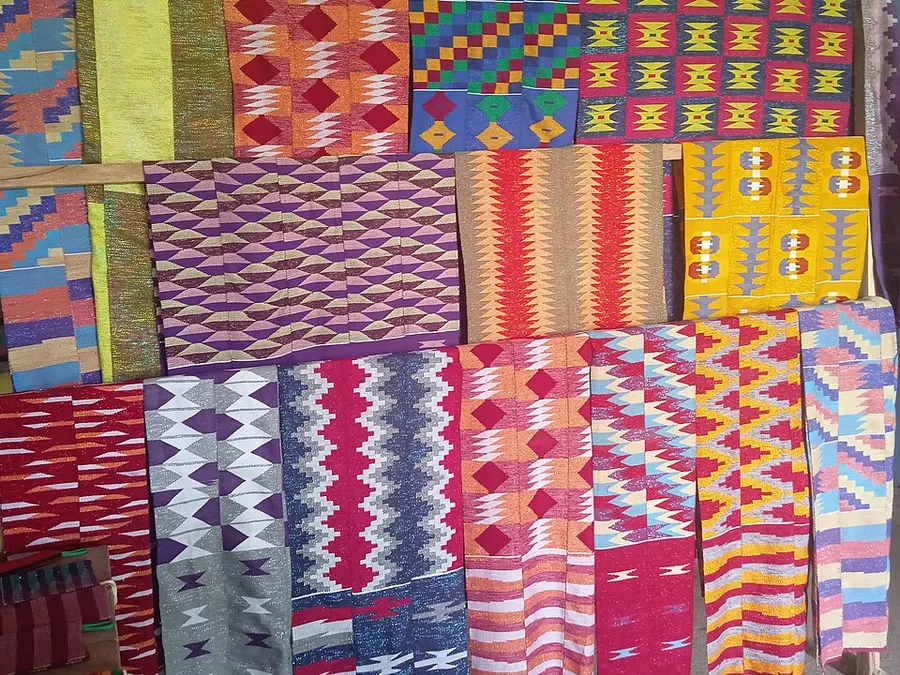
Ashanti Ewe kente cloth strips and panels. Review 2 Kenya & Ghana supplier research records with explicit evidence status and buyer checks for retail, hospitality, gifting, and sourcing teams.
GreenFlip does not yet hold a verified MOQ, FOB price, or production lead time for Kente Weave from Kenya & Ghana. This page organises 2 research records by origin and craft. Public-web fields remain unconfirmed until the legal entity, production capability, current quotation, certificates, references, and sample are checked.
Evidence to request for Kente Weave
Textile checks: Confirm fibre composition, yarn and weave specification, dimensions, colourfastness, shrinkage, restricted dyes, care labelling, and repeat-order shade tolerance.
For Kenya & Ghana's production landscape and the checks that apply across every craft in the country, see the Kenya & Ghana sourcing hub.
Suppliers at a glance
2 suppliersVisual showcase
6 images · Kenya & Ghana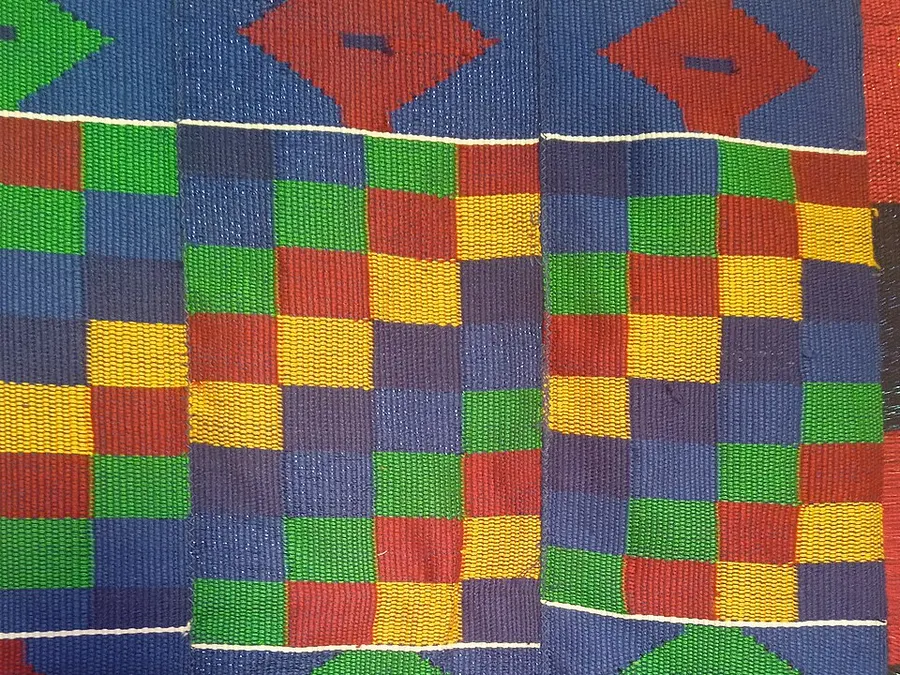
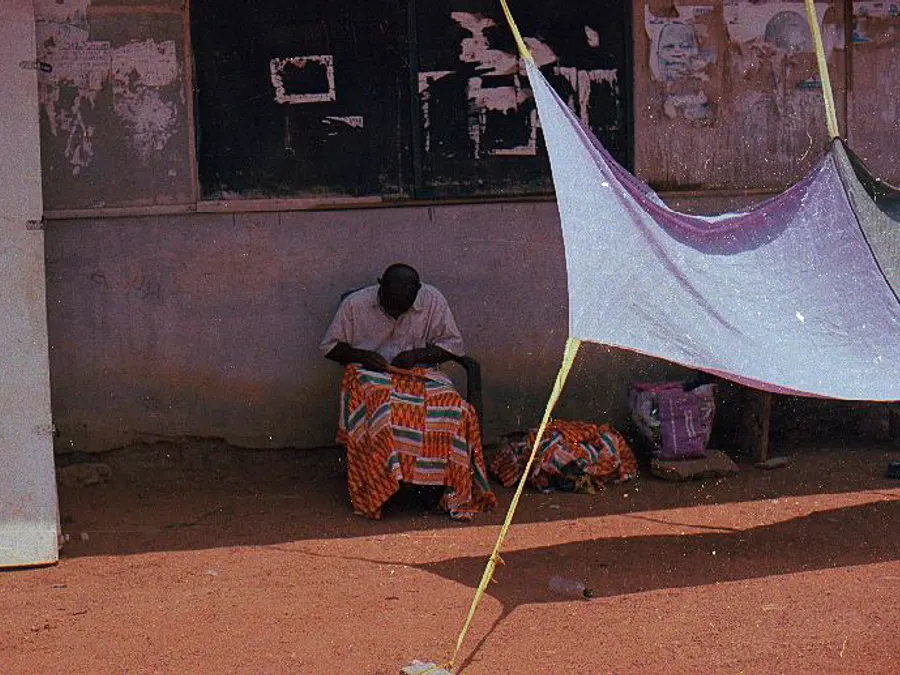
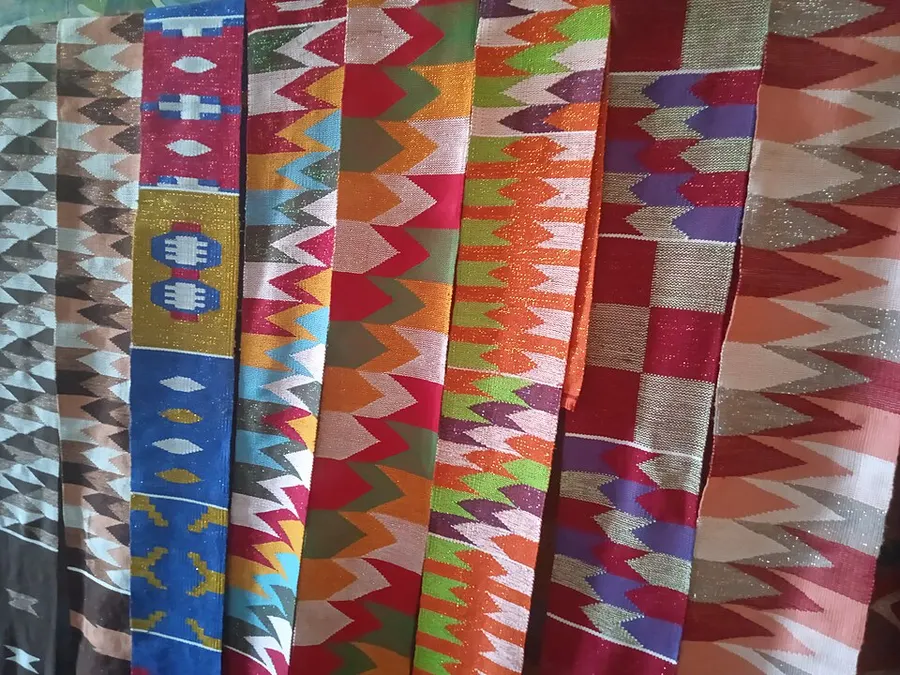
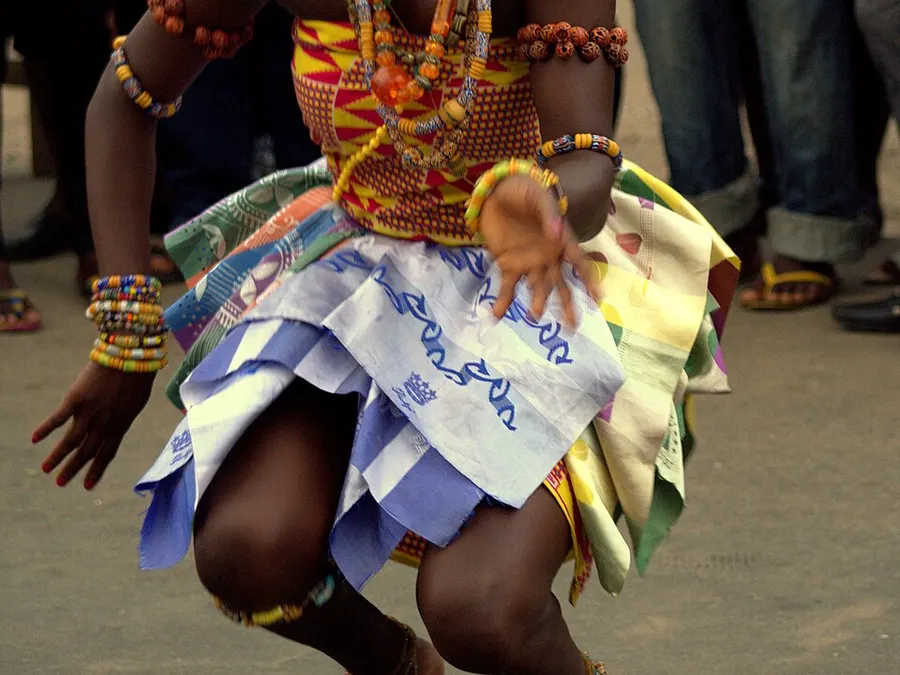
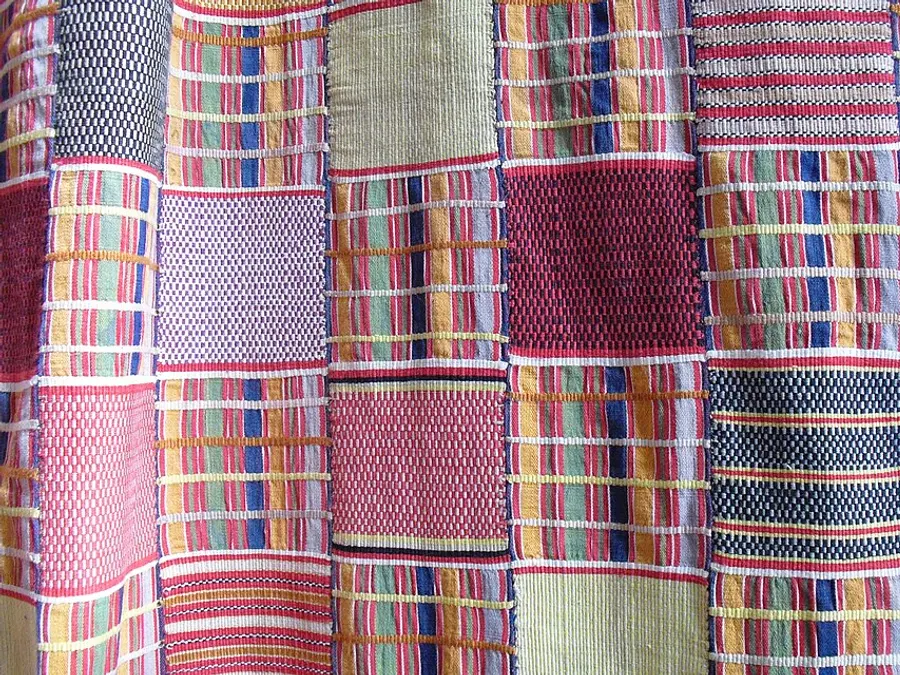
Images are illustrative and verified against our image rights policy. Supplier-provided, fair-trade media kits, or CC-licensed.
Supplier research records
These are leads, not endorsements. Commercial fields only count as confirmed when the profile state is verified.
Fabric
🇰🇪 Kenya & Ghana
Large online fabric store providing designers, sewers, and decorators with an extensive collection of premium fabrics by the yard at wholesale prices.
AfricanCraft.com: African art, craftspeople, artists, shops,
🇰🇪 Kenya & Ghana
Dedicated to bringing the arts and the artisans of Africa online. Craftspeople, product designers and shops. Artisan web pages, retailers offering a wide selection of traditional and contemporary artifacts, arts and clothing.
How to source Kente Weave from Kenya & Ghana in bulk
- 1
Define your brief. Specify quantity per design, Textile grade, dimensions, finish, customisation, packaging, destination, arrival date and budget.
- 2
Research candidates. Use the 2 origin-and-craft records as leads, then verify identity, production capability, certificates, and references.
- 3
Request comparable quotations. Give each candidate the same specification and request a dated quotation, production schedule, sample plan, and named Incoterm.
- 4
Approve samples. Buy production-representative samples and record tolerances, finish, labelling, packing, and inspection criteria before committing to bulk.
- 5
Confirm and ship. Finalise the purchase order, payment protection, inspection, and freight only after the production schedule is confirmed in writing.
Frequently asked questions
What drives the MOQ for Ashanti/Ewe kente strips, and how does sourcing from Kenya versus Ghana change the numbers?
Handwoven Ghanaian kente is produced on a narrow double-heddle treadle loom that yields strips roughly 4–5 inches (10–13 cm) wide, so a 50-inch finished panel requires 10–14 strips to be woven and hand-sewn together, each strip taking a skilled weaver many hours. Patterns with more weft-float blocks per inch dramatically extend lead time, which is why most Ghanaian workshops set MOQs around 20–50 yards of finished cloth for handwoven runs. Kenyan machine-woven kente, typically acrylic or polyester on wider power looms, can be cut and supplied in much smaller MOQs with shorter lead times, but at the cost of authenticity and hand-feel.
How do I judge the quality of a kente panel and spot defects before signing off on a bulk order?
Hold the cloth to light and check warp tension — even, tightly packed warps indicate a properly executed weave, while slack or wavy warps suggest rushed work. Inspect the seams where the narrow strips are joined: the colored weft-float blocks should align so the pattern reads continuously across the join, because misalignment is the most common defect in paneled kente. Also rub a white cloth against the surface to test dye crocking, and run your hand across to feel for snagged floats or fraying at the selvages.
Which threads and finishes are standard for kente, and how do they change the hand-feel?
Authentic Ghanaian kente is woven from cotton, with mill-spun cotton or rayon/viscose used for brighter commercial runs and silk reserved for ceremonial or premium orders — the cloth is warp-faced, meaning the design is built by how the weft floats are packed down over the warp. Kenyan machine-woven kente is most often acrylic or polyester, which gives a slick, slightly synthetic drape and high colorfastness but lacks the matte, slubbed hand of true cotton kente. Avoid pieces with heavy starch sizing that washes out and leaves the fabric limp; a light calendaring is the preferred finish.
Can I commission custom patterns or corporate designs in kente, and are there cultural restrictions?
Workshops will weave custom patterns using your color palette, name initials, or a corporate motif translated into the warp-faced float technique, but many named traditional designs (such as Ashanti royal cloths or Ewe clan-specific patterns) and their color codes carry cultural meaning and should not be appropriated. Always confirm with the weaver whether your proposed motif is freely available or reserved, and request a hand-loomed strike-off sample plus a pilot panel before authorizing bulk production. Allow longer lead times for custom work because new pattern setups must be threaded onto the heddles.
What provenance documentation should I request for Ghanaian or Ewe kente?
Ask for the producing village or cooperative (e.g., Bonwire or Adanwomase for Ashanti, Agbozume or Kpetoe for Ewe), the loom type used, and a signed letter of provenance or certificate of authenticity from the weaver group. A Certificate of Origin issued by the Ghana Export Promotion Authority is the standard export document, and cooperative production can additionally be backed by a WFTO or Fair Trade label. Ghana has been pursuing geographical indication status for kente, so it is reasonable to ask suppliers whether they participate in any GI or collective-mark scheme.
How should kente be packed and shipped to prevent damage in transit?
Kente should be rolled (not folded) on a sturdy cardboard tube to avoid permanent crease lines that crush the raised weft floats, with acid-free tissue between any layered pieces. Use a poly liner and silica gel desiccants inside the carton because cotton kente, especially in deep indigo or red, is prone to mildew in humid container conditions and dye transfer. Avoid staples, hook-and-loop straps, or anything that can snag floats, and clearly mark cartons 'THIS SIDE UP' to keep the roll on its end during handling.
What production lead time should I plan for bulk Kente Weave from Kenya & Ghana?
None of the 2 Kenya & Ghana Kente Weave records on file carries one, which is why the lead-time column reads Unconfirmed. Ask each candidate for a dated ex-works schedule and the transit time to your port as separate figures.
Which Incoterm and freight details should a Kenya & Ghana Kente Weave RFQ pin down?
Ex-works, FOB, and CIF prices for one Kente Weave order are three different numbers, so name the term and the destination port in the request or the quotes will not compare. Settle who books freight, who clears customs at each end, and the packing specification — handicraft cartons are usually volume-rated.
Browse Kente Weave by use case
Further reading on Kente Weave and Kenya & Ghana
Sourcing Kente Cloth from Ghana: A Buyer's Guide
Buying woven kente in bulk — Asante and Ewe traditions, strip weaving economics, yarn choices, woven versus printed kente, quality checks, and cultural attribution
Sourcing Krobo Recycled Glass Beads from Ghana
Buying Ghanaian powder-glass beads: how they are made, hole and size consistency, the recycled-glass question, strand versus kilo pricing and compliance.
Sourcing Maasai Beadwork in Bulk: A Buyer's Guide
Buying Kenyan and Tanzanian beadwork at wholesale — bead types, colour meaning, pricing by bead count, cultural attribution, and lead, cadmium, and nickel compliance
Sourcing Guide: Handicrafts from Kenya & Ghana
A sourcing guide to Kenya and Ghana: Kisii soapstone, Kente cloth, Maasai beadwork, and African wood sculpture
How we chose
We reviewed 2 Kenya & Ghana Kente Weave research records for this page on October 7, 2026. Inclusion means the record matches the origin and craft; it does not mean GreenFlip verified the business or its claims. Only verified records may contribute MOQ, price, lead time, certification, or wholesale Product structured data.