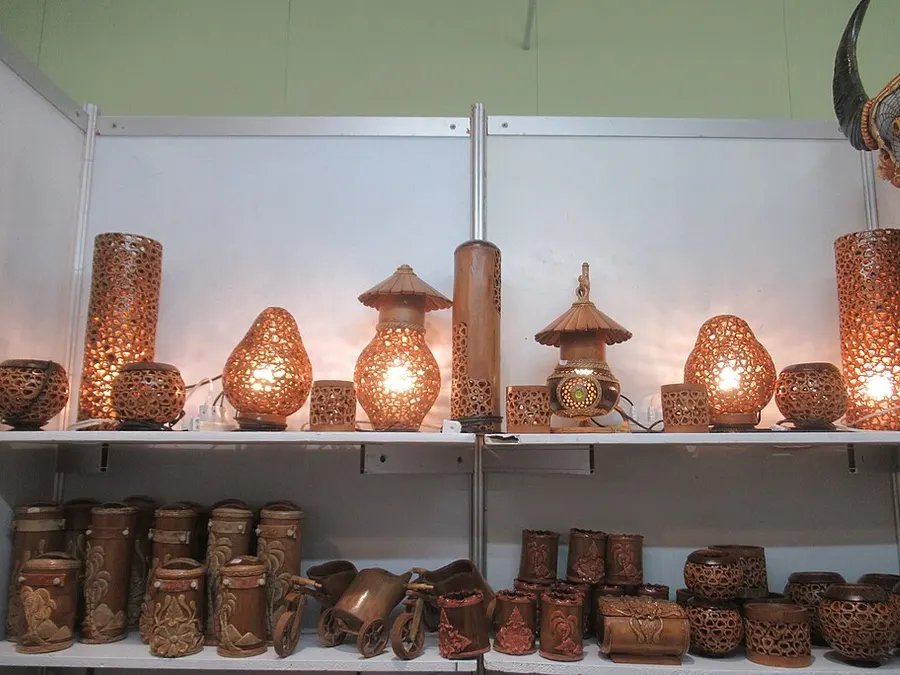
Bulk Capiz Shell Craft from Philippines
Translucent capiz shell lamps, chimes, and home decor. Review 2 Philippines supplier research records with explicit evidence status and buyer checks for retail, hospitality, gifting, and sourcing teams.
GreenFlip does not yet hold a verified MOQ, FOB price, or production lead time for Capiz Shell Craft from Philippines. This page organises 2 research records by origin and craft. Public-web fields remain unconfirmed until the legal entity, production capability, current quotation, certificates, references, and sample are checked.
Evidence to request for Capiz Shell Craft
Shell checks: Confirm species, legal harvest and export documentation, treatment and coating, sharp-edge inspection, metal findings, restricted substances, and origin labelling.
For Philippines's production landscape and the checks that apply across every craft in the country, see the Philippines sourcing hub.
Suppliers at a glance
2 suppliersVisual showcase
6 images · Philippines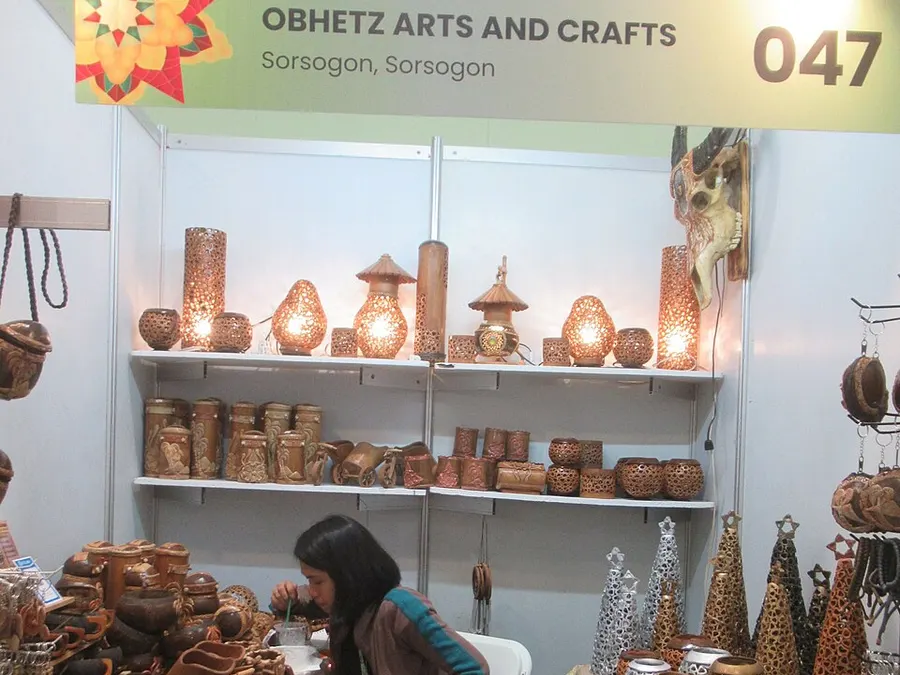
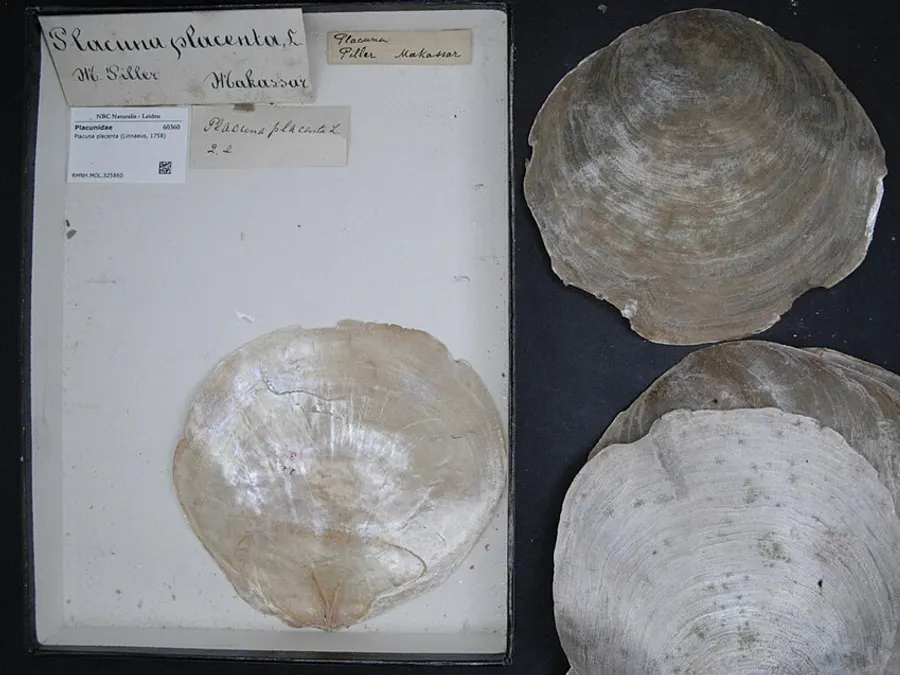
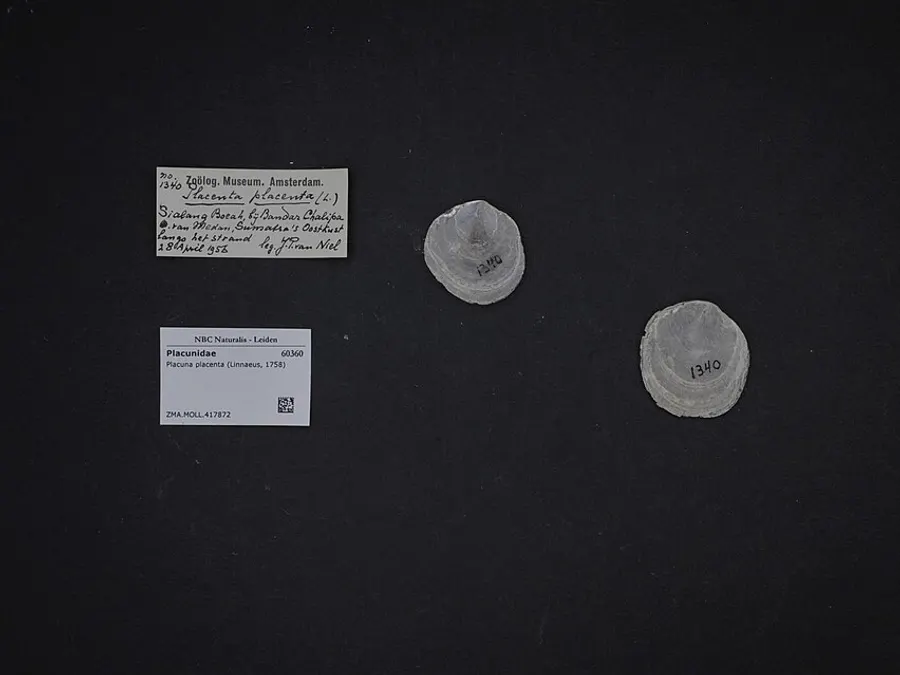
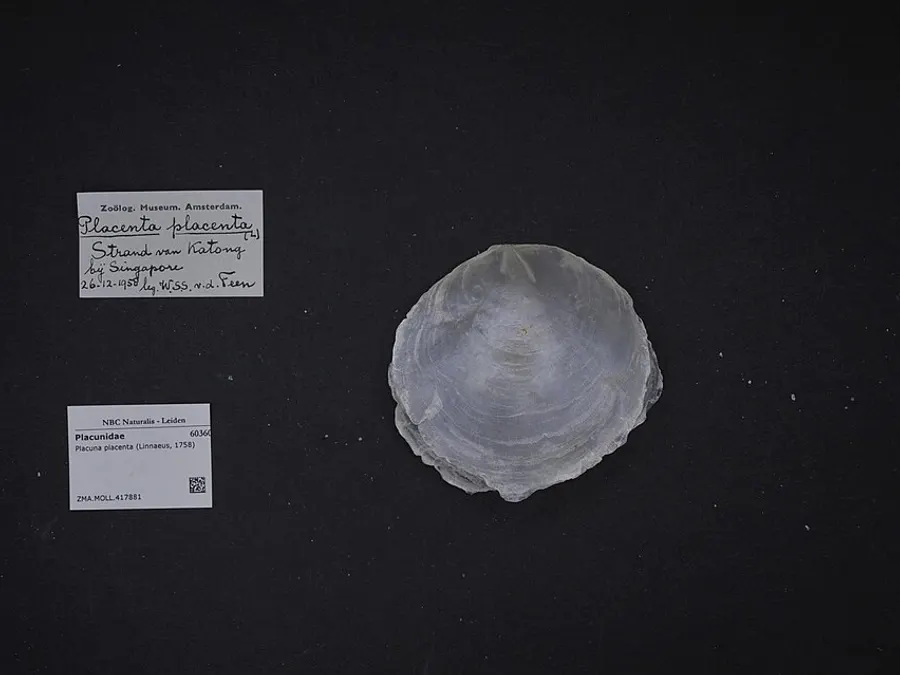
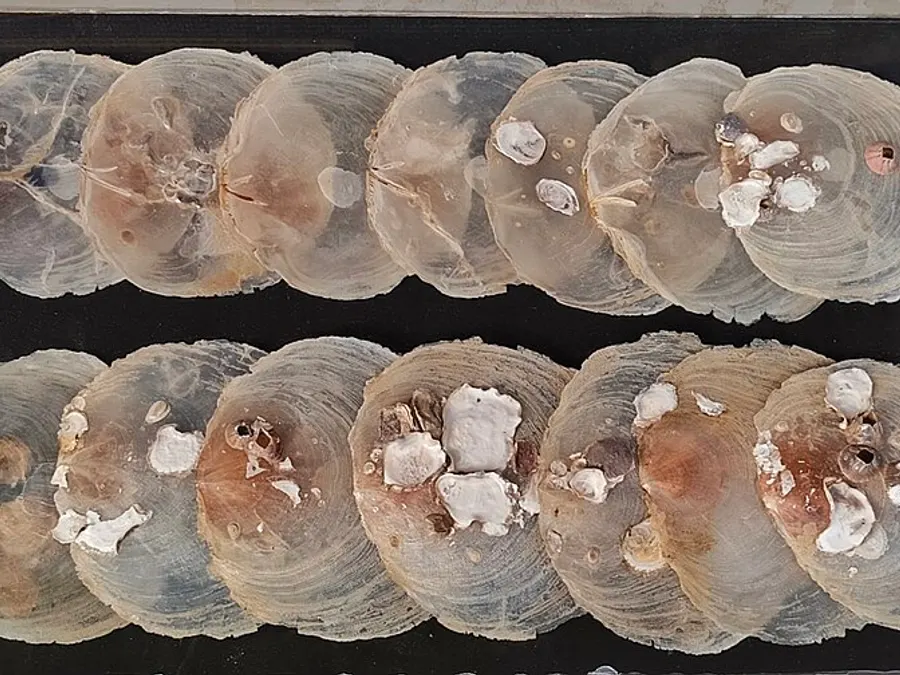
Images are illustrative and verified against our image rights policy. Supplier-provided, fair-trade media kits, or CC-licensed.
Supplier research records
These are leads, not endorsements. Commercial fields only count as confirmed when the profile state is verified.
Capiz Shells
🇵🇭 Philippines
Capiz shell chips is our main natural components for making our unique and finest design creation for export of wholesale Philippine Handmade products like Home Decoration. Some of this home decorations are capiz chandelier, capiz lamp shad
Seashell Supplies Philippines
🇵🇭 Philippines
Exporting Philippines' finest seashells worldwide for 50+ years. Bulk supply ideal for craft & décor businesses. Sustainable practices and global delivery.
How to source Capiz Shell Craft from Philippines in bulk
- 1
Define your brief. Specify quantity per design, Shell grade, dimensions, finish, customisation, packaging, destination, arrival date and budget.
- 2
Research candidates. Use the 2 origin-and-craft records as leads, then verify identity, production capability, certificates, and references.
- 3
Request comparable quotations. Give each candidate the same specification and request a dated quotation, production schedule, sample plan, and named Incoterm.
- 4
Approve samples. Buy production-representative samples and record tolerances, finish, labelling, packing, and inspection criteria before committing to bulk.
- 5
Confirm and ship. Finalise the purchase order, payment protection, inspection, and freight only after the production schedule is confirmed in writing.
Frequently asked questions
What actually drives the MOQ and unit price on a capiz shell lamp or chime order?
Price is driven almost entirely by hand labor: each capiz panel is hand-cut, edge-sanded, and pieced into a mosaic (often sunburst, parquet, or geometric tile patterns), so a more complex pattern with smaller tesserae will push the unit price up faster than changes in frame or hardware. MOQ is also dictated by shell yield — usable capiz is graded by translucency and flatness, and a single 30–40 cm lamp shade can require 40–80 cut pieces, so suppliers prefer container-friendly minimums of around 100–300 pieces for chandeliers and 300–500 for smaller chimes.
How do I judge the quality of a capiz shell product before shipping, and what defects should I reject on inspection?
Hold the piece up to a strong light source: high-grade capiz should glow evenly with a soft pearlescent sheen and no dark streaks, pits, or cloudy patches. Common rejects include chipped or splintered edges along the cut tesserae, hairline cracks radiating from screw or nail holes, visible yellowed glue residue between panels, warping where the shell has buckled off the frame, and inconsistent dye lots in tinted pieces where some panels read noticeably darker or greener than others.
Is the capiz shell dyed, coated, or natural, and what finishes are typical for this craft?
Most export capiz is left in its natural white-cream tone and lightly buffed, but it is also commonly hand-dipped in translucent dyes (pastel pinks, greens, blues, and ambers) or given an iridescent or pearlescent wash to mimic the prized natural rainbow luster of older shells. Frames are typically powder-coated or antique-finished iron, brass, or rattan-wrapped wire; ask whether the shell is backed with paper, fabric, or a clear film because this affects both durability and how the piece diffuses light when the lamp is switched on.
What can and can't be customized when I do an OEM capiz shell order?
You can usually customize the lamp shade diameter, the mosaic pattern, the frame finish, the canopy/ceiling hardware, and the dye color, and suppliers will work from a reference swatch or a Pantone code for the tint. What is harder to change is the source of the shell itself — capiz is a marine bivalve, so thickness, natural pearly grain, and panel size are limited by what the grading house can supply, and very large seamless panels are not realistic. Lead time for a new pattern is typically 30–60 days for sample, then 45–75 days for bulk.
What certifications or origin documents should I expect for capiz shell products from the Philippines?
Buyers should expect a Certificate of Origin (Form E or similar) for ASEAN/FTA duty purposes and, for food-contact or marine-sourced items, supplier documentation that the shells are a by-product of the aquaculture/food industry rather than harvested solely for decor. Capiz does not currently sit under a formal Philippine GI in the way some regional crafts do, so provenance is established through the supplier's name, factory address, and traceability paperwork rather than a protected-designation label. Always request the actual exporter name on the COO rather than a trading intermediary.
Why do capiz shell pieces so often arrive chipped or cracked, and how should they be packed for export?
Capiz is a thin, brittle calcium carbonate plate, so it chips at the cut edges and cracks at stress points (around screws, where the shade meets the frame, and along any panel that flexed in transit). Reputable exporters wrap each tessera edge in tissue, sandwich panels between corrugated boards, and use molded foam inserts that hold the shade in shape rather than letting it rest on its rim; lamp frames are usually packed nested with shade detached. Container humidity is a real issue — request silica gel desiccants and avoid shipping during peak monsoon if the lane is slow, as moisture can cause the shell to delaminate from its backing.
What production lead time should I plan for bulk Capiz Shell Craft from Philippines?
None of the 2 Philippines Capiz Shell Craft records on file carries one, which is why the lead-time column reads Unconfirmed. Ask each candidate for a dated ex-works schedule and the transit time to your port as separate figures.
Which Incoterm and freight details should a Philippines Capiz Shell Craft RFQ pin down?
Ex-works, FOB, and CIF prices for one Capiz Shell Craft order are three different numbers, so name the term and the destination port in the request or the quotes will not compare. Settle who books freight, who clears customs at each end, and the packing specification — handicraft cartons are usually volume-rated.
Browse Capiz Shell Craft by use case
Further reading on Capiz Shell Craft and Philippines
How we chose
We reviewed 2 Philippines Capiz Shell Craft research records for this page on October 7, 2026. Inclusion means the record matches the origin and craft; it does not mean GreenFlip verified the business or its claims. Only verified records may contribute MOQ, price, lead time, certification, or wholesale Product structured data.