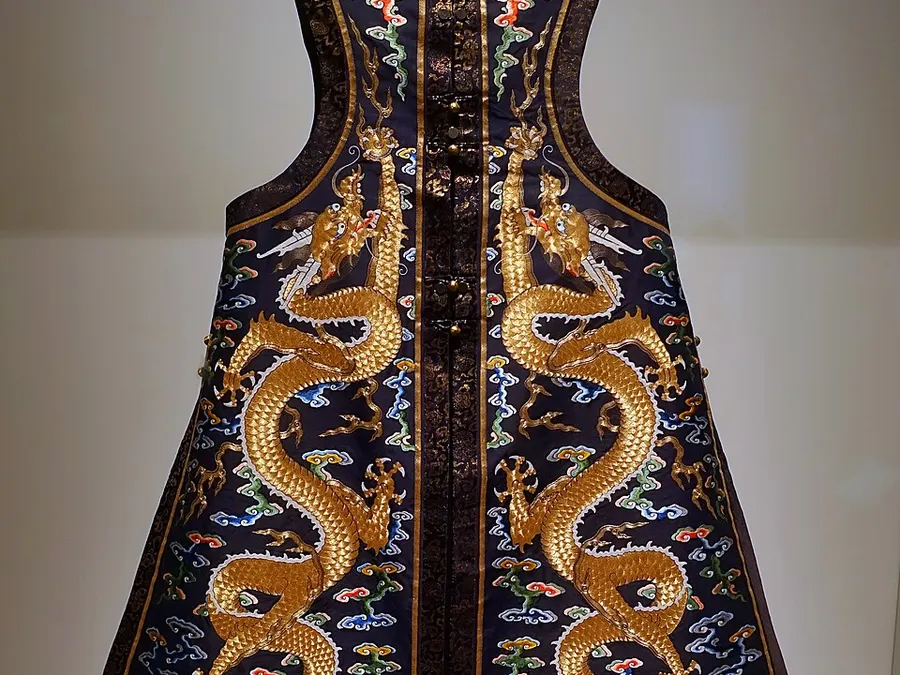
Bulk Silk Embroidery from China
Suzhou-style fine silk embroidery — panels, apparel, and framed art. Review 2 China supplier research records with explicit evidence status and buyer checks for retail, hospitality, gifting, and sourcing teams.
GreenFlip does not yet hold a verified MOQ, FOB price, or production lead time for Silk Embroidery from China. This page organises 2 research records by origin and craft. Public-web fields remain unconfirmed until the legal entity, production capability, current quotation, certificates, references, and sample are checked.
Evidence to request for Silk Embroidery
Textile checks: Confirm fibre composition, yarn and weave specification, dimensions, colourfastness, shrinkage, restricted dyes, care labelling, and repeat-order shade tolerance.
Silk Embroidery specification: Define ground fabric, fibre, stitch technique and density, motif placement, reverse finishing, dimensional tolerance, colour references, labour attribution, and whether framing or mounting is part of supply.
For China's production landscape and the checks that apply across every craft in the country, see the China sourcing hub.
Suppliers at a glance
2 suppliers| Supplier | City | MOQ | Price from | Lead time | Certifications | Evidence state | Profile |
|---|---|---|---|---|---|---|---|
| China Silk | 🇨🇳 China | Unconfirmed | Unconfirmed | Unconfirmed | Wrap (unverified)Oeko-tex (unverified)OEKO-TEX (unverified) | grounded | View → |
| Professional Custom Clothing | 🇨🇳 China | Unconfirmed | Unconfirmed | Unconfirmed | GOTS (unverified)OEKO-TEX (unverified)WRAP (unverified)BSCI (unverified) | grounded | View → |
Visual showcase
5 images · China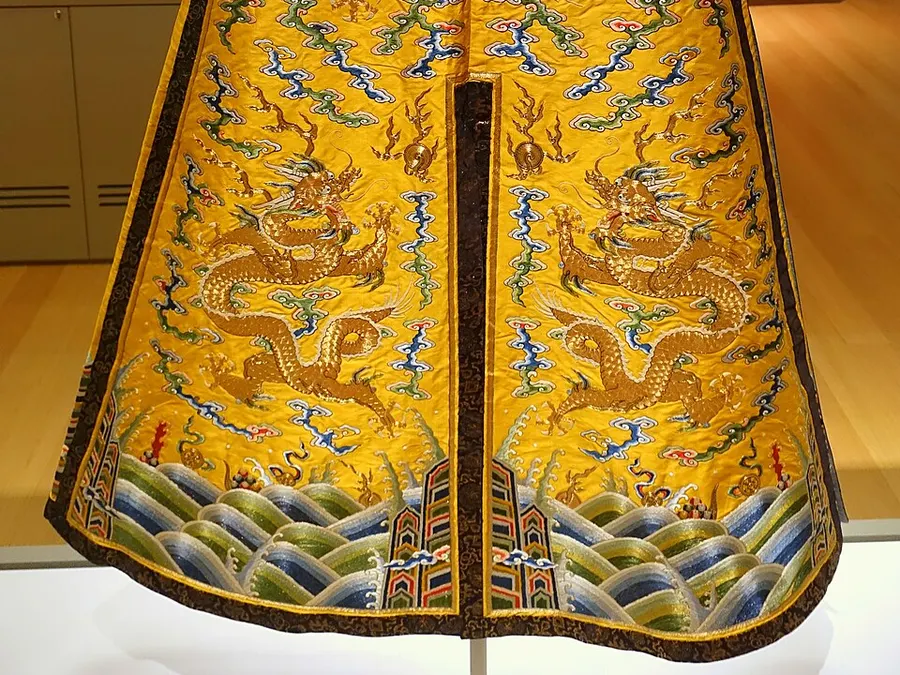
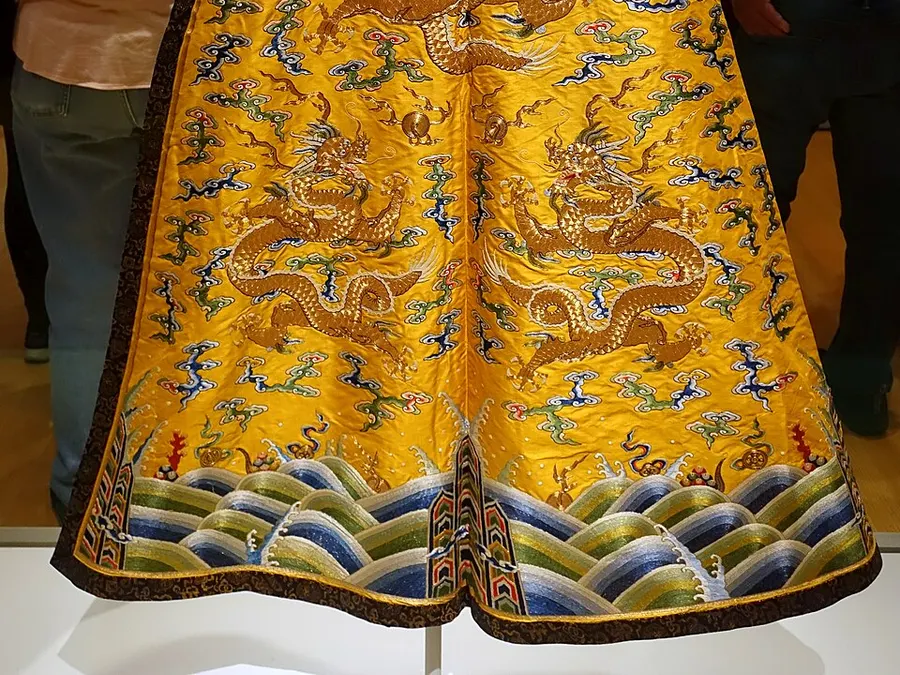
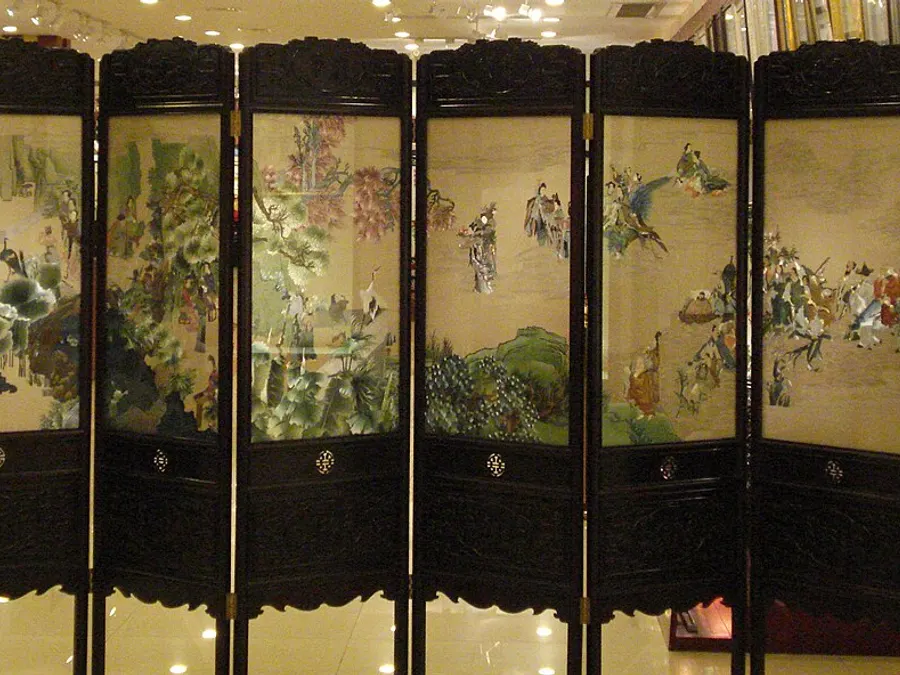
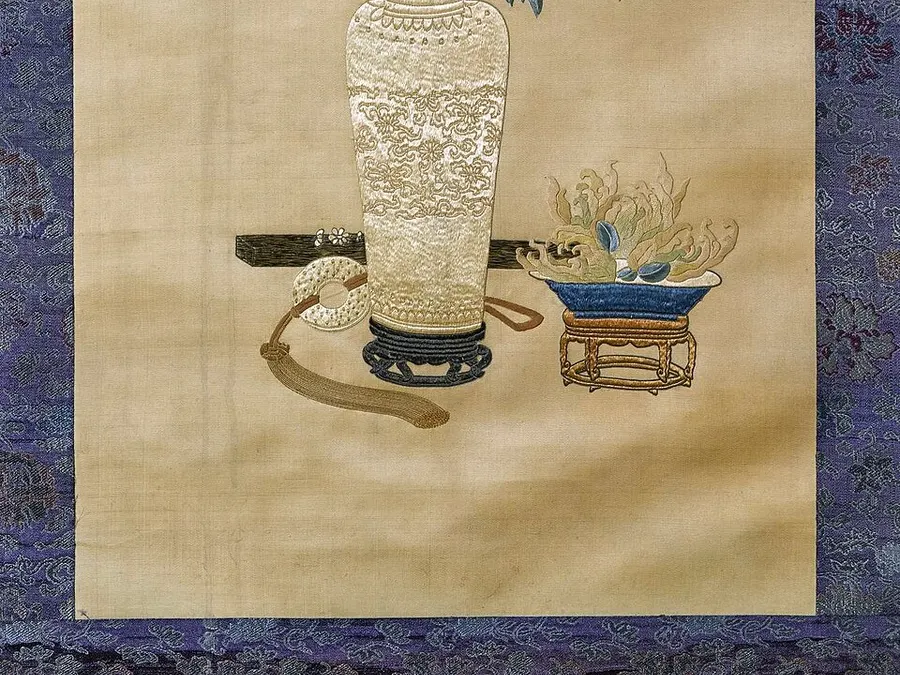
Images are illustrative and verified against our image rights policy. Supplier-provided, fair-trade media kits, or CC-licensed.
Supplier research records
These are leads, not endorsements. Commercial fields only count as confirmed when the profile state is verified.
China Silk
🇨🇳 China
Taihu Snow Silk is a Suzhou-based China silk manufacturer founded in 2002, offering custom and wholesale mulberry silk pillowcases, eye masks, bonnets, bedding, scarves and silk accessories with full OEM/ODM service. Low MOQ. OEKO-TEX certi
Professional Custom Clothing
🇨🇳 China
Leading custom clothing manufacturer specializing in EMF protection apparel, heated wear, ski clothing & fashion manufacturing. OEM/ODM services, low MOQ, global shipping. ISO certified quality with 500,000+ pieces monthly capacity. Private
How to source Silk Embroidery from China in bulk
- 1
Define your brief. Specify quantity per design, Textile grade, dimensions, finish, customisation, packaging, destination, arrival date and budget.
- 2
Research candidates. Use the 2 origin-and-craft records as leads, then verify identity, production capability, certificates, and references.
- 3
Request comparable quotations. Give each candidate the same specification and request a dated quotation, production schedule, sample plan, and named Incoterm.
- 4
Approve samples. Buy production-representative samples and record tolerances, finish, labelling, packing, and inspection criteria before committing to bulk.
- 5
Confirm and ship. Finalise the purchase order, payment protection, inspection, and freight only after the production schedule is confirmed in writing.
Frequently asked questions
What is the typical minimum order quantity for Suzhou-style silk embroidery, and what drives its price?
MOQ is often 1–5 pieces for fully custom designs and 10–20 for stock panels, because each piece is hand-stitched — fine Su Xiu work commonly takes 100+ hours of master embroiderer time for a single double-sided cat or fish panel. The biggest price drivers are stitch density, the fineness of thread splitting (true Su Xiu splits one mulberry silk thread into 1/16, 1/32, or even 1/48 filaments), and whether the piece is single-sided or double-sided (双面绣). Labor cannot be scaled like machine embroidery, so unit price falls only modestly with volume — most of the cost sits in the stitching, not the materials.
How do I inspect a finished Suzhou embroidery piece for defects before shipment?
First, turn the panel over: in genuine Su Xiu the back should be almost as clean as the front, with no knots, loose thread tails, or tangled strands — knots are considered a sign of inferior work. Next, compare color gradations against the approved sample; fine pieces use 20–60 subtly hand-dyed silk thread shades to render realistic shading, so check that transitions are smooth rather than banded. Finally, check the silk ground for puckering, uneven tension, yellowing, mildew spots, or any tiny holes from needle damage on the base fabric.
What silk threads and base fabrics should I expect in authentic Suzhou embroidery?
Authentic work uses 100% mulberry silk (桑蚕丝) threads that are hand-split into fine filaments, and a silk base cloth such as habotai, satin, or sheer silk organza, with the ground fabric weight matched to the piece's size and use. Cheaper substitutes — rayon or polyester thread on cotton — will not match the luster, dye depth, or stitch fineness of real silk, and they behave differently when steamed or blocked. For framed art, request the heavier satin ground; for scarf or qipao panels, ask for lighter habotai or organza so the piece drapes rather than buckles.
Can I supply my own artwork for custom Suzhou embroidery, and what are the OEM realities?
Yes, but the artwork must be reinterpreted by a Su Xiu pattern master (画稿) — fine photographic detail, very small text, and large flat color fields do not translate well to needlework. Expect a one-time pattern-setup and thread-dyeing fee, plus 2–4 extra weeks for custom color matching because each new shade requires hand-dyeing silk skeins to the master's spec. For apparel OEM (qipao insets, jacket panels, scarves), confirm seam allowances, ground fabric stability, and whether the embroidery sits within a single pattern piece, since Su Xiu panels are usually embroidered flat on a frame before being cut into the garment.
What certifications or provenance documents apply to Suzhou-style silk embroidery?
Suzhou embroidery (苏绣) is officially recognized on China's National List of Intangible Cultural Heritage, and pieces produced in the Suzhou region may carry a Geographical Indication (地理标志) mark issued by Chinese authorities — request the GI certificate number and the producing workshop's name. Look for the embroiderer's signature or seal stitched or written on the back, as Su Xiu is traditionally a named-artisan craft, and a documented lineage (师承) is itself a provenance signal. Be cautious: there is no single global 'authentic Su Xiu' standard, so GI documentation, workshop audit, and reference samples are the practical checks.
What are the key packing and shipping quirks for Suzhou silk embroidery?
Silk is highly sensitive to moisture, mildew, moths, and UV — every piece should be wrapped in acid-free tissue, sealed in a moisture-barrier bag with silica gel, and stored away from camphor or wooden materials that can off-gas. Framed panels must ship flat in rigid, corner-protected cartons; rolling is not acceptable, as it cracks dyed silk threads, flattens pile stitches, and distorts the embroidery face. For sea freight, request desiccant in every carton and avoid metal staples near the work, and instruct the carrier to keep the cartons out of direct sunlight to prevent yellowing of the silk ground.
What production lead time should I plan for bulk Silk Embroidery from China?
None of the 2 China Silk Embroidery records on file carries one, which is why the lead-time column reads Unconfirmed. Ask each candidate for a dated ex-works schedule and the transit time to your port as separate figures.
Which Incoterm and freight details should a China Silk Embroidery RFQ pin down?
Ex-works, FOB, and CIF prices for one Silk Embroidery order are three different numbers, so name the term and the destination port in the request or the quotes will not compare. Settle who books freight, who clears customs at each end, and the packing specification — handicraft cartons are usually volume-rated.
Browse Silk Embroidery by use case
Further reading on Silk Embroidery and China
Sourcing Guide: Handicrafts from China
A sourcing guide to China's craft heritage for bulk buyers: Jingdezhen porcelain, Suzhou silk and embroidery, cloisonné, jade carving, and lacquerware
Importing Handicrafts from China: A Complete Guide
Importing handicrafts from China: choosing the right production cluster, setting realistic MOQs, building inspection in, paying safely and clearing customs.
How we chose
We reviewed 2 China Silk Embroidery research records for this page on October 7, 2026. Inclusion means the record matches the origin and craft; it does not mean GreenFlip verified the business or its claims. Only verified records may contribute MOQ, price, lead time, certification, or wholesale Product structured data.