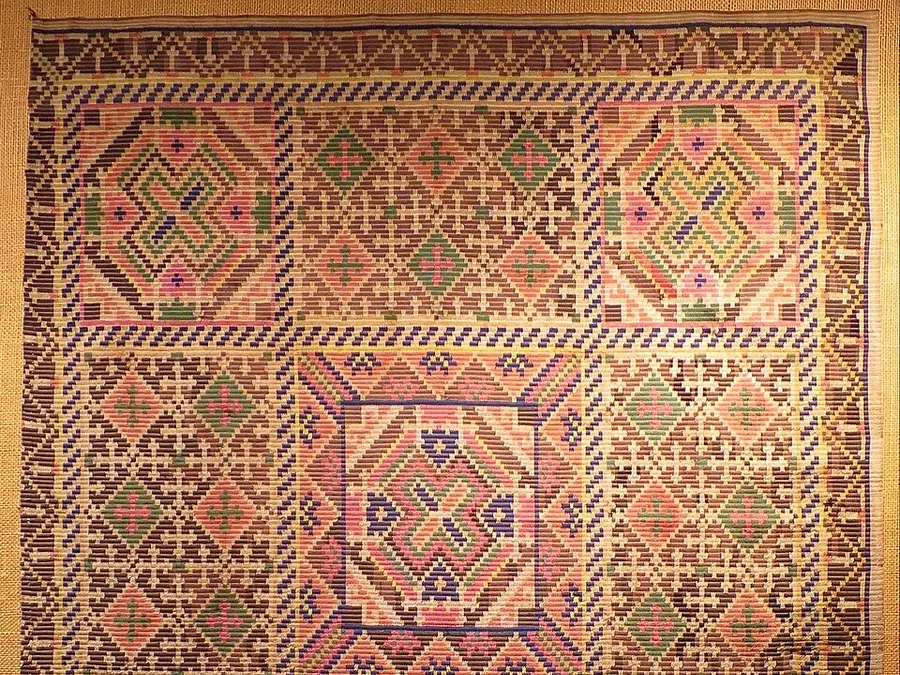
Bulk Ikat Textiles from Indonesia
Yarn-resist ikat weaving — fabrics, scarves, and panels. Review 3 Indonesia supplier research records with explicit evidence status and buyer checks for retail, hospitality, gifting, and sourcing teams.
GreenFlip does not yet hold a verified MOQ, FOB price, or production lead time for Ikat Textiles from Indonesia. This page organises 3 research records by origin and craft. Public-web fields remain unconfirmed until the legal entity, production capability, current quotation, certificates, references, and sample are checked.
Evidence to request for Ikat Textiles
Textile checks: Confirm fibre composition, yarn and weave specification, dimensions, colourfastness, shrinkage, restricted dyes, care labelling, and repeat-order shade tolerance.
For Indonesia's production landscape and the checks that apply across every craft in the country, see the Indonesia sourcing hub.
Suppliers at a glance
3 suppliersVisual showcase
6 images · Indonesia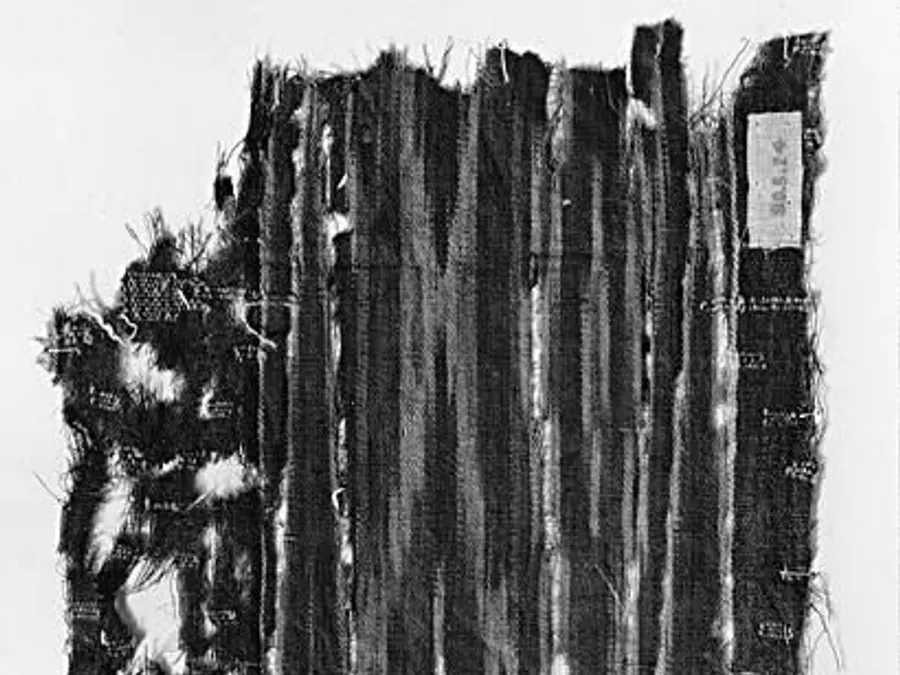
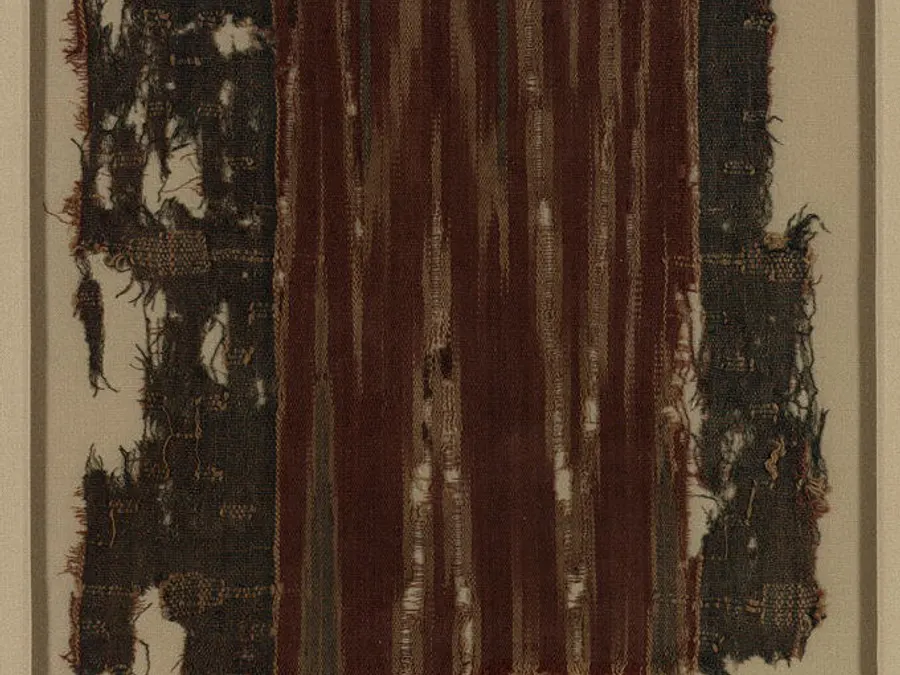
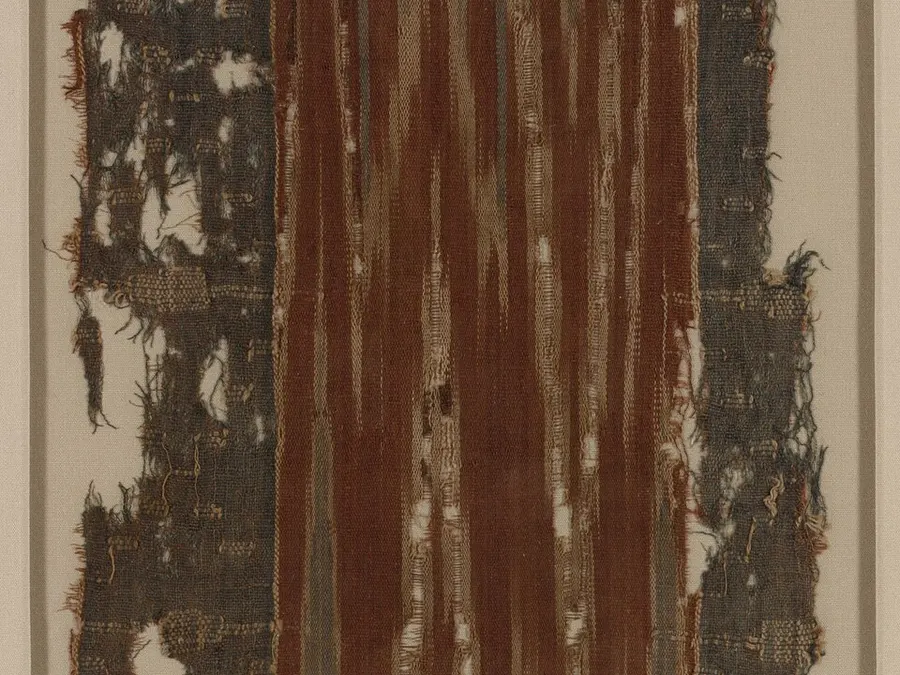
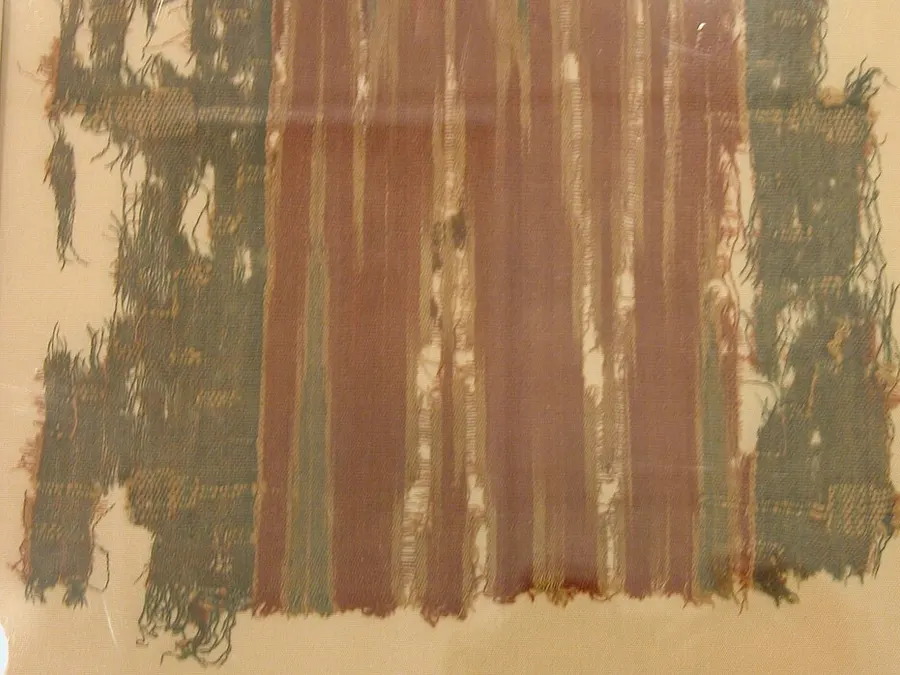
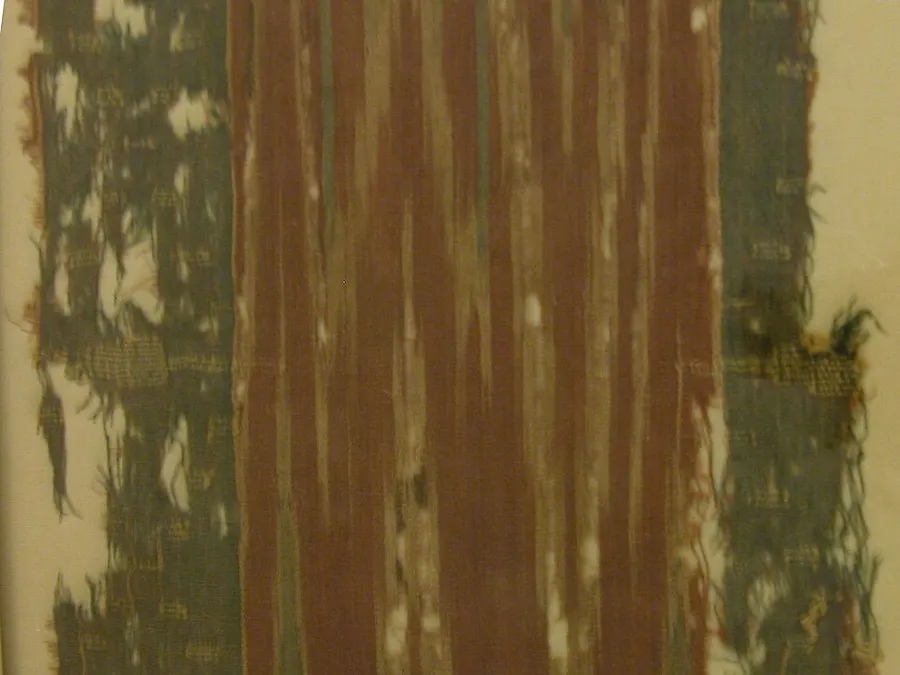
Images are illustrative and verified against our image rights policy. Supplier-provided, fair-trade media kits, or CC-licensed.
Supplier research records
These are leads, not endorsements. Commercial fields only count as confirmed when the profile state is verified.
IndonesiaCommodities
🇮🇩 Indonesian, Indonesia
Indonesia Export Company - Leading Indonesian exporters of palm oil, coal, nickel ore, rubber, coffee, textiles, minerals & more. Top Indonesian export commodities 2026. Buy Indonesian commodities from trusted export suppliers Indonesia. B2
BALI EXPORT
🇮🇩 Bali, Indonesia
Bali Manufacture and Wholesale Export, Balinese Furniture, Tropical Decor, Resort Furniture, Fabrics, Fashion Accessories, Bali Decor and Home-Wares, Bali Handicrafts, Ceramics, Bali Stone and Balinese Wooden Products.
Noesa
🇮🇩 Indonesia
Shop the large selection of Tenun Ikat, Batik, Anyaman made from the hands of artisans in Indonesia. Free shipping all over Indonesia. Worldwide flat rate.
How to source Ikat Textiles from Indonesia in bulk
- 1
Define your brief. Specify quantity per design, Textile grade, dimensions, finish, customisation, packaging, destination, arrival date and budget.
- 2
Research candidates. Use the 3 origin-and-craft records as leads, then verify identity, production capability, certificates, and references.
- 3
Request comparable quotations. Give each candidate the same specification and request a dated quotation, production schedule, sample plan, and named Incoterm.
- 4
Approve samples. Buy production-representative samples and record tolerances, finish, labelling, packing, and inspection criteria before committing to bulk.
- 5
Confirm and ship. Finalise the purchase order, payment protection, inspection, and freight only after the production schedule is confirmed in writing.
Frequently asked questions
What drives the MOQ and price for Indonesian yarn-resist ikat?
MOQ is anchored by the resist-binding step, where bundles of warp (and sometimes weft) yarns are hand-tied with dye-resistant fiber according to the pattern before any weaving begins, so a single color repeat may require hundreds of meters of yarn to be bound, dyed, and re-bound. Price is pushed up by handloom production, silk versus cotton fiber, pattern complexity (more colors = more binding and dye baths), and whether the piece is warp ikat, weft ikat, or double ikat. Commercial power-loom ikat or 'ikat-look' prints allow much lower minimums but trade authenticity of hand-feathered edges and slubby yarn character.
How can a bulk buyer judge quality and spot defects in ikat fabric?
Look closely at the pattern edges: authentic ikat has a characteristic slight feathering where dyed and undyed yarn meet, but excessive bleeding or smudging suggests the resist binding was loose or the dye bath was overworked. Check the selvage and weft for even tension; skewed, bowed, or wavy selvedges mean the loom was set up poorly and will be hard to cut into matched panels. Always rub a damp white cotton cloth over a swatch to test for crocking, and inspect how the pattern repeat joins at intended seam points before approving a production lot.
What fibers, dyes, and finishes are typical for Indonesian ikat?
Most export ikat is cotton (local, Indian, or American), with silk ikat from Bali, Sulawesi, and Lombok commanding premium pricing and rayon or viscose used for softer drape in scarves and shawls. Dyes range from natural indigo and morinda for heritage pieces to reactive and naphthol dyes for commercial runs, so ask whether the cloth has been pre-washed to remove excess dye and sizing. Common finishes include loom-state (crisp, requires buyer-side finishing), garment-washed/softened, and mercerized cotton for a subtle sheen suitable for home textiles.
What customization is realistic for an OEM ikat order, and where do projects fail?
You can specify color palette, motif scale (enlarging or shrinking the pattern), fabric width, and fiber content, but you cannot simply 'send a Pantone' for a handwoven piece - the design must first be translated into a binding matrix that defines which sections of yarn resist each dye bath. Custom development usually runs 8–16 weeks for sampling plus another 8–12 weeks for bulk, and each additional color adds a full bind-dye-dry cycle that compounds cost. Projects most often fail when buyers expect photographic edge precision; real hand ikat always shows the soft feathering that is part of its value.
Are there certifications or Geographical Indications relevant to Indonesian ikat?
Several weaving regions in Indonesia have pursued Geographical Indication (Indikasi Geografis) protection through the DGIP for specific ikat motifs and production methods, particularly in Nusa Tenggara and Sulawesi. For export safety, reputable mills can supply OEKO-TEX or independent lab reports confirming the cloth is free from AZO dyes and restricted heavy metals under EU REACH, and may also hold SNI (Standar Nasional Indonesia) textile compliance. Always request the certificate number, issuing lab, and a recent test report tied to the actual lot, because GI and safety documentation are frequently confused or misrepresented in the trade.
What packing and shipping considerations matter specifically for ikat textiles?
Fabric should be rolled on sturdy cardboard or PVC tubes rather than raw wood, which can trigger ISPM-15 fumigation rejection at destination, and wrapped in acid-free tissue to stop dye transfer between folds. Because many natural and reactive dyes can reactivate under high humidity, request silica gel packs and a moisture-barrier polybag inside the export carton, and avoid stuffing containers during known monsoon transitions. Scarves and panels are best flat-folded with interleaving tissue and packed in cartons kept under roughly 20 kg so the yarn texture is not crushed during container stacking.
What production lead time should I plan for bulk Ikat Textiles from Indonesia?
None of the 3 Indonesia Ikat Textiles records on file carries one — including the workshops in Indonesian, Bali, which is why the lead-time column reads Unconfirmed. Ask each candidate for a dated ex-works schedule and the transit time to your port as separate figures.
Which Incoterm and freight details should a Indonesia Ikat Textiles RFQ pin down?
Ex-works, FOB, and CIF prices for one Ikat Textiles order are three different numbers, so name the term and the destination port in the request or the quotes will not compare. Settle who books freight, who clears customs at each end, and the packing specification — handicraft cartons are usually volume-rated.
Browse Ikat Textiles by use case
Further reading on Ikat Textiles and Indonesia
How we chose
We reviewed 3 Indonesia Ikat Textiles research records for this page on October 7, 2026. Inclusion means the record matches the origin and craft; it does not mean GreenFlip verified the business or its claims. Only verified records may contribute MOQ, price, lead time, certification, or wholesale Product structured data.