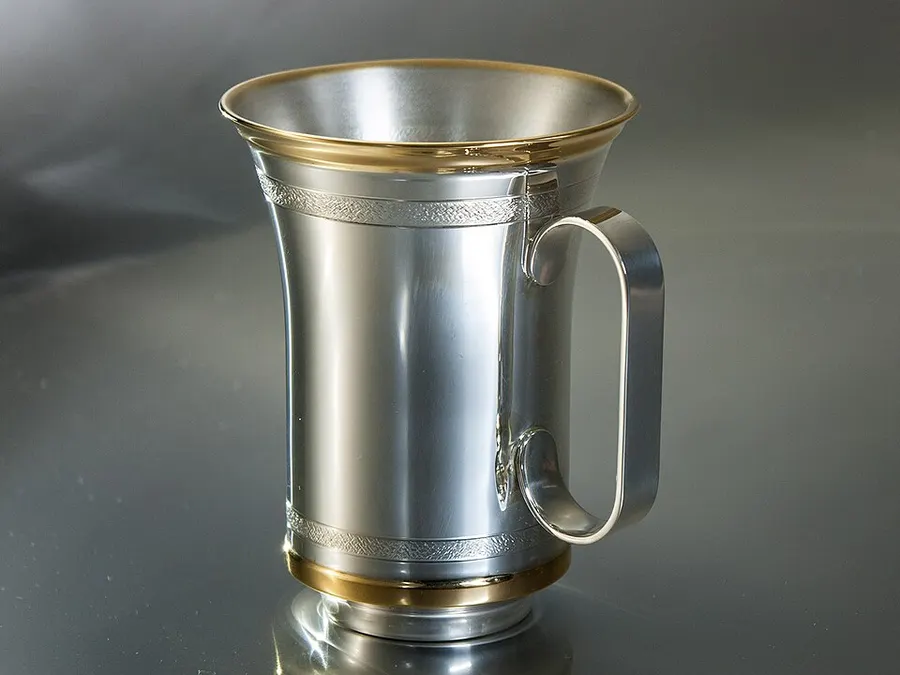
Bulk Silver Jewellery & Craft from Indonesia
Handmade sterling and fine silver jewelry, holloware, and decor. Review 4 Indonesia supplier research records with explicit evidence status and buyer checks for retail, hospitality, gifting, and sourcing teams.
GreenFlip does not yet hold a verified MOQ, FOB price, or production lead time for Silver Jewellery & Craft from Indonesia. This page organises 4 research records by origin and craft. Public-web fields remain unconfirmed until the legal entity, production capability, current quotation, certificates, references, and sample are checked.
Evidence to request for Silver Jewellery & Craft
Metal checks: Specify alloy, gauge, joining method, surface finish, coating, corrosion test, restricted-metal limits, and any food-contact requirement.
For Indonesia's production landscape and the checks that apply across every craft in the country, see the Indonesia sourcing hub.
Suppliers at a glance
4 suppliers| Supplier | City | MOQ | Price from | Lead time | Certifications | Evidence state | Profile |
|---|---|---|---|---|---|---|---|
| Bali Silver Export | 🇮🇩 Indonesia | Unconfirmed | Unconfirmed | Unconfirmed | grounded | View → | |
| Jewelrysilverwholesale | 🇮🇩 Indonesia | Unconfirmed | Unconfirmed | Unconfirmed | grounded | View → | |
| DERIS SILVER | 🇮🇩 Indonesia | Unconfirmed | Unconfirmed | Unconfirmed | grounded | View → | |
| Bali Craft And Jewelry By PLM Import/Export | 🇮🇩 Indonesia | Unconfirmed | Unconfirmed | Unconfirmed | grounded | View → |
Visual showcase
6 images · Indonesia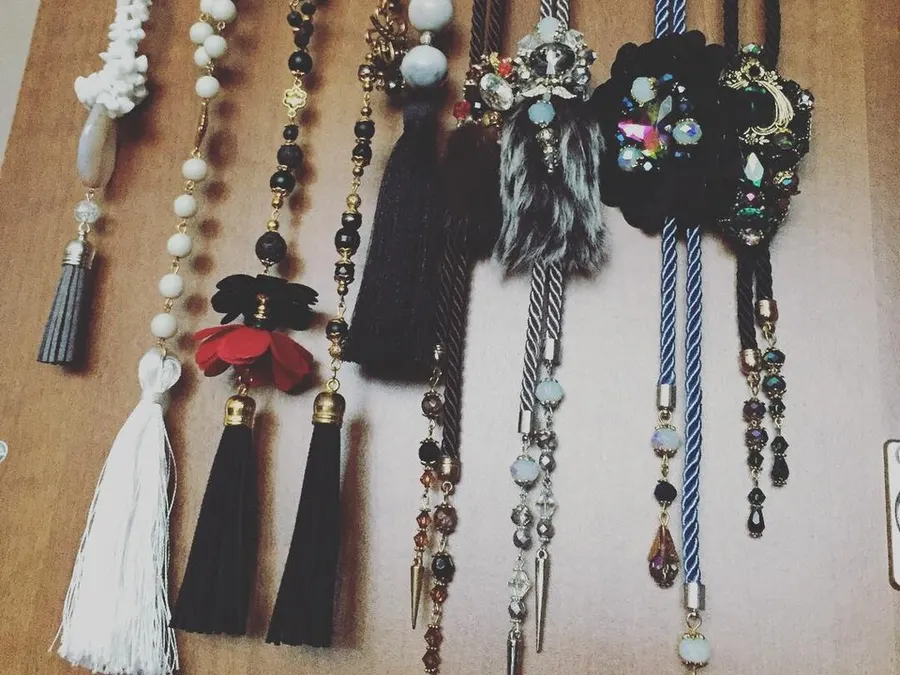
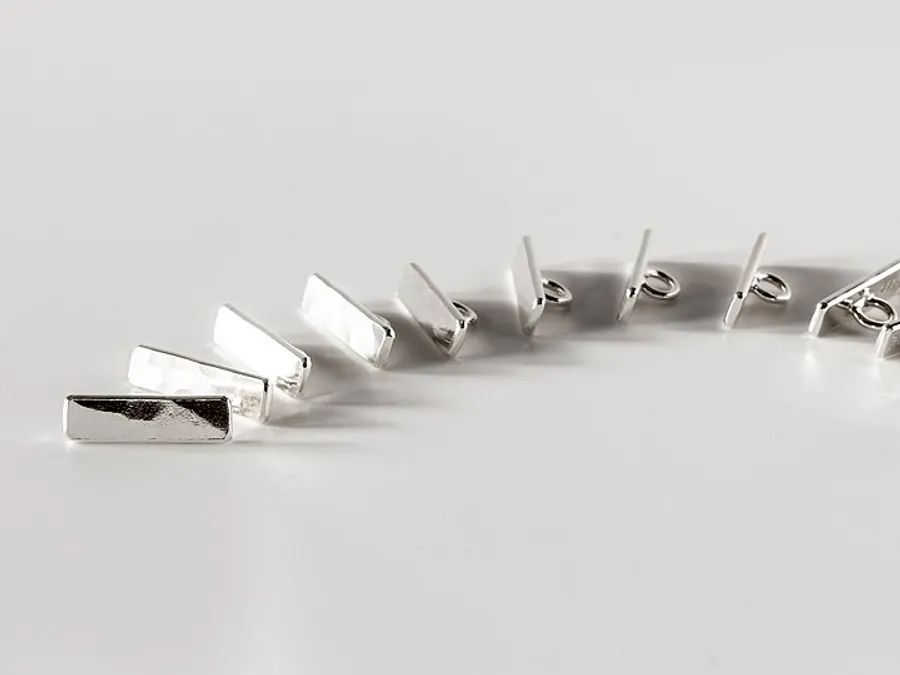
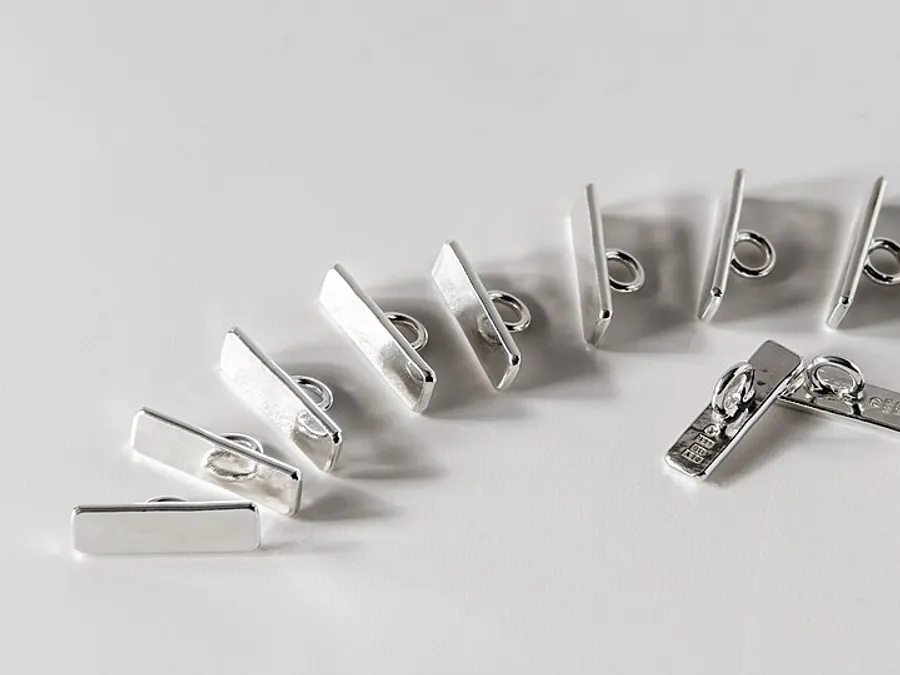
Images are illustrative and verified against our image rights policy. Supplier-provided, fair-trade media kits, or CC-licensed.
Supplier research records
These are leads, not endorsements. Commercial fields only count as confirmed when the profile state is verified.
Bali Silver Export
🇮🇩 Indonesia
Leading Bali silver jewelry manufacturer and exporter. Wholesale 925 sterling silver rings earrings necklaces bracelets. OEM custom designs low MOQ worldwide shipping from Celuk Village artisans.
Jewelrysilverwholesale
🇮🇩 Indonesia
Shop 5,000+ high-quality wholesale bali silver jewelry. Handcrafted 925 sterling silver at the best prices for retailers and resellers. Worldwide shipping.
DERIS SILVER
🇮🇩 Indonesia
Deris Silver Export Jewelry Manufacture bali, Deris Silver is a manufacturer of gold and exporter of Bali Sterling Silver Jewelry, has been exporting handmade and casting Bali silver jewelry to countries all over the world, we also accept p
Bali Craft And Jewelry By PLM Import/Export
🇮🇩 Indonesia
Bali Jewelry Manufacturers, located in Singapadu, Gianyar, Bali, Indonesia, offers a fully integrated solution for jewelry manufacturing, specializing in sterling silver jewelry. With experience in various jewelry types, they cater to indiv
How to source Silver Jewellery & Craft from Indonesia in bulk
- 1
Define your brief. Specify quantity per design, Metal grade, dimensions, finish, customisation, packaging, destination, arrival date and budget.
- 2
Research candidates. Use the 4 origin-and-craft records as leads, then verify identity, production capability, certificates, and references.
- 3
Request comparable quotations. Give each candidate the same specification and request a dated quotation, production schedule, sample plan, and named Incoterm.
- 4
Approve samples. Buy production-representative samples and record tolerances, finish, labelling, packing, and inspection criteria before committing to bulk.
- 5
Confirm and ship. Finalise the purchase order, payment protection, inspection, and freight only after the production schedule is confirmed in writing.
Frequently asked questions
What actually drives the per-piece price and MOQ on handmade silver jewelry and holloware from Indonesia, Mexico, and Peru?
The biggest single driver is the live silver spot price, so any quote has a short validity window and pieces are usually priced on finished gram weight plus a labor adder. MOQ then depends on construction method: cast sterling charms can run 50–100 pieces per design, while hand-forged Balinese granulation, Taxco filigree, or Peruvian hammered holloware often require 20–30 pieces minimum because each is shaped, soldered, and finished by a single artisan. Stone-set pieces and complex hollow-form vessels (teapots, goblets) push MOQ higher and lead times longer than flat cast items.
How do I judge whether a piece of sterling or fine silver is well made, and what defects should I specifically look for?
On sterling (925) look for visible fire scale or fire stain along solder seams — a sign the piece was not properly pickled or fluxed. Check that jump rings, bails, and ear posts are soldered closed (not just glued), that prongs sit flush on stones without gaps, and that the inside of rings and hollow beads is clean of burrs and flux residue. Weigh a random sample against the maker's declared gram weight — consistent underweighting is a common shortcut and a strong quality red flag.
Sterling 925, fine 999, and the higher-purity alloys from Peru and Mexico — how do they behave differently for finished jewelry and holloware?
Sterling 925 (92.5% silver, the rest usually copper) is harder and takes a brighter polish, making it the default for rings, chain, and stone-set work, but it tarnishes faster because of the copper content. Fine 999 is softer and more prone to denting, so it is best for holloware, bezels, and pieces where deep oxidation or keum-boo is planned. Mexican and Peruvian workshops often work in 950 or higher alloys that sit between the two in hardness, tarnish resistance, and color, and you should confirm the exact stamped standard on the piece before specifying it for a collection.
What does a realistic customization or OEM workflow look like for handmade silver, and where do costs stack up?
For cast collections the supplier will usually ask for a CAD file or a physical master, then produce a rubber or steel mold; mold cost and sample rounds (typically 3–5) are the main upfront spend and are amortized into the unit price once you clear their MOQ. For genuine hand-forged or filigree work there is no mold — a master artisan works from your drawing or sample, so changes to silhouette, gauge, or stone size are expensive after the first sample. Plating (rhodium, gold vermeil, black rhodium) and oxidized patinas add a separate production step and a matching lab-dip or strike sample that must be approved before bulk runs.
Which hallmarks, stamps, and documentation should I expect on silver from Bali, Taxco, and Peru, and what do they actually prove?
A '925' stamp is the international convention for sterling but only certifies the alloy, not the maker or origin. Mexican pieces often carry additional marks such as the eagle/numeral guarantee stamp registered with the federal standards body, and Taxco workshops typically sign with their own maker cartouche. Bali and Java workshops commonly use a '925' or '999' mark plus a workshop stamp, while Peruvian silver is often stamped 950 or 999 with the workshop's initials. For export you should also ask for nickel-release and REACH test reports, Responsible Jewellery Council chain-of-custody paperwork if the silver is claimed recycled, and any CA Prop 65 documentation if you ship to the US.
How should silver jewelry and holloware be packed and shipped to avoid tarnish, damage, and customs problems in bulk?
Each piece should go into an individual anti-tarnish sleeve or sealed poly bag with a tarnish-strip tablet, then into compartmentalized boxes so chains and ear wires cannot scratch polished surfaces — sterling and high-polish fine silver will visibly mark within days of rubbing together in transit. For customs, declare the pieces under the correct HS heading for silver jewelry and state both the intrinsic silver value (for insurance) and the finished good value separately, otherwise under-declaration can void a claim if a shipment is lost. Keep the packing area low humidity, avoid cardboard with high sulfur content, and request desiccant in master cartons for sea freight to Southeast Asia, the EU, and the US East Coast where container condensation is common.
What production lead time should I plan for bulk Silver Jewellery & Craft from Indonesia?
None of the 4 Indonesia Silver Jewellery & Craft records on file carries one, which is why the lead-time column reads Unconfirmed. Ask each candidate for a dated ex-works schedule and the transit time to your port as separate figures.
Which Incoterm and freight details should a Indonesia Silver Jewellery & Craft RFQ pin down?
Ex-works, FOB, and CIF prices for one Silver Jewellery & Craft order are three different numbers, so name the term and the destination port in the request or the quotes will not compare. Settle who books freight, who clears customs at each end, and the packing specification — handicraft cartons are usually volume-rated.
Browse Silver Jewellery & Craft by use case
Further reading on Silver Jewellery & Craft and Indonesia
How we chose
We reviewed 4 Indonesia Silver Jewellery & Craft research records for this page on October 7, 2026. Inclusion means the record matches the origin and craft; it does not mean GreenFlip verified the business or its claims. Only verified records may contribute MOQ, price, lead time, certification, or wholesale Product structured data.