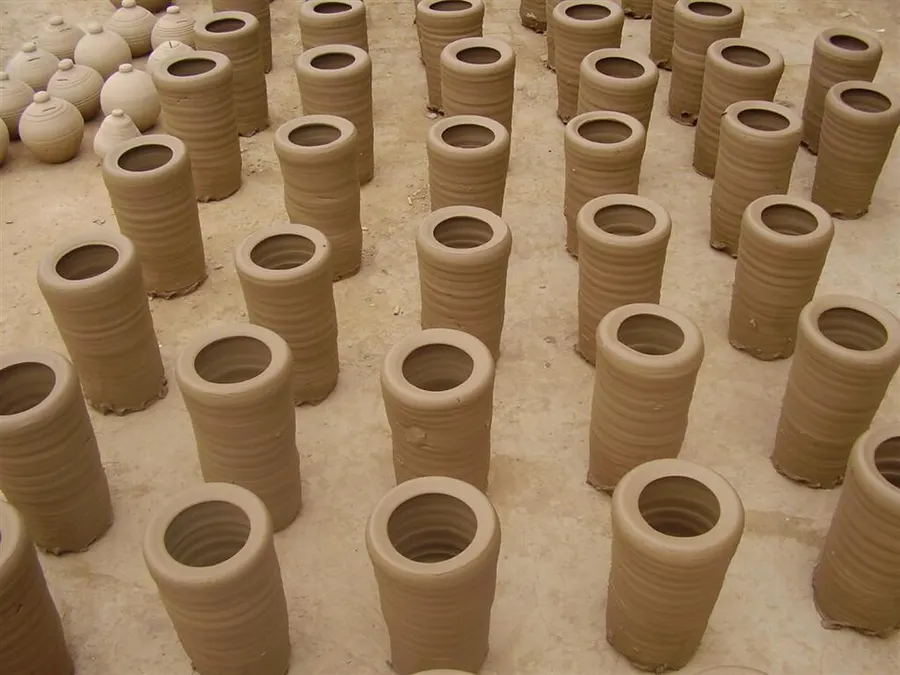
Bulk Ceramic & Terracotta from Morocco
Terracotta, blue pottery, stoneware, and hand-glazed ceramics. Review 1 Morocco supplier research records with explicit evidence status and buyer checks for retail, hospitality, gifting, and sourcing teams.
GreenFlip does not yet hold a verified MOQ, FOB price, or production lead time for Ceramic & Terracotta from Morocco. This page organises 1 research records by origin and craft. Public-web fields remain unconfirmed until the legal entity, production capability, current quotation, certificates, references, and sample are checked.
Evidence to request for Ceramic & Terracotta
Ceramic checks: Specify body and firing method, glaze and decoration, lead and cadmium migration limits, food-contact scope, crazing and thermal-shock tests, and breakage allowance.
For Morocco's production landscape and the checks that apply across every craft in the country, see the Morocco sourcing hub.
Suppliers at a glance
1 suppliers| Supplier | City | MOQ | Price from | Lead time | Certifications | Evidence state | Profile |
|---|---|---|---|---|---|---|---|
| Sourcing Morocco | 🇲🇦 Morocco | Unconfirmed | Unconfirmed | Unconfirmed | grounded | View → |
Visual showcase
6 images · Morocco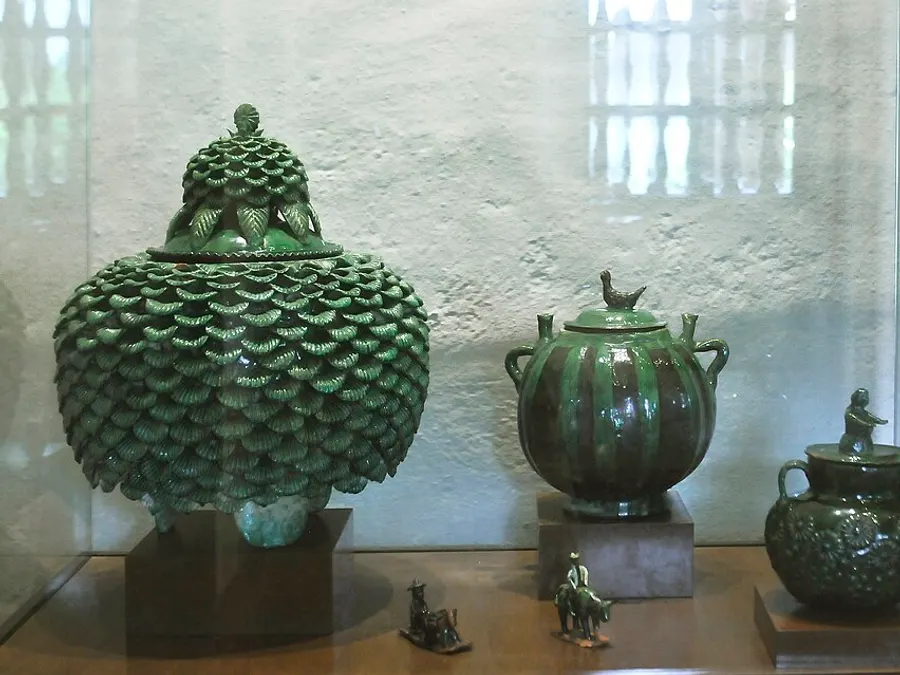
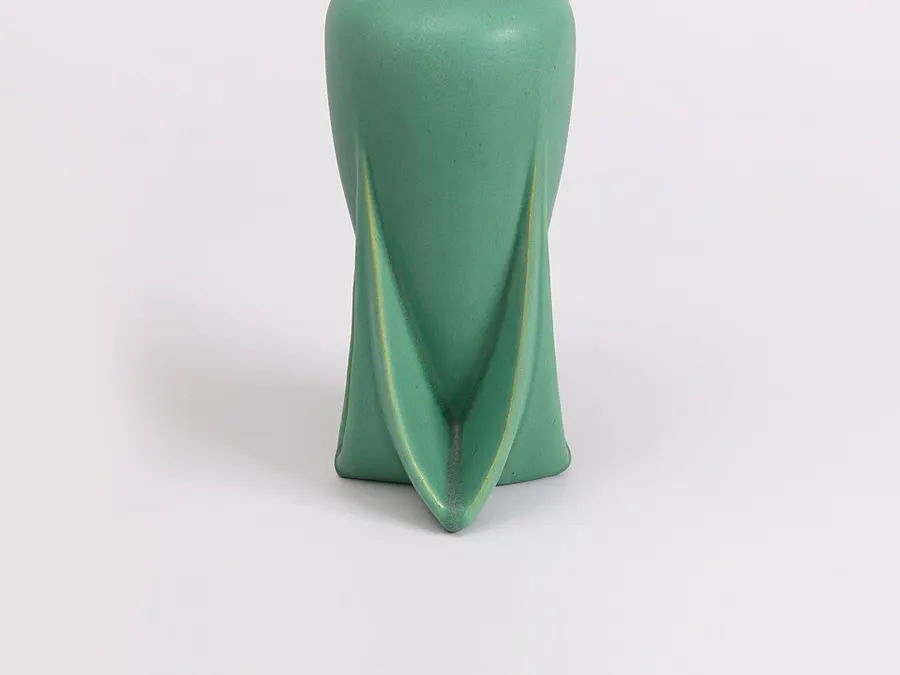
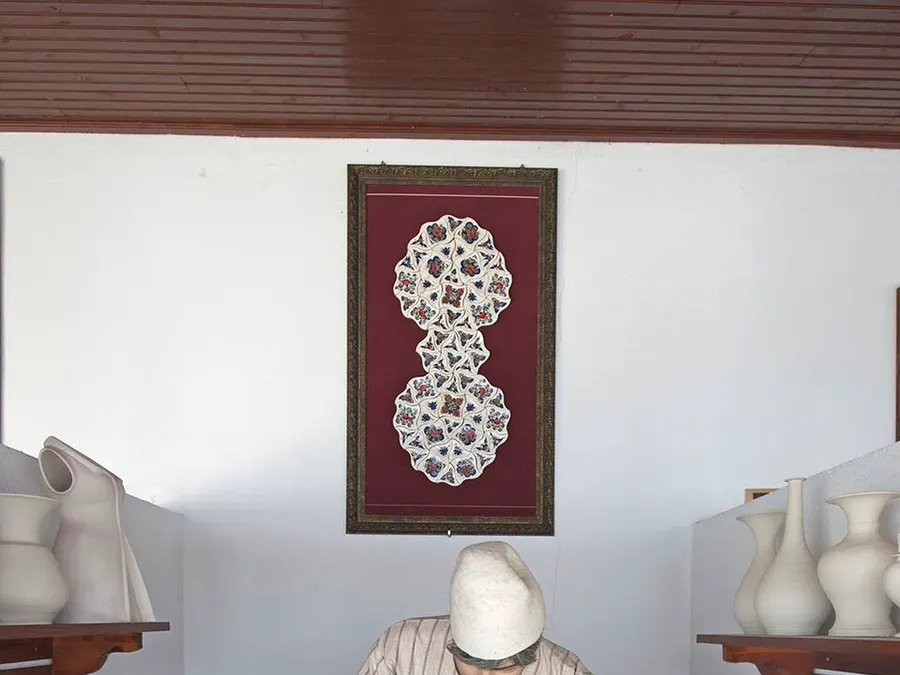
Images are illustrative and verified against our image rights policy. Supplier-provided, fair-trade media kits, or CC-licensed.
Supplier research records
These are leads, not endorsements. Commercial fields only count as confirmed when the profile state is verified.
How to source Ceramic & Terracotta from Morocco in bulk
- 1
Define your brief. Specify quantity per design, Ceramic grade, dimensions, finish, customisation, packaging, destination, arrival date and budget.
- 2
Research candidates. Use the 1 origin-and-craft record as leads, then verify identity, production capability, certificates, and references.
- 3
Request comparable quotations. Give each candidate the same specification and request a dated quotation, production schedule, sample plan, and named Incoterm.
- 4
Approve samples. Buy production-representative samples and record tolerances, finish, labelling, packing, and inspection criteria before committing to bulk.
- 5
Confirm and ship. Finalise the purchase order, payment protection, inspection, and freight only after the production schedule is confirmed in writing.
Frequently asked questions
What actually drives MOQ and unit price for ceramic and terracotta pieces?
MOQ is set by kiln capacity, not by piece count — a single stoneware firing at 1200–1280°C may run 8–12 hours, so suppliers quote per kiln-load, which means a small planter order often pulls 100–300 units minimum. Hand-glazing and hand-painting (especially Moroccan zellige-style work and Jaipur blue pottery) is the biggest labor cost driver, so prices scale steeply with the number of glaze coats and detail work. Custom mold amortization for slip-cast stoneware or press-molded terracotta also gets priced into the first run.
How do I judge quality and spot defects in glazed ceramics and terracotta?
Inspect glazes under raking light for pinholes, crazing (fine crack networks), and crawling where the glaze has pulled away from the body — these are the three most common rejection reasons. For unglazed terracotta, check rims and feet for chips, and look for efflorescence (white salt bloom) which signals either damp bisque or a body with soluble salts. On Jaipur blue pottery, expect visible variation in the cobalt brushwork, but flaking paint or hairline cracks running through the body are defects, not character.
What materials and finishes define each of the four styles you source?
Terracotta is iron-rich red earthenware, typically fired low (around 1000°C), porous, and either left raw, waxed, or sealed with a matte finish. Jaipur blue pottery is unusual — its body contains no clay at all, but is a paste of quartz powder, glass cullet, multani mitti, borax, and gum, painted with cobalt oxide and fired around 800–900°C. Turkish and Moroccan stoneware is vitrified at high fire and often carries a tin-oxide white slip under colored glazes; always confirm the glazes are lead-free and rated food-safe for any tableware use.
What are the real customization and OEM constraints for this craft?
New shapes require a mold or master form, which for slip-cast stoneware typically adds several hundred USD per design and 3–6 weeks of sampling before bulk production can start. Glaze color matching is judged visually on the line, so send a physical master sample plus a tolerance reference and accept slight batch-to-batch drift. Hand-painted blue pottery motifs cannot be replicated with print precision — treat customization here as artistic variation, and approve a range sample (not a single piece) before sign-off.
Which certifications, lab tests, or provenance documents should I require?
For any food-contact piece, require lead and cadmium release test reports aligned with US FDA 21 CFR, EU LFGB, or California Prop 65 limits — these are the three jurisdictions buyers most often face. Jaipur Blue Pottery holds a registered Indian Geographical Indication (GI) tag, which is a useful authenticity marker for that specific style. Morocco and Turkey have no single ceramics GI, so ask the supplier for workshop provenance, kiln type (gas vs electric), and a signed origin certificate for premium lines.
What packing and shipping quirks should I plan for with ceramic and terracotta?
Unglazed terracotta is hygroscopic and can arrive with mold, salt bloom, or dampness after a long sea voyage — insist on kiln-dry product, silica-gel desiccants, and a moisture-barrier inner liner. All ceramics need double-walled corrugated cartons with cell dividers and shrink-wrapped palletization, with a 3–5% breakage allowance built into the order; never stack nested pieces without foam separators. Winter transits through cold zones can trigger glaze crazing in already-stressed ware, so request a kiln-to-carton photo log for high-value containers and consider airfreight for first-time suppliers.
What production lead time should I plan for bulk Ceramic & Terracotta from Morocco?
The single Morocco Ceramic & Terracotta record on file does not carry one, which is why the lead-time column reads Unconfirmed. Ask each candidate for a dated ex-works schedule and the transit time to your port as separate figures.
Which Incoterm and freight details should a Morocco Ceramic & Terracotta RFQ pin down?
Ex-works, FOB, and CIF prices for one Ceramic & Terracotta order are three different numbers, so name the term and the destination port in the request or the quotes will not compare. Settle who books freight, who clears customs at each end, and the packing specification — handicraft cartons are usually volume-rated.
Browse Ceramic & Terracotta by use case
Further reading on Ceramic & Terracotta and Morocco
Sourcing Thai Celadon Glazeware in Bulk
Buying celadon stoneware from Thailand and Vietnam: the crackle glaze, reduction firing, food-contact testing, defect grading, kiln economics and packing.
Sourcing Moroccan Ceramics and Zellige in Bulk
Fes, Safi and Tamegroute pottery and Fes zellige explained: the lead glaze question on serving ware, frost resistance, size variation and crate packing.
Prop 65 Warnings for Imported Home Decor
Explain California Proposition 65 for imported home decor and ceramics: listed chemicals (lead, cadmium in glazes), warning labels, and testing
OEM vs ODM vs Private Label in Handicraft Sourcing
Explain OEM, ODM, and private label in the context of sourcing handicrafts: what each means, typical minimums, and when to choose each
How we chose
We reviewed 1 Morocco Ceramic & Terracotta research record for this page on October 7, 2026. Inclusion means the record matches the origin and craft; it does not mean GreenFlip verified the business or its claims. Only verified records may contribute MOQ, price, lead time, certification, or wholesale Product structured data.