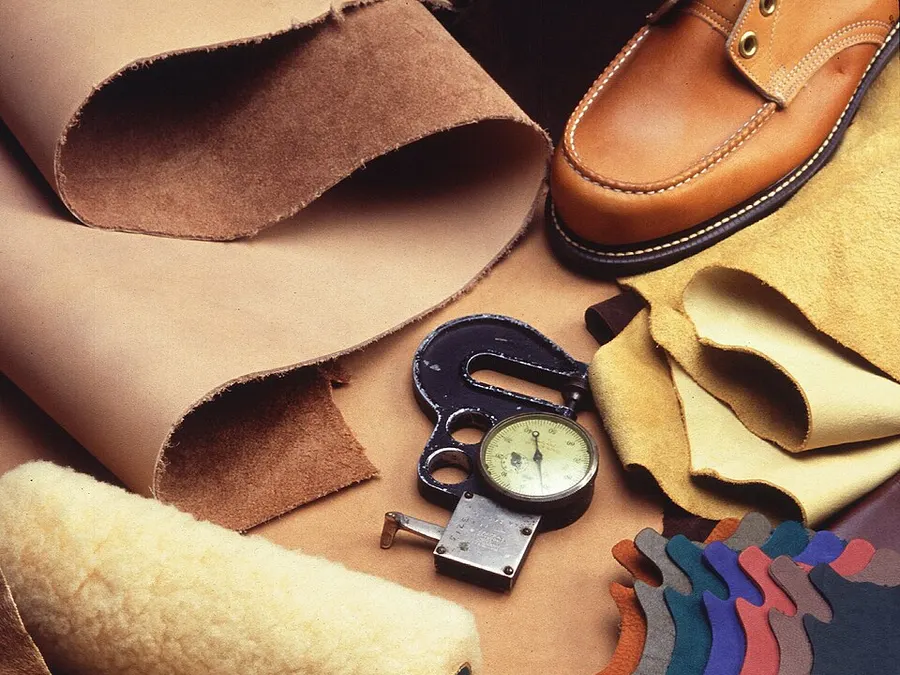
Bulk Leather Handicraft from India
Handtooled leather goods, bags, journals, and OEM accessories. Review 2 India supplier research records with explicit evidence status and buyer checks for retail, hospitality, gifting, and sourcing teams.
GreenFlip does not yet hold a verified MOQ, FOB price, or production lead time for Leather Handicraft from India. This page organises 2 research records by origin and craft. Public-web fields remain unconfirmed until the legal entity, production capability, current quotation, certificates, references, and sample are checked.
Evidence to request for Leather Handicraft
Leather checks: Confirm animal species, tannage, leather grade, restricted chemicals, dye transfer, hardware composition, stitch specification, lining, and care labelling.
Leather Handicraft specification: State whether the product needs full-grain, top-grain, split, or bonded material and whether vegetable or chrome tannage is acceptable; also define edge finishing, lining, hardware, and rub-fastness.
For India's production landscape and the checks that apply across every craft in the country, see the India sourcing hub.
Suppliers at a glance
2 suppliersVisual showcase
6 images · India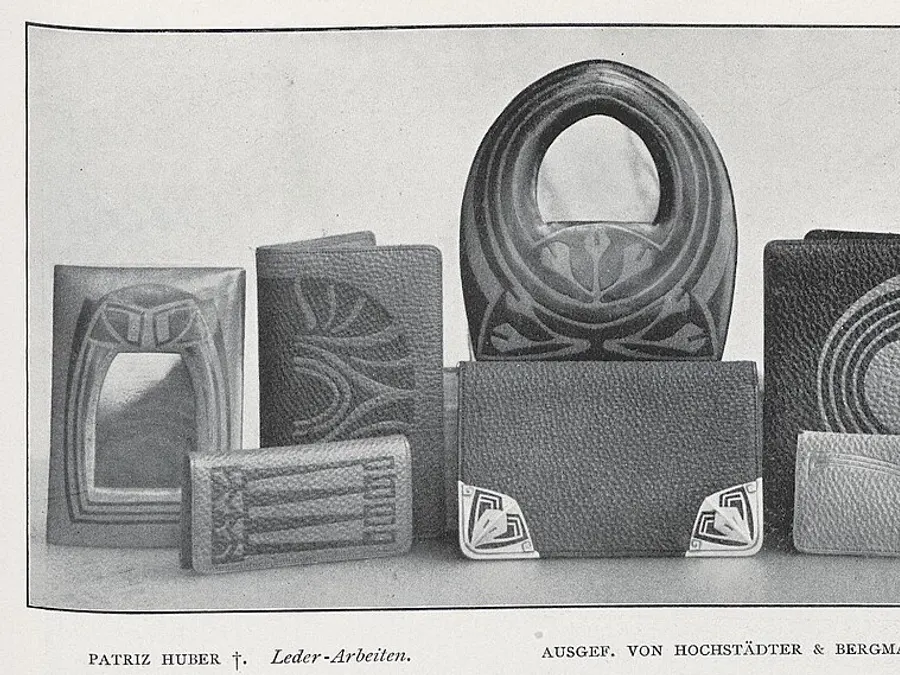
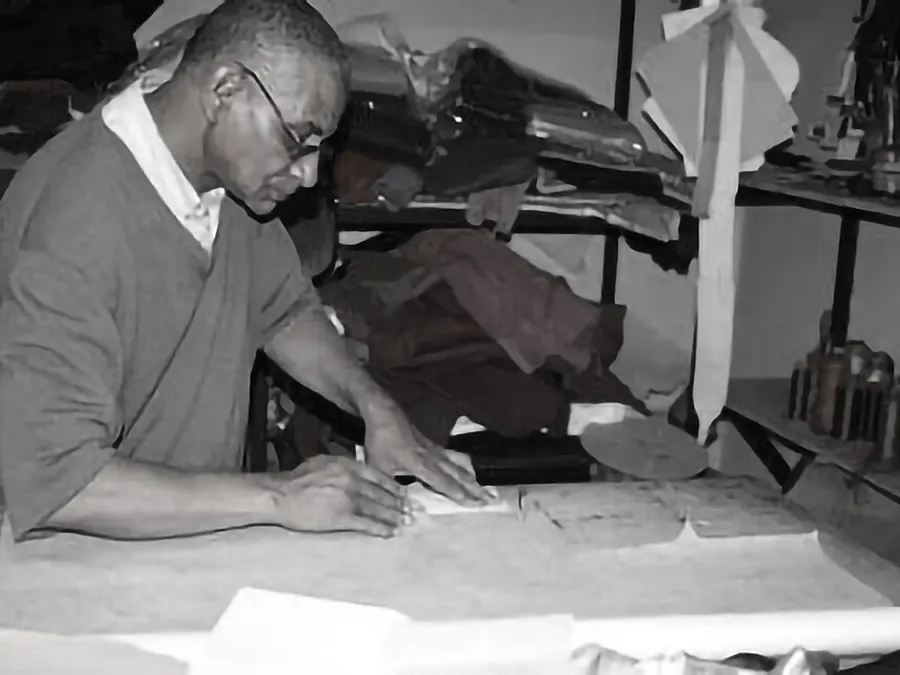
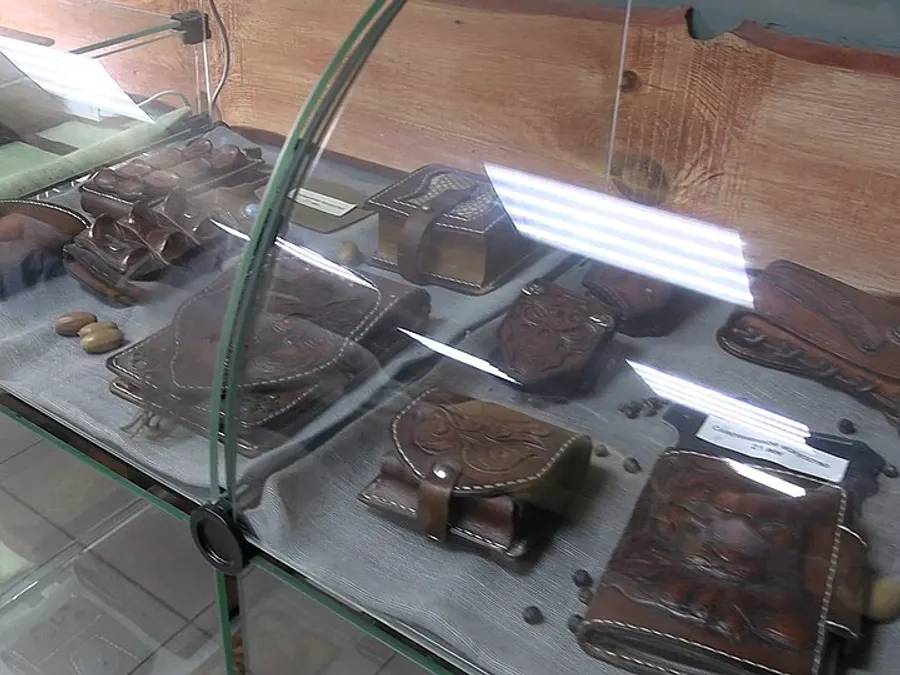
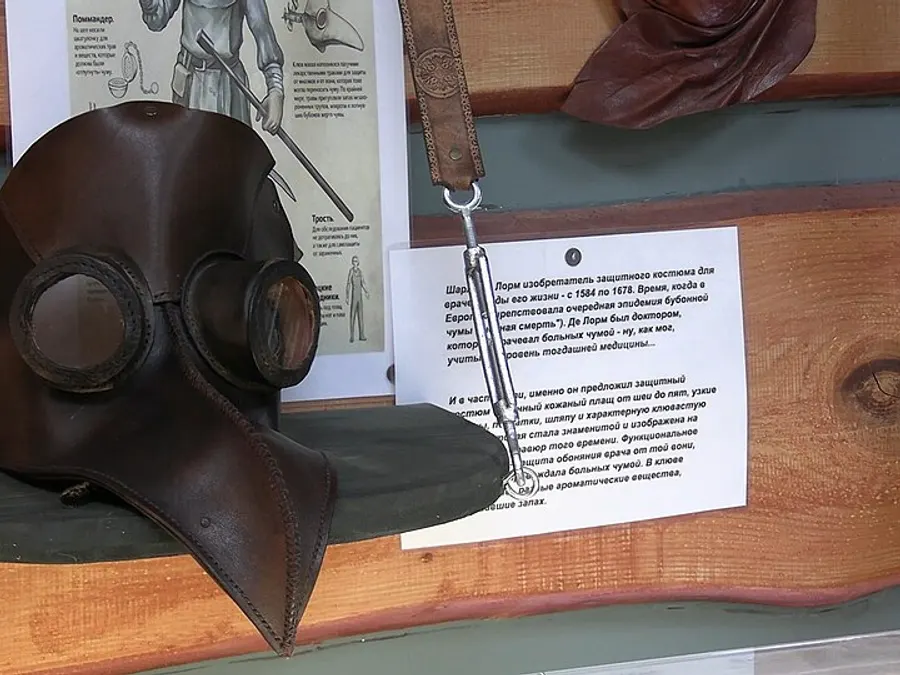
Images are illustrative and verified against our image rights policy. Supplier-provided, fair-trade media kits, or CC-licensed.
Supplier research records
These are leads, not endorsements. Commercial fields only count as confirmed when the profile state is verified.
B2B Leather Accessories
🇮🇳 India
Maharya Inc. — WRAP, C-TPAT, SEDEX & ISO certified leather accessories manufacturer and exporter. Serving global brands since 1999.
naviexports.com
🇮🇳 Agriculture, India
Connect with 200+ verified Indian exporters across 51 categories. Register free and source Agriculture, Textiles, Gems & more globally.
How to source Leather Handicraft from India in bulk
- 1
Define your brief. Specify quantity per design, Leather grade, dimensions, finish, customisation, packaging, destination, arrival date and budget.
- 2
Research candidates. Use the 2 origin-and-craft records as leads, then verify identity, production capability, certificates, and references.
- 3
Request comparable quotations. Give each candidate the same specification and request a dated quotation, production schedule, sample plan, and named Incoterm.
- 4
Approve samples. Buy production-representative samples and record tolerances, finish, labelling, packing, and inspection criteria before committing to bulk.
- 5
Confirm and ship. Finalise the purchase order, payment protection, inspection, and freight only after the production schedule is confirmed in writing.
Frequently asked questions
What MOQ should we expect for handtooled leather bags, journals, and accessories, and what actually moves it up or down?
For genuinely handtooled (swivel-knife carved and bevel-stamped) pieces, MOQs from Indian and Moroccan workshops typically start around 50–150 units per style, because each artisan can only output a handful of fully carved panels per day. Embossed or machine-pressed logos are far less labor-intensive and can drop MOQs to 30–50, while a custom-carved master pattern adds a one-time tooling/setup fee and usually 2–4 weeks of sample development. Hide yield matters too: full-grain, veg-tan sides have irregular shapes, so a tote or tote-with-flap pattern that wastes 35–40% of a side effectively raises the per-piece cost at low volumes.
How do we judge the quality of handtooled leather and what defects should we inspect on a pre-shipment sample?
On the surface, look for consistent tool impression depth and spacing — shallow, uneven, or "tired" stamps indicate a rushed or inexperienced carver. Check that bevels are clean (no torn grain) and that the background tooling has been properly beveled down so the design reads in relief. Other common defects include grain break or flaking on the bend area, uneven aniline dye penetration, edge paint that chips at corners, loose or skipping saddle stitching, exposed glue at linings, and a waxy/oily smell that suggests over-conditioned hides masking dryness.
What leather types and finishes are typical from Indian vs Moroccan workshops, and how do they age?
Indian tanneries dominate in chrome-tanned cow and buffalo with a wide range of pigmented, semi-aniline, and pull-up finishes — these are stable, color-consistent, and good for fashion bags that should not vary much between batches. Moroccan production skews toward vegetable-tanned goat and cow, often with natural dyes, which develops a visible patina and darkens in sun-exposed areas within weeks. If your buyer wants a bag that 'looks better with age,' specify full-grain veg-tan from Morocco; if they want a uniform corporate gift that looks identical out of the box, a pigmented Indian chrome-tan is the safer call.
What level of customization is realistic for OEM handtooled leather, and where do projects typically fail?
Logo debossing on a stock blank is the easiest and cheapest route and can often be done at MOQ. A fully custom hand-carved pattern requires the buyer to provide vector artwork and approve a paper sketch, a veg-tan test panel, and a pre-production sample — expect 3–4 weeks of sampling and a tooling master charge. Custom hardware (buckles, zippers, embossed metal logos) usually carries a separate factory minimum of 500–1,000 pieces per finish. Projects most often fail on unrealistic Pantone matching: aniline and veg-tan leathers cannot hit fluorescent or pastel PMS shades, so final colors will always sit a few tones darker and warmer than the swatch.
Which compliance documents and certifications should we request before shipping handtooled leather into the EU, US, and UK?
At minimum ask for REACH compliance with a test report confirming chromium VI below the limit in leather articles (Annex XVII), plus an AZO dye and PCP/PCBT test report on finished goods. For the US, California Prop 65 compliance on heavy metals and a general CPSIA test for children's leather goods if applicable. For any exotic skins (camel, ostrich, python) request the CITES export permit from the source country and the matching import permit; India and Morocco are both CITES parties, and without those papers containers are held at customs. Tannery traceability and a clear country-of-origin statement are also required on the commercial invoice for duty calculation.
What packing and shipping practices actually matter for finished leather goods on long ocean shipments?
Leather is hygroscopic — it absorbs moisture in humid containers and can develop surface mold or white efflorescence (salt bloom) on chrome-tan, so request silica-gel desiccants inside each polybag and a humidity indicator card in the master carton. Avoid sealed vacuum bags for more than a few weeks, as trapped moisture will cloud aniline finishes and cause edge paint to lift; breathable PE or non-woven wraps are better. Stack flat where possible, with acid-free tissue between finished surfaces, because stacked embossed panels under pressure in a hot container can permanently flatten relief work. Finally, insist on heat-treated pallets and a container that has not previously carried chemicals, since residual fumes will penetrate unfinished leather and cannot be reversed.
What production lead time should I plan for bulk Leather Handicraft from India?
None of the 2 India Leather Handicraft records on file carries one — including the workshop in Agriculture, which is why the lead-time column reads Unconfirmed. Ask each candidate for a dated ex-works schedule and the transit time to your port as separate figures.
Which Incoterm and freight details should a India Leather Handicraft RFQ pin down?
Ex-works, FOB, and CIF prices for one Leather Handicraft order are three different numbers, so name the term and the destination port in the request or the quotes will not compare. Settle who books freight, who clears customs at each end, and the packing specification — handicraft cartons are usually volume-rated.
Browse Leather Handicraft by use case
Further reading on Leather Handicraft and India
REACH Compliance for Textile & Leather Imports (EU)
REACH for textile and leather handicrafts entering the EU: restricted dyes and tanning chemicals, substances of very high concern, supplier declarations.
Pashmina and Cashmere: A Bulk Buyer's Guide
Buying pashmina and cashmere in bulk: micron grades, collective marks, fibre-content testing, blends, labelling law and the shahtoosh red line.
Handicraft Sourcing Trends 2025
Four forces reshaping handicraft sourcing in 2025: verifiable sustainability, shifting supplier geography, AI-assisted sourcing and new craft categories.
Incoterms 2020 Explained: EXW, FOB, CIF, and DDP
EXW, FOB, CFR, CIF, DAP and DDP compared for handicraft importers: who pays for what, where risk transfers, and which term to accept in a quotation.
How we chose
We reviewed 2 India Leather Handicraft research records for this page on October 7, 2026. Inclusion means the record matches the origin and craft; it does not mean GreenFlip verified the business or its claims. Only verified records may contribute MOQ, price, lead time, certification, or wholesale Product structured data.