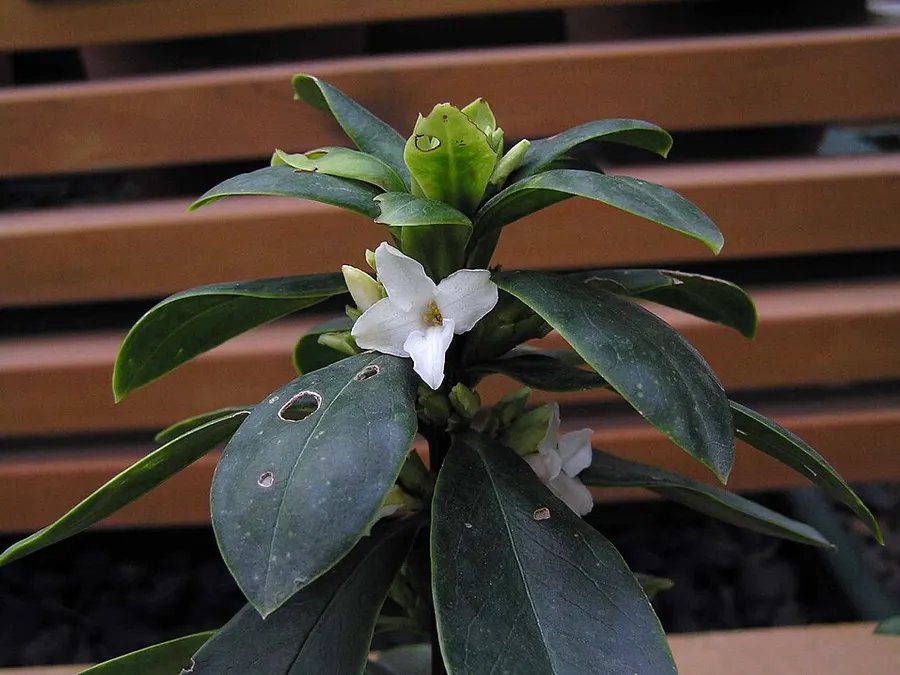
Bulk Lokta Paper Craft from Nepal
Handmade lokta bark paper — journals, gift wrap, and stationery. Review 1 Nepal supplier research records with explicit evidence status and buyer checks for retail, hospitality, gifting, and sourcing teams.
GreenFlip does not yet hold a verified MOQ, FOB price, or production lead time for Lokta Paper Craft from Nepal. This page organises 1 research records by origin and craft. Public-web fields remain unconfirmed until the legal entity, production capability, current quotation, certificates, references, and sample are checked.
Evidence to request for Lokta Paper Craft
Natural Fibre checks: Confirm botanical fibre, harvest and source evidence, moisture and mould controls, fumigation needs, load testing, finish chemistry, and packing ventilation.
For Nepal's production landscape and the checks that apply across every craft in the country, see the Nepal sourcing hub.
Suppliers at a glance
1 suppliers| Supplier | City | MOQ | Price from | Lead time | Certifications | Evidence state | Profile |
|---|---|---|---|---|---|---|---|
| Tibetan Handicraft & Paper | 🇳🇵 Nepal | Unconfirmed | Unconfirmed | Unconfirmed | grounded | View → |
Visual showcase
6 images · Nepal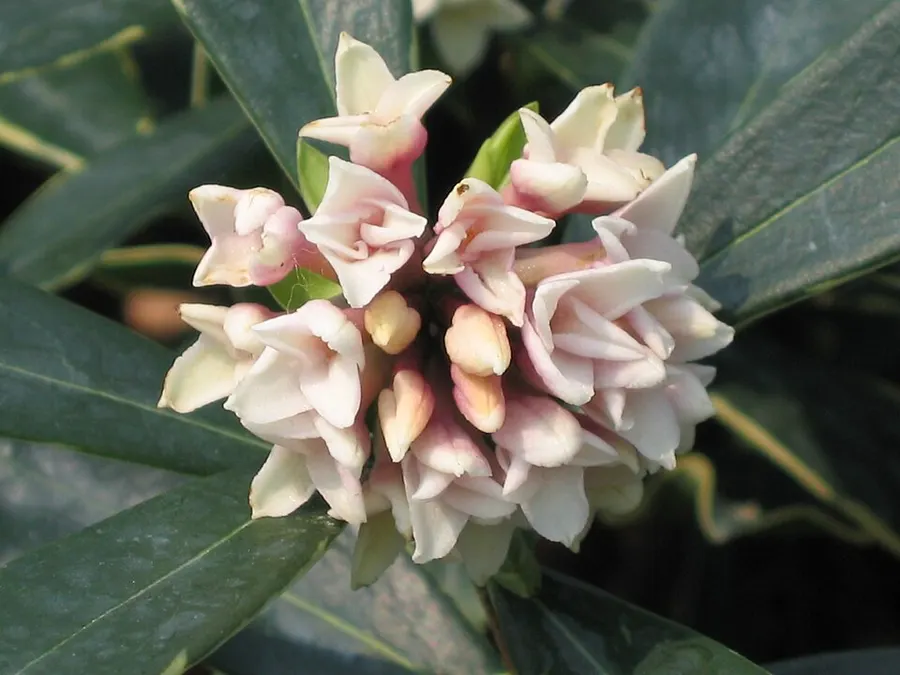
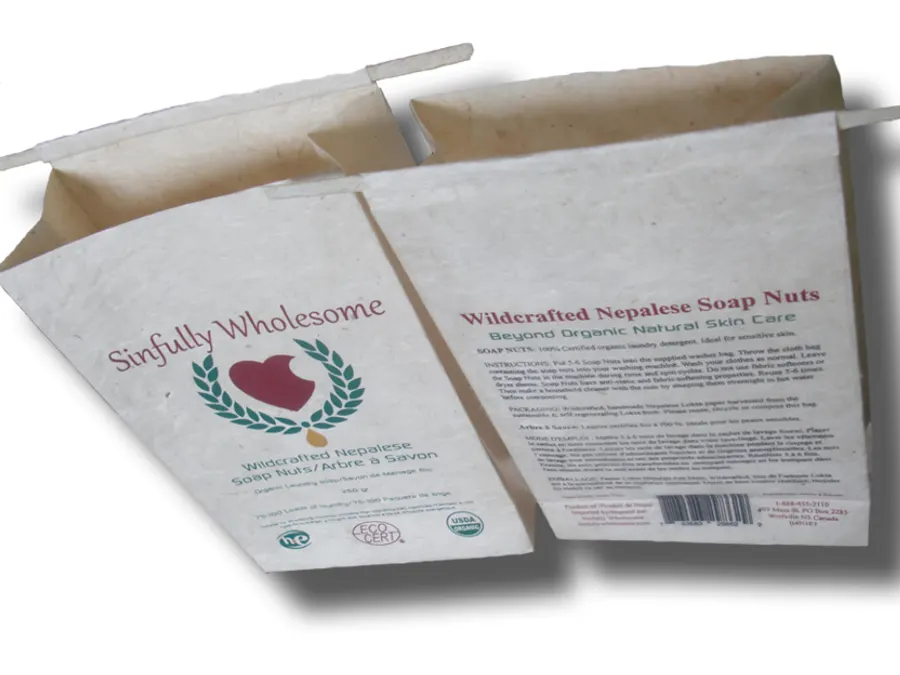
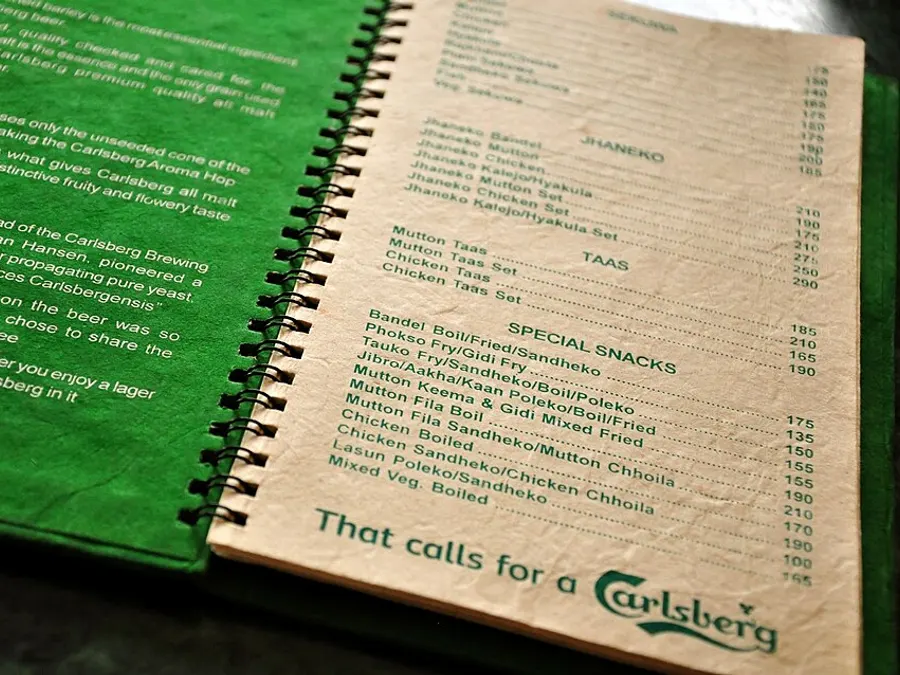
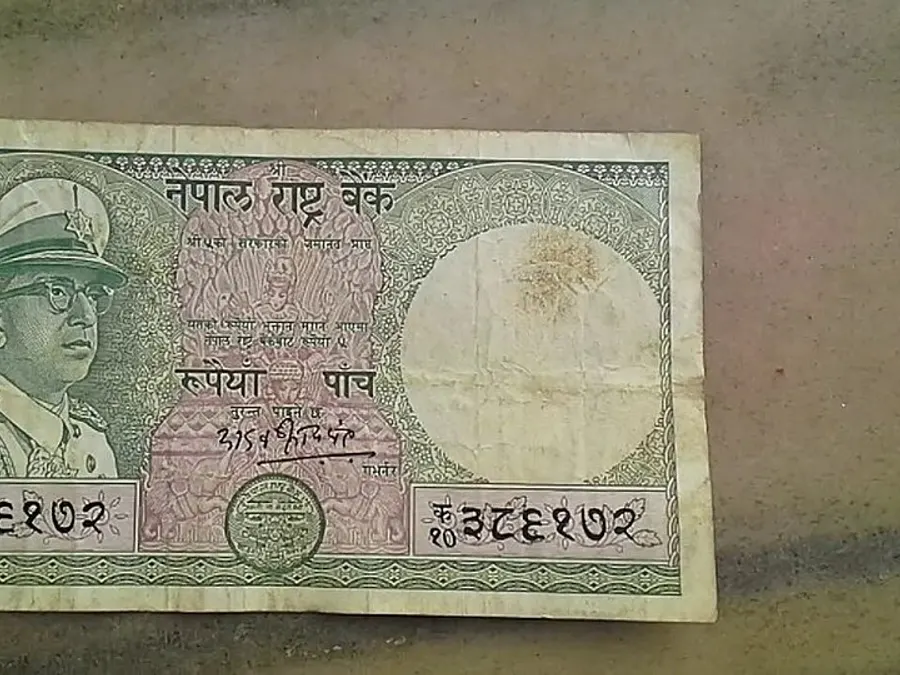
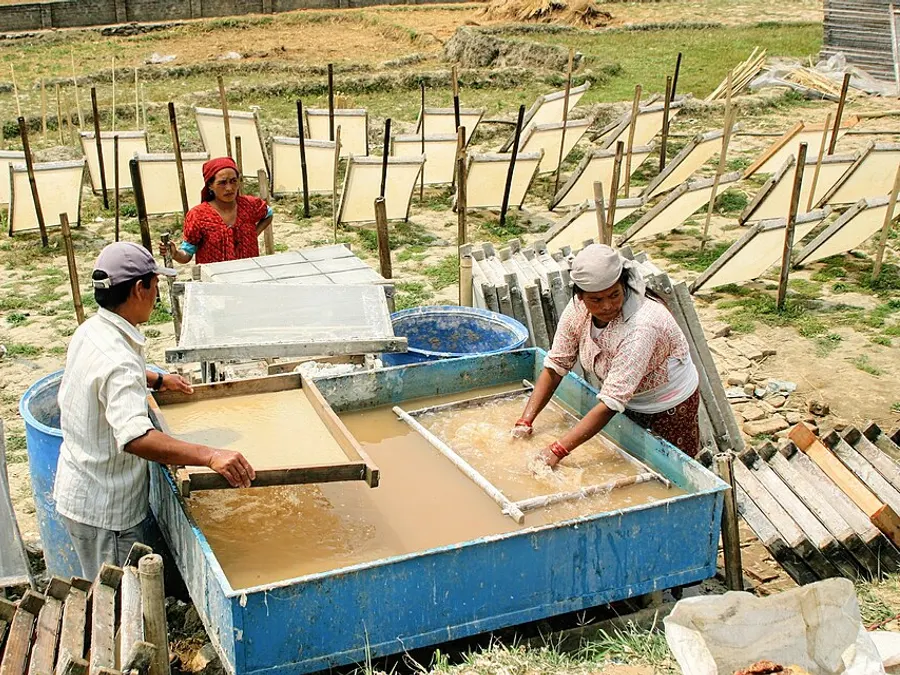
Images are illustrative and verified against our image rights policy. Supplier-provided, fair-trade media kits, or CC-licensed.
Supplier research records
These are leads, not endorsements. Commercial fields only count as confirmed when the profile state is verified.
How to source Lokta Paper Craft from Nepal in bulk
- 1
Define your brief. Specify quantity per design, Natural Fibre grade, dimensions, finish, customisation, packaging, destination, arrival date and budget.
- 2
Research candidates. Use the 1 origin-and-craft record as leads, then verify identity, production capability, certificates, and references.
- 3
Request comparable quotations. Give each candidate the same specification and request a dated quotation, production schedule, sample plan, and named Incoterm.
- 4
Approve samples. Buy production-representative samples and record tolerances, finish, labelling, packing, and inspection criteria before committing to bulk.
- 5
Confirm and ship. Finalise the purchase order, payment protection, inspection, and freight only after the production schedule is confirmed in writing.
Frequently asked questions
What actually drives the MOQ and per-piece price on lokta paper journals, and where can I expect the biggest cost variance between suppliers?
The dominant cost driver is hand-labour at the sheet-forming, sun-drying and stitching stages — every sheet of Daphne papyracea bark pulp is pulled by hand on a mould, so a 1,000-journal order cannot be compressed the way a printed offset job can. Price moves most with GSM (a 120 gsm writing sheet is markedly more expensive than a 40 gsm wrapping sheet), embedded botanical decoration, gold- or silver-leaf lamination, and whether covers are screen-printed, block-printed, or left natural. Sheet size also matters: standard 50×75 cm or 20×30 inch parent sheets cut into non-standard journal trim drive up waste, so custom dimensions usually lift MOQ to 500–1,000 units minimum.
What quality markers and defects should I look for when inspecting a shipment of handmade lokta paper goods?
Acceptable handmade characteristics include irregular deckle edges, slight GSM variation (±10%), and visible long fibre striations — these are not defects. Actual defects to reject are: unbleached bark specks or dark inclusions (poor cleaning of the Daphne pulp), mottled dye lots where pieces from different dye baths were mixed, brittle sheets that crack when folded (over-cooked fibre), and surface pilling on the print side. For journals, check that inner sheets are not cockled from uneven drying, and that block-printed patterns register cleanly across the uneven handmade surface — misalignment under 1–2 mm is normal, more is a printing fault.
What material and finish options exist for lokta, and which GSM and treatments suit journals versus gift wrap versus stationery?
You can specify natural (unbleached cream-to-buff), water-bleached (whiter but slightly weaker), piece-dyed (uniform colour) or the signature 'flower' and 'leaf-embedded' lokta where botanicals are pressed into the wet sheet. GSM roughly divides the use cases: 30–60 gsm for gift wrap and lamp shades, 80–120 gsm for wrapping and decorative covers, and 140–200 gsm for journal covers, tags and cards that need to take stitching. Gold- and silver-leaf lamination is a traditional Nepali finish done by hand with tissue-thin leaf, so expect some flaking at folds and treat it as a decorative — not load-bearing — layer.
How realistic is OEM and customisation for lokta paper products, and what should I plan for in design and lead time?
Custom sizing, custom screen or block prints, custom dye colours, and bespoke journal layouts (page count, elastic closure, ribbon, end-paper choice) are all routinely done by Kathmandu valley exporters, but each custom element stacks on lead time — typically 45–75 days for sampling and 60–120 days for production after artwork approval. Designs must be simplified for the fibre-heavy surface: fine gradients and small type below about 8 pt tend to fill in, and very tight registration between colours is difficult because each block is hand-pulled. Always request a pre-production sample on the actual GSM and dye lot you intend to ship, not on showroom stock.
Is Nepali lokta paper FSC-certified or otherwise third-party verified, and how do I prove provenance to my own buyers?
Lokta is wild-harvested from community-managed forests in the mid-hills of Nepal (typically 1,800–3,000 m elevation) on a rotational coppicing cycle, so it does not fall under FSC forest certification the way plantation timber does — do not expect an FSC claim on the documentation. The legitimate provenance trail is a Nepal government export licence, a phytosanitary certificate, and traceability back to cooperatives or small producers' groups, some of which are members of the Fair Trade Group of Nepal or WFTO-guaranteed organisations. Ask the supplier for the name of the producing cooperative and the district of harvest; genuine Nepali lokta comes from districts such as Dolakha, Ramechhap, Sindhupalchowk and Kavre, not from a generic 'Himalayan' label.
What packing and shipping quirks should I plan for when importing lokta paper by sea or air?
Lokta is hygroscopic — it will absorb moisture in a humid container, leading to waviness, dye bleed, and in extreme cases mould — so insist on inner poly wrapping with silica gel desiccant inside each ream, plus a moisture-barrier outer bag. Sheets should be flat-packed, not rolled, because rolling sets a curl that journals and cards will not fully recover from. The natural Daphne fibre is insect-repellent (which is historically why lokta was used for official and religious documents), but outer cartons still need standard ISPM-15 heat-treated or fumigated marks for many destination countries. Finally, plan for volumetric weight: lokta is bulky relative to its actual mass, so air freight on a flat sheet is often uneconomical above 2–3 tonnes and sea in 20 ft / 40 ft containers is the norm for bulk orders.
What production lead time should I plan for bulk Lokta Paper Craft from Nepal?
The single Nepal Lokta Paper Craft record on file does not carry one, which is why the lead-time column reads Unconfirmed. Ask each candidate for a dated ex-works schedule and the transit time to your port as separate figures.
Which Incoterm and freight details should a Nepal Lokta Paper Craft RFQ pin down?
Ex-works, FOB, and CIF prices for one Lokta Paper Craft order are three different numbers, so name the term and the destination port in the request or the quotes will not compare. Settle who books freight, who clears customs at each end, and the packing specification — handicraft cartons are usually volume-rated.
Browse Lokta Paper Craft by use case
Further reading on Lokta Paper Craft and Nepal
Pashmina and Cashmere: A Bulk Buyer's Guide
Buying pashmina and cashmere in bulk: micron grades, collective marks, fibre-content testing, blends, labelling law and the shahtoosh red line.
Sourcing Guide: Handicrafts from Nepal
A sourcing guide to Nepal's crafts: pashmina and cashmere, felted wool, singing bowls, thangka painting, and lokta paper
How we chose
We reviewed 1 Nepal Lokta Paper Craft research record for this page on October 7, 2026. Inclusion means the record matches the origin and craft; it does not mean GreenFlip verified the business or its claims. Only verified records may contribute MOQ, price, lead time, certification, or wholesale Product structured data.