Wedding & Event Décor Sourcing at Volume
Sourcing artisan décor for weddings and events at volume: repeatability across a large set, rental durability, colour matching and the event calendar.
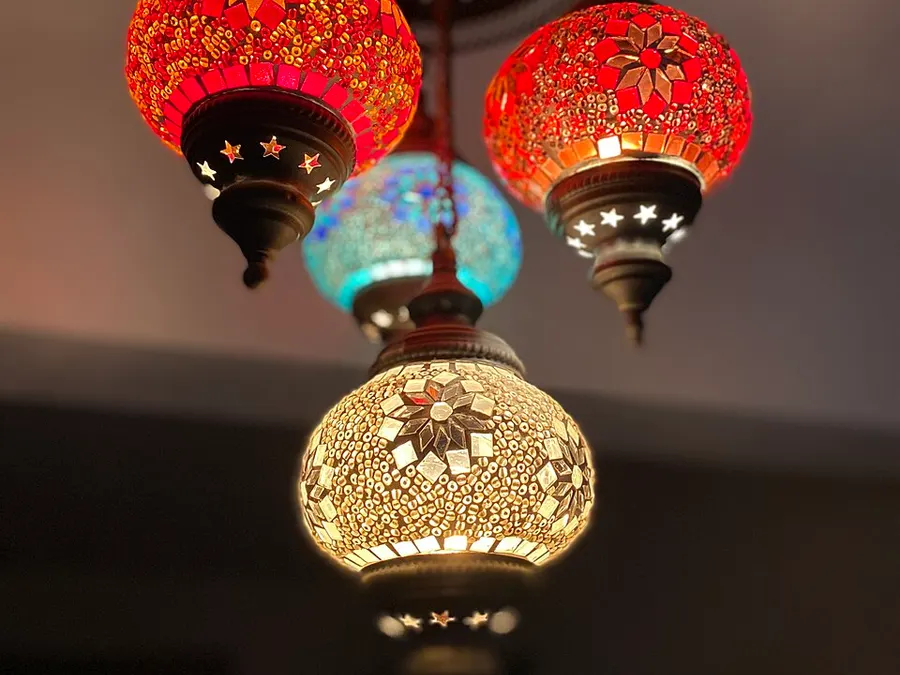
Sourcing artisan décor for weddings and events at scale is less about finding pretty objects and more about engineering repeatability. The buyers who win the big contracts treat each piece as a spec, with tolerances, sample sign-off, and a calendar that runs backward from the event date. Get those four mechanics right — repeatability, durability, colour control, and lead time — and the artisan story actually holds up at volume.
Repeatability across a large set
Repeatability starts before the first sample ships. A clear brief — dimensions, materials, weight tolerances, finish expectations, and what counts as acceptable variation — gives the maker something to measure against.
- Send a written spec sheet, not a mood board. Mood boards mislead; specs do not.
- Approve a physical golden sample (a sealed reference piece) and have the maker keep a duplicate. Both parties reference the same object when questions come up mid-run.
- Run a pre-production sample of 5–10 units before cutting the full PO. This is where you catch drift early.
- Standardise components where you can. If you’re buying 300 rattan lanterns, lock the bulb socket, the hanging loop gauge, and the finish on metal parts. Variable accents (hand-tied jute, painted motifs) are where the artisan character lives; don’t try to make those identical.
- Be explicit about “asymmetry within reason.” Handmade means small variation; spell out the threshold (for example ±10 mm on length, visible knots acceptable on the back face only).
Insist the contract names the golden sample, the tolerance, and the QA process. If a future batch drifts, you have something to point to.
Rental durability vs. one-use
These are two different product briefs, even if the object looks the same. Decide before you place the order.
For rental stock:
- Ask for reinforced stress points, double-stitched or glued-and-stitched seams, replaceable components (lamp shades, diffuser covers, hanging cords).
- Specify the number of event cycles the maker is warranting — 10 uses, 50 uses — and what counts as a cycle.
- Request a small repair kit per 50 units: spare cord, spare beads, a small amount of touch-up material, a printed care card.
For one-use (often the right call for couture weddings and styled shoots):
- You can use more delicate materials, hand-dyed fabrics, fragile finishes.
- You do not need repairability, but you do need pack-out and freight-grade packaging so pieces arrive intact.
Decide rental-versus-single-use on total landed cost per event, not per piece. A cheap rental piece that fails on the third event costs more than a one-use piece priced two or three times higher. For indoor venues, many operators also expect documentation that textile pieces meet local fire-safety standards — confirm current requirements with the venue and the relevant national fire authority before production, since test methods and pass criteria differ by country.
Colour matching across batches
This is the most common source of dispute in artisan décor. Natural fibres, plant dyes, and hand-applied finishes shift between batches, sometimes visibly.
- Anchor colour in a universal reference (Pantone TPX for textiles, RAL for finishes) plus a physical swatch you control.
- Order a lab dip or strike-off before bulk production. For natural dyes, expect a band of variation — agree the band in writing.
- Approve colour in the lighting your client will actually use. A “warm white” wedding venue shifts cream and ivory dramatically. View samples under at least two light sources before sign-off.
- Build a 5–10% overage for on-site touch-ups, replacements, and pieces that read wrong under event lighting. Order it at the same time so the dye lot matches.
- Photograph every approved reference under consistent lighting, with a colour-checker card in frame. Monitors lie; a dated reference photo does not.
Hand-finished metallic accents (gold leaf, brushed brass paint) are a deliberate “feature, not a bug.” Make sure the client understands that too.
Lead times for event calendars
Event dates do not move. Your supply chain has to.
Work backward from the event day:
- Event date: fixed.
- On-site delivery: 5–10 working days before (for unpack, QC, and touch-ups).
- Destination warehouse to venue: 3–7 days, depending on country and courier.
- International transit — sea: 25–45 days; air: 5–10 days.
- Customs clearance: build a buffer, never assume a smooth pass on a first shipment to a new market.
- Production: typically 30–60 days for a 200–500 unit handmade order, longer during peak season.
- Pre-shipment inspection and rework: 5–10 days.
A 300-unit order for a March event often needs to be in production by November. Many artisan workshops in peak-origin regions book slots 3–6 months ahead, especially before spring and autumn wedding seasons. Confirm booking with a written production slot, not a verbal yes. Plan for rejects too — a 3–5% reject rate is realistic on handmade goods, and the overage covers it.
Worked example: 250 macramé chair backs for a destination wedding brand
- Brief locked: 250 pieces, natural cotton cord, finished drop 90 cm ±10 mm, knot density specified, dye-free (raw cotton), brass-tone hanging ring, packed individually in cotton bags.
- Golden sample: approved after two rounds; duplicate retained by maker and buyer.
- Pre-production run: 8 pieces shipped, signed off, photo-logged under daylight and warm LED.
- Tolerance clauses in PO: length, cord weight (g/m), brass ring gauge, packing spec.
- Production slot: booked 5 months ahead of the event; deposit paid to hold the slot.
- Lead-time stack: production 45 days → sea freight 30 days → clearance and last-mile 12 days → on-site 7 days before event.
- Overage: ordered 275 units (10% over) for on-site spares; 14 units used across two set-ups.
- Rejects: 6 units replaced during QC at destination; 3 more used as backups at the venue.
That order is achievable, but only because the calendar was set first and every other decision ran backward from it.
Bottom line
Volume sourcing of artisan wedding décor succeeds when the buyer treats it as engineering, not inspiration. Lock specs against a golden sample, decide rental vs. single-use on total cost per event, manage colour with a physical reference and agreed tolerance bands, and run the calendar backward from the event date. The aesthetic is real — but the margin is in the mechanics.
FAQ
How can we ensure visual and dimensional consistency when scaling artisan décor to hundreds or thousands of pieces per order?+
Lock the maker to a master reference sample, a written spec sheet, and named material inputs (specific timber, clay body, dye lot, or yarn). Require a pre-production sample for sign-off before full production, and insist on in-line QC photos at defined milestones. A standard overage allowance covers rejects so the final usable count meets the order.
How should we brief a supplier on durability when some pieces are rental inventory and others are one-use event décor?+
Specify the expected use cycles, cleaning method, and handling conditions in your brief—rental pieces need reinforced joinery, commercial-grade finishes, and replaceable components, while one-use items can prioritize aesthetics and cost. Ask the maker to confirm materials and construction against your use case, and request a small test batch you can stress before placing the full run. Aligning spec to use case from the start avoids paying rental-grade prices for disposable pieces or vice versa.
How far ahead do we need to place orders to hit peak event calendars, and what buffers should we build in?+
Book production slots several months ahead of peak wedding and corporate event windows, as artisan workshops fill up quickly from spring through early fall. Build buffer time for raw material sourcing, finishing, QC, consolidated shipping, and customs clearance before your client's event date. Confirm the maker's full capacity for your order in writing before you commit to delivery dates downstream, and clarify their policy on partial shipments or delays.
Ready to source?
Give GreenFlip your buying brief, budget and deadline. We turn it into an evidence-backed sourcing decision and an executable order.
Start a sourcing brief →