Sourcing Egyptian Papyrus Art in Bulk
Buying papyrus in bulk: telling real papyrus from banana leaf, hand-painted versus printed, humidity and light damage, framing, packing and classification.
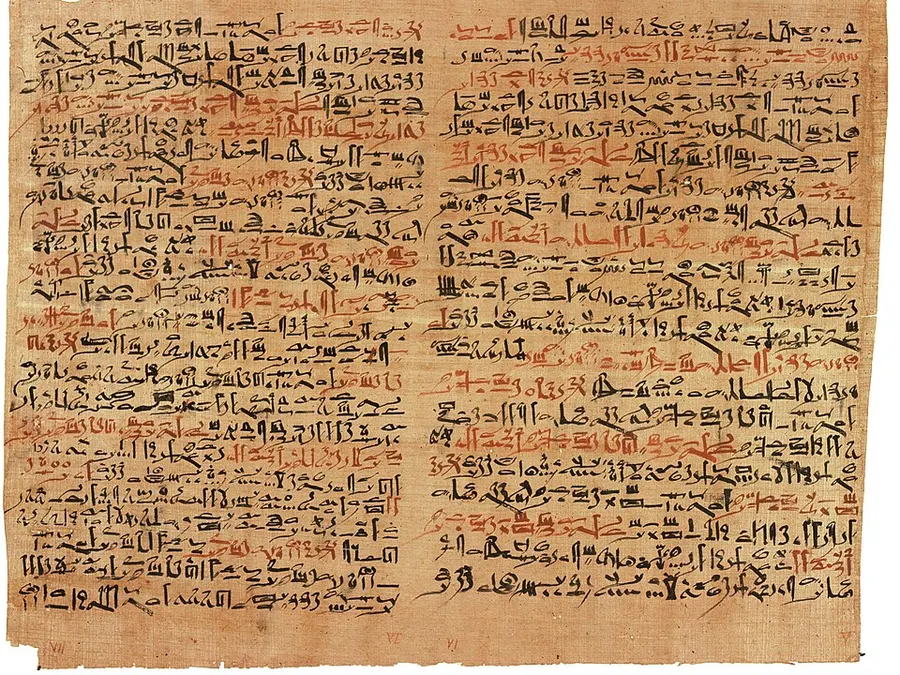
Papyrus occupies an odd position in Egyptian craft exports: it is the most recognisable souvenir material in the country and simultaneously the one most often faked with a cheaper substitute. For a bulk buyer that combination is workable — the authentication test is simple and reliable — but only if you run it before the container ships rather than after.
How papyrus is made
The stem of the Cyperus papyrus sedge is stripped of its outer rind and the inner pith is sliced into thin strips. The strips are soaked, laid side by side in one direction, then a second layer is laid across them at right angles. The whole thing is pressed and dried, and the plant’s own sap binds the layers. There is no pulping, which is why papyrus is not technically paper.
That cross-laid structure is the authentication test. Backlit, genuine papyrus shows an unmistakable lattice of overlapping strips. Nothing else in the market reproduces it.
Grades and what drives price
- Sheet quality. Even strip width, consistent thickness, tight lattice with minimal gaps, and clean trimmed or naturally feathered edges. Cheap sheets have wide gaps, uneven thickness, and visible pith debris.
- Colour. Papyrus ranges from pale straw to deep brown depending on the age of the stem and processing. Darker is not better or worse, but it must be consistent across an order.
- Artwork method. Hand-painted, screen-printed, or digitally printed.
- Pigments. Water-based colours are cheapest and fade fastest. Better work uses more lightfast pigments, and gold or metallic areas may be leaf rather than paint.
- Size and complexity, and whether the piece is signed.
Inspection checklist
- Backlight test on a sample from every carton, not just the top one.
- Flex test — a gentle crumple that flattens out, on a sacrificial sheet.
- Paint adhesion — light rub with a dry cloth on an edge area. Poorly bound pigment will lift.
- Edges and corners for splitting and delamination between the two strip layers.
- Mould. Check for musty smell and for grey or dark speckling, particularly if the goods have sat in a humid warehouse.
- Consistency of artwork against the approved sample — for hand-painted work, define an acceptance range rather than expecting identical pieces.
Compliance and honest description
There is little product-safety regulation on decorative papyrus, which puts the compliance weight on description instead:
- Material. “Papyrus” means papyrus. If a supplier is offering banana-leaf sheets, they may be perfectly serviceable decorative goods, but they must be described as what they are.
- Method. Hand-painted, hand-finished print, or print. “Hand-painted” applied to a screen print is a misrepresentation that trading standards bodies act on.
- Country of origin marking on the article or its packaging, to destination rules.
- Antiquities. As with all Egyptian cultural goods, never buy anything represented as ancient. New work in ancient styles is ordinary merchandise; genuine antiquities cannot legally leave Egypt.
- Classification, confirmed with your broker — the works-of-art versus printed-matter distinction materially changes duty.
Packing and transit
Papyrus is light and cheap to ship, which tempts under-packing.
- Ship flat wherever possible, interleaved with acid-free tissue, in rigid board-backed cartons.
- If rolling is unavoidable, use large-diameter tubes; tight rolling sets a curl that never fully relaxes and makes framing difficult.
- Include desiccant. Humidity in transit is the main cause of mould and cockling claims in this category.
- Keep cartons off container floors and away from walls where condensation collects.
- For framed goods, ship the sheets unframed and frame in the destination market — glass in a container is a poor economic bet, and framing locally lets you control the UV glazing and mount quality.
Building a sensible programme
Papyrus works best as a component of a broader Egypt sourcing programme rather than as a standalone import: it consumes almost no container volume, carries good margin, and pairs naturally with alabaster, khayamiya, and glass in a mixed load. Buy from a named workshop, record the painter where the work is signed, and use that attribution in your retail copy. The market is saturated with anonymous tourist-grade sheets, and specificity is the cheapest differentiation available in the category.
FAQ
How do I tell real papyrus from a banana-leaf substitute?+
Hold a sheet up to the light. Genuine papyrus is made from pith strips laid in two crossed layers and pressed, so backlighting reveals a clear woven lattice of overlapping strips running at right angles. Banana-leaf and sugar-cane substitutes show a more uniform, fibrous, or streaky structure without that lattice. The second test is flexibility: properly made papyrus can be gently crumpled and will flatten out again, whereas the substitutes crack along the fold and darken with age. Ask for the lattice to be visible in the supplier's own photographs before you order.
Is the artwork hand-painted or printed?+
Both exist and the price gap is large. On hand-painted work, brush strokes sit on the surface with variable thickness, gold and metallic areas have physical relief, and no two pieces are identical — including their imperfections. Screen-printed and digitally printed sheets are flat and perfectly repeatable, and under magnification a digital print shows a dot pattern. Neither is illegitimate; buy whichever suits your channel, but get the description right on the invoice and on the retail label, because the difference is easy for a customer to check.
How should papyrus be stored and displayed?+
Papyrus is a plant material and behaves like one. It is hygroscopic, so high humidity encourages mould and cockling while very dry conditions make it brittle. Pigments — especially the reds and the water-based colours used on inexpensive work — fade under ultraviolet light. For retail and for the end customer, frame under UV-filtering glazing with an acid-free mount and a small air gap so the sheet is not pressed flat against the glass. In the warehouse, store flat in acid-free interleaving rather than rolled for long periods.
What MOQ and lead time is normal?+
Unusually low minimums. Sheet production and painting are both quick relative to other crafts, so workshops commonly accept 50–200 pieces per design and can turn an order in 3–6 weeks. That makes papyrus a practical add-on to a mixed Egypt container rather than a standalone import. The constraint is usually painting capacity for a specific artist's style rather than raw sheet supply — if you are buying signed work from one painter, treat output as fixed and plan accordingly.
How is papyrus art classified for customs?+
It depends on what was done to the sheet, not on the material. Hand-executed original artwork can fall under the works-of-art provisions, while commercially printed pictures sit with printed matter and blank or plain sheets sit elsewhere again — and the duty consequences differ substantially. Mass-produced hand-painted decorative work is the ambiguous middle case that customs officers query most often. Get a binding classification or at minimum a written broker opinion, supported by photographs and an accurate description of the production method, before your first large shipment.
Ready to source?
Give GreenFlip your buying brief, budget and deadline. We turn it into an evidence-backed sourcing decision and an executable order.
Start a sourcing brief →