Handicraft Defects: Critical, Major, Minor
Building a defect list for handmade goods: worked critical, major and minor examples by material, and how to agree it with a supplier before production.
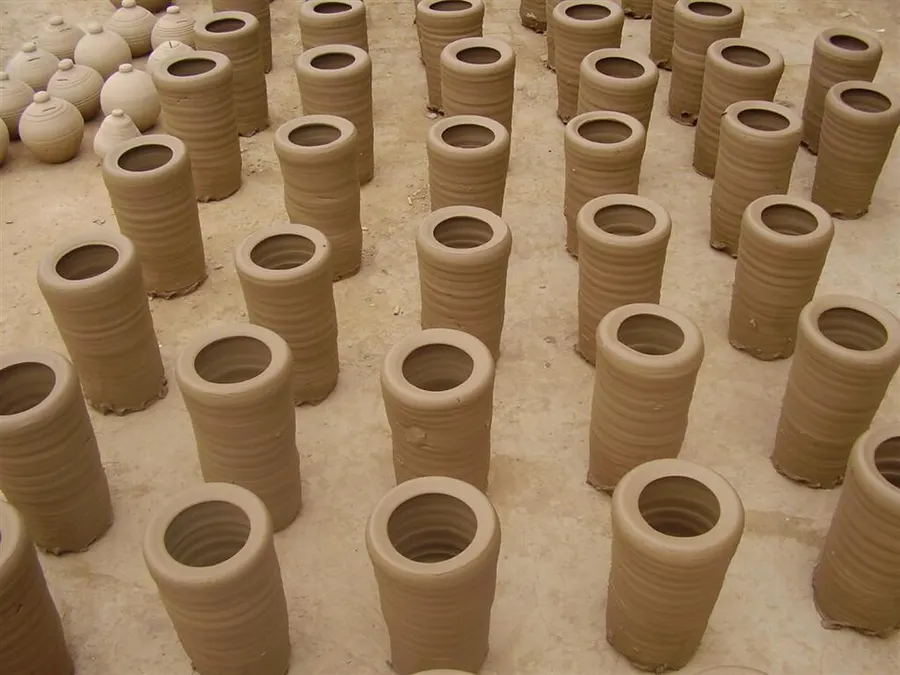
A defect classification is a short contractual document that tells your supplier exactly what you will accept, what you will reject, and what can be repaired or sold at a discount. Without one, the phrase “handmade variation” turns into a recurring argument over every shipment, and you lose the ability to claim credit fairly. A practical system uses three tiers — Critical, Major, Minor — and ties each to a clear consequence for the lot.
Why a written classification matters for handmade goods
Mass-produced goods are defect-classified against engineering tolerances. Handicrafts are not, and that is the point buyers pay for. But “imperfect” is not the same as “any defect goes.” If you resell, retail, or import under a buyer’s brand, you need a defensible line between:
- the character of a handmade piece (slight asymmetry, subtle color shift, tool marks in the normal place), and
- a defect that affects saleability, safety, or function.
A classification also protects your supplier. It gives the workshop manager a single page to point at when a new artisan produces a piece that is too rough, or when a QC inspector rejects something that is actually within the house style.
The three tiers in plain terms
Use these as starting definitions; refine them with your supplier for each product.
- Critical. A safety, legal, or structural failure. The piece must not ship. Examples: sharp cracked edge on a food-contact bowl, lead-heavy finish on a children’s toy, load-bearing joint in a chair that wobbles, live insect infestation in wood, broken warp in a rug.
- Major. A visible or functional flaw that a typical retail customer would notice and complain about, but the item is still safe. Shipment is usually conditional on repair, replacement, or an agreed discount. Examples: obvious glaze skip on a vase face, casting porosity larger than a few millimeters, missing pattern repeat in a textile, deep scratch on a polished surface.
- Minor. A flaw a casual buyer may not notice, or a hallmark of the handmade process. Usually accepted in defined percentages of the lot. Examples: tiny kiln pimple inside a foot, faint patina cloudiness on brass, small tight knot on the back of a wood panel, isolated slub in a hand-spun yarn where slubs are part of the style.
For each item, decide in advance what happens: reject, rework in origin, sell-through with discount, or accept.
Worked examples by material
These are illustrations, not universal rules. Adapt the thresholds to your product, price point, and customer.
Ceramics and stoneware
- Crazing in the glaze — fine network of cracks in the glaze surface. Minor if hairline and only on the underside of a decorative piece. Major if it crosses the drinking rim or food-contact surface, because it can harbor bacteria. Critical if accompanied by a through-body crack.
- Pin-holes or crawling glaze — usually minor on the body, but major on the visible face of a decorated piece.
- Foot rim chips — typically major; the piece is unsellable at full price.
Brass and other cast metals
- Porosity — small surface pits from gas during casting. Minor if isolated and shallow; major if clustered or deeper than ~1 mm; critical if it appears on a structural or load-bearing area such as a handle root.
- Casting flash and seam lines — major if visible on a polished face, minor if on the back or underside.
- Uneven patina — minor, and often considered a feature; document a reference sample.
Handloom textiles
- Slubs — thickened spots in the yarn. Minor and on-style for rustic weaves; major in fine cotton or silk where they read as defects.
- Misweave and float errors — major; usually grounds for rejection.
- Color bleeding or staining — major to critical depending on whether the piece can be reclaimed.
- Dimensional variance — major if outside your agreed tolerance (commonly a few percent for hand-looms); always pre-agree the tolerance band.
Wood
- Knots — tight, small, sound knots on the back or hidden face: minor. Loose, falling, or large knots on a visible face: major. Knots on a structural span of a stool or chair: critical.
- Cracks and splits — critical if through a structural member; major if only on a decorative panel.
- Tool marks and uneven stain — usually minor; define “minor” with a reference sample.
AQL, sampling, and how the tiers translate
Most professional buyers attach the classification to an Acceptable Quality Level (AQL) sampling plan. The usual approach:
- Critical defects: zero acceptance, or AQL 0 (none allowed in the sample).
- Major defects: a low AQL, commonly around 1.0–2.5, depending on product value.
- Minor defects: a higher AQL, commonly around 4.0.
Do not invent exact figures; confirm the AQL standard you are using (e.g., ISO 2859-1 / ANSI Z1.4) and apply it consistently across the order. The same standard should be named in your purchase contract so that an inspection at origin and any later dispute use the same numbers.
How to agree the list with your supplier
- Start from a reference sample. Send or keep a “gold sample” of each product that shows acceptable character. Anything outside that look is a defect.
- Co-author the document. A list handed down as a demand will be ignored. Sit with the supplier’s QC lead and walk each product, marking what is critical, major, and minor, and what the action is.
- Use photos, not just words. A picture of “acceptable crazing” versus “rejectable crazing” settles arguments faster than any paragraph.
- Tie each tier to a consequence. For example: critical = full lot reinspect, supplier pays replacement; major = piece-level replacement or agreed discount above X% of items; minor = accepted up to Y% of lot.
- Lock it in the PO. Attach the classification, the AQL standard, the reference photos, and the sampling rule to every purchase order. Version-date the file.
- Pilot before full production. Approve a pre-production sample (PPS) against the same list, then a first-article of the bulk run, before signing off.
Quick checklist for your classification document
- Product name, SKU, and version date
- Three-tier definitions in your own words
- Defect list per material, with photos
- Reference sample photo or physical sample location
- AQL standard cited (e.g., ISO 2859-1)
- Acceptance numbers per tier
- Consequence per tier (reject, rework, discount, accept)
- Sign-off line for buyer and supplier
Regulatory note: for products touching food, cosmetics, or children (such as lead in glazes, heavy metals in dyes, or sharp edges on toys), confirm current limits and test methods with the competent authority in your destination market — for example, the U.S. CPSC for children’s products, the EU RAPEX system and applicable harmonised standards, or your local consumer-safety regulator. Rules and limits are revised periodically, so always check the latest version before locking a contract.
Bottom line
A good defect classification is a one- to two-page document, not a thesis, and it is the cheapest insurance in your sourcing workflow. Co-author it with the supplier, tie each tier to a clear consequence, attach it to every PO with a reference sample and an AQL standard, and you will spend far less time arguing about “character” versus “defect” on every shipment.
FAQ
How should I structure a critical/major/minor defect list so both my team and a handcraft supplier can sign off on it before production?+
Use a simple table with columns for defect, material, classification, and a written tolerance or photo reference. Walk through it item-by-item with the supplier's QC lead, agree the visual standard against marked samples, and attach the signed table to the purchase order as a quality agreement.
For ceramics, where is the line between acceptable crazing and a rejectable defect?+
Crazing is hairline glaze cracking often treated as a feature of handmade stoneware, so classify it by location and severity: faint surface crazing on a non-functional face is usually minor, but deep craze lines on a drinking rim, food-contact surface, or any piece where it was not pre-approved is major or critical. Pin physical reference samples to the agreement so both sides judge against the same standard.
Handmade goods vary naturally - how do I stop a supplier from using 'it's handmade' to excuse real defects?+
Build a two-part list: a set of natural variations acceptable within the craft tradition (light slubs, small tight knots, mild glaze pooling) and a hard list of never-acceptable defects regardless of handcraft origin (structural cracks, leaking porosity, broken joints, contamination). Have the supplier sign marked samples showing the accept/reject boundary before production starts, and reference those samples in every inspection.
Ready to source?
Give GreenFlip your buying brief, budget and deadline. We turn it into an evidence-backed sourcing decision and an executable order.
Start a sourcing brief →