The Seasonal Handicraft Sourcing Calendar
Back-planning a seasonal handicraft buy from the on-shelf date through freight, production, sampling and design sign-off — and where the calendar breaks.
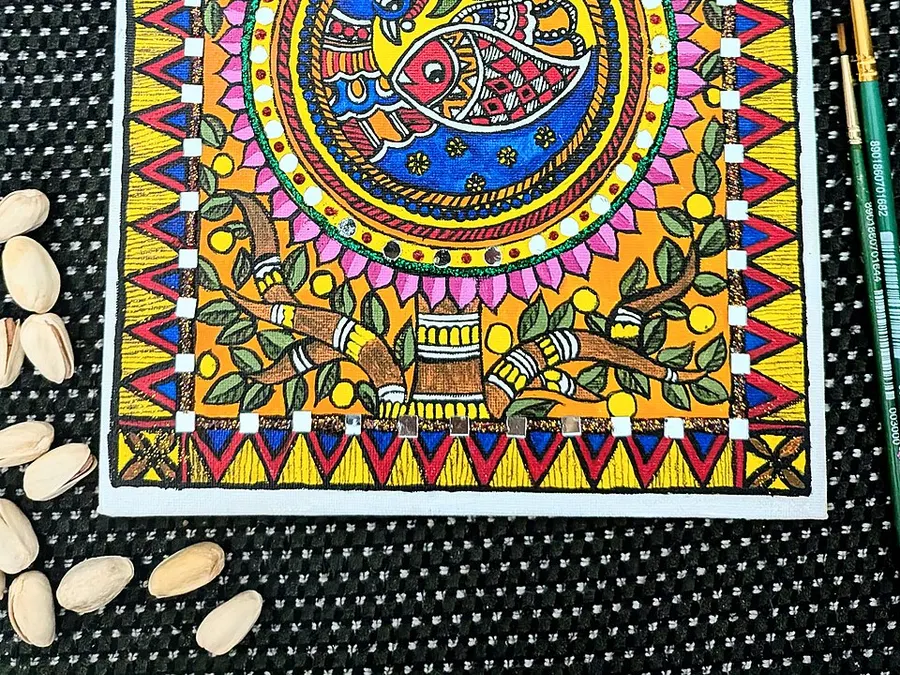
A seasonal handicraft buy runs on the same logic as any seasonal goods program: the selling date is fixed (or roughly fixed), and every step before it has to be sequenced backwards. The buyers who consistently hit the shelf on time are the ones who plan in reverse from the on-shelf date through distribution, ocean or air freight, customs, production, sampling, and design sign-off — and who build slack into the most fragile links, not the most visible ones.
The Five Phases, Counted Backwards
Whichever season you’re buying for, the same five phases apply. The total elapsed time is usually 5–7 months for a full assortment from a major Asian source (India, Bangladesh, Vietnam, Indonesia, the Philippines), and 3–4 months if you’re working from existing tooling, repeat designs, or a regional supplier closer to market.
- Phase 5 – On-shelf / retail ready. The hard target.
- Phase 4 – DC receipt + inbound handling. Allow 2–3 weeks.
- Phase 3 – Freight + customs. Sea: 4–6 weeks typical Asia→US/EU, plus a buffer for port congestion and customs holds. Air: 5–10 days, at 4–6x the cost per kg.
- Phase 2 – Production + QC. 6–12 weeks depending on technique (hand-block printing, brass casting, macramé, wood carving, embroidery all run on different rhythms).
- Phase 1 – Sampling + design sign-off. 3–6 weeks, often longer the first time.
Christmas: The Tightest Window
Christmas is the easiest season to plan for and the easiest to miss. Most retailers want the full assortment on-shelf by early-to-mid November, with a second wave in by Black Friday. Working back from a mid-November on-shelf date:
- DC receipt by late October (3 weeks for retail handling and store allocation)
- Freight on the water by mid-September (5–6 weeks transit, plus a 1–2 week buffer for the inevitable port or customs delay)
- Production complete and goods ready to ship by late August
- Samples approved by mid-July (with the production PO placed the same week)
- Designs locked by late May / early June
The trap is that samples run late because the buyer wants “one more revision.” Every round of sampling eats the production window. Lock the design before the sample leaves the workshop, not after.
Diwali: Date-Variable and Cluster-Heavy
Diwali moves each year on the Hindu lunar calendar, drifting across October and November. The selling window is short — about 4–6 weeks of peak trade — and gifting and home-decor categories peak early. Treat Diwali as a 60-day program rather than a 90-day one.
If Diwali falls in early November, your sea-freight cutoff from India is roughly early August. Air freight is realistic for high-margin SKUs only — gifting, premium brass, lacquerware — and you should be talking to your forwarder about space in early summer, not in September, when air capacity tightens.
Ramadan & Eid: A Calendar That Moves
Ramadan shifts earlier by roughly 11 days each solar year, and Eid al-Fitr (the buying peak) follows the moon. Two practical consequences:
- Start earlier each annual cycle. A program that began in January last year needs to begin in November this year to land goods in time.
- Recheck dates every June once the following year’s Ramadan start is confirmed by the relevant religious authority, and re-cut your production calendar against that confirmed date.
Plan for the same 5–7 month total lead time as Christmas, but skew more weight toward the second half of Ramadan, not the Eid week itself. For many markets — UAE, Saudi Arabia, Indonesia, Malaysia, and the South Asian and North African diaspora in the UK and EU — shelf-ready goods need to be in distribution about 10–14 days before Ramadan begins.
Wedding Season: A Rolling Target
Wedding season isn’t a single date but a series of regional peaks. The handicraft categories that feed it — bridal trousseau textiles, decorated lanterns, ceremonial brass, henna cones, favors — are highly date-sensitive. In India the heaviest buying runs October through February with cluster peaks around regional auspicious dates; in the Gulf it tracks the cooler months.
Because the calendar is rolling, the discipline is to ship against the first peak of the season, not the average. Buyers who aim for early-October delivery can ride the season through February. Buyers who aim for December delivery miss the wedding market entirely and end up discounting stock.
Where the Calendar Usually Breaks
In long-running seasonal programs, the same handful of issues cause the misses:
- Material lead times the supplier didn’t flag in sampling — natural dyes, specific wood species, hand-spun metal, certified natural fibers.
- Hand finishing capacity — a workshop that can produce 500 units a week in sample becomes 200 a week in bulk.
- Sampling revisions the buyer didn’t budget for. Plan two rounds, not one.
- QC holdbacks of 5–10% that are normal and need to be built into the order quantity.
- Customs and compliance — for regulated materials (CITES-listed species, restricted dyes, heavy metals in finishes, country-of-origin labeling) clearance can add 1–3 weeks. Verify current import rules with the official authority in your destination market (e.g., US CBP, the relevant EU national customs portal, or your local trade compliance body) before locking the production calendar.
Worked Example: A Diwali Brass + Textile Program
Target: full assortment in a US retailer’s DC by September 25, ready for a late-October on-shelf.
- Designs and supplier shortlist finalized: March 15
- Samples shipped, two revision rounds: April 1 – May 15
- PO placed, deposit paid: May 20
- Production run: May 25 – August 10 (10 weeks, brass + block print)
- Pre-shipment QC: August 11–20
- Goods containerized, ETD Nhava Sheva: August 25
- ETA US port: early October — too late for the late-October on-shelf. Decision point: air-freight the top 20% of SKUs by value, ship the rest by sea and accept a partial assortment for Diwali with replenishment before the heaviest gifting week.
That last decision — what to fly, what to ship, what to drop — is the actual job of seasonal buying. The calendar doesn’t bend; the assortment does.
Bottom line
Build a single master backwards calendar per season, write it down, and share it with the supplier in writing before the PO is placed. The biggest risk in seasonal handicraft sourcing is not bad product — it’s a beautiful sample that arrives in your DC three weeks after the shelf date. Plan in reverse, protect the sampling phase, and decide in advance which SKUs are worth the air-freight premium when the calendar slips.
FAQ
What is the right way to start a back-planning calendar for a seasonal handicraft buy?+
Anchor the calendar to the mandatory on-shelf date, then work backward in reverse-chronological order: latest acceptable freight arrival, customs clearance, production lead time, raw-material procurement, pre-production sample, and design sign-off. Each stage should be treated as a fixed minimum that cannot be compressed, so the order of operations — not the total days available — drives the schedule.
Where does the seasonal handicraft sourcing calendar most often break down?+
The typical breaking points are freight capacity crunches in the final weeks before sail-out, sampling rounds that take longer than planned, raw-material lead times in the origin country, and factory closures tied to local religious or public holidays that fall inside the production window. Experienced importers usually build a buffer of two to three weeks between the production-finish date and the freight cut-off to absorb these risks.
Do lead times differ materially between Christmas, Diwali, Ramadan/Eid, and wedding season, and what does that mean for when I must start?+
Yes — Christmas and Ramadan/Eid are the most compressed because both have fixed on-shelf dates and compete for the same air- and sea-freight capacity, so the design and sample stages effectively need to start well before the Diwali window would. Diwali itself shifts on a lunar calendar, so confirming the exact date for the relevant year is the first step rather than a fixed lead time. Wedding season is not a single window but several regional ones (India, Middle East, North Africa), which can actually help stagger production and freight if planned early.
Ready to source?
Give GreenFlip your buying brief, budget and deadline. We turn it into an evidence-backed sourcing decision and an executable order.
Start a sourcing brief →