Trade Shows for Handicraft Buyers
What IHGF Delhi, Ambiente Frankfurt and Maison&Objet are each good for, how to prepare, how to run supplier meetings, and how to make samples actually land.
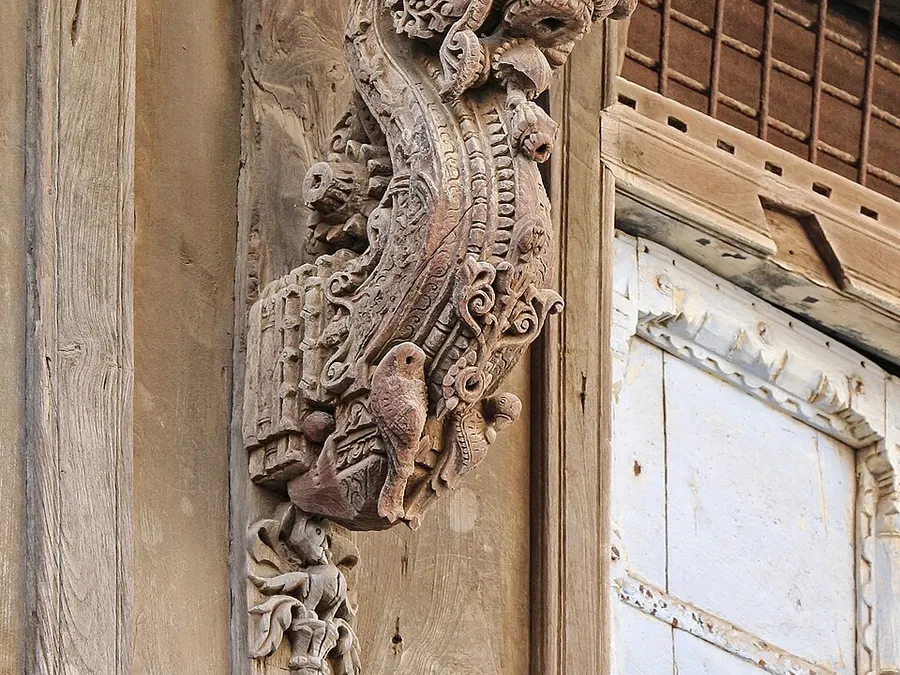
For professional handicraft buyers, the trade-show circuit is anchored by three events that serve very different jobs: IHGF Delhi is the volume and artisan-production hub, Ambiente Frankfurt is the broad consumer-goods marketplace with a strong gift and tableware bias, and Maison&Objet Paris is the design and trend filter. Most serious importers rotate all three across a 12-month cycle, because each surfaces a different tier of supplier, price point, and product story. The buyers who get real value treat the show floor as the start of a process — not the close — and run a disciplined meeting and follow-up routine.
What each show is actually for
IHGF Delhi (India Handicraft & Gift Fair)
Run by the Export Promotion Council for Handicrafts (EPCH), IHGF is the single best place to source handmade and hand-finished product out of South Asia in volume. Strengths include metalware (brass, aluminium, iron), wood and stone, hand-printed and woven textiles, festive and seasonal décor, and home accessories at competitive FOB price points. Exhibitors range from large, export-ready factories to smaller artisan groups — useful if you want to develop a story-driven range. The show runs twice a year at India Expo Mart, Greater Noida. Because the supplier base is deep, it’s where you go to build a long roster, not just place one order.
Ambiente Frankfurt
Ambiente is Messe Frankfurt’s mega-fair for consumer goods, segmented into Dining, Living, Giving, Working, and (in season) Seasonal & Christmas. The exhibitor mix is international — German, Italian, Portuguese, Nordic, and a strong Asian contingent — and skews toward finished, retail-ready product with established brand presentation. It’s the right venue if you’re buying for mainstream retail, department-store programs, or high-volume gifting channels, and you want to compare European finishing standards against lower-cost origins in a single trip. Many of the larger Indian, Vietnamese, and Chinese suppliers run their most polished booths here, so it’s also a good place to see a supplier’s “A-team” output before committing.
Maison&Objet Paris
M&O is the design and trend show of the three. The buyer base tilts toward premium independents, concept stores, hospitality and contract buyers, and the press. Product is more design-led and lifestyle-oriented — lighting, fragrance, textiles, tableware at the higher end, accessories, and a strong contingent of designer-makers and small European studios. Expect smaller minimum order quantities, longer lead times, and higher unit prices. Use M&O to read the trend direction, discover new material and finish ideas, and source hero pieces — not your core commodity volume.
Pre-show preparation
A two-day show wastes a week of runway if you arrive without a plan. The standard routine:
- Pull the exhibitor list 4–6 weeks out and tag every booth you intend to visit. For IHGF especially, the catalog is large — book meetings in advance for suppliers you already work with or shortlist from the directory.
- Set a brief per meeting: target product, target FOB band, expected MOQ, and the order volume you want to quote. Hand it to the supplier at the door.
- Decide who covers which hall before you land. A four-person team can split Ambiente across Dining, Living, Giving, and Working in parallel; without that, half the show goes unseen.
- Carry your own samples or a reference deck so suppliers can match color, scale, and finish against your existing range.
- Check visa, freight, and sample-import rules in advance. For handicrafts, certain wood, plant, and animal-derived materials may require CITES permits or country-of-origin documentation — verify current requirements with your national customs authority before shipping samples back.
Running supplier meetings that actually convert
On the booth, treat each meeting as a 20-minute scoping call, not a closing conversation. The order of operations that tends to work:
- Open with context, not catalog. Two sentences on who you are, what channels you sell into, and what you’re looking for this season. Suppliers calibrate their pitch instantly.
- Lead with your target price and MOQ. A surprising number of buyers still avoid this. If you can’t share a target, ask the supplier for their tier-1 / tier-2 / tier-3 price breaks for your volumes.
- Inspect at three levels: macro (overall finish, color consistency across the sample set), micro (a single piece held to the light — joints, welds, print registration, weave density), and reverse (turn the piece over and check the back, the base, the inside).
- Log everything in the moment. Photo every sample, scan every business card, and write the next-step action on the back of the card before you move on. Memory after day two is unreliable.
- Confirm the follow-up before you leave the booth — who sends what, by when, in what format.
Follow-up: getting samples across the finish line
Most buyer-supplier relationships die in the follow-up, not on the booth. A practical routine:
- Send a recap email within 48 hours of returning, with the meeting summary, the agreed action, the deadline, and the shipping address for samples. Attach the photos you took.
- Use a single shared tracker — even a spreadsheet — for every sample request, with columns for supplier, item, agreed ship date, actual ship date, tracking number, and received date. Review it weekly.
- Pre-pay samples and courier where the order potential justifies it. Many suppliers will absorb sample cost once a relationship is established, but at the first meeting you can accelerate things by offering to pay.
- Spec each sample request precisely: reference photo, dimensions, material, finish, quantity, and the deadline you need it for. “Send me a sample” is not a spec.
- Flag any items with material-restricted inputs (certain hardwoods, leathers, feathers, shells) early. CITES and other origin or trade rules vary by country and change periodically, so confirm with the relevant customs or wildlife-trade authority in your market before the sample ships.
Bottom line
The three shows are complementary, not interchangeable: IHGF builds your supplier depth at the source, Ambiente lets you benchmark finished goods and European finishing at scale, and Maison&Objet sets the design direction and surfaces premium ranges. The differentiator for buyers is the boring middle — pre-show targeting, disciplined booth meetings, and a tracker-driven follow-up that actually moves samples from the factory to your desk. Show up with a plan, leave with a list, and treat the next 30 days as the real show.
FAQ
Which show best fits my sourcing needs — IHGF, Ambiente, or Maison&Objet?+
Each show has a distinct center of gravity. IHGF Delhi Fair is strongest for handcrafted home décor, textiles, and artisan-made giftware produced in India. Ambiente Frankfurt offers the broadest global exhibitor mix across tableware, kitchen, and seasonal décor and sets European trend direction each February. Maison&Objet Paris leans higher-end and more design-led, with a strong curatorial filter — pick IHGF for depth in Indian craft, Ambiente for breadth and trend visibility, and Maison&Objet for design-driven lifestyle pieces.
How should I prepare before arriving at the show floor?+
Register early through the official show websites to access exhibitor lists and any hosted-buyer or matchmaking tools, then shortlist suppliers by hall or zone 2–3 weeks ahead and request meetings directly with the names you actually want to see. Prepare a one-page brief covering your product specs, target FOB price, MOQ, packaging, and compliance needs (such as REACH, FSC, or social-audit requirements), and bring reference samples of what you already buy so suppliers can match your quality and finish.
What is the best way to run a supplier meeting and make sure samples actually arrive?+
Open by confirming the supplier's capability, production capacity, and current lead times before discussing price, then walk through your spec sheet and leave a physical or digital brief behind. Agree on a sample timeline, who pays for samples and freight (DDP versus Ex-works), and a named contact, then log every meeting the same day in a tracking sheet with the sample due date. Send a short recap email within 48 hours confirming what was agreed, and follow up again at the two-week mark if nothing has shipped — this follow-up discipline is what separates buyers who receive samples from those who do not.
Ready to source?
Give GreenFlip your buying brief, budget and deadline. We turn it into an evidence-backed sourcing decision and an executable order.
Start a sourcing brief →